
Have you ever wondered how your home stays warm in winter and cool in summer without you lifting a finger? Understanding how heating and cooling work in a house can help you take better care of your comfort and save money on energy bills.
You’ll discover the simple secrets behind the systems that control your indoor temperature. By the time you finish reading, you’ll know exactly what keeps your home cozy or refreshingly cool—and how to make it work best for you. Let’s dive in!
Credit: vernonairconditioning.com
Basics Of Home Heating
Heating keeps a house warm and comfortable during cold days. It works by generating heat and spreading it inside the home. Understanding how heating works helps in choosing the right system for your needs. Different heating systems use various methods to create and share warmth.
Types Of Heating Systems
Homes use different heating systems based on size and climate. Common types include:
- Furnaces that burn fuel to create heat.
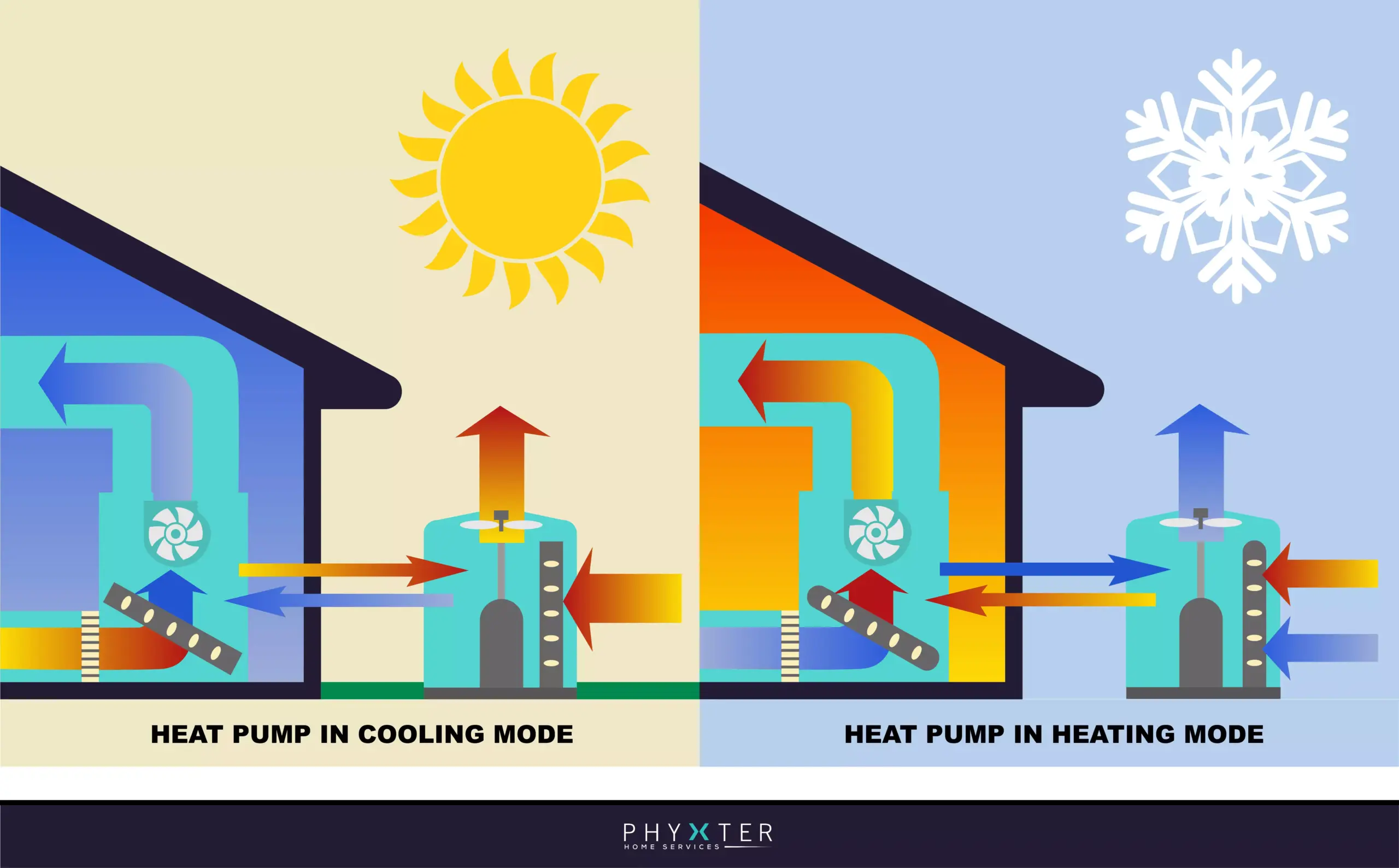
- Heat pumps that move heat from outside to inside.
- Radiant heating that warms floors or walls directly.
- Boilers that heat water to warm the home through radiators.
Each system has pros and cons in cost, efficiency, and installation.
How Furnaces Operate
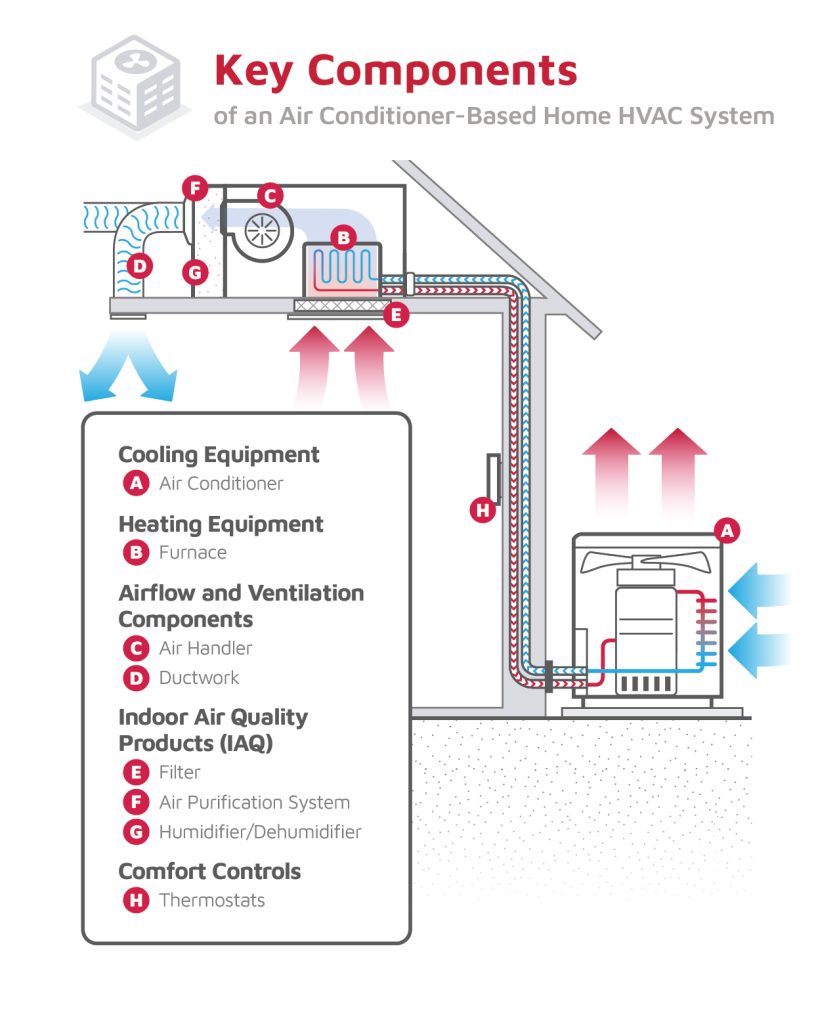
Furnaces burn fuel like gas or oil to create heat. A blower then pushes warm air through ducts into rooms. Thermostats control when the furnace turns on and off. This system heats air quickly and spreads it evenly. Regular maintenance keeps furnaces running safely and efficiently.
Role Of Heat Pumps
Heat pumps transfer heat from outside air into the home. They work like air conditioners but in reverse during winter. Heat pumps use electricity and are energy efficient. They can also cool the house in summer. Heat pumps perform best in mild to moderate climates.
Radiant Heating Explained
Radiant heating warms surfaces such as floors and walls. Heat rises from these surfaces to warm the air and people. This system feels cozy and reduces dust movement. It uses water pipes or electric mats under floors. Radiant heating is silent and energy efficient.
Home Cooling Essentials
Keeping a home cool is vital during hot days. Cooling systems help maintain comfort and improve air quality. Understanding home cooling essentials makes it easier to choose and care for these systems.
Air Conditioning Systems
Air conditioning systems remove heat from inside the house. They lower indoor temperatures and reduce humidity. Common types include window units, split systems, and central air conditioners. Each system cools air differently but shares the goal of comfort.
How Central Ac Works
Central AC uses a network of ducts to cool the entire house. It pulls warm air from rooms through return vents. The air passes over cold coils to remove heat. Cooled air then flows back through supply vents. This cycle repeats to keep the house cool.
Evaporative Cooling Basics
Evaporative cooling cools air by adding moisture. It works best in dry climates. Warm air passes over water-saturated pads, causing evaporation. This process absorbs heat and lowers air temperature. The cool air circulates inside the home, offering natural comfort.
Maintaining Proper Ventilation
Ventilation helps remove hot air and bring in fresh air. It prevents stuffy rooms and controls humidity. Good airflow supports cooling systems and improves indoor air quality. Use exhaust fans, vents, and open windows wisely to keep air moving.
Thermostats And Controls
Thermostats and controls act as the brain of a home’s heating and cooling system. They manage the temperature by signaling the HVAC system to turn on or off. This control keeps the indoor climate comfortable and energy-efficient. Understanding the types and settings helps homeowners save energy and costs.
Types Of Thermostats
- Manual Thermostats:Simple dials or sliders to set temperature manually.
- Programmable Thermostats:Allow users to set schedules for different times of the day.
- Smart Thermostats:Connect to Wi-Fi and can be controlled remotely via apps.
Smart Thermostat Benefits
Smart thermostats learn your routine and adjust temperatures automatically. They help reduce energy waste by turning off when no one is home. Many models provide energy usage reports, helping you track and lower bills. Voice control and remote access add convenience.
Setting Temperature For Efficiency
Set your thermostat to 68°F in winter for comfort and savings. In summer, aim for 78°F to balance cooling and energy use. Use programmable settings to lower heat or cooling when you sleep or leave home. Small temperature changes can lead to big energy savings.

Credit: www.furnaceprices.ca
Airflow And Ductwork
Airflow moves warm or cool air through ducts to every room in the house. Ductwork directs this air, helping keep indoor temperatures comfortable. Proper airflow ensures heating and cooling systems work efficiently and evenly.
Airflow and ductwork in your home play a crucial role in maintaining a comfortable indoor climate. Imagine them as the veins of your home’s heating and cooling system, ensuring that every room receives the right amount of air. Proper airflow and well-designed ductwork not only improve efficiency but also enhance the air quality in your living spaces.Importance Of Duct Design
A well-thought-out duct design ensures that heated or cooled air reaches every corner of your home effectively. Poorly designed duct systems can lead to uneven temperatures and high energy bills. By investing in a good duct design, you enjoy a balanced and comfortable environment while saving on costs.Common Airflow Problems
Airflow issues are more common than you might think. Blockages, leaks, or poorly sealed ducts can restrict airflow, leading to hot and cold spots. Such problems not only cause discomfort but can also strain your HVAC system, shortening its lifespan.Improving Air Circulation
Improving air circulation is simpler than it sounds. Regular maintenance, such as cleaning and sealing your ducts, can make a significant difference. Additionally, using fans strategically can help distribute air more evenly and reduce the load on your heating and cooling systems. Have you ever noticed some rooms in your house are always colder or warmer than others? That’s a clear sign your airflow needs attention. Taking small steps to improve ductwork and airflow can lead to a more comfortable home and a healthier wallet.Energy Efficiency Tips
Energy efficiency in your home’s heating and cooling system can significantly reduce your utility bills and make your living space more comfortable. Small changes often lead to noticeable savings and a healthier environment. Are you curious about how simple adjustments can optimize your system’s performance?
Insulation Impact
Good insulation keeps your home warm in winter and cool in summer by reducing heat transfer. Adding insulation to your attic, walls, and floors can prevent energy loss and lower your heating and cooling needs.
Think about your last energy bill—did it spike during extreme weather? Improving insulation might be the key to stabilizing those costs. Even a small upgrade, like sealing gaps in your attic, can make a big difference.
Sealing Air Leaks
Air leaks around windows, doors, and vents allow conditioned air to escape and let outside air in. This forces your heating and cooling system to work harder, wasting energy and money.
You can identify leaks by feeling drafts or using a simple candle test near suspect areas. Sealing these leaks with weatherstripping or caulking is a low-cost fix that boosts efficiency immediately.
Regular System Maintenance
Keeping your heating and cooling system well-maintained ensures it runs efficiently and lasts longer. Changing filters regularly, cleaning ducts, and scheduling professional checkups can prevent energy waste.
Have you ever noticed your system struggling to keep up? This often signals a need for maintenance. Taking care of your system now can save you costly repairs and higher energy bills later.
Troubleshooting Common Issues
Heating and cooling systems keep your home comfortable, but they can sometimes act up. Troubleshooting common issues helps you avoid costly repairs and keeps your system running efficiently. Understanding basic problems can empower you to fix minor issues yourself or know when to seek expert help.
Heating System Problems
One frequent issue is uneven heating, where some rooms stay cold while others are warm. This might mean clogged filters or blocked vents are restricting airflow. Checking and replacing filters every few months can often solve this problem.
Another common problem is the heater not turning on. This can be due to thermostat settings, a tripped circuit breaker, or pilot light issues in older systems. Have you checked your thermostat’s batteries or reset the breaker lately?
Strange noises from your heating system can signal loose parts or debris in the fan. Ignoring these sounds can lead to bigger failures, so it’s best to inspect or clean the system promptly.
Cooling System Challenges
If your air conditioner runs but doesn’t cool effectively, dirty coils or low refrigerant levels might be the cause. Sometimes, a simple coil cleaning can restore its power.
Another issue is the AC unit cycling on and off frequently, which wastes energy and strains the system. This could stem from thermostat problems or electrical faults within the unit.
Have you noticed water pooling around your AC? This often points to clogged drain lines or frozen evaporator coils. Clearing the drain line or checking refrigerant levels can help you avoid water damage and system failure.
When To Call A Professional
Some issues are straightforward to fix, but others require specialized skills and tools. If your system won’t start after basic troubleshooting, or if you smell gas or hear loud banging noises, stop and call a professional immediately.
Regular maintenance by a certified technician can prevent many common problems. Scheduling annual inspections helps catch small issues before they turn into expensive repairs.
Ask yourself: Are you confident handling the problem safely? If not, professional help is the best choice to protect your home and your comfort.

Credit: stackheating.com
Frequently Asked Questions
How Does Central Heating Work In A House?
Central heating warms a home by circulating hot water or air through pipes or ducts. A furnace or boiler heats the air or water. This warm air or water moves through the system, distributing heat evenly to each room. Thermostats control the temperature.
What Is The Role Of An Air Conditioner In Cooling?
An air conditioner removes heat and humidity from indoor air. It uses refrigerant to absorb heat inside the house and release it outside. The cooled air circulates through ducts, lowering indoor temperatures. This process keeps homes comfortable during hot weather.
How Do Thermostats Control Home Temperature?
Thermostats sense the indoor temperature and turn heating or cooling systems on or off. They maintain a set temperature by signaling the furnace or air conditioner. Programmable thermostats enhance energy efficiency by adjusting temperatures based on schedules.
Why Is Proper Insulation Important For Heating And Cooling?
Proper insulation reduces heat loss in winter and heat gain in summer. It keeps indoor temperatures stable, lowering energy costs. Insulation improves comfort by preventing drafts and maintaining consistent warmth or coolness throughout the house.
Conclusion
Heating and cooling systems keep your home comfortable year-round. They move warm or cool air through vents and ducts. Thermostats control the temperature easily. Regular maintenance helps these systems work well. Clean filters improve air quality and efficiency. Understanding how these systems work helps you save energy.
You can feel better inside your home every day. Simple care keeps your system running longer. A cozy home is within your reach.



