

Have you ever wondered how your home stays comfortable no matter the weather outside? Whether it’s a scorching summer day or a chilly winter night, your HVAC system works quietly behind the scenes to keep your space just right.
Understanding how this system works can help you take better care of it and even save money on energy bills. You’ll discover the simple yet powerful way your HVAC system heats, cools, and circulates air to create the perfect environment for you and your family.
Keep reading to unlock the secrets of your home’s comfort!
Hvac System Basics
Understanding the basics of an HVAC system can save you time and money. It controls the temperature, humidity, and air quality in your home or office, making your environment comfortable year-round. But how exactly does it achieve this balance?
Core Components
At the heart of every HVAC system are a few key parts working together:
- Thermostat:You set the temperature here. It tells the system when to turn on or off.
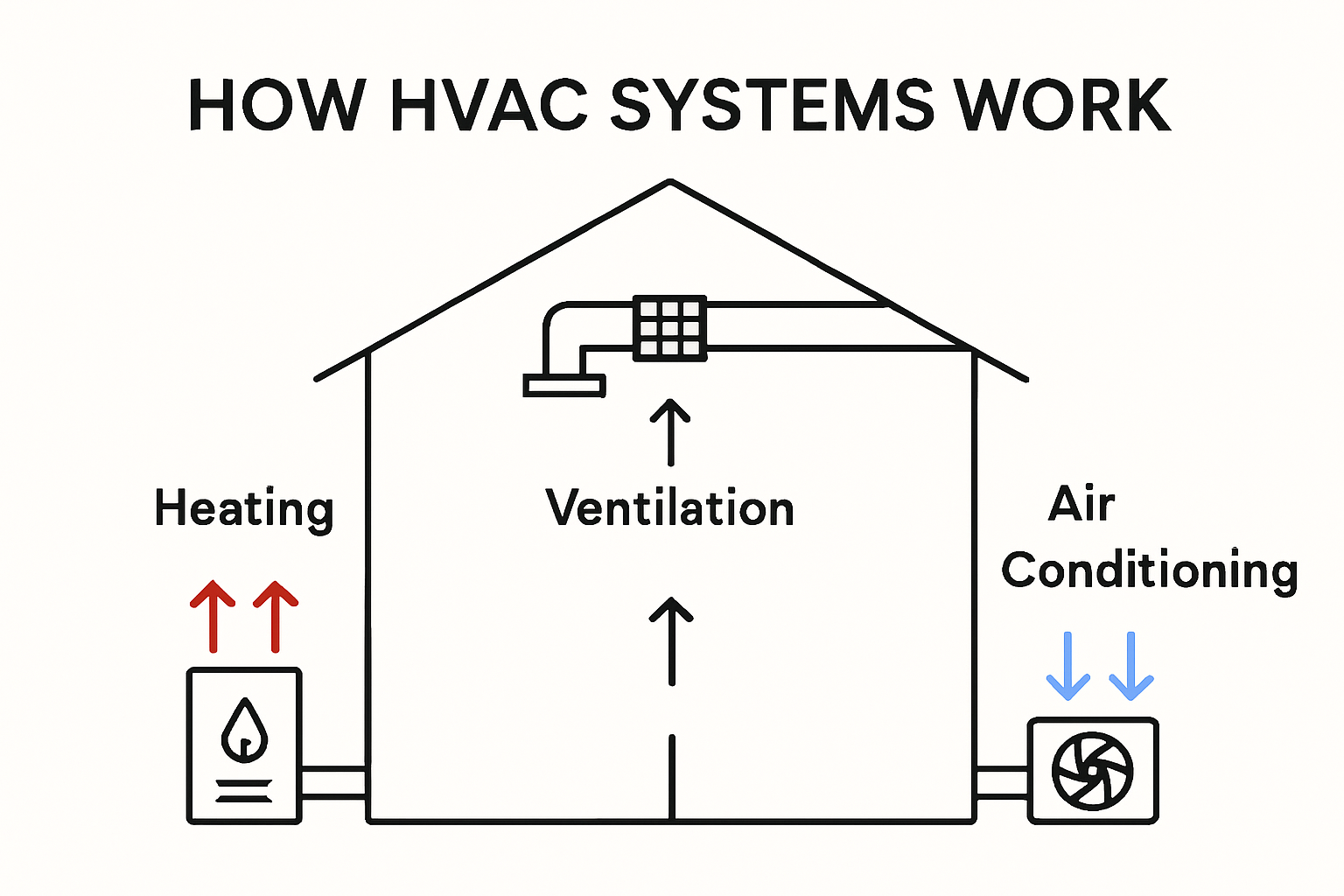
- Furnace:This heats the air during colder months using gas, electricity, or oil.
- Air Conditioner:It cools the air by removing heat and humidity in the warmer months.
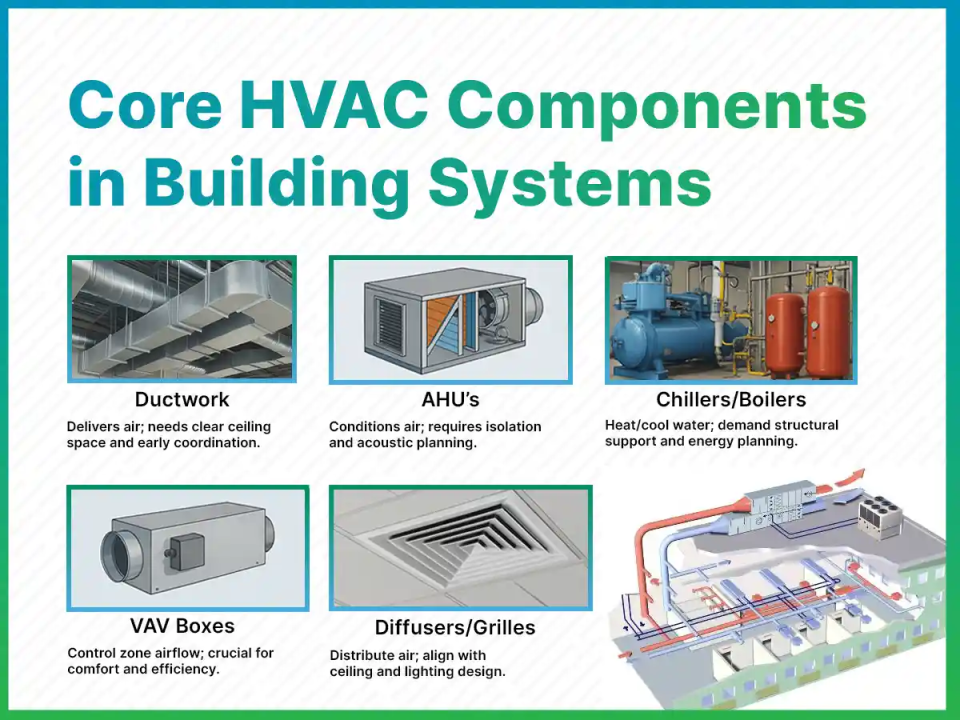
- Ductwork:These are the pathways that deliver heated or cooled air throughout your space.
- Ventilation:Ensures fresh air flows in and stale air flows out, improving indoor air quality.
Each component plays a vital role. Missing or malfunctioning parts can lead to poor performance or higher energy bills. Have you checked your system’s components recently?
Types Of Hvac Systems
Not all HVAC setups are the same. Knowing your system type helps you maintain it better and choose upgrades wisely.
- Split Systems:Most common type, with separate indoor and outdoor units. It’s easy to service and efficient.
- Hybrid Systems:Combine a furnace and electric heat pump for flexible heating options, depending on energy costs and weather.
- Ductless Systems:Ideal for homes without ducts, using individual units to heat or cool specific rooms.
- Packaged Systems:All-in-one units usually placed outside, perfect for buildings with limited indoor space.
Which type fits your space and needs? Sometimes a simple change can improve your comfort and reduce energy use.
Credit: www.tejjy.com
Heating Mechanism
The heating mechanism in an HVAC system keeps indoor spaces warm during cold weather. It transforms energy into heat and distributes it evenly. Different types of systems use various methods to generate heat. Understanding these helps you appreciate how your home stays comfortable.
Furnace Operation
A furnace burns fuel like gas, oil, or uses electricity to create heat. It heats air, which a blower pushes through ducts. The warm air moves into rooms through vents. A thermostat controls when the furnace turns on and off. It keeps the temperature steady and comfortable.
Heat Pumps Explained
Heat pumps transfer heat instead of creating it. They pull warmth from outside air or the ground. Even cold air has some heat energy. The pump compresses this heat and releases it inside. Heat pumps can also cool your home by reversing this process.
Boiler Systems
Boilers heat water, creating steam or hot water for heating. Pipes carry this heat to radiators or underfloor systems. The heat spreads through the home quietly and evenly. Boilers often use gas or oil as fuel. The thermostat manages the heat output to maintain comfort.
Cooling Process
The cooling process is at the heart of how your HVAC system keeps your home comfortable during hot days. Understanding how this process works can help you appreciate the technology and maybe even spot issues early. Let’s break down the main components and steps involved in cooling your space efficiently.
Air Conditioning Cycle
The air conditioning cycle is a continuous loop that moves heat from inside your home to the outside. It starts when warm air from your rooms is pulled into the system through return vents. This air then passes over cold coils, which lower its temperature before sending it back as cool air.
Think about the last time you felt a sudden blast of cold air after switching your AC on—it’s the cycle kicking into gear. This process repeats until the thermostat senses the room has reached your desired temperature.
Refrigerants Role
Refrigerants are special fluids that absorb heat from your indoor air and carry it outside. They change from liquid to gas and back again within the system, helping move heat efficiently. Without refrigerants, the cooling process wouldn’t work.
Have you ever noticed your AC’s coils get cold? That’s the refrigerant doing its job. Different refrigerants have different environmental impacts, so newer systems use options that are safer for the planet.
Evaporator And Condenser Functions
The evaporator and condenser are two crucial parts of the cooling process. The evaporator coil inside your home absorbs heat from the air, causing the refrigerant to evaporate into a gas. This cools the air, which then circulates back into your rooms.
Outside, the condenser coil releases the heat picked up by the refrigerant. It turns the refrigerant back into a liquid so it can repeat the cycle. If either coil gets dirty or blocked, your system struggles to cool effectively.

Credit: www.achrnews.com
Air Distribution
Air distribution is a crucial part of how your HVAC system keeps your home comfortable. It moves heated or cooled air throughout your living spaces, ensuring every room feels just right. Without proper air distribution, even the best HVAC system can fall short.
Ductwork Design
The design of your ductwork directly affects how well air flows in your home. Poorly designed ducts can cause uneven temperatures and wasted energy. You want ducts that are sized right, sealed tightly, and routed efficiently to deliver air where you need it most.
Have you noticed some rooms in your house feel hotter or colder than others? That’s often a sign of ductwork issues. Fixing leaks or redesigning ducts can make a big difference in comfort and energy bills.
Ventilation Importance
Ventilation brings fresh air into your home and pushes stale air out. It’s more than just air circulation—it impacts your health and indoor air quality. Without enough ventilation, pollutants and moisture can build up, leading to discomfort and even mold growth.
Think about how a stuffy room feels after a long day. Proper ventilation prevents that by constantly refreshing your indoor air. Does your HVAC system balance heating and cooling with good ventilation? If not, it might be time to adjust your setup.
Air Filters And Quality
Air filters trap dust, pollen, and other particles before the air reaches your rooms. Using the right filter keeps your air cleaner and protects your HVAC system from damage. Regularly changing filters ensures your system runs efficiently and your indoor air stays fresh.
Have you ever felt more allergies or sneezing indoors? Dirty filters could be the reason. Upgrading to higher-quality filters can improve your health and reduce cleaning time around the house.
Thermostat And Controls
The thermostat and controls are vital for any HVAC system. They help maintain comfort and efficiency. The thermostat acts as the brain, sending signals to the HVAC unit. Proper settings and smart technology can enhance system performance.
Temperature Regulation
The thermostat regulates indoor temperature. It reads the room’s current temperature. Then, it compares it to the desired setting. If the temperature is too low or high, the thermostat signals the HVAC system to adjust. This keeps the environment comfortable.
Smart Thermostats
Smart thermostats offer advanced features. They connect to Wi-Fi for remote access. Users can adjust settings from their smartphones. This convenience saves time and energy. Smart thermostats can learn your schedule. They adjust temperatures automatically, optimizing comfort and efficiency.
Energy Efficiency Settings
Energy efficiency settings reduce energy waste. Thermostats have energy-saving modes. These settings adjust temperatures during peak hours. Users can schedule temperature changes. This reduces HVAC energy usage when not needed. Efficient settings lower energy bills and benefit the environment.
Maintenance Tips
Proper maintenance keeps your HVAC system running smoothly. It lowers energy costs and prevents breakdowns. Regular care helps your system last longer and work better.
Routine Inspections
Check your HVAC system often for any visible issues. Look at vents, ducts, and the outdoor unit. Listen for unusual noises or smells. Schedule professional inspections at least once a year. Early detection prevents costly repairs.
Filter Replacement
Replace filters regularly to keep air clean and airflow steady. Dirty filters reduce efficiency and can cause damage. Check filters every month during heavy use. Use the correct filter size and type. Clean filters improve air quality and system performance.
Troubleshooting Common Issues
Identify simple problems before calling a technician. Check the thermostat settings if the system won’t start. Clear debris around the outdoor unit. Reset circuit breakers if the system stops working. Address small issues quickly to avoid bigger problems.
Energy Efficiency
Energy efficiency in your HVAC system directly affects your utility bills and comfort levels. Understanding how different components contribute to energy savings can help you make smarter choices for your home or office. You might be surprised how small changes can lead to significant improvements.
Seer And Afue Ratings
SEER (Seasonal Energy Efficiency Ratio) measures the cooling efficiency of air conditioners and heat pumps. The higher the SEER rating, the less energy your system uses to cool your space.
AFUE (Annual Fuel Utilization Efficiency) applies to furnaces and shows how efficiently fuel is converted into heat. A furnace with a 90% AFUE rating means 90% of the fuel becomes heat, while the rest is lost.
Checking these ratings before buying can save you a lot in the long run. Would you prefer a system that cuts costs or one that drains your wallet?
Insulation Impact
Good insulation keeps your home’s temperature stable, reducing the workload on your HVAC system. Poor insulation means your system has to work harder, consuming more energy.
Think about your home like a thermos bottle—if it leaks heat, your HVAC must fill in the gaps. Adding or upgrading insulation is often cheaper than paying for extra energy every month.
Ask yourself: Is your home holding the cool or warm air you pay for, or is it slipping away?
Upgrading Systems
Older HVAC units often lack modern energy-saving features. Upgrading to a newer model with better technology can cut your energy use dramatically.
Smart thermostats, variable-speed motors, and improved refrigerants are examples of upgrades that make a real difference. Sometimes, the upfront cost pays off quickly in lower bills.
Consider if your current system feels inefficient or costly—could an upgrade be the solution you’ve been avoiding?
Credit: projecthvac.com
Frequently Asked Questions
How Does An Hvac System Control Indoor Temperature?
An HVAC system regulates indoor temperature using heating and cooling components. It circulates air to maintain comfort. Thermostats control the system by signaling when to heat or cool. This ensures consistent temperature and energy efficiency in homes or buildings.
What Are The Main Components Of An Hvac System?
Key HVAC components include the furnace, air conditioner, heat pump, ductwork, and thermostat. The furnace heats air, the AC cools it, and ducts distribute air. The thermostat manages system operation, maintaining desired indoor conditions effectively.
How Often Should Hvac Systems Be Maintained?
HVAC systems should be maintained at least once a year. Regular maintenance improves efficiency, extends lifespan, and prevents breakdowns. Seasonal checks before summer and winter ensure optimal heating and cooling performance, saving energy and reducing costly repairs.
Why Is Ductwork Important In Hvac Systems?
Ductwork distributes heated or cooled air throughout a building. Properly sealed ducts improve airflow and energy efficiency. Leaky ducts waste energy and reduce comfort. Well-designed duct systems help HVAC units operate effectively, maintaining consistent indoor air quality.
Conclusion
An HVAC system keeps your home comfortable year-round. It moves warm or cool air where you need it. The system uses simple parts working together. Understanding these basics helps you care for your HVAC better. Regular maintenance keeps it running smoothly and saves energy.
Now, you know how HVAC works inside your home. A comfortable space is just a system away.



