

Have you ever wondered how doctors help patients breathe when their lungs can’t do the job alone? Understanding how positive pressure ventilation works can give you a clearer picture of this life-saving technique.
Whether you’re curious about medical treatments or want to know what happens behind the scenes in critical care, this article will guide you through the basics. By the end, you’ll see how this simple yet powerful method supports breathing and why it’s so important for many patients.
Keep reading to discover how positive pressure ventilation can literally give someone a new breath of life.

Credit: www.sciencedirect.com
Basics Of Positive Pressure Ventilation
Understanding the basics of positive pressure ventilation is essential if you want to grasp how modern breathing support works. This technique helps push air into the lungs, making it easier for patients who struggle to breathe on their own. Knowing the fundamentals can help you appreciate its role in emergency care and long-term respiratory support.
What Is Positive Pressure Ventilation
Positive pressure ventilation (PPV) is a method of assisting or replacing spontaneous breathing. It works by delivering air or a mixture of gases into the lungs under pressure. This pressure forces the airways to open and allows oxygen to reach the lungs more effectively.
Unlike normal breathing, where your lungs expand by pulling air in, PPV pushes air in from outside. This approach is critical when natural breathing fails due to illness or injury. Have you ever wondered how life-support machines keep people alive during severe respiratory distress? That’s the power of positive pressure ventilation.
Types Of Positive Pressure Ventilators
There are several types of ventilators designed to provide positive pressure ventilation, each tailored to different patient needs. Here are the main types:
- Volume-Controlled Ventilators:These machines deliver a set volume of air with each breath. They ensure the patient receives a consistent amount of air regardless of lung pressure.
- Pressure-Controlled Ventilators:These ventilators deliver air until a set pressure is reached, which helps protect delicate lungs from high pressure damage.
- Continuous Positive Airway Pressure (CPAP):CPAP provides a steady flow of air to keep airways open, often used in sleep apnea or mild breathing difficulties.
- Bilevel Positive Airway Pressure (BiPAP):This type offers two pressure levels—higher when you breathe in and lower when you breathe out—helping with more complex breathing problems.
Each type serves a unique purpose and is chosen based on the patient’s condition and respiratory needs. Understanding these options can help you make informed decisions if you or a loved one ever requires ventilatory support.
Mechanics Behind Positive Pressure Ventilation
Positive pressure ventilation helps patients breathe by pushing air into their lungs. It works by increasing pressure in the airways, forcing air in. Understanding how this process works clarifies its role in medical care.
Airflow And Pressure Generation
Positive pressure ventilation creates airflow by raising airway pressure. A machine delivers air at higher pressure than the surrounding environment. This pressure difference pushes air into the lungs.
The ventilator controls how much pressure to apply. Too much pressure can harm lungs. Too little pressure won’t provide enough air. The machine adjusts pressure carefully to match patient needs.
Role Of Tidal Volume And Respiratory Rate
Tidal volume is the amount of air moved in each breath. The ventilator sets this volume to ensure enough oxygen reaches the lungs. Too much tidal volume can overinflate lungs. Too little may cause inadequate oxygen supply.
Respiratory rate is how many breaths occur each minute. The ventilator controls this rate to match patient requirements. A proper rate helps maintain steady oxygen and carbon dioxide levels.
Physiological Effects On The Lungs
Positive pressure ventilation changes how air moves into your lungs, directly affecting lung function. Understanding these physiological effects helps you grasp why this method supports breathing effectively. Let’s look closer at what happens inside your lungs during this process.
Alveolar Inflation And Gas Exchange
Positive pressure ventilation pushes air into the alveoli, the tiny air sacs where oxygen and carbon dioxide exchange happens. This inflation keeps alveoli open, preventing collapse and improving oxygen delivery to your bloodstream.
Have you noticed how easy breathing feels after a deep breath? That’s because more alveoli open up, allowing better gas exchange. Positive pressure mimics this effect but more consistently, helping patients who struggle to breathe on their own.
When alveoli inflate properly, carbon dioxide removal improves as well. This balance is critical; without it, your body can’t get rid of waste gases efficiently. So, positive pressure ventilation helps maintain this vital balance, especially during respiratory distress.
Impact On Lung Compliance
Lung compliance refers to how easily your lungs expand and contract. Positive pressure ventilation affects this by changing the pressure inside the chest, making lung expansion easier or harder depending on the settings.
Think about blowing up a balloon. If the balloon is stiff, it’s hard to blow air inside. Positive pressure ventilation can help by applying enough force to overcome stiffness in your lungs, improving compliance.
However, if the pressure is too high, it might overstretch lung tissues, causing discomfort or damage. That’s why careful adjustment is crucial—you want to support lung expansion without causing harm. Are you aware of how delicate this balance can be in respiratory care?

Credit: www.jacc.org
Modes Of Ventilation And Their Functions
Positive pressure ventilation uses different modes to help patients breathe. Each mode controls how air moves into the lungs. The choice of mode depends on the patient’s needs and lung condition. Understanding these modes clarifies how ventilators support breathing.
Volume-controlled Ventilation
This mode delivers a set amount of air with each breath. The ventilator pushes the exact volume programmed by the healthcare team. Pressure may vary depending on lung stiffness or airway resistance. It ensures consistent air delivery for patients who cannot breathe on their own.
Pressure-controlled Ventilation
Here, the ventilator delivers air until a set pressure is reached. The volume of air can change based on lung compliance and resistance. This mode protects the lungs from high pressure damage. It suits patients with fragile or injured lungs needing gentle breaths.
Supportive Ventilation Modes
These modes assist patients who can breathe partly on their own. The ventilator supports each breath by adding pressure or volume. It reduces the work of breathing and improves comfort. Common supportive modes include:
- Pressure Support Ventilation (PSV)
- Synchronized Intermittent Mandatory Ventilation (SIMV)
- Continuous Positive Airway Pressure (CPAP)
Supportive modes help patients regain normal breathing gradually. They adjust support based on the patient’s effort and lung condition.
Monitoring And Adjusting Ventilation Settings
Monitoring and adjusting ventilation settings is a crucial aspect of positive pressure ventilation. It ensures that patients receive the right amount of air support tailored to their specific needs. This process requires careful observation and timely modifications to maintain optimal respiratory function.
Key Parameters To Monitor
There are several key parameters that you should keep an eye on. Tidal volume, which is the amount of air delivered to the lungs with each breath, is critical. It’s essential to ensure it aligns with the patient’s size and condition. Respiratory rate is another vital parameter, indicating how many breaths are delivered per minute. Too high or too low can stress the patient’s system.
Peak inspiratory pressure needs monitoring to prevent lung injury from excessive pressure. Keep an eye on oxygen saturation levels using a pulse oximeter. This will help ensure that the patient is receiving adequate oxygen.
Adjusting For Patient Needs
Every patient is unique, and their ventilation settings should reflect that. If you notice a patient struggling to breathe or showing signs of distress, it might be time to adjust the settings. Increase or decrease the tidal volume or respiratory rate based on their current needs.
Consider the patient’s comfort as well. If they appear agitated or uncomfortable, slight adjustments in settings might improve their experience. Regularly assess their response to changes and adjust accordingly.
Engage with the medical team to ensure that adjustments align with the overall treatment plan. Have you ever considered how crucial it is to balance patient comfort with medical necessity?
Benefits And Risks Of Positive Pressure Ventilation
Positive pressure ventilation helps patients breathe by pushing air into the lungs. It supports those with weak breathing muscles or lung problems. This method has both clear benefits and some risks. Understanding these helps caregivers and patients make informed choices.
Advantages In Respiratory Support
- Improves oxygen levels quickly in the blood.
- Reduces the work of breathing for tired lungs.
- Helps remove carbon dioxide effectively from the body.
- Supports patients during surgery or severe illness.
- Can prevent lung collapse by keeping airways open.
- Allows precise control over breathing rate and volume.
Potential Complications
- May cause lung injury if pressure is too high.
- Risk of infections due to breathing tube use.
- Can lead to dryness or damage in the airways.
- Possible discomfort or anxiety for some patients.
- May reduce blood flow to the heart and lungs.
- Requires careful monitoring by healthcare professionals.
Applications In Clinical Practice
Positive pressure ventilation is a vital tool in many healthcare settings. It helps patients breathe when they cannot do so effectively on their own. This technique pushes air into the lungs through a mask or tube. Its use spans several clinical areas, improving patient outcomes by supporting or taking over the breathing process.
Use In Critical Care
In critical care units, positive pressure ventilation supports patients with severe breathing problems. It assists those with respiratory failure, pneumonia, or chronic lung diseases. The machine controls the air pressure and volume to keep oxygen levels stable.
It also helps reduce the work of breathing. Patients who are very weak or unconscious often rely on this support. It allows their lungs to rest and heal while ensuring vital oxygen delivery.
Role In Anesthesia
During surgery, anesthesia can suppress natural breathing. Positive pressure ventilation ensures patients receive enough oxygen. It maintains steady airflow and prevents lung collapse during the procedure.
The ventilator settings are adjusted to match the patient’s needs. This control helps keep the patient safe and stable throughout the operation. It also aids in the quick recovery of normal breathing after anesthesia ends.
Credit: www.mdpi.com
Frequently Asked Questions
What Is Positive Pressure Ventilation In Simple Terms?
Positive pressure ventilation pushes air into the lungs using a machine. It helps patients breathe when natural breathing is insufficient or stopped. This method ensures oxygen reaches the lungs effectively, improving gas exchange and supporting life in critical care situations.
How Does Positive Pressure Ventilation Improve Breathing?
It forces air into the lungs during inhalation, increasing lung volume. This helps keep airways open and enhances oxygen delivery. By supporting lung expansion, it reduces breathing effort and improves overall respiratory function in patients with breathing difficulties.
When Is Positive Pressure Ventilation Typically Used?
It is used in hospitals for patients with respiratory failure or during surgery. It supports those unable to breathe independently due to illness, injury, or anesthesia. This ventilation method is vital in intensive care units and emergency situations.
What Are The Main Types Of Positive Pressure Ventilation?
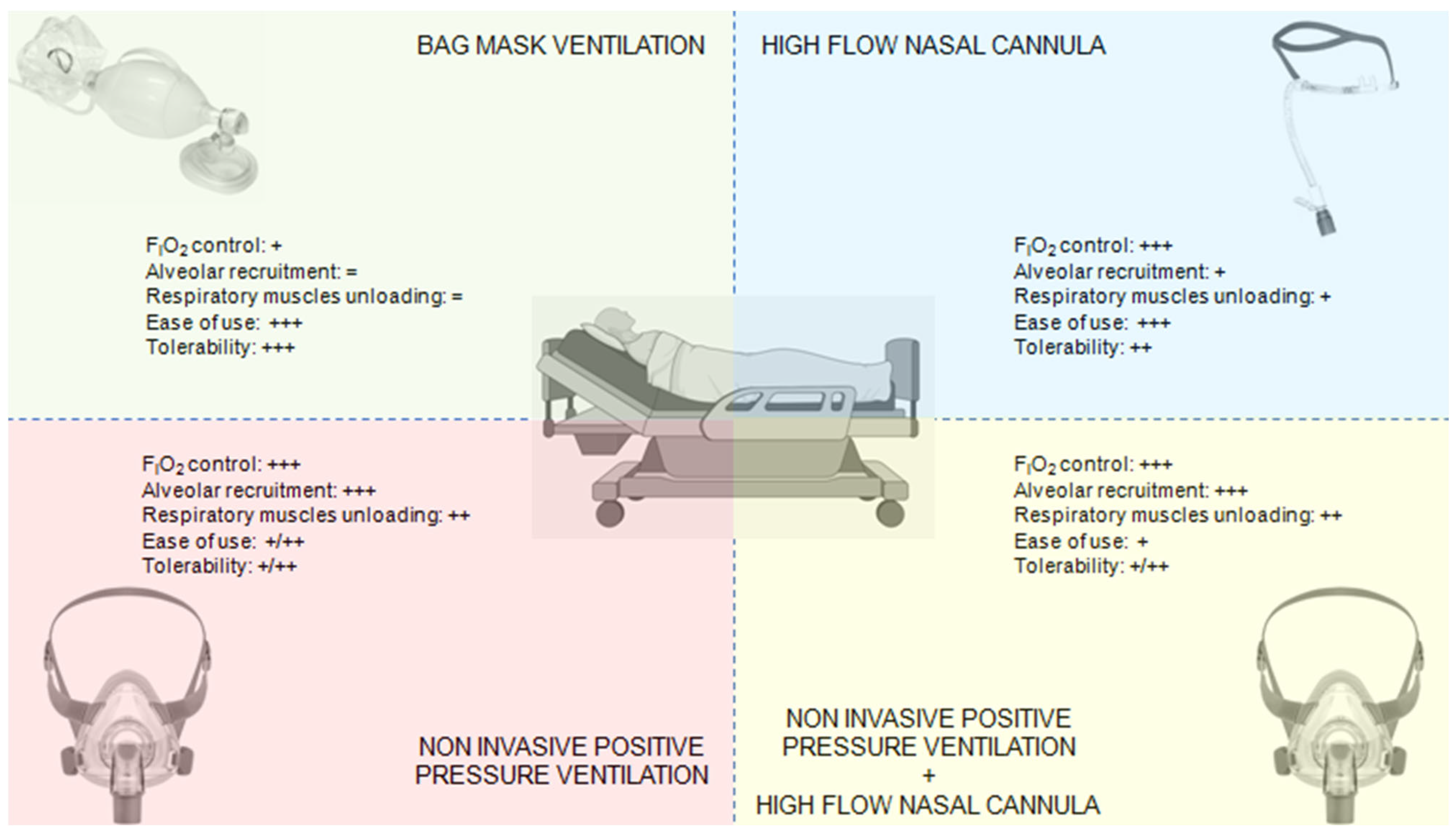
The primary types include invasive (via intubation) and non-invasive (using masks). Both deliver controlled air pressure but differ in application and patient comfort. Selection depends on patient condition, treatment goals, and clinical settings.
Conclusion
Positive pressure ventilation helps patients breathe by pushing air into the lungs. It supports those who cannot breathe well on their own. Machines carefully control air flow and pressure. This process improves oxygen levels and removes carbon dioxide. Healthcare providers monitor patients closely during ventilation.
Understanding how it works can ease concerns and build trust. Breathing support saves lives and aids recovery. It remains a vital tool in medical care today.



