
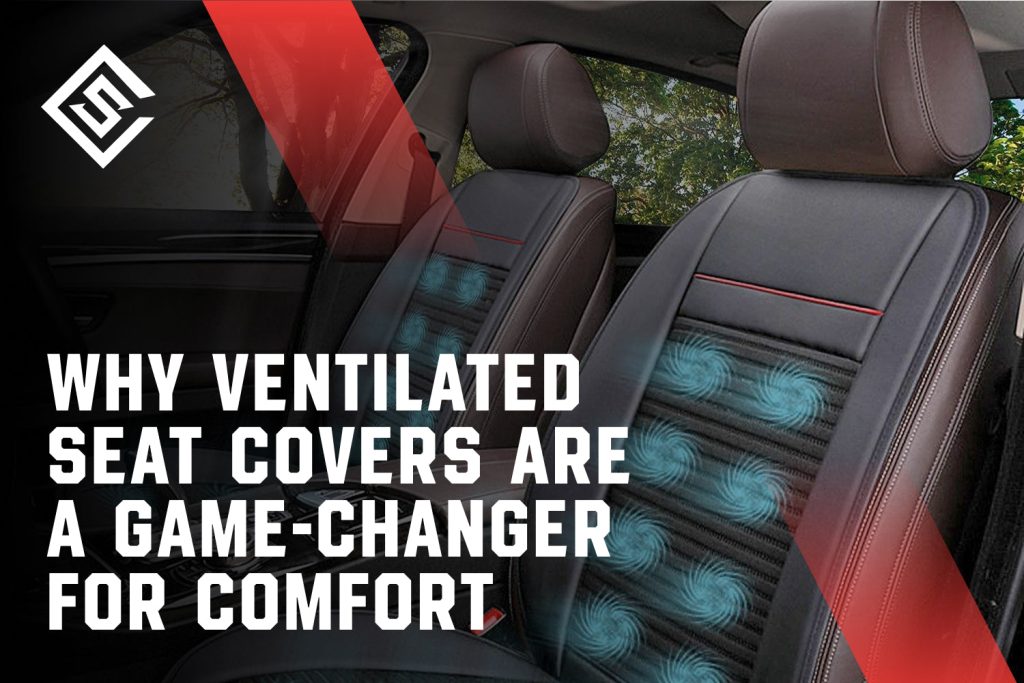
Have you ever wondered how ventilated seats keep you cool and comfortable, even on the hottest days? If you spend a lot of time driving or sitting in your car, this feature can make a big difference in your comfort.
But how exactly do ventilated seats work? Understanding this can help you appreciate the technology behind your ride and decide if it’s something you want in your next vehicle. Keep reading to discover the simple yet clever way ventilated seats keep you fresh and sweat-free, no matter the temperature outside.
Credit: www.autocarindia.com
Basics Of Ventilated Seats
Understanding the basics of ventilated seats can change the way you think about comfort in your vehicle. These seats don’t just cool the surface but create a refreshing airflow that keeps you comfortable during long drives or hot days. Let’s break down how they work so you can appreciate the technology next time you settle into your car.
Key Components
Ventilated seats rely on a few crucial parts working together smoothly.
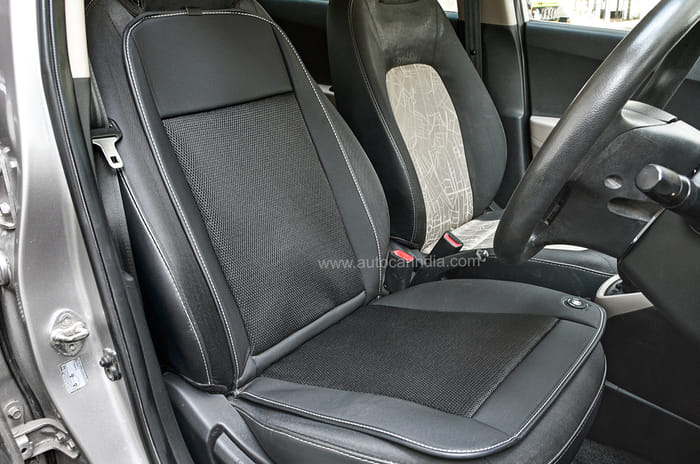
- Fans:Small, quiet fans are embedded inside the seat to push air through the seat’s surface.
- Perforated Seat Cover:The leather or fabric has tiny holes that allow air to flow through without compromising comfort.
- Air Ducts:Channels inside the seat guide the airflow from the fans evenly across the seating area.
- Control System:A button or dial lets you adjust the airflow to your preferred level.
Without these components working in harmony, the cooling effect wouldn’t be possible.
Airflow Mechanism
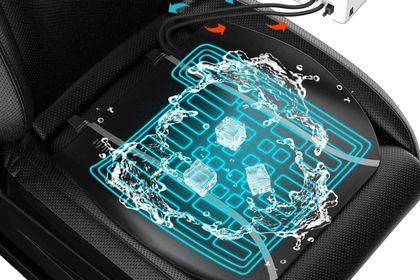
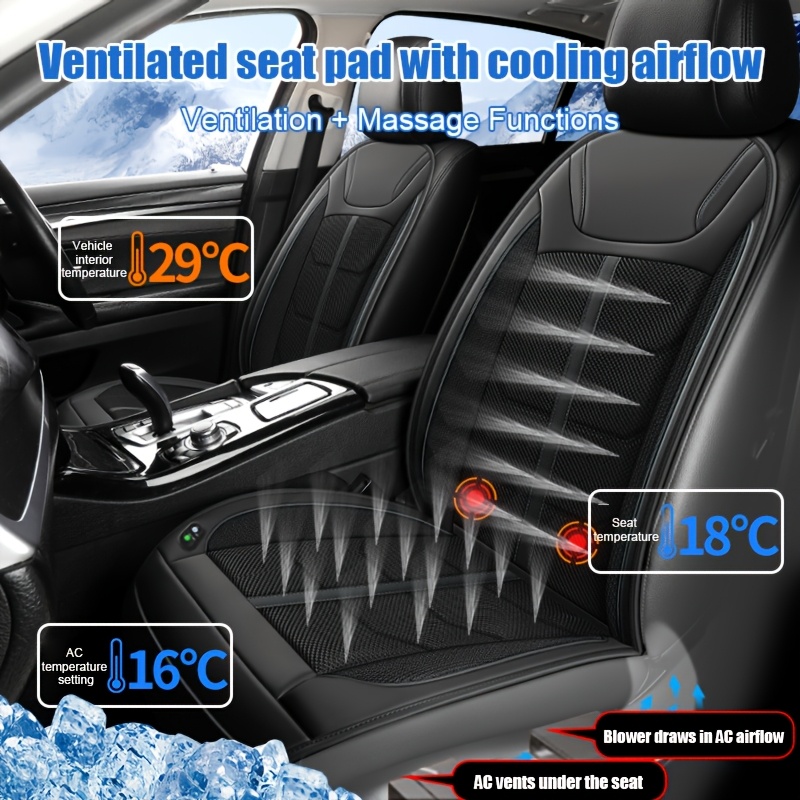
Airflow in ventilated seats works by drawing air from inside the vehicle’s cabin and pushing it through the seat’s perforations.
The fans create a gentle breeze that moves through the ducts and exits through the seat surface. This airflow helps evaporate sweat and reduces the heat trapped between you and the seat.
Ever noticed how your back feels less sticky after a drive with ventilated seats? That’s the airflow at work, preventing discomfort and keeping you fresh even when the sun is blazing outside.
Types Of Ventilation Systems
Ventilated seats come with different systems to keep you cool and comfortable during your drive. Understanding the types of ventilation systems can help you choose the right car or upgrade your current seat. Let’s break down how these systems work and what makes each unique.
Passive Ventilation
Passive ventilation uses the natural movement of air to cool the seat surface. It usually involves small perforations in the seat material that allow heat and moisture to escape.
This system doesn’t rely on fans or power, which means it won’t drain your car battery. However, its cooling effect is limited, mainly working when the car is moving or in a breezy environment.
Think about a warm day when you’re parked under the sun—passive ventilation won’t do much. But during a drive with the windows down, you might notice the seat feels less sticky.
Active Ventilation
Active ventilation takes comfort a step further by using built-in fans to circulate air through the seat. These fans pull air from inside the cabin and push it through the perforations, actively cooling the seat surface.
This system works even when your car is standing still, offering consistent comfort regardless of outside conditions. It’s especially useful in hot climates or for long trips when you want to avoid sweating.
Active ventilation often comes with adjustable settings, letting you control airflow intensity. Have you tried adjusting the fan speed in your car seats? It can make a surprising difference in how fresh you feel.
Benefits Of Ventilated Seats
Ventilated seats bring more than just a cool breeze to your ride—they transform how you experience driving. These seats use built-in fans to circulate air, helping you stay comfortable no matter the weather. Understanding their benefits can show you why they’re becoming a must-have feature in modern vehicles.
Temperature Regulation
Ventilated seats actively control the temperature around your body. Instead of just reacting to heat, they prevent it from building up by moving air through tiny perforations in the seat. This means you avoid that sticky, sweaty feeling during hot summer drives.
Imagine sitting in your car after it’s been parked under the sun all day. The ventilated seats start cooling immediately, reducing discomfort and making your drive more pleasant from the moment you get in.
Enhanced Comfort
Comfort isn’t just about temperature—it’s about how your body feels over time. Ventilated seats reduce moisture buildup, keeping the seat dry and fresh. This helps prevent irritation or that clammy sensation many experience after long trips.
Have you noticed how some seats feel like they cling to your clothes? Ventilation helps avoid that by maintaining airflow, so you can stay relaxed even on extended drives.
Health Advantages
Did you know ventilated seats can support your health? By reducing sweat, they lower the risk of skin irritation and rashes. For those prone to allergies or sensitive skin, this small change can make a noticeable difference.
Plus, better temperature control means less distraction from discomfort, helping you focus more on driving safely. Isn’t it worth having a feature that cares for your well-being while you’re on the road?
How Sensors Enhance Performance
Ventilated seats don’t just blow air randomly; they adjust their cooling power based on real-time data from sensors. These sensors help the system understand your comfort needs by monitoring conditions inside the seat. The result? A personalized experience that keeps you cool without wasting energy.
Temperature Sensors
Temperature sensors constantly measure the heat level of the seat surface and the air around it. When the seat gets too warm, these sensors signal the ventilation system to increase airflow. This prevents the seat from overheating and keeps you comfortable even on the hottest days.
Imagine sitting in your car after it’s been parked under the sun. Without temperature sensors, the seat would either stay hot or blow too much cold air, wasting energy. Instead, these sensors fine-tune the cooling to just the right level, making your ride more pleasant.
Humidity Sensors
Humidity sensors detect moisture levels on the seat’s surface, which is crucial when you sweat. When humidity rises, the ventilated seat boosts air circulation to help evaporate sweat quickly. This keeps you dry and reduces that sticky feeling many drivers dislike.
Have you ever noticed how uncomfortable it feels when your back gets sweaty during a long drive? Humidity sensors work quietly to prevent that discomfort by adjusting airflow based on moisture, not just temperature. This smart response makes a big difference in maintaining comfort.
Installation And Maintenance Tips
Installing and maintaining ventilated seats ensures their best performance. Proper setup avoids damage and maximizes comfort. Regular care extends their lifespan and keeps the system efficient.
Proper Installation
Choose a professional installer or follow manufacturer instructions carefully. Disconnect the car battery before starting the installation. Locate the seat wiring harness and attach the ventilated seat connector securely. Avoid sharp bends or pinching of wires to prevent damage. Test the seat ventilation system before reassembling the seat. Secure all components and ensure no loose parts remain. Proper installation guarantees safe and effective operation.
Cleaning And Care
Use a soft cloth to clean the seat surface gently. Avoid harsh chemicals that can damage the seat material or ventilation system. Vacuum the seat regularly to remove dust and debris from vents. Do not soak the seat with water or cleaning solutions. Check the fan vents for blockages and clear them carefully. Keep the system dry to prevent electrical issues. Regular cleaning maintains airflow and comfort during use.
Credit: www.cardekho.com
Comparing Ventilated Seats And Heated Seats
Ventilated seats use small fans to pull air through tiny holes in the seat surface. This airflow helps keep you cool by reducing sweat and heat buildup. Unlike heated seats, they focus on cooling rather than warming your body.
Comparing ventilated seats and heated seats helps drivers choose comfort features. Both options offer unique benefits for different weather conditions. Here’s a detailed look at their differences.Function Differences
Ventilated seats use fans to circulate air through the seat fabric. This keeps you cool in hot weather. Small perforations in the seat allow air to flow. The system reduces sweat and discomfort on long drives. Heated seats, on the other hand, use electrical heating elements. These elements warm up the seat surface. They provide comfort during cold weather. The warmth spreads quickly, offering a cozy ride in winter.When To Choose Each
Choose ventilated seats if you live in a hot climate. They help maintain a comfortable temperature on sunny days. Ventilated seats are ideal for reducing sweat during summer drives. Heated seats are perfect for those in colder regions. They offer warmth during chilly mornings and winter nights. Heated seats provide instant relief from the cold, making drives more pleasant. Understanding these features helps in making informed decisions. Choose based on your climate and personal comfort needs.Future Innovations In Seat Ventilation
The future of seat ventilation promises exciting changes. Technology and design work together to improve comfort. Innovations aim to make seats cooler, smarter, and eco-friendly. These advances will enhance driving and riding experiences.
Smart Controls
Smart controls allow users to adjust seat ventilation easily. Sensors can detect body temperature and adjust airflow automatically. Mobile apps may control seat settings remotely. Voice commands could activate ventilation without manual effort. These features create a more personalized and convenient experience.
Sustainable Materials
Sustainable materials reduce environmental impact in seat manufacturing. Recycled fabrics and eco-friendly foams are becoming common. These materials improve breathability and durability of seats. Using green materials supports a cleaner planet. Comfort and sustainability go hand in hand in future designs.
Credit: www.temu.com
Frequently Asked Questions
How Do Ventilated Seats Improve Comfort?
Ventilated seats circulate air through perforations to reduce heat and moisture. This keeps you cool and dry during drives, enhancing overall comfort, especially in hot weather.
Are Ventilated Seats Different From Heated Seats?
Yes, ventilated seats cool by circulating air, while heated seats warm the surface. Both improve comfort but serve opposite temperature needs.
What Technology Powers Ventilated Seats?
Small fans or blowers embedded in the seat base push air through tiny holes. This airflow helps evaporate sweat and cools the occupant naturally.
Do Ventilated Seats Consume More Car Battery Power?
Ventilated seats use minimal power from the car battery. The small fans operate efficiently and have little impact on overall energy consumption.
Conclusion
Ventilated seats keep you cool by moving air through small holes. They use fans to blow air, reducing sweat and discomfort. This feature helps drivers and passengers stay fresh on hot days. Many cars now include ventilated seats for better comfort.
Understanding how they work can help you appreciate this simple technology. It’s a smart way to improve your driving experience. Whether on long trips or daily drives, ventilated seats make a difference. Comfort matters, and ventilated seats deliver it quietly and effectively.



