
When setting up your living room, one small detail can make a big difference: the distance between your coffee table and couch. You might not realize it, but how far your coffee table sits from your couch affects comfort, style, and even safety.
Too close, and you risk bumping knees or cluttered space; too far, and reaching for your drink or remote feels like a stretch. You’ll discover the perfect distance that balances convenience and design, making your living space both functional and inviting.
Keep reading to find out how to create the ideal setup for your home.
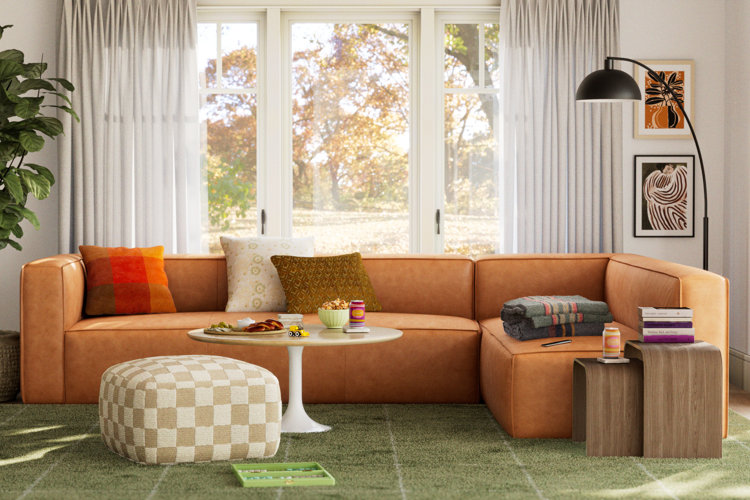
Credit: www.wayfair.com
Ideal Distance Between Couch And Coffee Table
Finding the ideal distance between a couch and a coffee table is key for comfort and style. It helps create a balanced and functional living space. This distance affects how easily you reach for items on the table and move around the area. The right spacing improves flow and keeps the room inviting.
Standard Spacing Guidelines
The common rule suggests keeping 14 to 18 inches between the couch and coffee table. This range allows enough space to walk and stretch legs comfortably. Less than 14 inches can feel cramped, while more than 18 inches might make reaching the table difficult.
For smaller rooms, aim for the lower end of this spacing. Larger rooms can handle a bit more distance without losing coziness.
Factors Influencing Distance
- Size of the coffee table: Bigger tables need more space.
- Height of the couch: Taller couches might require slightly more gap.
- Room layout: Open layouts allow more flexibility in spacing.
- Purpose: If the table is mainly for decor, spacing can be wider.
Adjusting For Room Size
In small rooms, prioritize ease of movement over perfect spacing. Use compact tables or multifunctional pieces to save space. Keep at least 12 inches for comfort.
Large rooms offer freedom to increase distance without losing connection. Consider adding rugs or seating to fill gaps and keep the space warm.
Measuring The Perfect Gap
Measuring the perfect gap between your coffee table and couch requires precision. This distance impacts both comfort and aesthetics in your living space. Achieving the right gap ensures easy access and a pleasing look. Let’s explore the best ways to measure this space.
Using A Tape Measure Effectively
A tape measure is your best tool for accurate measurement. Begin by extending the tape from the edge of the couch. Measure to the nearest edge of the coffee table. Aim for a distance between 16 to 18 inches. This range offers enough space for movement and accessibility. Repeat the measurement a few times to confirm accuracy. Always keep the tape straight and level for best results.
Common Measurement Mistakes
Avoid common mistakes while measuring. Don’t measure from the couch’s backrest. Always measure from the front edge of the seating. Ensure the coffee table is in its intended position during measurement. Avoid estimating the distance by sight. This often leads to incorrect spacing. Be precise with each measurement for the best outcome.
Visualizing The Space
Visualizing the space helps in understanding the setup. Stand back and observe the arrangement from different angles. Check if the gap looks comfortable and functional. Consider if the space allows easy movement around the table. Visual balance is key to a well-designed room. Use your judgment to adjust the table if needed.
Comfort And Accessibility
Comfort and accessibility are key when deciding how far your coffee table should be from your couch. The right distance lets you relax without stretching too much or feeling cramped. It also helps everyone move around freely and safely, making your living space more inviting and practical.
Allowing Easy Movement
Think about the flow of traffic in your room. You want enough space so people can walk around the coffee table without bumping into it or the couch. A gap of about 18 inches usually works well, giving you room to move comfortably.
I once arranged my living room with only a 12-inch gap, and guests kept knocking their knees. Adjusting to 18 inches made a noticeable difference. Try imagining walking through your space holding a tray—would you feel cramped or free?
Reaching The Table With Ease
Your coffee table should be close enough to grab your coffee or book without leaning awkwardly. About 18 inches is also the sweet spot here, letting you reach items easily while staying relaxed on the couch.
If your table is too far, you might strain your back or spill drinks. Too close, and it feels like you’re constantly bumping your knees. Consider how you use your table daily—are you often stretching or comfortably relaxed?
Ensuring Safety In Tight Spaces
Small rooms require special attention to avoid accidents. If space is limited, reduce the gap to around 14 inches but watch for sharp edges or unstable furniture that could cause trips or falls.
- Use rounded coffee tables to minimize injury risks.
- Keep pathways clear from clutter to prevent tripping.
- Test different distances by walking around before settling.
What’s your biggest challenge when arranging furniture? Sometimes, a small tweak in distance can improve both comfort and safety dramatically.
Styles And Layouts Affecting Spacing
Spacing between your coffee table and couch depends heavily on the style and layout of your living area. Different furniture sizes and room arrangements call for adjustments to keep the space functional and inviting. Understanding these factors helps you create a balanced look without crowding or awkward gaps.
Small Vs Large Coffee Tables
A smaller coffee table usually needs to be placed closer to the couch—around 12 to 16 inches—to maintain easy reach. Larger tables, on the other hand, require more distance, often 18 to 24 inches, so people can move around comfortably without bumping into the table.
Think about the height too. If your coffee table is much lower or higher than your couch seat, you might want to adjust the distance to keep it practical for placing drinks or snacks. Have you noticed how some tables feel just right while others seem awkwardly far or too close?
Sectional Sofas And L-shaped Arrangements
Sectionals and L-shaped sofas change the dynamics entirely. They create a corner that often benefits from a larger, central coffee table or even multiple smaller tables.
Spacing here depends on the flow of movement. You want to leave at least 18 inches between the table and the couch edges, so everyone can get in and out easily without knocking over cups or feeling cramped.
How you use the space matters too—if you entertain a lot, a bit more room around the table can encourage mingling and comfort.
Open Plan Vs Defined Rooms
In open-plan living areas, the coffee table acts as a visual anchor between the couch and other spaces like the dining or kitchen area. You might space it slightly farther away, around 20 to 24 inches, to keep the flow open and prevent the living area from feeling boxed in.
Defined rooms allow for tighter spacing because walls and other furniture naturally contain the area. Here, placing the coffee table closer, around 12 to 18 inches, can make the space feel cozy and intentional.
Have you tried moving your coffee table a few inches closer or farther and noticed how it changes the whole vibe of your room? That’s the power of understanding your style and layout.
Alternative Coffee Table Placements
Exploring different placements for your coffee table can refresh your living room’s look. Alternative arrangements break the usual rules and add a unique touch. These options can improve flow and make your space feel more open and inviting.
Angled Positioning
Placing the coffee table at an angle to the couch adds visual interest. It creates a dynamic feel and softens straight lines. This layout works well in rooms with odd shapes or tight spaces. Angle the table slightly to keep it easy to reach from the couch.
Floating Tables
Floating coffee tables do not sit directly against the couch. They leave space all around, making the room feel airy. This setup allows easy walking paths and flexible seating arrangements. Choose a lightweight table with legs or a pedestal base for this style.
Using Multiple Smaller Tables
Multiple small tables can replace one large coffee table. Arrange them together or spread them around the seating area. This option offers versatility and extra surface space. Move tables as needed for snacks, drinks, or decor.

Credit: sohnne.com
Tips For Different Room Types
Finding the perfect distance between your coffee table and couch can change how comfortable and functional your space feels. Different rooms have unique needs, so adjusting the gap based on the room type ensures both style and ease of use. Let’s look at some practical tips tailored to living rooms, studio apartments, and office lounges.
Living Rooms
In living rooms, aim for about 18 inches between your coffee table and couch. This distance lets you reach snacks or drinks easily without bumping knees.
Think about traffic flow too. Keep enough space for people to walk around comfortably without feeling cramped.
If you entertain often, a slightly larger gap gives guests room to move. But if your living room is cozy, closer spacing can promote a warm, inviting vibe.
Studio Apartments
Space is tight in studio apartments, so the coffee table should sit closer—around 12 to 15 inches from the couch.
This keeps the area functional without overcrowding. You want to maximize every inch without sacrificing comfort.
Consider multi-purpose tables that can double as storage or extra seating to make the most of limited space.
Office Lounges
In office lounges, the coffee table should be about 18 to 24 inches from seating. This allows for easy access while keeping a professional, open feel.
Since people use these spaces briefly, prioritize clear pathways and avoid overcrowding the area.
Pick tables that encourage casual conversation but don’t take up too much room—think sleek and simple designs.

Credit: www.apt2b.com
Frequently Asked Questions
How Far Should A Coffee Table Be From A Couch?
The ideal distance is 14 to 18 inches. This space allows easy reach without crowding. It balances comfort and functionality perfectly.
Why Is Coffee Table Distance Important?
Proper spacing ensures comfort and easy access. It prevents clutter and allows smooth movement in the living area. This enhances both aesthetics and usability.
Can A Coffee Table Be Closer Than 14 Inches?
Yes, but less than 14 inches may feel cramped. It can restrict legroom and cause discomfort. Keeping at least 14 inches is recommended for comfort.
Does Couch Height Affect Coffee Table Distance?
Yes, taller couches may need slightly more distance. This ensures proportional spacing and comfortable reach. Adjust distance based on couch and table heights.
Conclusion
A coffee table should sit close enough for comfort. About 18 inches from the couch works well. This distance lets you reach drinks or books easily. It also keeps the space open and inviting. Too close feels cramped. Too far feels disconnected.
Find a balance that fits your room size and style. A well-placed table makes your living room cozy and practical. Try different spots until it feels just right. Your space, your comfort. Simple and smart.



