
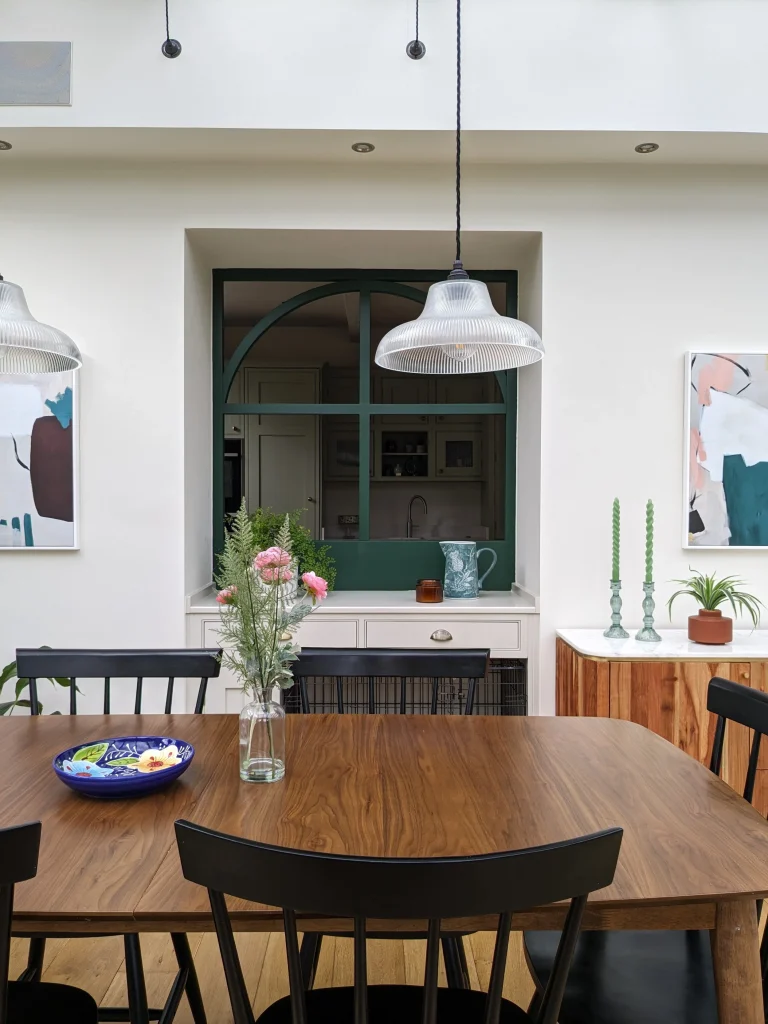
Are you struggling to figure out the perfect distance between your pendant lights? Getting the spacing just right can transform your space, making it both beautiful and functional.
Too close, and your room feels cluttered; too far apart, and the lighting won’t do its job. You’ll discover simple tips that will help you create the ideal balance. Keep reading to learn how to make your pendant lights shine exactly the way you want.
-1.png?w=1312&h=736)
Credit: www.homdiyhardware.com
Choosing Pendant Light Size
Choosing the right size for pendant lights is key to both function and style. The size affects how much light spreads and how the space feels. Small pendants offer subtle lighting and work well in compact areas. Large pendants create a bold statement and provide more light. Understanding these differences helps set the right distance between lights.
Small Vs Large Pendants
Small pendants usually measure under 12 inches in diameter. They suit narrow counters and tight spaces. These lights add detail without overwhelming the room.
Large pendants are often 12 inches or wider. They become a focal point and fill larger areas with light. Large pendants work well over big islands or dining tables.
Impact On Spacing
Small pendants need less space between each fixture. A good rule is to leave 24 to 30 inches apart. This spacing avoids clutter and keeps the look balanced.
Large pendants require more distance to prevent crowding. Spacing of 30 to 36 inches is typical. This gap allows each pendant to shine on its own.
Consider ceiling height and room size when spacing pendants. Proper distance enhances both lighting and room flow.
Measuring Pendant Light Distance
Measuring the distance between pendant lights is key for both style and function. Proper spacing ensures even light coverage and a balanced look. It also helps avoid glare and shadows, making the space comfortable and inviting.
Distance varies by room type and purpose. Below, learn how to space pendant lights for common areas like kitchen islands, dining tables, and living rooms.
Spacing For Kitchen Islands
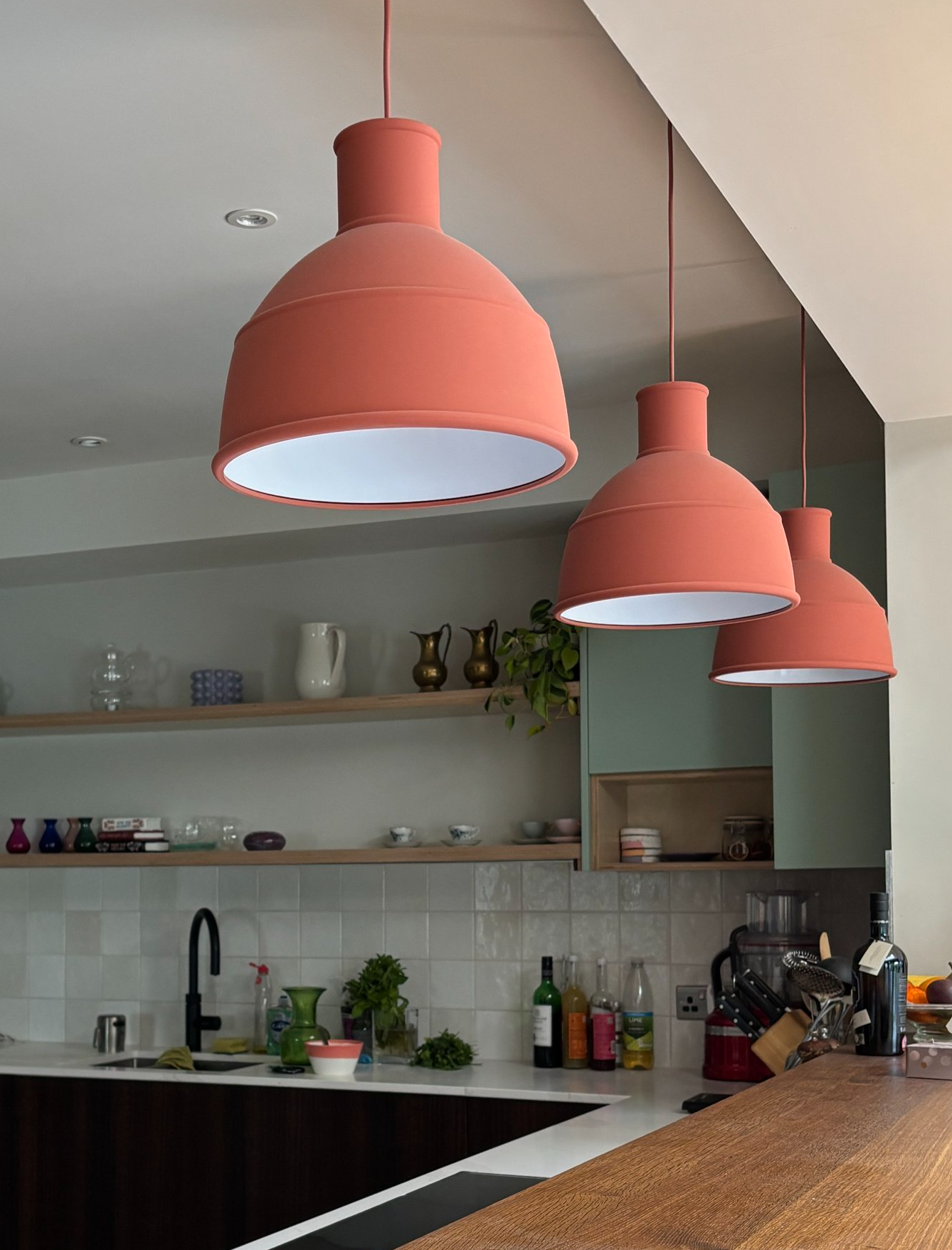
Pendants over kitchen islands should hang in a line. Keep them 24 to 30 inches apart. This spacing lights the whole island evenly.
Mount the pendants 30 to 36 inches above the countertop. This height lets you work without shadows or glare. If the island is large, add more lights but keep the same distance.
Spacing For Dining Tables
Space pendant lights 28 to 34 inches apart above dining tables. The goal is to light the table’s surface uniformly.
Hang the pendants 30 to 36 inches above the table. This height creates a cozy, well-lit dining area. For longer tables, use multiple pendants spaced evenly.
Spacing In Living Areas
In living rooms, pendant spacing depends on the room size and ceiling height. Space lights 3 to 5 feet apart for general lighting.
Hang pendants high enough to avoid head bumps—usually 7 feet from the floor. Group pendants or use clusters to add style and light where needed.
Height And Placement Factors
Pendant lights add charm and style to any space. Proper placement enhances their impact. Factors like height and distance between lights matter. They influence the room’s ambiance and functionality. Considerations vary based on ceiling height and room size.
Ideal Hanging Height
The ideal height for pendant lights is crucial. Hang them 30 to 36 inches above a table or countertop. This ensures enough light without obstruction. For open spaces, hang them 60 to 72 inches from the floor. This height suits most rooms, providing a balanced look.
Adjusting For Ceiling Height
Ceiling height affects pendant light placement. Higher ceilings need longer suspensions. This maintains the visual connection. For 8-foot ceilings, stick to the standard heights. With 10-foot ceilings, extend the chain or cord by 6 to 12 inches. This adjustment keeps the light at eye level for most people.
Credit: www.nospacelikehome.uk
Balancing Light And Aesthetics
Finding the right distance between pendant lights is key to balancing light and aesthetics in your space. Too close, and the lights can feel cramped and harsh; too far apart, and the room might look unevenly lit or disconnected. You want to create a setting where the lights complement the room’s style while providing enough brightness for comfort and function.
Creating Visual Harmony
Visual harmony happens when your pendant lights align well with the room’s size, furniture, and overall design. Think about the shape and length of the fixtures—do they flow with the lines of your countertop or dining table? Placing pendants evenly spaced helps your eyes move naturally across the room without distraction.
One trick is to measure the length of your surface and divide it by the number of lights plus one. This simple formula often gives you a balanced spacing that looks intentional and neat. Have you ever walked into a room where the lighting felt off? That’s usually a sign the spacing wasn’t quite right.
Avoiding Overcrowding
Overcrowding your ceiling with too many pendant lights can make a space feel busy and overwhelming. Each light should have enough breathing room to shine on its own without competing with its neighbors. A good rule is to leave at least 12 to 18 inches between the edges of adjacent pendants.
Remember, pendant lights are not just about function—they’re design pieces too. Crowding them can take away from their style and reduce the impact of each fixture. Ask yourself: does each light add to the room’s personality, or does it get lost in a cluster?
Common Spacing Mistakes
Pendant lights can change a room’s feel and function. Spacing them right is key. Many make common spacing mistakes that hurt the design and lighting quality. Avoid these errors to get the best look and light.
Too Close Or Too Far
Placing pendant lights too close creates clutter and harsh shadows. It limits light spread and looks crowded. Lights too far apart cause dark spots and weak illumination. The space between lights should balance brightness and style.
Ignoring Room Size
Room size affects how far apart pendant lights should be. Small rooms need closer spacing for even light. Large rooms require wider gaps to cover the area well. Ignoring room size leads to poor lighting and awkward design.
Tools And Tips For Installation
Installing pendant lights at the right distance requires proper tools and careful planning. Using the correct tools ensures accuracy and safety. Simple tips can make the process easier and more efficient. Preparation is key to achieving balanced lighting and a neat look.
Using Measuring Tools
Use a tape measure to check distances between lights and walls. A laser level can help keep the lights aligned perfectly. A pencil and ruler are handy for small adjustments. Measure twice to avoid mistakes. Accurate measurements prevent uneven gaps and poor lighting.
Marking Placement Points
Mark spots on the ceiling where each pendant will hang. Use a pencil to make light marks that can be erased later. Mark both the center of the fixture and the wire location. Check marks from different angles to confirm spacing. Clear marks guide you during installation and save time.
.png?w=1312&h=736)
Credit: www.homdiyhardware.com
Frequently Asked Questions
How Far Apart Should Pendant Lights Be Hung?
Pendant lights should be spaced 24 to 30 inches apart. This spacing ensures balanced light distribution and prevents clutter. Adjust based on fixture size and room dimensions for optimal illumination and aesthetics.
What Distance From Ceiling Suits Pendant Lights?
Hang pendant lights 30 to 36 inches above countertops or tables. This height offers functional lighting without obstructing views. For higher ceilings, increase distance slightly for proportional appearance and effective illumination.
How To Space Multiple Pendant Lights Evenly?
Measure the total length of the area and divide by the number of pendants plus one. This method creates consistent spacing and a harmonious look. Ensure enough clearance between lights for comfortable use and visual balance.
Does Pendant Light Spacing Depend On Fixture Size?
Yes, larger pendants need more space, typically 30 inches or more. Smaller fixtures can be spaced closer, around 24 inches. Proper spacing prevents overcrowding and maintains design flow.
Conclusion
Pendant lights create style and light in any room. Keep them about 24 to 30 inches apart for balance. This distance works well over kitchen islands or dining tables. It helps light spread evenly without glare. Too close feels crowded; too far leaves dark spots.
Adjust the height too, so the light hits right. Small changes make a big difference in your space. Choose spacing that fits your room size and needs. Simple steps lead to a cozy, well-lit home.



