
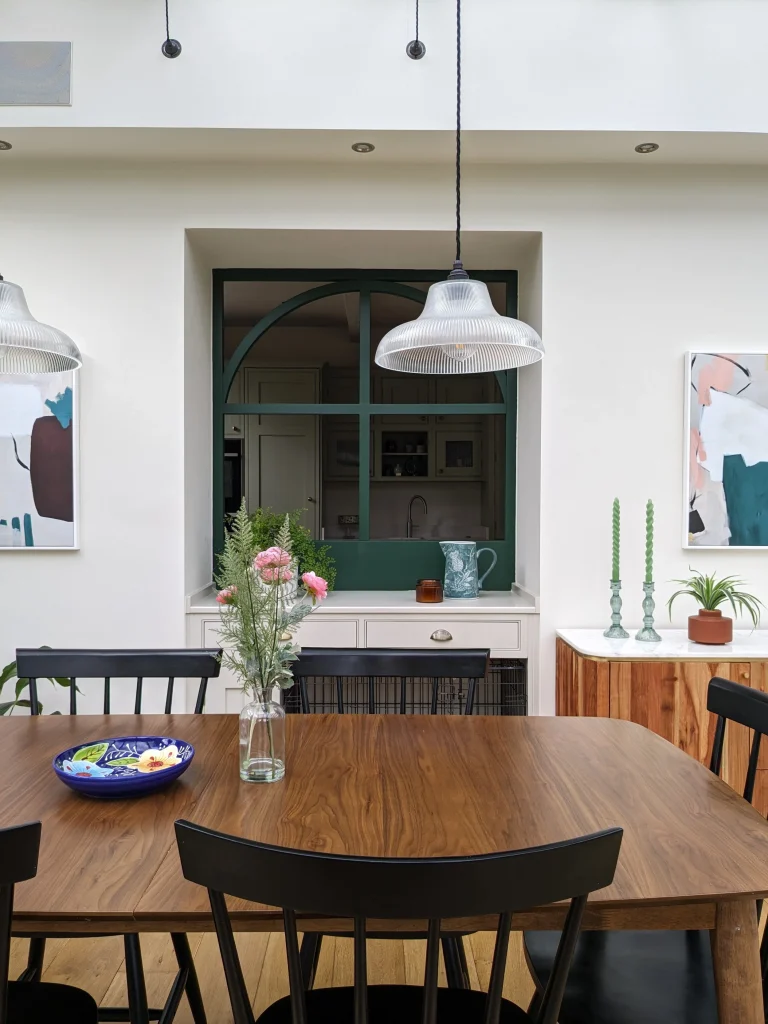
When it comes to lighting your space, pendant lights are a stylish and functional choice. But have you ever wondered how far apart pendant lights should be?
Getting the spacing right can make all the difference in creating the perfect atmosphere, whether in your kitchen, dining area, or living room. Too close, and your space might feel crowded; too far, and you could end up with uneven lighting.
You’ll discover simple tips and expert advice to help you find the perfect balance. Keep reading to transform your space with the right pendant light placement.
Choosing Pendant Light Size
Choosing the right size for your pendant lights can change the entire look and feel of your space. It’s not just about picking something that looks good but finding a size that fits well with your room and furniture. Getting this balance right makes your lighting both stylish and functional.
Matching Scale To Room Size
Think about the size of your room before selecting pendant lights. A large room can handle bigger pendants or multiple smaller ones spaced out. In a small room, large fixtures might feel overwhelming or cluttered.
Have you noticed how tiny lights seem lost in a big dining area? That’s because they don’t match the room’s scale. Aim for fixtures that complement, not compete, with the space.
One easy way to check scale: measure your room’s width and length in feet, then add those numbers together. Use that total in inches to guide your pendant size. For example, a 12×14 foot room adds up to 26 feet, so a pendant around 26 inches wide would work well.
Considering Fixture Dimensions
Besides the overall size, pay attention to the shape and height of your pendant light. A tall, narrow fixture might fit better over a kitchen island, while a wide, flat pendant suits a dining table.
You want to leave enough space between the lights and your head or the table surface. Usually, pendants should hang 28 to 34 inches above a table or countertop. This height keeps the light effective without blocking views or movement.
Also, think about how many pendants you’ll use and how far apart they should be. If your fixture is 10 inches wide, placing pendants about 24 to 30 inches apart often looks balanced. Too close, and it feels crowded; too far, and the lighting may be uneven.
-1.png?w=1312&h=736)
Credit: www.homdiyhardware.com
Spacing Between Pendant Lights
Proper spacing between pendant lights creates balance and enhances room design. It affects both function and style. The right distance ensures good lighting without crowding or shadows. Consider room size, pendant size, and ceiling height when spacing lights.
General Distance Guidelines
Space pendant lights about 24 to 30 inches apart. Measure from the center of one light to the center of the next. For larger pendants, increase spacing to 30 to 36 inches. For smaller pendants, 20 to 24 inches often works well. In kitchens or dining rooms, keep pendants 28 to 34 inches above the table surface.
Adjusting For Light Output
Bright pendants need more space to avoid glare. Dimmer or smaller lights can be placed closer. Check the wattage or lumens to guide spacing decisions. High-output pendants spaced too close create harsh lighting. Low-output pendants spaced too far leave dark spots. Balance light output with spacing for even illumination.
Height Placement Tips
Height placement of pendant lights can significantly transform a room’s appearance and functionality. The right height not only enhances the aesthetic appeal but also optimizes the lighting’s practical use. Let’s dive into some essential tips to ensure your pendant lights are perfectly placed.
Optimal Hanging Height
Finding the optimal hanging height can feel like a bit of a balancing act. A general rule of thumb is to hang pendant lights 30 to 36 inches above surfaces like tables or countertops. This height ensures ample light without obstructing views or conversations.
In a room with higher ceilings, consider hanging the lights a bit higher. It maintains proportion and ensures the light spreads effectively across the space. Remember, your ceiling height and the light’s purpose play a crucial role here.
Impact On Room Ambiance
Pendant lights do more than illuminate; they set the mood. A lower hanging light creates a cozy, intimate atmosphere, perfect for dining areas. Conversely, a higher fixture can make a room feel more open and airy.
Think about the room’s function. In a kitchen, you might want brighter, focused light for tasks. In a lounge, a softer glow enhances relaxation. How do you want your space to feel?
By considering these height placement tips, your pendant lights won’t just brighten a room—they’ll elevate its entire ambiance.
Spacing Above Kitchen Islands
Spacing pendant lights above your kitchen island can change the entire look and feel of the space. It’s not just about aesthetics; proper spacing impacts how well the area is lit and how comfortable it feels. Getting this right means your kitchen island becomes a perfect spot for cooking, chatting, or working.
Aligning With Counter Dimensions
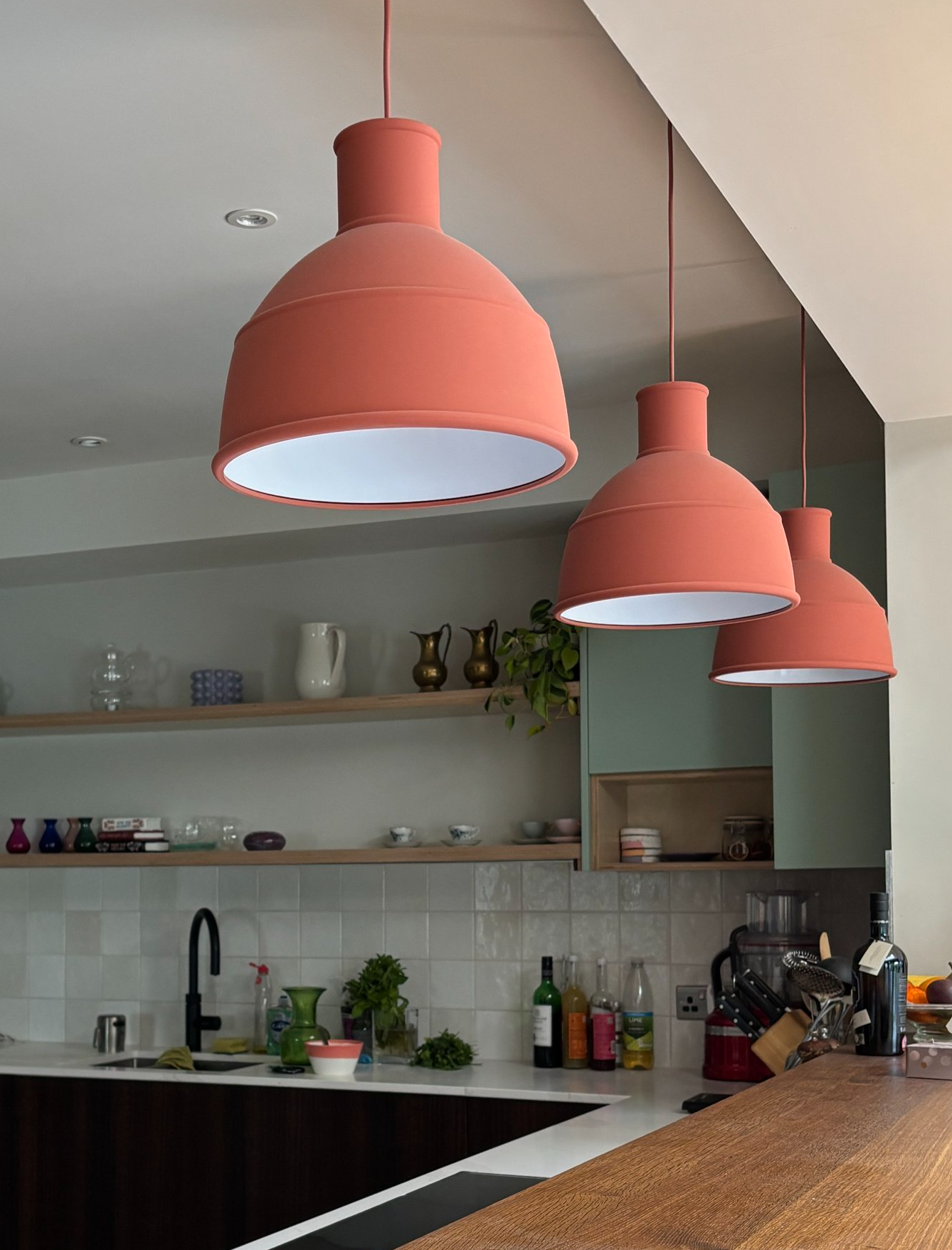
Start by measuring your kitchen island’s length and width. The general rule is to leave about 28 to 34 inches between each pendant light. This spacing ensures each light covers enough surface without overlapping too much.
For example, if your island is 72 inches long, placing three pendant lights about 24 inches apart works well. Make sure the lights don’t hang too close to the edges—leaving 6 to 10 inches from each end keeps the setup balanced.
Balancing Function And Style
Think about what you use your island for. If it’s your main prep area, brighter and evenly spaced lights help you see better. If it’s more for casual dining or entertaining, you might want softer, mood-setting lighting.
You can mix styles to add personality but keep the size and spacing consistent. Too many large pendants too close together can crowd the space, while too few lights far apart might leave dark spots.
Ask yourself: Does the lighting make your tasks easier? Does it match your kitchen’s vibe? Adjust spacing based on how you use the island every day.
Spacing Over Dining Tables
Spacing pendant lights over dining tables is more than just a measurement task; it shapes the entire dining experience. Proper spacing ensures each light complements the table’s size and style while providing enough brightness without glare. Getting this right changes how you and your guests interact with the space—comfortably and visually.
Centering And Even Distribution
Center your pendant lights directly above the dining table’s length and width. This alignment helps create a balanced look and prevents awkward shadows during meals. If you have multiple pendants, space them evenly to avoid clustering lights in one area.
A good rule is to leave about 24 to 30 inches between each pendant. This distance keeps each light from overpowering its neighbor but still allows them to work together. Think about the table’s shape too; a rectangular table might need a row of pendants, while a round table may look best with a single centered fixture.
Creating Visual Harmony
Visual harmony ties the room together and makes your dining area inviting. Consider the pendant size relative to your table—too big or too small disrupts the balance. If your table is six feet long, hanging two to three pendants spaced evenly creates a pleasing rhythm.
Think about your ceiling height as well. Higher ceilings allow for more space between the pendants and the table, while lower ceilings need fixtures hung closer to avoid overwhelming the space. Ask yourself: Does the lighting arrangement feel like part of the room, or does it stick out awkwardly?
Credit: www.nospacelikehome.uk
Spacing In Living Areas
Proper spacing of pendant lights in living areas creates balance and comfort. It affects both function and style. The distance between lights should match the room size and layout. Good spacing highlights key areas without crowding the ceiling. It also ensures enough light reaches every corner.
Complementing Furniture Layout
Pendant lights should align with furniture placement. Lights above sofas or coffee tables draw attention and create cozy spots. Space lights evenly to match seating arrangements. Keep at least 24 to 30 inches between pendants over a table. This spacing avoids shadows and brightens the entire area.
Avoiding Overcrowding
Too many pendant lights close together feel cluttered. Leave enough room for each fixture to stand out. A good rule is to space pendants about 30 to 36 inches apart. This distance prevents visual noise and keeps the ceiling clean. Balanced spacing helps the room feel open and inviting.
Adjusting For Multiple Pendants
Adjusting pendant lights for multiple fixtures requires careful planning. The goal is to create balance and harmony in the space. Proper spacing prevents clutter and ensures each light serves its purpose.
Consider the size and shape of the area. The number of pendants affects how far apart they should hang. Even spacing improves the visual flow and lighting effect.
Grouping Techniques
Group pendants to form a single lighting unit. Cluster them tightly for an artistic look. Space them evenly for a clean, modern feel.
Try these grouping ideas:
- Cluster three pendants close together above a kitchen island.
- Arrange pendants in a straight line for a dining table.
- Create a staggered pattern for visual interest in living rooms.
Group size depends on fixture size and room scale. Smaller pendants can be placed closer. Larger ones need more space to avoid crowding.
Spacing For Symmetry
Symmetry creates a pleasing and balanced look. Measure the total length of the area. Divide that space by the number of pendants plus one.
Example:
| Area Length | Number of Pendants | Spacing Formula | Resulting Space Between Pendants |
|---|---|---|---|
| 72 inches | 3 | 72 ÷ (3 + 1) | 18 inches |
Keep equal distances from walls and between pendants. This alignment enhances the room’s symmetry and style.
Common Mistakes To Avoid
Choosing the right distance between pendant lights can be tricky. Many make simple mistakes that affect the room’s look and feel. Avoid these common errors to ensure your lighting is both stylish and functional.
Too Close Or Too Far Apart
Pendants placed too close create clutter and feel heavy. The room looks crowded and busy. On the other hand, hanging them too far apart leaves dark, uneven spaces. This reduces the light’s effectiveness and balance.
Keep a consistent gap to maintain harmony. The right distance allows light to spread evenly. It also enhances the room’s design and flow.
Ignoring Room Proportions
Not considering room size leads to poor pendant placement. Large rooms need bigger fixtures or more spacing. Small rooms require smaller pendants or closer spacing.
Match pendant size and spacing to room dimensions. This approach keeps the lighting proportional and pleasing. It avoids overpowering or underwhelming the space.
Tools For Measuring And Installation
Getting your pendant lights spaced just right depends heavily on precise measuring and installation. Using the right tools helps avoid costly mistakes and ensures your lights look balanced and functional. Without accuracy, even the best light fixtures can end up uneven or poorly spaced.
Using Tape Measures And Levels
A good tape measure is your best friend here. It lets you measure the distance between pendant lights quickly and accurately. Choose a tape measure with clear markings in both inches and centimeters to suit your preference.
Levels are essential to make sure your pendants hang straight. A small bubble level or a laser level works well. Hanging a light even slightly tilted can ruin the whole look, so don’t skip this step.
Have you ever noticed how a crooked pendant can distract from the whole room? Using these tools ensures that doesn’t happen to your space.
Marking Placement Accurately
Once you have your measurements, mark the exact spots on the ceiling where the pendants will go. Use a pencil for subtle, easy-to-erase marks. Don’t rush this part—accurate marking saves headaches during installation.
Try using painter’s tape to help visualize the layout before drilling. This simple trick lets you step back and see if the spacing feels right from different angles. If something looks off, adjusting the marks is a lot easier than moving the lights later.
What if you marked everything perfectly but the lights still feel off? Sometimes, adding or subtracting a few inches can make a big difference in how balanced the room feels.
.png?w=1312&h=736)
Credit: www.homdiyhardware.com
Frequently Asked Questions
How Far Apart Should Pendant Lights Be Spaced?
Pendant lights should be spaced 24 to 30 inches apart. This distance ensures balanced lighting and prevents overcrowding. Proper spacing enhances both aesthetics and functionality in your space.
What Is The Ideal Height For Hanging Pendant Lights?
Hang pendant lights 30 to 36 inches above the countertop or table. This height provides optimal illumination without obstructing views or movement.
How Many Pendant Lights Do I Need Over An Island?
Use 3 pendant lights for an average 6-foot kitchen island. Adjust quantity based on island size and desired brightness.
Can Pendant Lights Be Spaced Unevenly?
Uneven spacing can disrupt room balance. For best results, space pendant lights evenly to maintain visual harmony and consistent lighting.
Conclusion
Pendant lights need the right space between them to look good. Too close feels crowded, too far feels empty. Usually, 24 to 30 inches apart works well. This distance helps spread light evenly and keeps the room balanced. Think about the size of your table or island when choosing space.
Good spacing makes your room feel cozy and bright. Try different setups to see what fits best. Proper spacing turns simple lights into stylish decor. Keep these tips in mind for a perfect look.



