
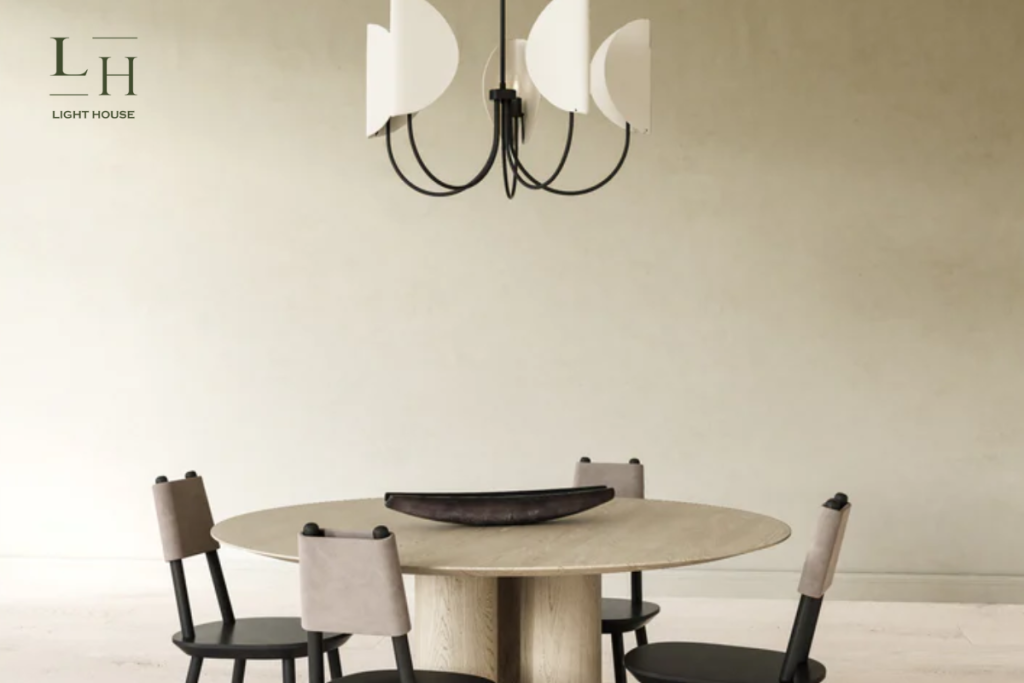
Choosing the right height for your chandelier above the dining room table can transform your space from ordinary to stunning. You want it to shine just right—bright enough to set the mood but not so low that it blocks your view or gets in the way.
If you’ve ever wondered how high your chandelier should hang, you’re not alone. Getting this balance wrong can make your dining area feel cramped or awkward. You’ll discover simple, practical tips to find the perfect height that suits your space and style.
Keep reading to learn how to light up your dining room perfectly every time.

Credit: www.1800lighting.com
Ideal Height For Chandeliers
Finding the ideal height for a chandelier above your dining room table is key to creating a balanced and inviting atmosphere. The right placement ensures your chandelier provides ample light without obstructing views or overwhelming the space. Let’s break down how to choose the perfect height based on standard measurements, ceiling height, and your table’s dimensions.
Standard Measurements Above Tables
The general rule is to hang your chandelier about 30 to 36 inchesabove the dining table surface. This range works well for most rooms with standard 8-foot ceilings, offering enough clearance for diners to see each other and the light source without strain.
If you hang it too low, people might bump their heads or feel cramped. Too high, and the chandelier loses its focal impact and the table may be poorly lit. Have you ever sat under a too-low light and felt distracted? Proper height avoids that discomfort.
Adjusting For Ceiling Height
Ceiling height changes everything. If your ceiling is taller than 8 feet, add about 3 inches of hanging height for every additional foot of ceiling height.
- For a 9-foot ceiling, aim for 33 to 39 inches above the table.
- At 10 feet, raise it to 36 to 42 inches.
This adjustment keeps the chandelier proportional to your space and maintains comfortable headroom. Have you measured your ceiling height recently? It’s a small step that makes a big difference.
Considering Table Size And Shape
The size and shape of your dining table influence how wide and tall your chandelier should be. A large rectangular table pairs best with a longer chandelier or multiple pendants hung in a line.
For round tables, choose a chandelier with a diameter about half the table’s width to keep visual balance. For example, a 48-inch round table suits a 24-inch diameter fixture.
Height matters too—larger tables can handle chandeliers on the higher end of the recommended range to avoid feeling cramped. Think about how your chandelier complements your table’s proportions and how it fits your room’s style.

Credit: www.youtube.com
Effects Of Incorrect Chandelier Height
Getting the chandelier height wrong above your dining table can cause more issues than just looking off. It affects how your space feels and how functional the lighting is. Let’s break down what happens when the height isn’t quite right.
Impact On Room Ambiance
A chandelier hung too low can make the room feel cramped and block sightlines across the table. It draws attention downward, which might overshadow other design elements in your dining space.
On the other hand, a chandelier placed too high often fails to provide enough focused light on the table. The room may end up dimmer than you expect, losing that cozy dining vibe you want to create.
Think about your last dinner party—did the lighting help everyone see their food clearly and feel comfortable? If not, the chandelier height might have been the culprit.
Safety And Practical Concerns
A low-hanging chandelier risks hitting heads or knocking into tall items like wine glasses or centerpiece decorations. This can be distracting and even dangerous during meals.
When the fixture is too high, it might cause glare or uneven lighting, forcing you to add extra lamps or overhead lights. This defeats the purpose of having a single, elegant light source.
Have you ever bumped into a light fixture while reaching across the table? Adjusting the height could save you from future accidents and improve your dining experience.
Choosing The Right Chandelier Size
Choosing the right chandelier size is key to creating a balanced and inviting dining space. A chandelier that’s too big can overwhelm the table and the room, while one that’s too small may go unnoticed and fail to provide enough light. Finding the perfect size ensures your chandelier complements your dining area perfectly, enhancing both style and function.
Proportion To Table Dimensions
Your chandelier should be proportional to your dining table’s size to maintain harmony. A good rule of thumb is to choose a chandelier that is about half to two-thirds the width of your table. For example, if your table is 60 inches wide, look for a chandelier between 30 to 40 inches wide.
Think about the shape of your table as well. A round table pairs well with a round or oval chandelier, while a rectangular table suits elongated fixtures. Matching shapes helps the chandelier feel like a natural part of the dining setup.
Balancing Room Scale
Don’t forget the size of your room when selecting your chandelier. A large chandelier in a small room can feel cramped and overpowering. Conversely, a tiny fixture in a spacious room might get lost, leaving the space feeling incomplete.
Consider the ceiling height too. If your ceiling is low, opt for a chandelier with a flush or semi-flush mount to avoid blocking sightlines. Higher ceilings allow for more dramatic, hanging chandeliers that make a statement without crowding the space.
Tips For Installation
Installing a chandelier above your dining table requires careful planning. Proper height ensures good lighting and enhances the room’s look. Follow simple tips to get the perfect placement.
Measuring From Floor And Table
First, measure the distance from the floor to the bottom of the chandelier. The ideal height is usually 30 to 36 inches above the table surface. This range keeps the light focused and avoids blocking views.
Check the ceiling height too. If your ceiling is higher than 8 feet, add 3 inches for every extra foot. This adjustment maintains balance and prevents the chandelier from feeling too low.
Using Adjustable Fixtures
Choose a chandelier with an adjustable chain or rod. This feature lets you change the height after installation. You can easily raise or lower the fixture for different occasions or room changes.
Adjustable fixtures also help during installation. Fine-tune the height until the chandelier looks just right. This flexibility saves time and avoids costly rework.
Lighting Styles For Dining Rooms
Choosing the right lighting style for your dining room changes the entire mood and feel. The chandelier height above the table plays a key role in enhancing this effect. Lighting should match your room’s design and the atmosphere you want to create. A well-chosen style brings warmth and focus to your dining space.
Modern Vs Traditional Options
Modern chandeliers often have clean lines and simple shapes. They use materials like metal, glass, or acrylic. These lights create a sleek, fresh look and often feature dimmable LED bulbs.
Traditional chandeliers usually have ornate details and classic shapes. They often include crystals, bronze, or brass finishes. These create a warm, elegant atmosphere with soft lighting.
Choosing between modern and traditional depends on your dining room’s decor. Modern fits well in minimalist or contemporary spaces. Traditional suits rooms with vintage or classic furniture.
Layered Lighting Approaches
Layered lighting combines different light sources in the dining room. It balances ambient, task, and accent lighting for a cozy feel.
- Ambient lighting sets the overall brightness with ceiling lights.
- Task lighting focuses on the dining table with a chandelier or pendant light.
- Accent lighting highlights artwork or architectural features with wall sconces or spotlights.
This approach allows flexibility. You can adjust lighting for meals, parties, or relaxing evenings. It keeps the room functional and inviting.
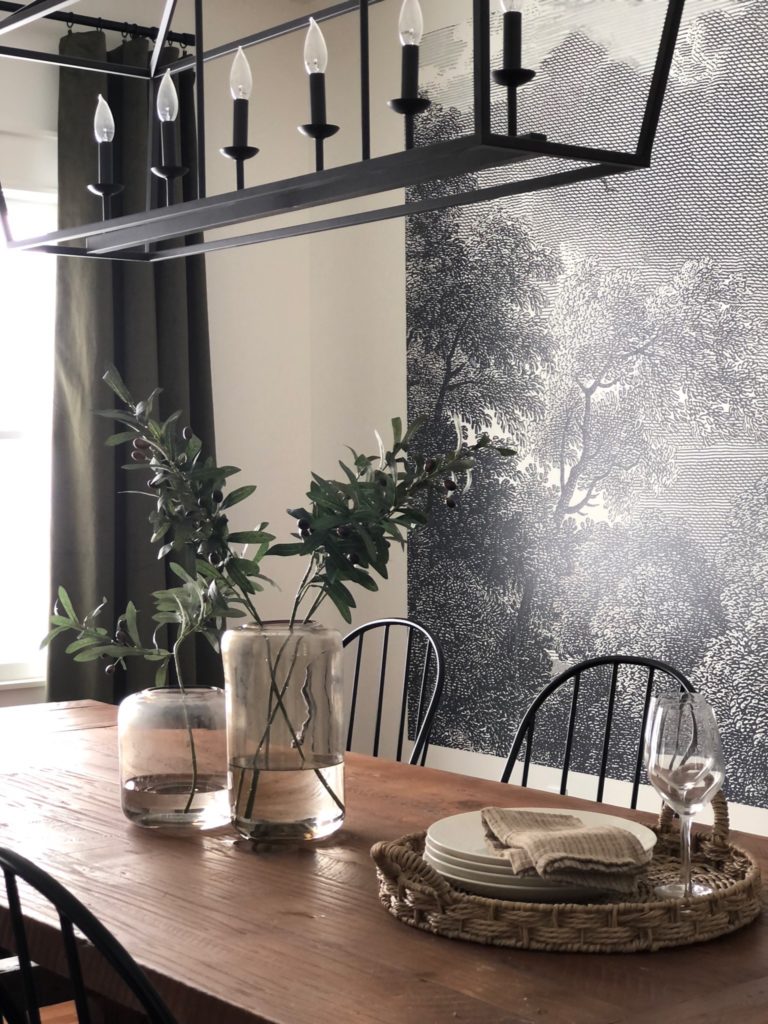
Credit: www.kylieminteriors.ca
Common Mistakes To Avoid
Placing the chandelier too high can reduce light and make the room feel empty. Hanging it too low may block views and bump heads. Finding the right height keeps the space balanced and comfortable.
When hanging a chandelier above your dining room table, getting the height just right is crucial. This not only ensures proper illumination but also enhances the room’s aesthetics. Yet, many homeowners often make mistakes that can easily be avoided with a bit of attention to detail. Understanding these common pitfalls will help you create a dining space that’s both functional and visually appealing.Too High Or Too Low Placement
One of the most frequent mistakes is placing the chandelier either too high or too low. If it’s too high, the chandelier won’t light the table effectively, leaving your dining area dim and uninviting. On the flip side, a chandelier that hangs too low can obstruct sightlines and make conversations across the table awkward. A good rule of thumb is to hang the chandelier so that the bottom is about 30 to 36 inches above the table for a standard 8-foot ceiling. Adjust accordingly for taller ceilings, adding about 3 inches for every additional foot of ceiling height.Ignoring Room Function And Layout
Another common oversight is neglecting the room’s function and layout. Consider how you use the space. Is your dining room mainly for intimate family dinners, or do you frequently host large gatherings? If your dining room doubles as a multi-functional space, such as a home office or a homework zone, the lighting needs might differ. A chandelier with adjustable height options or dimmable bulbs can provide the flexibility you need. Also, think about the room’s shape and size. A long, narrow table may benefit from an elongated chandelier or multiple smaller fixtures, while a round table might look best with a single, centered piece. What layout best suits your lifestyle and enhances the room’s usability? Reflecting on these aspects ensures your chandelier isn’t just a decorative element but also a functional asset to your dining room.Frequently Asked Questions
How High Should A Chandelier Hang Above Dining Table?
A chandelier should hang 30 to 36 inches above the dining table surface. This height ensures proper lighting without obstructing views or headspace.
Does Ceiling Height Affect Chandelier Hanging Height?
Yes, higher ceilings require chandeliers to hang slightly higher, maintaining proportional balance and adequate lighting over the table.
Can Chandelier Height Impact Dining Room Ambiance?
Absolutely. Proper chandelier height creates a cozy, inviting ambiance by providing focused light without glare or shadows.
What If My Chandelier Is Adjustable In Height?
Adjustable chandeliers allow customization. Set the height based on table size, ceiling height, and personal preference for best results.
Conclusion
Choosing the right height for your chandelier makes a big difference. It helps light your dining space well and looks nice too. Usually, hanging it 30 to 36 inches above the table works best. This height keeps the light bright without blocking views.
Remember, the size of your table and room matters. Try measuring before you hang it up. A well-placed chandelier makes meals more pleasant and the room more inviting. Simple steps lead to a beautiful dining area.



