
Choosing the right height for your chandelier can completely change the look and feel of your dining space. You want it to shine bright without blocking views or making the room feel cramped.
But how high should a chandelier hang over a table to get that perfect balance? If you’ve been wondering about the ideal placement, you’re in the right place. Keep reading, and you’ll discover simple tips that make your chandelier not just a light, but the star of your room.

Credit: s3da-design.com
Ideal Height For Chandeliers
Choosing the right height for your chandelier can change the entire feel of your dining area. It’s about more than just looks; the height affects lighting, comfort, and even how your guests interact around the table. Striking the right balance ensures your chandelier complements the space without overwhelming it or leaving shadows.
Standard Height Guidelines
The most common rule is to hang the chandelier about 30 to 36 inches above the tabletop. This range works well for most standard ceiling heights around 8 feet. It provides enough clearance so people won’t bump their heads but keeps the fixture close enough to create a warm, inviting glow.
If your table is larger or your chandelier has multiple tiers, consider leaning toward the higher end of that range. For smaller tables or single-tier chandeliers, 30 inches often feels just right. Remember, the goal is for the light to shine directly onto the table without creating glare or shadows.
Adjusting For Ceiling Height
Ceiling height plays a big role in deciding chandelier placement. If your ceilings are taller than 8 feet, add about 3 inches of hanging height for each extra foot of ceiling height. So, for a 10-foot ceiling, aim for 36 to 42 inches above the table.
Higher ceilings allow for bigger, more dramatic chandeliers, which can become a true centerpiece. On the other hand, lower ceilings require a more modest drop to keep the room feeling open and comfortable.
Ask yourself: Does the chandelier feel balanced in the space? If it looks like it’s floating too high or hanging awkwardly low, try adjusting the height and observe how it changes the room’s vibe.
Factors Affecting Chandelier Height
Choosing the right height for your chandelier isn’t just about measuring from the ceiling to the table. Several factors influence the perfect drop, and understanding these will help you create a balanced and inviting space. Let’s dive into what affects chandelier height and how you can use these insights to brighten your room just right.
Table Size And Shape
Your chandelier should complement the size and shape of your table. A large rectangular table calls for a longer chandelier to evenly cover the surface, while a small round table needs a shorter drop to avoid overwhelming the space.
Think about how far the chandelier extends over the table edges. You want light distributed across the entire table without spilling too far beyond it. Have you measured your table’s length and width recently? Those numbers guide how wide and low your fixture should hang.
Room Size And Layout
The size of your room plays a big role in chandelier height. Taller ceilings allow for lower hanging fixtures, creating a cozy atmosphere, while standard ceilings need chandeliers hung higher to keep the room feeling spacious.
Consider other furniture and pathways around the table. You don’t want your chandelier to block sightlines or bump heads. Have you noticed how open or cramped your dining area feels? Adjusting chandelier height can help balance that.
Lighting Needs And Ambiance
What mood do you want to set with your chandelier? Soft, warm light for intimate dinners might mean hanging it lower to create a focused glow. Bright, even lighting for family meals or work calls calls for a higher placement to spread light widely.
Think about how your chandelier interacts with other light sources. Does it need to be the main focus, or just an accent? Your lighting goals should influence not only the height but also the style and bulb type you choose.
Measuring The Right Height
Choosing the perfect height for your chandelier can transform your dining experience from ordinary to extraordinary. But how do you measure the right height for your chandelier to ensure it complements your table setting? Let’s dive into practical ways to get it just right, so your dining area becomes a harmonious blend of style and function.
Using A Tape Measure
Grab your trusty tape measure, and let’s start the process. Begin by measuring the height of your table from the floor. A common guideline is to hang the chandelier approximately 30 to 36 inches above the table surface.
This range allows enough space for eye contact and conversation without the chandelier obstructing the view. Adjustments can be made based on the ceiling height and chandelier size, ensuring it fits your room’s proportions.
Eye Level Considerations
Consider your eye level while seated at the table. The chandelier should hang at a height where it enhances your view rather than distracts from it. Imagine sitting down for dinner; is your view comfortable and unobstructed?
Think about your guests as well. You want them to feel at ease, with light illuminating the table perfectly without being overpowering. Your chandelier should be a conversation starter, not a conversation stopper.
Credit: www.2modern.com
Chandelier Height For Different Table Types
Choosing the right chandelier height depends on the type of table it hangs over. Each table type has unique needs to balance light and space. Proper height improves room flow and creates a cozy atmosphere.
Consider the room size, ceiling height, and table style. The goal is to keep the chandelier functional and stylish without blocking views or movement.
Dining Tables
For dining tables, hang the chandelier about 30 to 36 inches above the tabletop. This height provides enough light for meals and conversations. It also keeps the fixture from interfering with guests’ sightlines.
Make sure the chandelier size matches the table. Larger tables need bigger or multiple chandeliers hung at the right height.
Kitchen Islands
Kitchen islands require chandeliers hung slightly higher than dining tables. A height of 34 to 40 inches above the island works well. It allows light to spread evenly and leaves space for cooking activities.
Adjust height based on ceiling height and island width. Narrow islands need smaller fixtures hung lower, while wide islands suit larger fixtures hung higher.
Coffee Tables
Chandeliers over coffee tables should hang lower to create an intimate feel. Aim for about 24 to 30 inches above the table surface. This height highlights the table without overwhelming the room.
Choose smaller or delicate chandeliers to fit the casual and cozy nature of living spaces. Avoid large fixtures that block the view or crowd the area.
Tips For Adjusting Chandelier Height
Adjusting the height of a chandelier is key to balancing style and function. The right height ensures the light spreads evenly and the fixture looks proportional to the table below. Too low can block sightlines; too high can reduce lighting effectiveness. Simple adjustments can make a big difference in your dining space.
Chain And Rod Length Options
Most chandeliers come with chains or rods that you can shorten or lengthen. Chains offer flexibility, allowing you to easily raise or lower the fixture. Rods provide a more fixed length but can be cut to fit your space. Choose the option that fits your ceiling height and table size best.
- Measure the distance from the ceiling to the table surface.
- Subtract about 30 to 36 inches for the ideal chandelier drop.
- Adjust the chain or rod to match this measurement.
- Ensure the links or rod sections lock securely in place.
Professional Installation Advice
Hiring a professional ensures safe and precise chandelier placement. Electric wiring and fixture weight require expert handling. Professionals can confirm the height fits the room’s scale and light needs. They also check that the chandelier hangs straight and stable.
- Consult an electrician for ceiling wiring and support.
- Discuss your preferred chandelier height with the installer.
- Request adjustments during installation for perfect positioning.
- Verify the fixture’s stability and secure mounting after installation.
Common Mistakes To Avoid
Choosing the right height for a chandelier over your table improves both style and function. Many people make common mistakes that spoil the look or cause discomfort. Avoiding these errors helps create a balanced and inviting space.
Hanging Too Low Or Too High
Placing a chandelier too low blocks views and hits heads. It makes the room feel cramped. Hanging it too high reduces its impact and wastes the light. The chandelier should hang at the right height to provide good light and clear sightlines. Usually, 30 to 36 inches above the table is ideal.
Ignoring Room Proportions
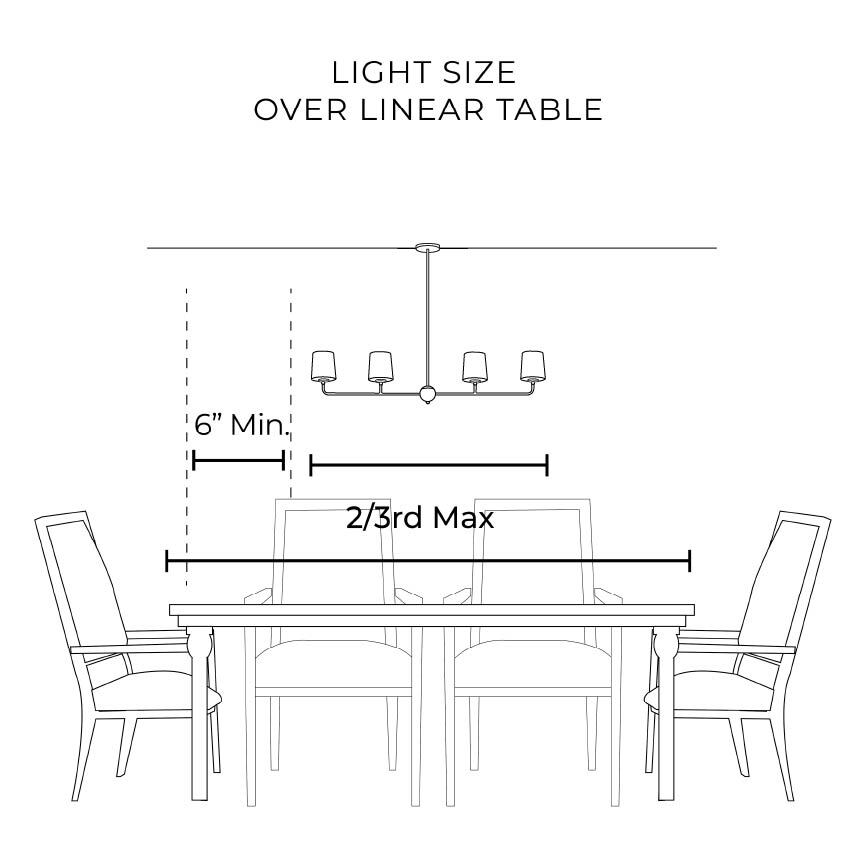
Oversized chandeliers overwhelm small rooms and furniture. Small chandeliers get lost in large spaces. The chandelier size must match the table and room dimensions. Measure your table length and width, then choose a fixture about half to two-thirds the table’s width. This balance enhances the room’s harmony and comfort.
Enhancing Style With Chandelier Placement
Placing a chandelier over your table is more than just a lighting decision—it’s a style choice that shapes the entire room’s vibe. The right position can make your space feel balanced and inviting. Let’s look at how careful placement enhances style and elevates your dining experience.
Centering Over The Table
Positioning the chandelier directly over the table’s center is key to creating a harmonious look. This alignment draws the eye naturally and highlights the table as the room’s focal point. If your table is rectangular, place the fixture so it aligns with the midpoint along the longer side.
Think about the room’s flow too. A chandelier slightly off-center can throw off balance and feel awkward during meals or gatherings. Have you ever noticed how a perfectly centered light makes a dinner feel more intimate and organized?
Balancing With Other Light Sources
A chandelier shouldn’t be the only light source around your table. Layering with other lights—like wall sconces or recessed lighting—creates depth and prevents harsh shadows. This balance makes the room more functional and visually appealing.
Consider dimmers to adjust brightness and set moods easily. Combining different lights lets you switch from bright family dinners to cozy, relaxed evenings effortlessly. How does your current lighting setup support the atmosphere you want?
Credit: www.maximlighting.com
Frequently Asked Questions
How High Should A Chandelier Hang Over A Dining Table?
A chandelier should hang 30 to 36 inches above the dining table surface. This height ensures balanced lighting without obstructing views or movement.
Does Ceiling Height Affect Chandelier Hanging Height?
Yes, higher ceilings require chandeliers to hang slightly higher to maintain proportion. For 9-foot ceilings, add 3 inches to the standard height.
What Size Chandelier Suits Different Table Sizes?
Choose a chandelier diameter about half to two-thirds the table width. This creates visual harmony and prevents the fixture from overpowering the space.
Can Chandelier Height Impact Dining Room Ambiance?
Absolutely. Proper height creates inviting, evenly distributed light. Hanging too low or too high can cause glare or insufficient illumination.
Conclusion
Choosing the right height for your chandelier creates a balanced look. It helps light the table well without blocking views. Hanging it too low or too high can feel awkward. Aim for about 30 to 36 inches above the table.
This range fits most spaces and styles. Remember, the chandelier should match your room size and table height. A well-placed light adds warmth and style to your dining area. Simple adjustments make a big difference in comfort and design. Keep these tips in mind for a perfect chandelier setup.



