

You want your dining room to look stunning, right? One of the easiest ways to add style and warmth is with a chandelier.
But here’s the catch: hanging it at the wrong height can ruin the whole vibe. Too low, and it feels cramped; too high, and it loses its charm. So, how high should you hang your chandelier over your dining table to get that perfect balance?
Keep reading, because getting this right will transform your space and impress everyone who walks in.

Credit: s3da-design.com
Ideal Height For Chandelier
Finding the ideal height to hang a chandelier over your dining room table can transform the entire space. It’s about balance—too high, and it loses impact; too low, and it feels overwhelming. Let’s look at some practical ways to get this right, so your chandelier complements your room perfectly.
Standard Height Recommendations
The most common advice is to hang the chandelier so its bottom is about 30 to 36 inches above the dining table surface. This range works well for standard ceiling heights around 8 feet. It keeps the light close enough to create an inviting atmosphere without blocking sightlines across the table.
Think about how your chandelier feels when you sit down. Does it allow easy conversation? If it feels too low or too high, adjust accordingly within this range. Trust your eyes and comfort here—stand in your dining area and picture the light in action.
Adjusting For Ceiling Height
If your ceilings are taller than 8 feet, you can raise the chandelier about 3 inches for every additional foot of ceiling height. For example, with a 10-foot ceiling, aim for 36 to 42 inches above the table. This prevents the fixture from looking like it’s hanging awkwardly low in a spacious room.
On the other hand, if your ceilings are lower than average, you may want to hang the chandelier slightly closer to the table to avoid it feeling lost in the room. You don’t want it touching your head when standing, but a slightly lower height can create a cozy, intimate feel.
Considering Table Size And Shape
The size and shape of your dining table play a big role in chandelier height. Larger or longer tables often benefit from slightly higher placement to spread light evenly. Small, round tables may look better with a lower-hanging fixture to draw focus inward.
Width is important, too. Your chandelier should be about half to two-thirds the width of the table. This helps maintain visual balance and avoids overpowering the table. Have you measured your table recently? Try matching your chandelier size and height to those dimensions for the best effect.
Measuring The Right Distance
Getting the height right for your chandelier is key to creating the perfect ambiance in your dining room. Too low, and it might block views or feel cramped. Too high, and it loses its impact and doesn’t provide enough light where you need it most. Let’s break down how to measure the right distance so your chandelier fits perfectly.
Distance From Table Surface
The most important measurement is how far the chandelier hangs above your dining table. A good rule of thumb is to position it about 30 to 36 inches above the table surface. This height allows enough clearance for people to see each other without the fixture getting in the way.
If your ceiling is higher than average, you might increase this distance slightly, but avoid going beyond 40 inches or the chandelier may feel disconnected from the space. When I first hung my chandelier too high, the room lacked coziness, and the light didn’t focus where I wanted it. Adjusting it lower made all the difference.
Distance From Ceiling
Knowing the distance from the ceiling helps you determine the length of the chain or rod needed for your chandelier. Generally, chandeliers should hang about 7 feet from the floor in rooms with standard 8-foot ceilings. This leaves enough headroom while placing the light at a comfortable height.
For taller ceilings, add about 3 inches of hanging height for every additional foot of ceiling height. This keeps the chandelier proportional to the room. Have you measured your ceiling height yet? It’s the first step before figuring out the exact drop length.
Balancing Light And Space
Think about how the chandelier’s light spreads across your dining area. The goal is to illuminate the table evenly without harsh shadows or glare. Positioning the fixture too high may cause the light to scatter, while too low can create hotspots and limit the overall brightness.
Consider the size of your table and room when choosing your chandelier’s scale and height. Larger tables need bigger fixtures hung slightly higher to cover the surface effectively. Have you tried adjusting your chandelier’s height after installation? Sometimes small tweaks can dramatically improve both light quality and room balance.
Style And Design Impact
The style and design of a chandelier greatly affect the dining room’s atmosphere. The right height enhances its beauty and function. Hanging a chandelier too high or low can disrupt the room’s look and feel. Consider size, style, and balance to make the perfect choice.
Chandelier Size And Proportion
Choose a chandelier size that fits the dining table. A small fixture looks lost over a large table. A big chandelier can overwhelm a small space. The width of the chandelier should be about half to two-thirds the width of the table. This keeps the design balanced and pleasing to the eye.
Light Fixture Styles
Pick a chandelier style that matches the room’s decor. Classic designs fit traditional dining rooms. Modern fixtures complement minimalist spaces. Rustic or industrial chandeliers add character to casual rooms. The style influences the chandelier’s shape and height above the table.
Visual Balance In The Room
Visual balance creates harmony between the chandelier and room elements. The fixture should not block views or feel too heavy. Consider ceiling height and furniture style. A well-balanced chandelier draws attention without overpowering the room. Use the right height to maintain an open and inviting space.
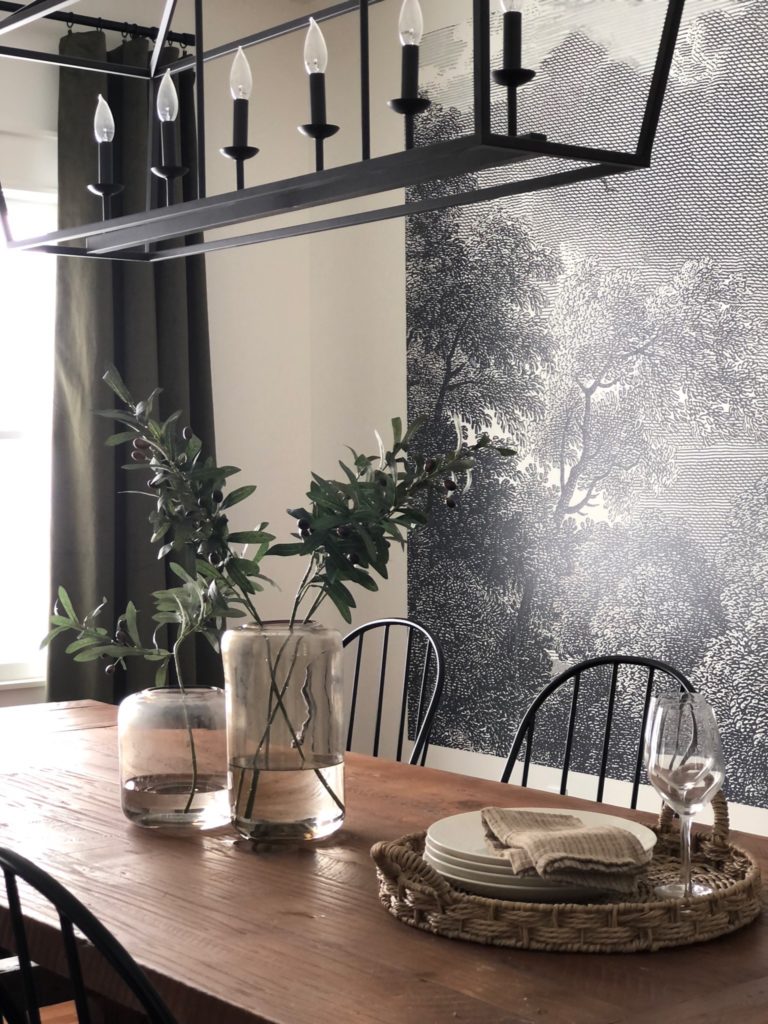
Credit: www.kylieminteriors.ca
Practical Tips For Installation
Installing a chandelier over your dining table needs care and precision. The right height creates a balanced look and good lighting. Practical tips help avoid common mistakes during installation. Prepare well and ensure safety for the best result.
Tools And Materials Needed
- Measuring tape to get exact height
- Ladder for reaching the ceiling
- Drill and screwdriver for mounting
- Wire stripper to prepare electrical wires
- Voltage tester to check power safety
- Anchors and screws to hold the fixture
- Chandelier mounting bracket
- Electrical tape for secure connections
Safety Considerations
Turn off the power at the circuit breaker before starting. Test wires with a voltage tester to confirm no electricity flows. Use a sturdy ladder and ask for help if needed. Securely fasten the mounting bracket to hold the chandelier’s weight. Double-check all wire connections to avoid shorts or shocks. Wear safety glasses and gloves to protect yourself.
Adjusting Height After Installation
Measure from the table surface to the chandelier bottom. The ideal gap is usually 30 to 36 inches. Adjust the chain or rod length for the perfect drop. Make small changes and check the look each time. Ensure the chandelier does not block views across the table. Tighten all parts after adjusting the height to keep it stable.
Common Mistakes To Avoid
Getting the height right for your chandelier over the dining room table can transform your space, but many stumble on common pitfalls. Avoiding these mistakes can make your lighting both functional and stylish. Let’s look at where people often go wrong and how you can steer clear of those errors.
Hanging Too High Or Too Low
Placing your chandelier too high can make the room feel disconnected. It loses its purpose of creating a cozy, inviting atmosphere right over your table.
On the flip side, hanging it too low can block sightlines and get in the way during meals. Imagine bumping your head or having guests struggle to see each other because the fixture is hanging in the way.
A good rule is to hang the chandelier about 30 to 36 inches above the table surface. If your ceiling is higher than usual, you can add a few inches, but be cautious not to go beyond 40 inches.
Ignoring Room Layout
Your dining room’s shape and size play a big role in deciding chandelier height. A spacious room with a long table might require a different approach than a cozy nook.
Don’t just focus on the table; consider how the chandelier fits with the rest of the room. Is there a nearby doorway, a window, or other furniture that the light might clash with?
Take time to walk around the space and visualize how the chandelier interacts with everything else. Have you noticed how a poorly placed light can throw off the balance of your room?
Overlooking Lighting Needs
Chandeliers aren’t just decorative—they need to provide enough light for dining and activities. Many people pick a fixture based on looks alone and end up with insufficient lighting.
Think about the bulb wattage and whether the chandelier can accommodate dimmable bulbs. Do you want a soft ambiance or bright, clear light for family dinners and homework sessions?
Testing different lighting levels before final installation can save you from costly adjustments later. Are you ready to take control of your room’s mood with the right lighting?
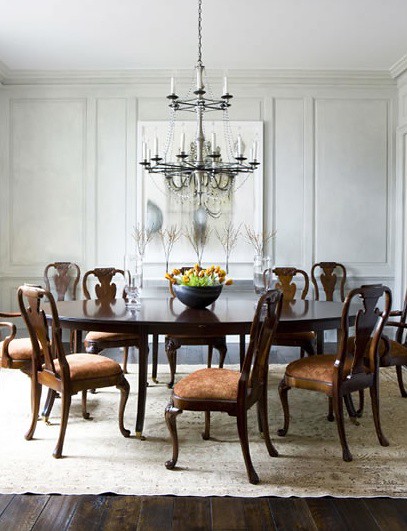
Credit: www.thingsthatinspire.net
Customizing For Unique Spaces
Choosing the right height for a chandelier depends on the table size and ceiling height. Hanging it too low or too high can affect the room’s balance and lighting. Adjust the height to fit your space and create a comfortable, inviting dining area.
Customizing for unique spaces requires a blend of creativity and practicality, especially when deciding the height to hang a chandelier over a dining room table. Every dining area has its own character, and you want your chandelier to complement this uniqueness. By considering the layout and shape of your space, you can ensure your chandelier adds the right amount of charm and functionality.Non-standard Table Shapes
If your dining table is round, oval, or irregularly shaped, the traditional rules might not apply. You need to focus on balance and proportion. Hang the chandelier so it covers about two-thirds of the table’s width or length. A friend of mine has a hexagonal table, and she decided to hang a chandelier with multiple light arms. This choice beautifully highlighted the table’s unique shape while providing ample lighting for meals.Open Floor Plans
In open floor plans, dining areas often blend into living spaces. The challenge is to define the dining space without overwhelming it. Here, chandeliers play a crucial role. Consider hanging the chandelier slightly lower to create an intimate dining zone. Think about how the light fixture interacts with the rest of the room’s decor. A chandelier that complements both the dining and living areas can tie the spaces together seamlessly.Multiple Chandeliers
For larger or elongated dining tables, a single chandelier might not be enough. Multiple chandeliers can provide even light distribution and a striking visual effect. Hang two or more smaller chandeliers, spaced evenly along the length of the table. This not only enhances lighting but also adds an element of sophistication. The key is consistency in style and size for a harmonious look. Have you ever walked into a room with multiple chandeliers and felt an instant wow factor? That’s the power of strategic lighting placement.Frequently Asked Questions
How High Should A Chandelier Hang Above The Table?
A chandelier should hang 30 to 36 inches above the dining table surface. This height ensures proper lighting and clear sightlines. Adjust height for ceiling height and table size to maintain balance and style.
What Chandelier Size Fits A Dining Room Table?
Choose a chandelier width about half to two-thirds the table width. For example, a 36-inch wide table suits an 18 to 24-inch chandelier. Proper size maintains room proportion and enhances visual appeal.
How To Hang A Chandelier With High Ceilings?
For high ceilings, add 3 inches of chandelier height per extra foot above 8 feet. Use a longer chain or downrod. This keeps the chandelier at an ideal height for dining.
Should Chandelier Height Change For Rectangular Tables?
Yes, center the chandelier lengthwise over the table. Maintain the 30 to 36-inch height from the table surface. For long tables, consider multiple fixtures or an elongated chandelier for better lighting.
Conclusion
Hanging a chandelier at the right height changes your dining room’s look. Keep it about 30 to 36 inches above the table. This helps light the space well without blocking views. Consider your ceiling height and table size too. A well-placed chandelier adds charm and comfort.
Take your time to measure and adjust. The right height makes meals and gatherings more enjoyable. Simple steps lead to a beautiful dining area.



