

Have you ever wondered how long a person can stay on a ventilator? If you or a loved one is facing this situation, it’s natural to have many questions and concerns.
Understanding the time frame and what it means for recovery can bring clarity and hope during a challenging time. You’ll discover important facts about ventilators, what affects the length of use, and how it impacts health. Keep reading to get the answers you need and feel more confident about what lies ahead.
Ventilator Basics
Understanding the basics of ventilators is key to grasping how long a person might stay on one. Ventilators are not just machines; they are lifelines that support breathing when the body cannot do it alone. Knowing their purpose and the different types available can help you better understand the medical decisions involved.
Purpose And Function
A ventilator’s main job is to help you breathe by moving air in and out of your lungs. This support is crucial if your lungs are damaged or if your breathing muscles are too weak.
It can deliver oxygen, remove carbon dioxide, and maintain proper lung pressure. Think about someone in a severe respiratory illness or after major surgery—they might rely on a ventilator to breathe while their body heals.
Have you ever wondered what happens if the machine stops or if you’re on it for too long? That’s why understanding its function is important—not just for patients but also for families and caregivers.
Types Of Ventilators
Ventilators come in different forms, each designed for specific needs. The two main categories are invasive and non-invasive ventilators.
- Invasive ventilatorsuse a tube inserted into the windpipe, providing full breathing support. These are common in intensive care units for serious cases.
- Non-invasive ventilatorsuse masks or nasal prongs to assist breathing without the need for tubes. They’re often used for less severe conditions or during recovery.
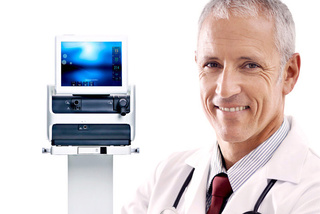
There are also portable ventilators for patients who require long-term support but want more mobility. The type chosen affects how long a person might stay on the machine and what their recovery journey looks like.
Credit: www.getinge.com
Factors Influencing Duration
The length of time a person stays on a ventilator depends on several important factors. Understanding these can help you grasp why some patients recover quickly, while others require extended support. Let’s look closely at what influences ventilator duration.
Underlying Health Conditions
Your overall health plays a big role in how long you might need a ventilator. Chronic diseases like COPD, heart problems, or diabetes can slow recovery. These conditions make it harder for your body to heal and may require longer breathing support.
For example, someone with weak lungs from smoking might struggle more than a healthy individual. Have you ever noticed how some illnesses linger longer than others? This is because your body’s baseline health sets the stage for recovery speed.
Severity Of Illness
The seriousness of your illness directly affects ventilator time. A mild lung infection might only need a few days of support. But severe pneumonia or trauma can extend this period significantly.
Doctors often monitor how well your lungs respond each day. If they improve steadily, the ventilator can come off sooner. If not, doctors may need to adjust treatment and plan for longer support.
Patient Age And Resilience
Age impacts how quickly your body bounces back. Younger patients usually recover faster because their organs are stronger and more adaptable. Older adults may take longer and face higher risks during ventilation.
However, resilience isn’t just about age. Lifestyle, nutrition, and mental attitude all matter. Have you noticed how some older individuals seem to heal faster than expected? That’s resilience at work, influencing how long you stay on a ventilator.
Typical Timeframes On Ventilators
Ventilators help people breathe when they cannot do so on their own. The time a person stays on a ventilator varies widely. It depends on the illness, recovery speed, and overall health. Understanding typical timeframes gives insight into patient care and recovery expectations.
Short-term Use
Many patients use ventilators for a few hours to days. This is common after surgery or a severe infection. The ventilator supports breathing while the body heals. Doctors monitor progress closely to remove the ventilator as soon as possible.
Extended Use
Some patients need ventilators for weeks or months. This happens with serious lung or muscle diseases. The ventilator helps maintain oxygen levels and ease breathing effort. Medical teams regularly assess readiness to breathe independently.
Long-term Ventilation Challenges
Long-term ventilation can cause complications. Risks include lung infections and muscle weakness. Patients may need specialized care to prevent these issues. Families and caregivers face emotional and physical challenges too.

Credit: www.weforum.org
Risks Of Prolonged Ventilation
Staying on a ventilator for a long time can cause many risks. These risks affect the body and mind. Knowing these dangers helps in understanding why doctors try to limit ventilator use. Prolonged ventilation can lead to serious health problems. It is important to watch for these issues during treatment.
Infections And Complications
One of the main risks is infection. The tube in the airway can carry germs. These germs cause pneumonia and other lung infections. Infections can make recovery slower. Other complications include lung damage and breathing problems. These issues may need more treatment and longer hospital stays.
Muscle Weakness And Atrophy
Muscles can weaken from long ventilation. The breathing muscles do not work enough. This causes muscle loss, called atrophy. Weak muscles make it hard to breathe alone. Physical therapy helps, but recovery can be slow. Muscle weakness may delay leaving the ventilator.
Psychological Effects
Being on a ventilator affects the mind too. Patients may feel scared or confused. Some suffer from anxiety or depression. The ICU environment can add stress. Memory problems and sleep disturbances are common. Mental health support is important during and after ventilation.
Weaning From A Ventilator
Weaning from a ventilator involves gradually reducing breathing support. The duration depends on the patient’s condition. Some may need a few hours, while others require days or weeks.
Weaning from a Ventilator The process of weaning from a ventilator is a critical step in a patient’s recovery journey. It involves gradually reducing the support provided by the ventilator to allow the patient’s lungs to take over the breathing process. This transition needs careful monitoring and assessment to ensure the patient’s safety and comfort.Criteria For Weaning
Before weaning can begin, specific criteria must be met. The patient’s medical condition should be stable, and they should show signs of improvement. Key indicators include the ability to breathe spontaneously, adequate oxygen levels, and a strong cough reflex. Healthcare professionals evaluate these factors through various tests and observations. It’s essential that the patient demonstrates readiness, as premature weaning can lead to complications. Are you aware of the signs that might indicate readiness for weaning?Weaning Techniques
Several techniques are used to wean a patient from a ventilator. The most common method is the gradual reduction of ventilator support, allowing the patient to take over more of the breathing workload. This can be done through intermittent mandatory ventilation or pressure support ventilation. Another approach is the use of spontaneous breathing trials, where the patient is allowed to breathe on their own for short periods. This helps assess how well they can handle the workload without the ventilator. Which technique do you think would be most suitable for someone close to you?Success Rates And Challenges
The success rate of weaning from a ventilator can vary based on several factors, including the underlying health condition and the duration of ventilator use. Some patients successfully wean in a few days, while others may take weeks or longer. Challenges can arise if the patient experiences respiratory distress or fatigue during the weaning process. In such cases, the team might need to adjust the strategy or provide additional support. What challenges do you think could impact the weaning process for your loved ones? Success often depends on a well-coordinated effort by the medical team, the patient’s determination, and support from family members. Your understanding of the process can play a vital role in the recovery journey.Care And Support During Ventilation
Care and support during ventilation play a crucial role in ensuring a patient’s safety and comfort. Being on a ventilator is challenging, and it requires constant attention and adjustments to meet the patient’s evolving needs. Your role, whether as a caregiver or family member, involves understanding the complexities and being proactive in the support provided.
Monitoring And Adjustments
Ventilators need continuous monitoring to make sure they work correctly and meet the patient’s breathing needs. Healthcare providers track oxygen levels, lung function, and vital signs closely. Adjustments to the ventilator settings happen regularly based on these observations to avoid complications.
Have you ever wondered how small changes in pressure or oxygen flow can impact recovery? Even subtle tweaks can improve comfort or reduce risks like lung damage. This is why a skilled medical team is essential to watch over the patient day and night.
Nutrition And Physical Therapy
Proper nutrition supports healing and strengthens the body while on ventilation. Since patients may not eat normally, feeding tubes or intravenous nutrition are often used. This ensures they get the right calories and nutrients to maintain energy.
Physical therapy helps prevent muscle weakness caused by long bed rest. Simple movements and exercises, guided by therapists, can keep muscles active. Have you noticed how even small activities can make a big difference in stamina and mood?
Family And Emotional Support
Emotional support is as vital as medical care during ventilation. Patients often feel isolated and scared, which can affect recovery. Your presence, words of encouragement, and gentle touch can provide comfort and hope.
Families can also feel overwhelmed. Sharing your feelings with healthcare teams helps you stay informed and involved. Have you thought about how your calm and positive attitude might influence your loved one’s healing journey?
Advances In Ventilator Technology
Ventilator technology has come a long way, dramatically improving how patients breathe during critical care. These advances not only extend how long someone can safely stay on a ventilator but also make the experience more manageable and less stressful. Understanding these improvements can help you appreciate the progress in respiratory support and what it means for patient outcomes.
Improved Patient Comfort
Modern ventilators are designed with patient comfort in mind. Features like adjustable pressure settings and synchronized breathing modes help the machine work more naturally with your own breathing pattern.
This reduces the feeling of discomfort and panic that older machines often caused. Imagine being able to relax more because the ventilator is less intrusive—this can make a big difference in recovery.
Enhanced Monitoring Systems
Today’s ventilators come equipped with advanced sensors that continuously monitor vital signs and lung function. This real-time data allows healthcare providers to adjust settings quickly and accurately.
Better monitoring means fewer complications and a more personalized treatment plan. Have you ever wondered how doctors can react so fast to changes in a patient’s condition? This technology is the answer.
Future Trends
Looking ahead, ventilators are becoming smarter and more connected. Innovations like AI-driven adjustments and remote monitoring are already being tested in some hospitals.
These trends could allow you or your loved ones to receive top-level care even outside the ICU. What if ventilator support could be managed safely at home one day? The future might not be far from that reality.

Credit: www.lhscri.ca
Frequently Asked Questions
How Long Can Someone Safely Stay On A Ventilator?
A person can stay on a ventilator from a few days to several weeks. Duration depends on illness severity and lung recovery. Doctors monitor closely to prevent complications and adjust treatment accordingly.
What Factors Affect Ventilator Duration?
Factors include the patient’s overall health, lung condition, underlying illness, and response to treatment. Complications like infections or muscle weakness can also prolong ventilator use.
Can Long-term Ventilator Use Cause Complications?
Yes, extended ventilator use can lead to infections, lung damage, and muscle weakness. Careful management and regular assessments help minimize these risks.
How Do Doctors Decide When To Remove A Ventilator?
Doctors assess lung function, breathing ability, and overall health. They gradually reduce ventilator support during weaning trials before full removal.
Conclusion
A person can stay on a ventilator for different lengths of time. It depends on their health and the reason for breathing support. Doctors watch closely to avoid problems. Some recover quickly and leave the ventilator soon. Others may need help for weeks or months.
Care and patience are very important during this time. Understanding the process helps reduce fear and confusion. Always trust medical advice and ask questions when needed. Breathing support can save lives but needs careful management.



