
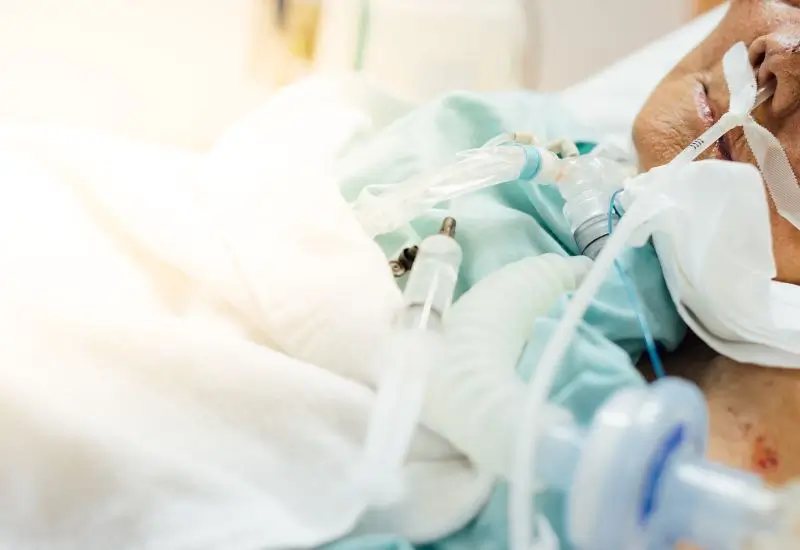
Have you ever wondered how long someone can live on a ventilator? If you or a loved one is facing this situation, it’s natural to feel anxious and full of questions.
Understanding what a ventilator does and how it affects life expectancy can give you clarity and peace of mind. You’ll discover important facts about ventilator support, what influences survival time, and what to expect during this challenging journey. Keep reading to learn what really matters when it comes to living on a ventilator.
Ventilator Basics
A ventilator is a machine that helps people breathe when they cannot do so on their own. It supports the lungs by pushing air in and out. Understanding how ventilators work helps explain their role in health care. This section covers the key points about ventilators.
Purpose Of Mechanical Ventilation
Mechanical ventilation supports breathing in patients with lung problems. It delivers oxygen and removes carbon dioxide from the body. Ventilators take over the work of breathing when lungs are weak or damaged. They help keep patients alive during serious illnesses or injuries.
Types Of Ventilators
There are several types of ventilators, each designed for specific needs:
- Invasive Ventilators:Use a tube inserted into the airway.
- Non-invasive Ventilators:Use a mask to deliver air.
- Portable Ventilators:Small and can be used outside hospitals.
- High-Frequency Ventilators:Provide rapid breaths with small volumes of air.
When Ventilation Is Needed
Ventilation is needed when a person cannot breathe well alone. Common reasons include:
- Severe lung infections like pneumonia
- Chronic lung diseases
- Major surgery requiring anesthesia
- Trauma or injury to the chest or brain
- Respiratory failure due to illness or injury
Doctors decide to use a ventilator based on breathing tests and symptoms. The goal is to keep oxygen levels safe and support recovery.
Factors Affecting Duration
How long someone can stay on a ventilator depends on several important factors. These factors influence the ability to breathe independently again and the overall chances of recovery. Understanding these can help you better grasp what to expect during this challenging time.
Underlying Health Conditions
Your existing health plays a huge role in how long you might need a ventilator. Chronic diseases like COPD, heart failure, or diabetes can make recovery slower and more complicated.
Patients with multiple health problems often face longer ventilation periods. This happens because their bodies are already under stress, making it harder to fight off infections or heal.
Have you considered how managing your health before any critical illness could impact your recovery time?
Age And Physical Fitness
Older adults generally have a tougher time coming off ventilators. Their lungs and muscles might not be as strong, which slows the process of breathing on their own again.
On the other hand, younger and physically fit individuals often recover faster. Strong muscles and good lung capacity can reduce the time spent on ventilators.
Think about how staying active and healthy might prepare you better for unexpected health challenges.
Severity Of Illness
The seriousness of the illness causing the need for ventilation is a key factor. A mild infection might require only a short time on the ventilator, while severe cases like ARDS can demand weeks or even months.
Critical illnesses often bring complications such as lung damage or organ failure, extending the ventilator use. Each case is unique, so doctors continuously assess progress to adjust care plans.
Have you ever wondered how close monitoring and timely treatment decisions can change the course of recovery on a ventilator?
Short-term Vs Long-term Ventilation
Ventilators support breathing for people with serious health problems. They help when lungs cannot work well alone. Ventilation can be short-term or long-term, based on how long the support is needed. Each type has different goals and challenges. Understanding these differences helps families and caregivers prepare for what lies ahead.
Typical Time Frames
Short-term ventilation usually lasts a few days to weeks. It helps patients recover from surgery or illness. Most patients breathe on their own soon after.
Long-term ventilation means support for weeks, months, or even years. It is used for chronic conditions or severe lung damage. Patients may stay in hospitals or at home with special care.
Challenges Of Prolonged Use
- Risk of lung infections increases over time.
- Muscle weakness can develop from disuse.
- Patients may have trouble speaking or eating.
- Emotional stress affects patients and families alike.
- Equipment maintenance and cost become significant concerns.
Doctors watch patients closely to avoid problems. They try to reduce ventilation time whenever possible. Support from nurses and therapists is crucial for long-term care.
Risks And Complications
Living on a ventilator can cause lung infections and muscle weakness. Long use may also lead to organ damage and emotional stress. Risks vary depending on health and treatment duration.
Living on a ventilator is a complex and delicate situation, often necessary for patients who cannot breathe independently. However, this life-support system carries its own set of risks and complications. Understanding these risks can help you make informed decisions about ventilator use for yourself or a loved one.Infections And Pneumonia
Being on a ventilator significantly increases the risk of infections, particularly pneumonia. The tube that connects the ventilator to the patient can introduce bacteria into the lungs. Healthcare providers take steps to minimize these risks, but no method is foolproof.Lung Damage
While ventilators are designed to help, they can sometimes cause lung damage. The pressure and volume of air delivered can strain the lung tissues. Over time, this can lead to a condition known as ventilator-induced lung injury. It’s a paradox where the tool meant to save life can also complicate recovery.Muscle Weakness
Extended ventilator use can lead to muscle weakness, including the diaphragm. When your body relies on a machine for breathing, it can become dependent, making it harder to regain normal function. The longer the usage, the more pronounced the muscle atrophy might become. Have you ever wondered how each decision in medical care has a ripple effect? Ventilator use is a classic example of balancing immediate needs with long-term health. Consider these risks carefully, and discuss them with healthcare providers to ensure the best outcomes.Weaning Off The Ventilator
Living on a ventilator varies by health and care quality. Some people use it briefly; others may depend on it for months or years. Weaning off depends on lung strength and overall recovery progress.
Weaning off a ventilator is a critical phase in respiratory care. It involves gradually reducing dependency on the machine. This process helps the patient breathe independently. The transition requires careful monitoring and support.Criteria For Removal
Doctors assess several factors before removing a patient from a ventilator. The patient’s medical condition must be stable. They should show signs of improved lung function. Adequate oxygen levels and stable vital signs are essential. The patient must be awake and responsive.Weaning Methods
There are different methods to wean a patient off a ventilator. One common approach is the spontaneous breathing trial. This involves short periods of breathing without support. Another method is intermittent mandatory ventilation. The machine provides fewer breaths, allowing natural breathing. T-piece trials can also be used, where the patient breathes through a tube.Success Rates
Success rates vary depending on the patient’s condition. Many patients successfully wean off within a few days. Some might take longer due to complications. Early intervention and monitoring increase success chances. Proper nutrition and physical therapy aid recovery.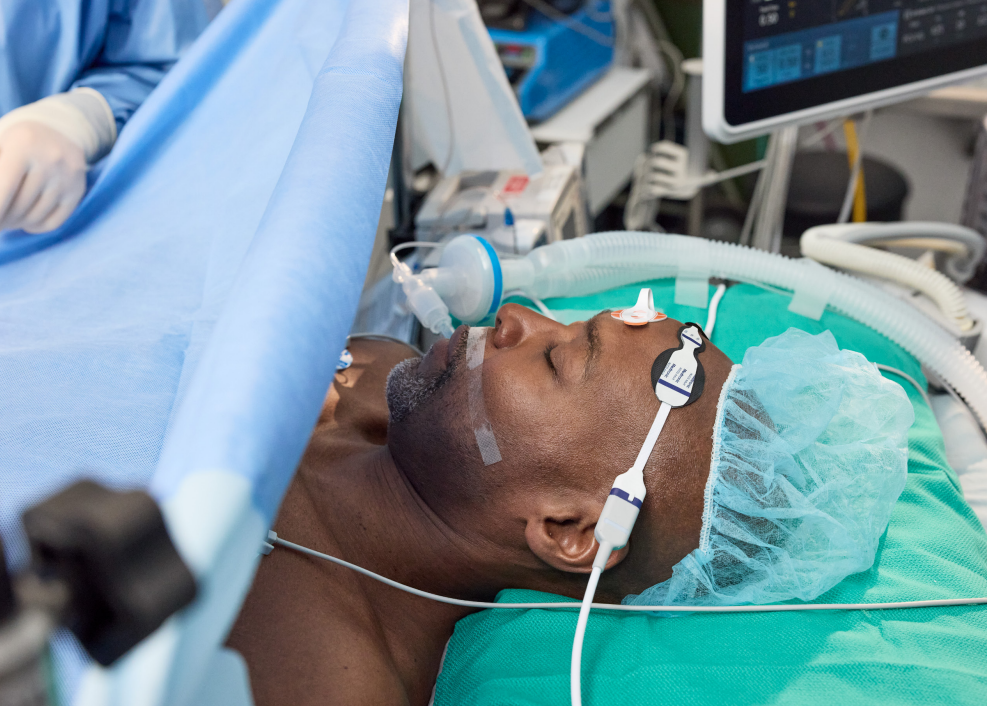
Credit: clinicalview.gehealthcare.com
Life Quality On A Ventilator
Living on a ventilator is a complex experience that goes beyond just the physical act of breathing support. Your quality of life while on a ventilator depends on many factors including your physical health, emotional well-being, and the support you receive. Understanding these aspects can help you or your loved ones navigate this challenging journey with more clarity and hope.
Physical And Emotional Impact
Being on a ventilator affects your body in many ways. Physically, you may feel weak or tired because your muscles aren’t working as they usually do. The ventilator can also cause discomfort or lead to infections if not carefully managed.
Emotionally, it’s common to experience feelings of anxiety, fear, or frustration. You might feel isolated since communication can be harder, especially if you have a tube in your throat. Have you ever considered how much small acts like a simple touch or a word of encouragement can lift your spirits in such times?
Support Systems
Your quality of life improves significantly when you have a strong support system around you. Family, friends, and healthcare professionals play vital roles in providing emotional comfort and practical help. They can assist with daily activities, advocate for your needs, and offer companionship.
Support groups or online communities can also be valuable. Connecting with others who understand your situation can reduce feelings of loneliness. How might your experience change if you felt understood and supported every day?
Rehabilitation
Rehabilitation is key to maintaining and improving your quality of life on a ventilator. Physical therapy helps keep your muscles strong and can prevent complications like bedsores or blood clots. Even small movements and exercises tailored to your condition can make a big difference.
Speech and occupational therapy may also be part of your rehab plan. These therapies focus on improving communication and helping you regain independence in everyday tasks. What goals would you set for yourself if you knew you could gradually regain some control over your body and life?
Case Studies And Real-life Examples
Case studies and real-life examples offer valuable insight into how long people can live on ventilators. These stories show a wide range of experiences, from brief use during illness to many years of dependence. They help us understand the challenges and possibilities of ventilation support.
Short-term Survivors
Many patients use ventilators for a short time during recovery. For example, people with pneumonia or surgery often need ventilation for days or weeks. Most improve quickly and return to normal breathing.
One case involved a 45-year-old man with severe flu. He spent 10 days on a ventilator and fully recovered. Another example is a woman who had lung surgery. She used a ventilator for one week and then healed well.
These short-term cases show ventilators can save lives during critical illness. The focus is on supporting breathing until the body heals.
Long-term Ventilation Stories
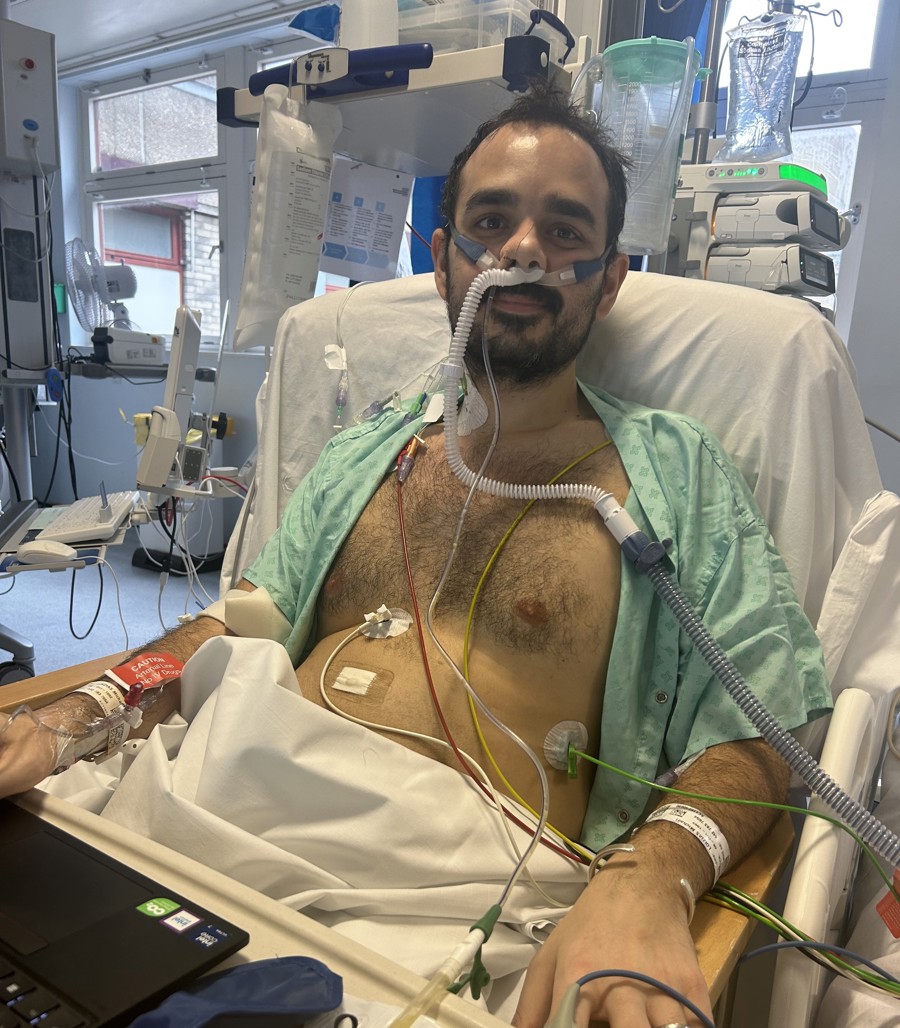
Some patients rely on ventilators for months or years. This happens with chronic lung diseases or spinal cord injuries. These people often live at home with special care.
A notable case is a man with muscular dystrophy. He lived over 20 years using a ventilator at home. Another story is about a woman with ALS who survived 8 years on ventilation.
Long-term use requires strong medical support and adjustments. Quality of life depends on many factors, including care and equipment.
These real-life examples highlight the complex nature of long-term ventilation. They show hope and the need for ongoing care and attention.
Credit: www.themarshallproject.org
Future Of Ventilator Care
The future of ventilator care holds promise for many patients. Advances in technology and medical science continue to improve how ventilators support breathing. These improvements aim to make ventilator use safer and more effective over longer periods.
Patients on ventilators may experience fewer complications. Care teams can tailor treatments to each person’s needs better. This progress helps patients live longer and with better quality of life.
Technological Advances
New ventilators include smart sensors that monitor lung function constantly. These devices adjust airflow automatically to match patient needs. Portable ventilators are becoming smaller and easier to use outside hospitals.
Software updates allow better control and data tracking. Doctors can use this data to make quick, informed decisions. Artificial intelligence aids in predicting patient responses to ventilation.
Improved Patient Outcomes
Personalized ventilation strategies reduce lung injury risks. Early detection of complications improves treatment success. Rehabilitation programs integrated with ventilator care speed up recovery.
Patients experience less discomfort and fewer infections. Family involvement and education improve care quality. These factors contribute to longer survival times on ventilators.
Credit: crohnsandcolitis.org.uk
Frequently Asked Questions
How Long Can A Person Survive On A Ventilator?
Survival on a ventilator varies widely, from days to months. It depends on the underlying illness, patient’s health, and complications. Long-term ventilation requires careful medical management and monitoring. Some patients recover quickly, while others need prolonged support or may not survive.
What Factors Affect Ventilator Survival Duration?
Survival duration depends on age, illness severity, lung function, and overall health. Complications like infections or organ failure also impact outcomes. Patient response to treatment and rehabilitation efforts plays a crucial role. Each case is unique, making precise predictions challenging.
Can Patients Regain Normal Breathing After Ventilation?
Yes, many patients regain normal breathing after ventilator support. Recovery depends on lung healing and underlying condition improvement. Gradual weaning from the ventilator helps restore natural breathing. Some may need respiratory therapy and ongoing medical care for full recovery.
What Risks Come With Long-term Ventilator Use?
Long-term ventilation increases risks of infections, lung damage, and muscle weakness. It may cause ventilator-associated pneumonia or airway injury. Prolonged immobility can lead to complications like blood clots. Close monitoring and preventive care reduce these risks significantly.
Conclusion
Living on a ventilator depends on many health factors. Some people use it for days, others for months. Doctors watch patients closely to adjust care. The goal is to help the body heal and breathe again. Ventilators support life but do not cure illness.
Each patient’s journey is different and unique. Understanding the basics helps families stay informed. Always ask healthcare providers for clear updates. Care and hope go hand in hand during this time.



