
Have you ever wondered how long someone can live on a ventilator? If you or a loved one is facing this situation, you probably have many questions and concerns.
Understanding what to expect can help you feel more in control during a difficult time. This article will guide you through the essential facts about ventilator use, how it affects the body, and what factors influence survival. Keep reading to find answers that can bring clarity and hope when you need it most.
Ventilator Basics
Understanding the basics of ventilators helps explain their role in patient care. Ventilators assist or replace breathing for people who cannot breathe well on their own. These machines are vital in many medical situations. Knowing what a ventilator is and when it is needed clarifies its importance.
What Is A Ventilator?
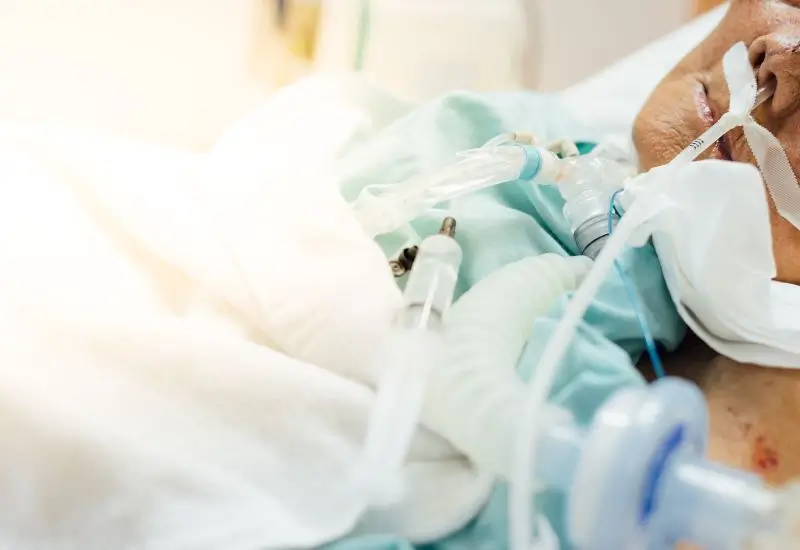
A ventilator is a machine that helps with breathing. It pushes air into the lungs through a tube. This tube goes into the windpipe to provide oxygen directly. The ventilator also helps remove carbon dioxide from the body. It supports breathing when the lungs or muscles cannot work properly.
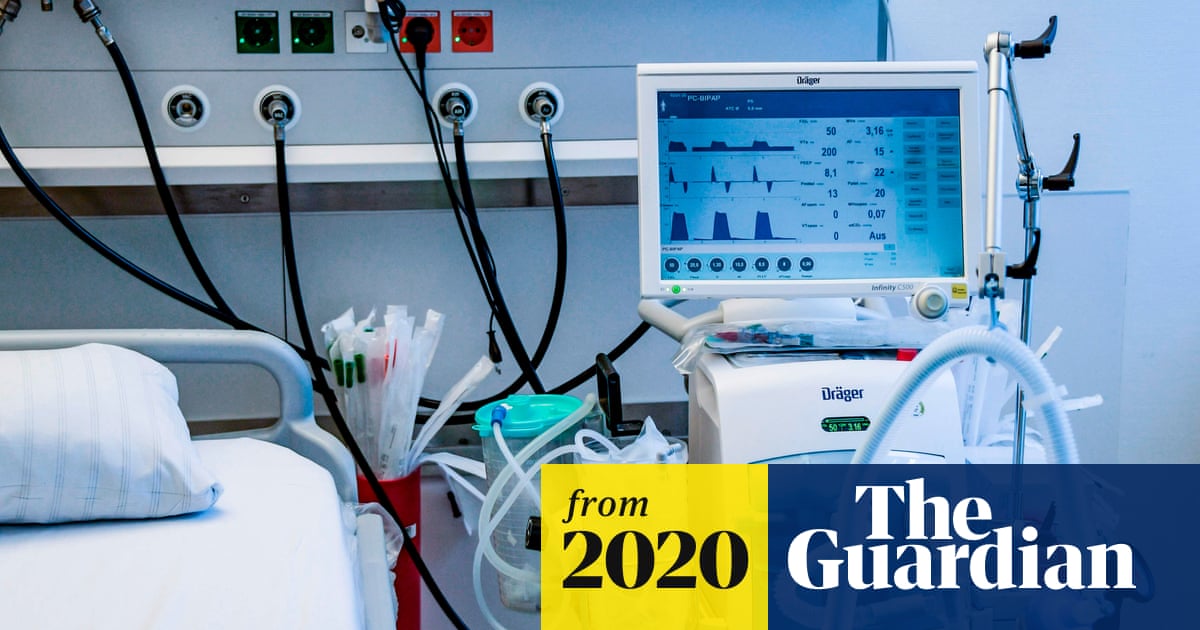
Ventilators come with settings that control air pressure and volume. Doctors adjust these settings based on patient needs. The machine can fully breathe for the patient or assist their own efforts. This flexibility makes ventilators crucial in critical care.
When Is Ventilation Needed?
Ventilation is needed when breathing is too weak or stops. Some common reasons include:
- Severe lung infections like pneumonia
- Chronic lung diseases such as COPD
- Injuries to the chest or brain
- During and after major surgery
- When the body cannot get enough oxygen
Doctors decide to use a ventilator based on blood tests, oxygen levels, and breathing effort. The goal is to keep oxygen flowing and remove waste gases. Ventilation supports the body while it heals or recovers.
Credit: www.theguardian.com
Factors Affecting Survival
Survival on a ventilator depends on several important factors. These factors influence how long a person can live with mechanical breathing support. Understanding them helps families and caregivers prepare for the challenges ahead.
Each person’s situation is unique. The body’s strength, the illness causing breathing problems, and age all play key roles. These elements affect the chances of recovery or long-term survival.
Underlying Health Conditions
Chronic diseases like heart problems or diabetes reduce survival chances. Lung diseases such as COPD make breathing harder. Weak immune systems also affect recovery. Patients with few or no serious illnesses often do better on ventilators.
Age And Physical Fitness
Older adults usually have lower survival rates. Younger patients tend to recover faster. Good physical fitness before illness helps the body cope. Strong muscles and healthy organs support breathing and healing. Frailty and poor fitness increase risks during ventilation.
Cause Of Respiratory Failure
The reason for needing a ventilator impacts survival time. Acute issues like pneumonia may allow recovery. Chronic conditions like severe lung damage lower survival odds. Sudden injuries might have better outcomes than long-term diseases. Quick treatment of the cause improves chances.
Typical Duration On Ventilators
The typical duration a person stays on a ventilator varies widely. It depends on the illness severity and patient response. Some need breathing support for a few hours or days. Others may require weeks or even months. Understanding these differences helps set realistic expectations.
Short-term Ventilation
Short-term ventilation usually lasts from a few hours to days. It supports breathing during surgery or after sudden illness. Patients often recover quickly and can breathe on their own soon. This type is common in intensive care units for acute conditions.
Long-term Ventilation
Long-term ventilation extends beyond several weeks or months. It helps patients with chronic lung diseases or severe injuries. Some people depend on ventilators for life support. Care teams monitor them closely to prevent complications and improve comfort.
Weaning Off The Ventilator
Weaning is the process of reducing ventilator support gradually. Doctors assess lung strength and breathing ability. This step can take days or weeks depending on recovery speed. Success means the patient can breathe independently again.
Risks And Complications
Living on a ventilator can save lives, but it involves risks. Understanding these risks helps in making informed decisions. Complications can arise from prolonged use, impacting overall health.
Infections And Pneumonia
Ventilators can increase the risk of infections. Germs can enter through the tube. This leads to ventilator-associated pneumonia, a serious condition. Patients need frequent monitoring to prevent infections. Good hygiene practices are crucial in care settings.
Lung And Airway Damage
Prolonged ventilator use can harm the lungs. High air pressure can cause lung injury. The airway may also suffer damage from the tube. This can lead to breathing difficulties after removal.
Muscle Weakness
Patients on ventilators may experience muscle weakness. Lack of movement contributes to this condition. It affects the muscles used for breathing. Physical therapy often helps in regaining strength.
Quality Of Life Considerations
Living on a ventilator affects more than just your physical health. It deeply touches your overall quality of life, influencing your emotional state, relationships, and daily comfort. Understanding these aspects can help you make informed decisions and find the best support to improve your experience.
Physical And Emotional Impact
The physical toll of being on a ventilator is often intense. You might face muscle weakness, skin irritation, and difficulty speaking or eating. These challenges can be frustrating and exhausting.
Emotionally, patients often feel isolated or anxious. It’s common to struggle with feelings of helplessness or fear about the future. Recognizing these emotions is crucial, so you can seek help and avoid feeling alone in this journey.
Support Systems And Caregivers
Your quality of life can improve significantly with the right support network. Family, friends, and professional caregivers play vital roles in providing both physical assistance and emotional encouragement.
Caregivers can help manage daily tasks and monitor your health, reducing stress. Don’t hesitate to lean on these people—you’re not a burden, and their support can make a real difference in your well-being.
Palliative And Comfort Care Options
Palliative care focuses on relief from pain and symptoms rather than curing the illness. It aims to improve comfort and help you live as fully as possible.
Comfort care can include therapies to ease breathing, manage pain, and support emotional health. Asking your healthcare team about these options can provide you with choices that respect your values and wishes.

Credit: www.nejm.org
Advances In Ventilator Technology
Ventilator technology has seen remarkable improvements over the years, directly impacting how long patients can live while supported by these machines. These advancements not only enhance patient comfort but also improve safety and treatment effectiveness. Understanding these innovations can give you better insight into the evolving landscape of respiratory care.
Improved Monitoring Systems
Modern ventilators come equipped with advanced monitoring systems that track a patient’s breathing patterns and lung function in real-time. These systems alert healthcare providers to any sudden changes, allowing for immediate adjustments. This continuous feedback loop reduces risks and helps maintain optimal ventilation settings tailored to the patient’s needs.
Imagine a loved one on a ventilator; knowing the machine constantly “checks” their condition offers reassurance. These monitoring tools can detect issues early, potentially preventing complications that could shorten survival time.
Portable Ventilators
Portability has transformed ventilator use, enabling patients to leave hospital settings sooner and maintain mobility. Portable ventilators are lightweight, battery-powered, and designed for use at home or during travel.
This flexibility not only improves quality of life but can also extend survival by reducing hospital-acquired infections. Have you considered how staying active and in a familiar environment might positively affect recovery and longevity?
Non-invasive Ventilation Techniques
Non-invasive ventilation (NIV) uses masks or similar devices instead of tubes inserted into the airway. This approach reduces discomfort, lowers infection risk, and makes long-term use more feasible.
Patients often tolerate NIV better, which means they can stay on ventilation support longer with fewer complications. Could this less invasive option change your perspective on ventilator treatment and its impact on lifespan?
Credit: www.wired.com
Frequently Asked Questions
How Long Can A Person Live On A Ventilator?
A person can live on a ventilator from days to several years. Duration depends on the underlying condition, age, and overall health. Long-term ventilator use requires careful medical management to prevent complications and maintain quality of life.
What Factors Affect Ventilator Lifespan Survival?
Survival on a ventilator depends on illness severity, patient age, organ function, and medical care quality. Chronic diseases and complications like infections reduce survival time. Early diagnosis and treatment improve outcomes and may extend ventilator lifespan.
Can Patients Recover After Long-term Ventilation?
Yes, some patients recover fully after long-term ventilation with proper rehabilitation. Recovery depends on the cause of respiratory failure and overall health. Physical therapy and respiratory support play key roles in regaining independence.
What Are Risks Of Prolonged Ventilator Use?
Prolonged ventilator use increases risks of infections, lung damage, and muscle weakness. Ventilator-associated pneumonia is a common complication. Regular monitoring and preventive care help reduce these risks and improve patient outcomes.
Conclusion
Living on a ventilator varies for each person. Many depend on it for weeks or months. Some recover and breathe on their own again. Others might need long-term support. Doctors watch patients closely to adjust care. Families play a big role in decisions.
Understanding the process helps reduce fear and stress. Every case is different, with many factors at play. Hope and patience remain important during this time. Ventilators give people a chance to heal and live.



