
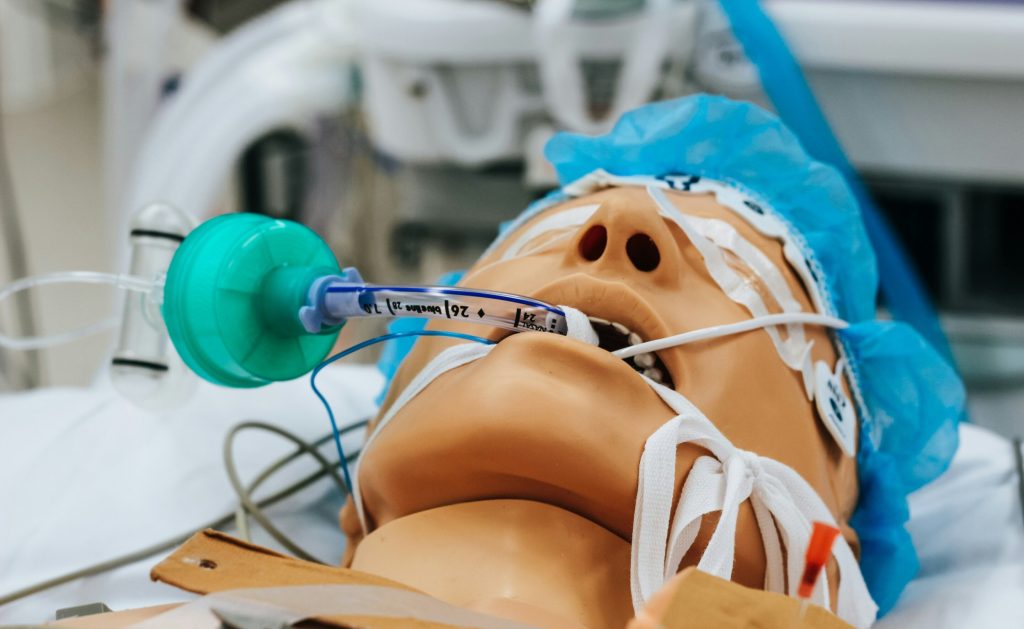
If you or a loved one ever need help breathing, a ventilator might become part of your care. But how long can you actually stay on a ventilator?
Understanding this can ease your worries and help you prepare for what’s ahead. You’ll learn what affects the length of time on a ventilator, what to expect during the process, and how doctors decide when it’s time to breathe on your own again.
Keep reading to get clear answers that can make a big difference in your journey.
Credit: www.news18.com
Ventilator Basics
Understanding ventilators is key to knowing how long a person can stay on one. Ventilators are machines that help people breathe when they cannot do so on their own. They are common in hospitals and critical care settings.
Ventilator support varies depending on the patient’s condition. It can be short-term or long-term. Knowing the basics helps to understand its role in medical care.
What Is A Ventilator
A ventilator is a machine that helps move air in and out of the lungs. It provides oxygen to the body and removes carbon dioxide. The machine connects to the patient through a tube placed in the windpipe or a mask over the face.
Ventilators can control breathing rate, volume, and pressure. They support the lungs when they are weak or injured. This support is vital during surgery or severe illness.
When Is Ventilator Support Needed
Ventilator support is needed when a person cannot breathe adequately alone. This may happen due to lung diseases, injuries, or during surgery. Common reasons include:
- Severe pneumonia or infection
- Respiratory failure
- Brain injury affecting breathing
- Chronic lung conditions
- During anesthesia for surgery
The goal is to ensure the body gets enough oxygen and removes waste gases. Doctors decide when ventilator support is necessary based on patient health and tests.
Duration Factors
The length of time a person stays on a ventilator varies greatly. Many factors influence this duration. Understanding these helps patients and families set realistic expectations. Medical conditions, age, overall health, and ventilator settings all play key roles.
Medical Conditions Affecting Time
Serious lung diseases like pneumonia or COVID-19 can increase ventilator time. Patients with chronic illnesses such as COPD or heart failure may need longer support. Trauma or surgery affecting breathing also extends ventilation duration. Recovery speed depends on how well the body heals from these conditions.
Age And Overall Health Impact
Older patients often take longer to wean off ventilators. Young, healthy bodies generally recover faster. Weak immune systems slow the healing process. Nutritional status and muscle strength also affect breathing ability. Each person’s unique health profile changes the time needed on a ventilator.
Ventilator Settings And Modes
The type of ventilator mode influences duration. Some modes provide full support, while others assist breathing partially. Doctors adjust settings based on patient progress. Lower support levels encourage natural breathing. Proper settings balance help and independence, affecting how long ventilation lasts.
Short-term Ventilation
Short-term ventilation supports patients who need breathing help briefly. It is common in hospitals and intensive care units. This type of ventilation provides oxygen and removes carbon dioxide while the patient recovers.
Doctors use short-term ventilation to stabilize breathing quickly. The goal is to support the lungs until normal breathing returns. Patients usually stay on the ventilator for a limited time.
Typical Timeframes
Short-term ventilation usually lasts from a few hours to several days. Most patients need it less than one week. The exact time depends on the illness or injury.
- Hours to 3 days: Common for minor surgeries or brief respiratory issues
- 3 to 7 days: Typical for pneumonia or mild lung injury recovery
Common Scenarios For Short Use
Patients often require short-term ventilation after surgery. It helps during anesthesia and recovery. Trauma victims may need ventilation until their breathing stabilizes.
- Postoperative care after major surgery
- Severe infections affecting the lungs
- Acute respiratory distress caused by injuries
- Temporary breathing failure from drug overdose or shock
Long-term Ventilation
Long-term ventilation supports breathing for patients needing help over weeks, months, or even years. It is often necessary for those with chronic lung diseases, spinal injuries, or neuromuscular conditions. Managing long-term ventilation requires careful planning and monitoring to ensure safety and comfort.
Extended Use Challenges
Using a ventilator for a long time can cause several problems. Patients may develop infections like pneumonia. The breathing muscles can weaken from relying on the machine. Skin sores can appear from tubes and masks. Adjusting ventilator settings often needs expert care. Emotional stress and anxiety are common. These challenges require ongoing medical support and attention.
Home Ventilation Options
Many patients use ventilators at home to improve comfort and freedom. Portable machines make this possible. Home setups include:
- Non-invasive ventilation with masks
- Tracheostomy tubes for direct airway access
- Backup power supplies for safety
Home ventilation demands training for family and caregivers. Regular checkups ensure the machine works well. This option helps reduce hospital stays and costs.
Quality Of Life Considerations
Long-term ventilation affects daily life deeply. It can limit speech and eating. Social interactions might decrease. Patients often need help with personal care. Emotional support and counseling improve well-being. Rehabilitation therapies aid physical function. Technology like communication devices boosts independence. Balancing medical needs with life goals is vital for patients and families.
Risks And Complications
Prolonged ventilator use poses risks like lung damage and infections. Complications can include weakened muscles and difficulty breathing independently. Regular assessments by healthcare professionals are crucial to minimize these risks.
Staying on a ventilator for an extended period can be a necessary intervention, but it comes with its own set of risks and complications. Understanding these can help you and your loved ones navigate the journey more informed and prepared. While ventilators can be life-saving, they can also lead to various health issues if used for too long.Infections And Lung Damage
One major concern is the risk of infections. Ventilators can increase the chance of developing pneumonia, which can complicate recovery. The tubes can also introduce bacteria into the lungs, leading to infections that are difficult to treat. Lung damage is another potential risk. The pressure from the ventilator can sometimes cause physical harm to the delicate lung tissue. This can result in a longer recovery period once off the ventilator.Muscle Weakness And Dependence
Prolonged use of a ventilator can lead to muscle weakness. The body becomes accustomed to the machine doing the work of breathing, leading to weakened respiratory muscles. This can make it challenging to breathe independently once the ventilator is removed. There’s also the issue of dependence. The longer someone is on a ventilator, the harder it can be to wean off it. This can be a daunting experience for both the patient and their family. Have you or someone you know faced these challenges? Understanding these risks can help prepare for potential outcomes and make informed decisions. Consider discussing these concerns with healthcare providers to ensure the best possible care.Weaning Off The Ventilator
Weaning off the ventilator is a critical phase in recovery for anyone who has depended on mechanical breathing support. It involves carefully reducing and eventually stopping the ventilator as your lungs regain strength. This process requires close monitoring and tailored approaches to ensure your safety and comfort.
Signs Of Readiness
How do you know when you’re ready to start weaning? Medical teams look for clear signs like stable breathing rates and adequate oxygen levels without much help from the machine. You might feel less tired and able to breathe on your own for short periods.
Other indicators include:
- Improved muscle strength and alertness
- Stable heart rate and blood pressure
- Ability to cough and clear secretions effectively
Recognizing these signs early can speed up your progress. Have you noticed your breathing feels stronger after a few days?
Weaning Strategies
Different strategies help you gradually reduce ventilator support. One common approach is the “spontaneous breathing trial,” where you breathe without assistance for a short time while being closely observed.
Other techniques include:
- Pressure support ventilation, which lessens the machine’s work
- Gradual reduction of ventilator settings over hours or days
- Using non-invasive ventilation as a bridge before complete removal
Each method suits different patients, depending on their condition. What kind of support do you think would help you feel most comfortable during this transition?
Success Rates And Outcomes
Many patients successfully wean off the ventilator with proper care. Success depends on factors like underlying illness, lung function, and overall health.
Statistics show:
| Factor | Impact on Success |
|---|---|
| Age under 65 | Higher success rates |
| Good muscle strength | Improved outcomes |
| Absence of severe lung disease | Better chances |
Some patients may need longer support or face challenges. Have you or someone you know experienced difficulties during this process? Understanding your unique situation helps set realistic goals.
Emotional And Psychological Impact
Being on a ventilator is more than just a physical challenge; it can deeply affect your emotions and mental health. The experience often brings feelings of vulnerability, anxiety, and uncertainty. Understanding the emotional and psychological impact helps prepare you and your loved ones for the journey ahead.
Patient Experience
Living on a ventilator can feel isolating. You may struggle with frustration because your body depends on a machine to breathe. Many patients report moments of fear and confusion, especially when communication is limited.
Some describe the sensation of being trapped inside their own body, unable to express themselves fully. This can lead to feelings of helplessness or loss of control. Addressing these feelings openly with your care team is crucial.
Try to focus on small victories, like being able to signal “yes” or “no,” or even just hearing a familiar voice. These moments can help you regain a sense of control and hope.
Family Support And Involvement
Your family plays a vital role in your emotional well-being during this time. Their presence can provide comfort and reduce feelings of isolation. However, seeing you on a ventilator can also be stressful for them.
Encourage your family to stay involved by learning about your care and asking questions. This helps them feel more empowered and less helpless. Simple actions, like holding your hand or talking to you, can make a big difference.
Have you thought about how your family copes with this situation? Supporting them emotionally can create a stronger support system for you. Consider inviting a counselor or support group to help everyone manage the stress together.

Credit: www.lhscri.ca

Credit: www.vhtc.org
Frequently Asked Questions
How Long Can A Person Stay On A Ventilator?
A person can stay on a ventilator from a few days to several weeks. Duration depends on the illness and recovery speed. Doctors monitor progress closely to decide when to wean off the ventilator safely.
What Factors Affect Ventilator Duration?
Factors include the patient’s age, underlying health, illness severity, and lung function. Complications like infections can extend ventilator use. Recovery and strength to breathe independently influence how long ventilation is needed.
Is Long-term Ventilator Use Dangerous?
Long-term use can increase risks like lung injury, infections, and muscle weakness. However, modern care minimizes these risks. Doctors balance benefits and potential complications when deciding ventilation duration.
Can Patients Breathe Normally After Ventilator Removal?
Most patients gradually regain normal breathing after removal. Some may need oxygen therapy or rehabilitation. Recovery varies based on illness severity and overall health condition.
Conclusion
Staying on a ventilator varies by each person’s health needs. Doctors decide the best time to remove it. Some stay for days, others for weeks or months. Recovery depends on the illness and overall strength. Support from family and medical staff helps a lot.
Always ask questions to understand the care process. Patience and hope play big roles in healing. Remember, every case is unique and needs care.



