
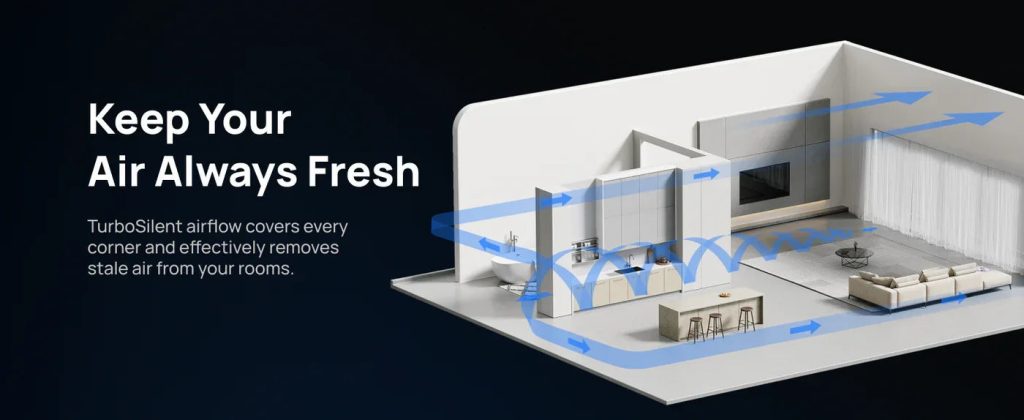
Have you ever stepped into a room that feels stuffy or smells a bit off? You might wonder, how long does it take to air out a room and bring in fresh, clean air?
Knowing the answer can make a big difference in how comfortable and healthy your space feels. You’ll discover simple tips and realistic timelines to clear out stale air quickly. Keep reading, and you’ll learn how to transform your room into a fresh, inviting place faster than you think.

Credit: itsairborne.com
Factors Affecting Airing Time
Understanding the factors that affect how long it takes to air out a room can help you speed up the process effectively. Not all rooms clear out odors or stale air at the same pace. The size of the room, how you ventilate it, the quality of the outdoor air, and even the weather outside all play a crucial role.
Room Size And Layout
Larger rooms naturally take longer to refresh because there’s more air to replace. But it’s not just about size; the layout matters too. A room with many nooks, closed-off corners, or heavy furniture can trap stale air, making it harder to ventilate quickly.
Have you noticed how a small, open kitchen feels fresher faster than a big, cluttered living room? That’s because open spaces allow air to flow freely, speeding up airing time.
Ventilation Methods
The way you bring fresh air in makes a huge difference. Opening just one window might not be enough to move air through the room efficiently. Cross-ventilation—opening windows or doors on opposite sides—creates a breeze that pushes stale air out faster.
Using fans or exhaust systems can boost this effect even more. Think about how a bathroom fan pulls out steam quickly; similar tools work great to clear out odors or stale air in other rooms.
Outdoor Air Quality
It might seem obvious to open windows for fresh air, but what if the air outside is polluted or full of allergens? Bringing in bad-quality air can defeat the purpose of airing out your room. Check local air quality reports before you decide to open windows wide.
Sometimes, keeping windows closed and using an air purifier inside works better. Have you experienced a day when outdoor smoke or pollen made your allergies worse after airing out your home? That’s a sign to adjust your strategy.
Weather Conditions
Weather has a surprising impact on how fast air moves through your room. Windy days increase airflow and help clear out stale air quickly. On still, calm days, air can linger, making the airing process slower.
Temperature differences also matter. Warm air rises, so opening windows at different heights can create natural circulation. Have you tried opening a lower window and a higher one to speed up airing? It often works better than just one window open.
Average Time To Air Out A Room
Airing out a room helps remove stale air and brings in fresh air. The time needed varies by room size and ventilation. Knowing average airing times helps plan better and keep rooms fresh.
Small Rooms
Small rooms usually take about 10 to 15 minutes to air out well. These rooms have less air volume, so fresh air replaces old air faster. Opening a window and a door can speed up the process.
Medium Rooms
Medium-sized rooms need around 20 to 30 minutes to air out completely. The larger space holds more air, so it takes longer for fresh air to circulate. Cross-ventilation with windows or fans improves airflow.
Large Rooms
Large rooms require 30 to 45 minutes to air out properly. More air volume means it takes more time for fresh air to spread. Using multiple windows or fans helps reduce airing time significantly.
Effective Ventilation Techniques
Effective ventilation is key to quickly airing out a room and improving the air quality. It’s not just about opening a window; how you move the air matters a lot. Using the right techniques helps you refresh your space faster and keeps odors, humidity, and pollutants at bay.
Cross Ventilation
Cross ventilation works best when you open windows or doors on opposite sides of a room or house. This creates a natural airflow that pushes stale air out and pulls fresh air in. Have you tried opening a window on one side and a door on the other? The difference in air movement can be surprising.
Try to keep pathways clear so air can flow without obstacles. Even a small breeze can make a big difference if it moves freely through the space.
Using Fans
Fans can speed up the airing process by pushing or pulling air in the direction you want. Place a fan near a window facing outward to push stale air outside. Alternatively, position it inside to draw fresh air in.
If you have multiple fans, set them up to create a directional flow—one blowing in and another blowing out. This setup mimics natural ventilation and increases air exchange.
Opening Windows Strategically
Not all windows need to be open at once. Open the ones that catch the wind or face shaded areas to keep the air cooler. Closing windows on the sunny side can prevent hot air from entering and reduce stuffiness.
Think about timing too. Early mornings and evenings often have cooler, fresher air. Opening windows during these times can make airing out your room faster and more effective.

Credit: travelgrrrls.wordpress.com
Quick Tips For Faster Airing
Want to speed up the process of airing out your room? It’s not just about opening a window and waiting. You can take simple actions that make a big difference in how quickly fresh air replaces stale odors and stuffiness.
Removing Odor Sources
Start by identifying and removing anything causing bad smells. Dirty laundry, leftover food, or damp items trap odors and slow fresh air from circulating.
Once you clear out these sources, the air refreshes much faster. Have you noticed how a forgotten trash bag can linger even after airing the room? Getting rid of the root cause is key.
Using Air Purifiers
Air purifiers help pull out particles and odors from the air. Choosing one with a HEPA filter can reduce dust, allergens, and some odor molecules quickly.
Running an air purifier while you ventilate the room can cut the airing time significantly. Ever felt a room still smells musty even after opening windows? An air purifier can be your extra edge.
Controlling Humidity
Humidity affects how fast air refreshes. High moisture makes the room feel stuffy and can trap odors, while very dry air might spread dust more.
Use a dehumidifier or open windows strategically to keep humidity between 30-50%. This balance helps fresh air circulate and odors dissipate faster. How dry or humid is your room right now?
Signs The Room Is Properly Aired
A room feels fresh with no damp or stale smells. Windows open wide, letting air flow freely. Surfaces feel dry, and the air feels cooler and lighter.
Identifying the signs that a room is properly aired can ensure you’re breathing cleaner, healthier air. It’s not just about opening a window and hoping for the best. You need tangible indicators that the stale, trapped air has been replaced by fresh outdoor breezes. Knowing these signs will not only enhance your living space but also improve your overall well-being. Here’s how you can tell if your room is properly aired.Fresh Smell
A telltale sign of a well-aired room is the scent. A fresh, clean aroma can indicate that the musty odors have been swept away. Imagine walking into a room and being greeted by the smell of fresh linens or a light breeze. It’s invigorating and energizing. If you can’t recall when your space last smelled fresh, it might be time to increase ventilation. Remember, a pleasant scent is not just about masking odors with air fresheners. It’s about replacing the stale air with new, oxygen-rich air. Trust your nose—you’ll know when the air is fresh and inviting.Reduced Moisture
Another sign of proper ventilation is reduced moisture levels. Excess humidity can lead to problems like mold and mildew, which are not only unsightly but can also affect your health. Does your room feel less damp or clammy than before? That’s a good indicator. Check surfaces like windows and walls for condensation. If they’re clear and dry, your ventilation efforts are paying off. Investing in a hygrometer can help you keep tabs on the humidity levels in your room. Aim for a comfortable range, typically between 30% and 50% humidity.Improved Airflow
Effective airing leads to noticeable airflow. You should feel a gentle movement of air as you walk through the room. This flow helps disperse pollutants and allergens, making the air you breathe cleaner. Stand in the center of the room and feel for any changes. Is there a gentle breeze or a noticeable circulation? If so, your room is benefiting from improved airflow. To enhance this, consider using fans strategically to push the air around. Open windows on opposite sides of the room can also create a cross breeze, ensuring air moves freely and consistently. These signs are your roadmap to a fresher, healthier living space. Are you noticing these indicators in your own room, or is it time for a ventilation revamp?Credit: www.avsforum.com
Frequently Asked Questions
How Long Does It Take To Air Out A Room Completely?
Airing out a room typically takes 15 to 30 minutes with good ventilation. Open windows and use fans to speed up the process. Factors like room size and outdoor air quality affect the time needed.
What Factors Affect Airing Out A Room Time?
Room size, ventilation quality, outdoor air conditions, and indoor humidity impact airing time. Larger rooms or poor airflow require more time. Using fans or opening multiple windows helps reduce airing duration effectively.
Is It Safe To Air Out A Room During Winter?
Yes, airing out a room in winter is safe if done briefly. Open windows for 5 to 10 minutes to avoid heat loss. Proper ventilation helps reduce indoor pollutants and improve air quality.
How Often Should You Air Out Your Room?
It’s best to air out your room daily for 10-15 minutes. Regular ventilation prevents moisture buildup and reduces indoor pollutants. Frequent airing improves overall indoor air quality and comfort.
Conclusion
Airing out a room takes time and depends on many things. Open windows and doors to let fresh air in. Moving air helps remove odors and moisture faster. Usually, 15 to 30 minutes is enough for most rooms. For strong smells, it may take longer.
Keep airflow steady with fans if possible. Regular airing improves your home’s air quality and comfort. Remember, fresh air makes a big difference in your space. Simple steps bring better air and a healthier home.



