
Have you ever stood in front of a tangled box of Christmas lights, wondering just how long a single strand really is? Knowing the length can save you time, frustration, and even money when decorating your home.
Whether you’re planning to wrap your tree, outline your roof, or brighten up your porch, understanding the length of your Christmas lights is key to getting the job done right. Keep reading, and you’ll discover everything you need to know about measuring, choosing, and using your Christmas light strands like a pro.
Credit: www.familyhandyman.com
Typical Lengths Of Christmas Light Strands
Christmas light strands come in various lengths designed to fit different spaces and decoration needs. Choosing the right length helps cover your area without too many gaps or excess wire. Knowing typical strand sizes makes planning easier and more efficient.
Indoor Light Strand Sizes
Indoor light strands usually range from 10 to 50 feet long. Smaller strands with 10 to 20 feet fit well on small trees or mantelpieces. Medium strands of 25 to 35 feet work for larger trees or window frames. Longer strands up to 50 feet suit bigger indoor spaces or stair railings.
Outdoor Light Strand Sizes
Outdoor light strands tend to be longer for covering large areas. Common lengths are between 25 and 100 feet. Shorter strands of 25 to 50 feet are good for bushes or porch railings. Longer strands, from 75 to 100 feet, are ideal for rooflines, fences, or large trees.
Mini Vs. C7 And C9 Bulb Lengths
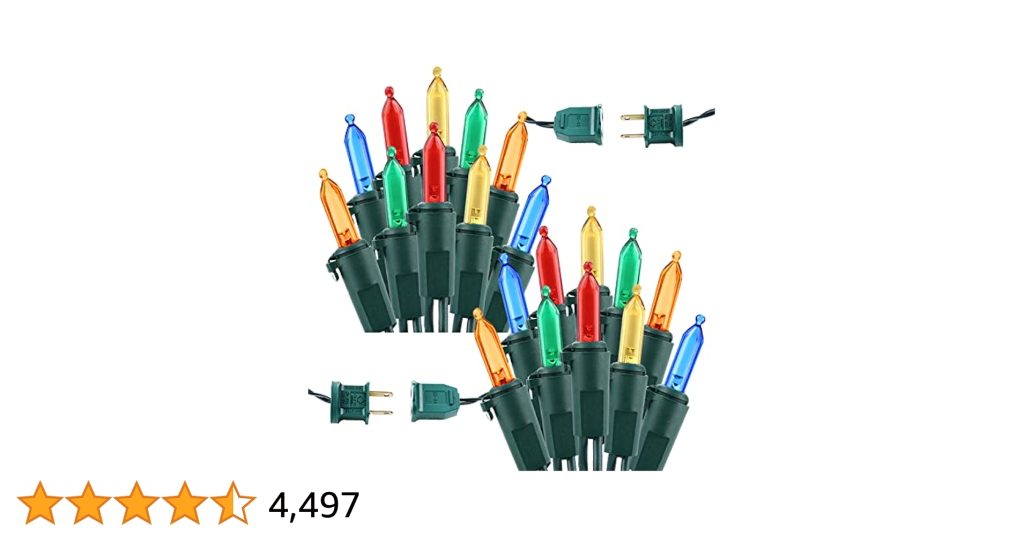
Mini lights come on strands typically 25 to 50 feet long. They have many small bulbs close together, perfect for detailed decoration. C7 and C9 bulbs are larger and spaced farther apart. Their strands are often 25 to 100 feet. C7 and C9 strands suit outdoor displays needing bright, bold lights.

Credit: www.amazon.com
Factors Influencing Strand Length
The length of a Christmas light strand varies based on several key factors. These factors affect how long the strand actually stretches and how it fits your decorating needs. Understanding them helps you choose the right strand for your space and style.
Each factor plays a role in the total length and appearance of the lights. From how far apart the bulbs are to the type of bulbs used, these details matter. Even the power source and wiring impact the strand length and setup.
Bulb Spacing Variations
The distance between bulbs changes the strand length greatly. Bulbs placed close together create a shorter, denser strand. Wider spacing means a longer strand with fewer bulbs per foot.
Common bulb spacing ranges from 2 to 6 inches. Smaller spacing suits detailed decorations or small trees. Larger spacing works well for big areas or outdoor displays.
Type Of Light Bulbs
Different bulbs affect strand length and brightness. LED bulbs are smaller and use less energy, allowing longer strands without dimming. Traditional incandescent bulbs are larger and need shorter strands to avoid power issues.
Some bulbs come in mini or C7/C9 sizes. Mini bulbs fit tight spaces, while C7/C9 bulbs offer bigger, brighter light but require more space.
Power Source And Wiring
The power source limits how many bulbs a strand can have. Low voltage strands are shorter to keep lights bright and safe. Higher voltage allows longer strands but needs thicker wiring.
Wiring type affects strand length and flexibility. Thin wires are easy to shape but may limit length. Heavy-duty wires support longer runs and outdoor use.
Measuring Your Christmas Light Strand
When decorating for the holiday season, ensuring your Christmas lights fit perfectly around your tree or along your home’s exterior is crucial. Knowing the exact length of your light strand can save you from frustrating surprises and help you plan your decorations efficiently. Let’s dive into measuring your Christmas light strand to make your holiday setup both dazzling and seamless.
Tools Needed For Accurate Measurement
Measuring your Christmas light strand accurately requires only a few basic tools that you likely already have at home.
- Measuring Tape:A flexible measuring tape, like those used in sewing, works best for handling the twists and turns of the wire.
- Marker or Masking Tape:Use this to mark the start and endpoints on the floor or table to ensure precise measurement.
- Notepad and Pen:Jot down the measurements as you go along to keep track.
Step-by-step Measuring Tips
Start by laying the light strand on a flat surface. This prevents it from tangling and helps you get a straight line.
Use the measuring tape to measure from one end of the light strand to the other. Make sure the tape follows the wire closely, especially around any bends or curves.
If your light strand is longer than your measuring tape, measure in sections. Use the marker or masking tape to mark each section’s endpoint, and then add up the measurements for the total length.
Keep a note of this measurement for future reference. This can be a lifesaver when planning next year’s decorations or buying replacement lights.
Accurate measurement can make a huge difference in your holiday decorating experience. Have you ever found yourself short of lights or with an awkward surplus? Proper measuring prevents these common pitfalls.
Choosing The Right Length For Your Space
Choosing the right length of Christmas lights for your space can transform your holiday decorating experience. Too short, and you’ll feel frustrated trying to stretch the strands; too long, and you might end up with a tangled mess or wasted lights. Understanding how to measure and plan your decorating area ensures your lights fit perfectly and shine their brightest.
Assessing Your Decorating Area
Start by measuring the exact length of the area you want to decorate. Whether it’s a mantel, staircase, or the outline of your roof, use a tape measure to get precise dimensions. Don’t forget to add extra length for corners or draping effects—usually, adding 10-20% more than your measured space helps.
Think about the shape and layout too. A straight line needs fewer lights than a zigzagging banister or a tree wrapped all around. Ask yourself: How dense do I want the lights? This influences the length and number of strands you’ll need.
Combining Multiple Strands
Sometimes, one strand just isn’t enough. Connecting multiple strands can cover larger spaces efficiently. Look for strands that have connectors at the ends to make linking easier and safer.
Keep in mind the maximum number of strands that can be safely connected. This information is usually on the packaging. Overloading can cause overheating or tripped breakers, which is not worth the risk.
Plan the order of connection to avoid excess cord length or tangled wires. You can create a neat layout by staggering the strands, leaving no dark spots.
Safety Considerations
Safety should always be your priority when choosing and installing Christmas lights. Check the manufacturer’s guidelines about maximum strand length and how many can be connected in series. Ignoring these rules can lead to electrical hazards.
Use outdoor-rated lights if you’re decorating outside, and make sure all plugs and connections are protected from moisture. Using a surge protector can add an extra layer of safety for your home’s electrical system.
Also, inspect your lights before installation. Replace any with frayed wires or broken bulbs. This simple check can prevent accidents and keep your holiday stress-free.
Custom Length Options And Extensions
Custom length options and extensions let you adjust Christmas lights to fit any space. Standard strands may not always match your exact needs. Extensions and custom modifications help you cover larger areas or tight spots. These options make decorating easier and more flexible.
Extension Cords For Lights
Extension cords increase the reach of your Christmas lights safely. Use cords rated for outdoor use if your lights are outside. Avoid overloading one cord to prevent electrical issues. Choose cords with the right length to avoid excess wire clutter. Secure connections with weatherproof covers to protect from moisture.
Diy Strand Modifications
DIY modifications let you create strands that fit unusual shapes or sizes. Cut strands carefully to avoid damaging bulbs or wires. Use wire connectors made for Christmas lights to join strands. Test each connection before hanging to ensure all lights work. This approach saves money and customizes your display perfectly.
Storing And Maintaining Light Strands
Storing and maintaining your strands of Christmas lights properly can save you from the frustration of tangled wires and burnt-out bulbs each holiday season. Taking a little time after the festivities to care for your lights ensures they stay bright and functional for years. Let’s look at how you can store them safely and fix common problems when they arise.
Proper Storage Techniques
Start by gently untangling your light strands before you put them away. Avoid stuffing them into a box or drawer where they can get knotted or crushed.
- Wrap the lights around a piece of cardboard or a spool to keep them neat.
- Use twist ties or Velcro straps to secure the strands in place.
- Store them in a cool, dry place away from direct sunlight or moisture.
Have you ever found a strand of lights with broken bulbs or exposed wires after months in storage? Proper wrapping and choosing the right container can prevent this damage. Clear plastic bins with lids are a great option because you can see what’s inside without opening the box.
Troubleshooting Common Issues
If you switch on your lights and some bulbs don’t light up, don’t give up on the entire strand immediately. Often, the problem is with just one or two bulbs.
- Check for loose or broken bulbs and replace them as needed.
- Use a voltage tester or a light tester tool to identify faulty bulbs quickly.
- Inspect the plug and wiring for any signs of damage or fraying.
Sometimes, a single burnt-out bulb can cause the whole strand to fail. You might be surprised how many strands can be fixed by simply swapping out one tiny bulb. Have you kept a few spare bulbs handy? If not, consider stocking up—they’re a lifesaver when the lights go out unexpectedly.

Credit: www.amazon.com
Frequently Asked Questions
How Long Is A Typical Strand Of Christmas Lights?
A typical strand of Christmas lights measures about 25 feet. This length fits most indoor and outdoor decorating needs. It usually contains 50 to 100 bulbs, providing enough coverage for trees and railings.
Do Led Christmas Light Strands Vary In Length?
Yes, LED Christmas light strands vary in length from 10 to 100 feet. The length depends on the brand and design. LED strands are flexible, energy-efficient, and ideal for different decoration spaces.
How Many Bulbs Are On One Strand Of Christmas Lights?
One strand of Christmas lights typically has 50 to 100 bulbs. The exact number depends on the strand’s length and bulb spacing. More bulbs create a brighter and fuller display.
Can I Connect Multiple Strands Of Christmas Lights?
Yes, you can connect multiple strands, but check the manufacturer’s limit. Most strands allow linking 3 to 5 sets safely. Overconnecting may cause electrical issues or reduce light brightness.
Conclusion
A strand of Christmas lights usually measures between 20 to 100 feet. Knowing the length helps plan your decorations better. Choose the right size to fit your space well. Too short or too long can make decorating hard. Measure your area before buying lights next time.
Simple steps save time and make your home shine bright. Enjoy decorating with the perfect strand length every year.



