
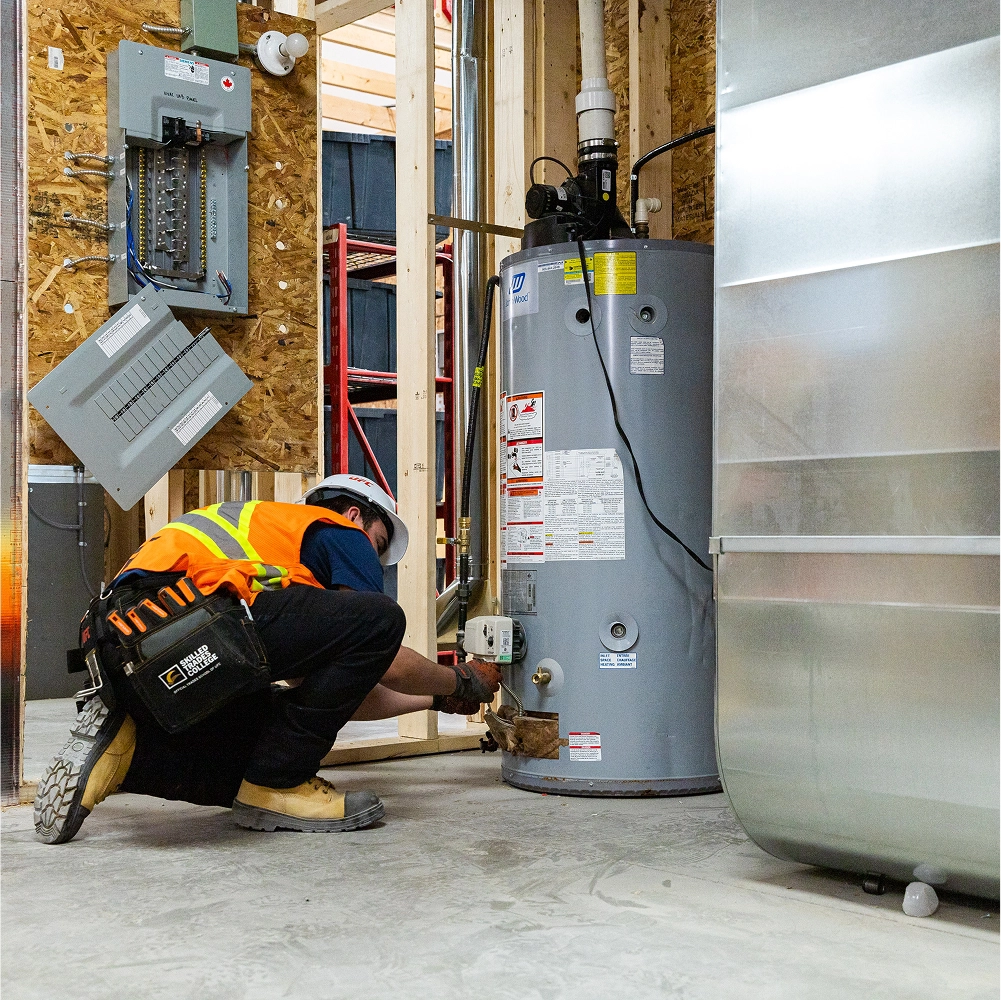
Are you thinking about starting a career in HVAC but wondering, “How long is an HVAC course?” Knowing the time it takes to complete your training is key to planning your future. You want to get skilled quickly and start working without unnecessary delays.
You’ll discover exactly how long different HVAC courses take, what factors can speed up or slow down your progress, and how to choose the right program for your goals. Keep reading to find out how soon you can step into the world of heating, ventilation, and air conditioning!
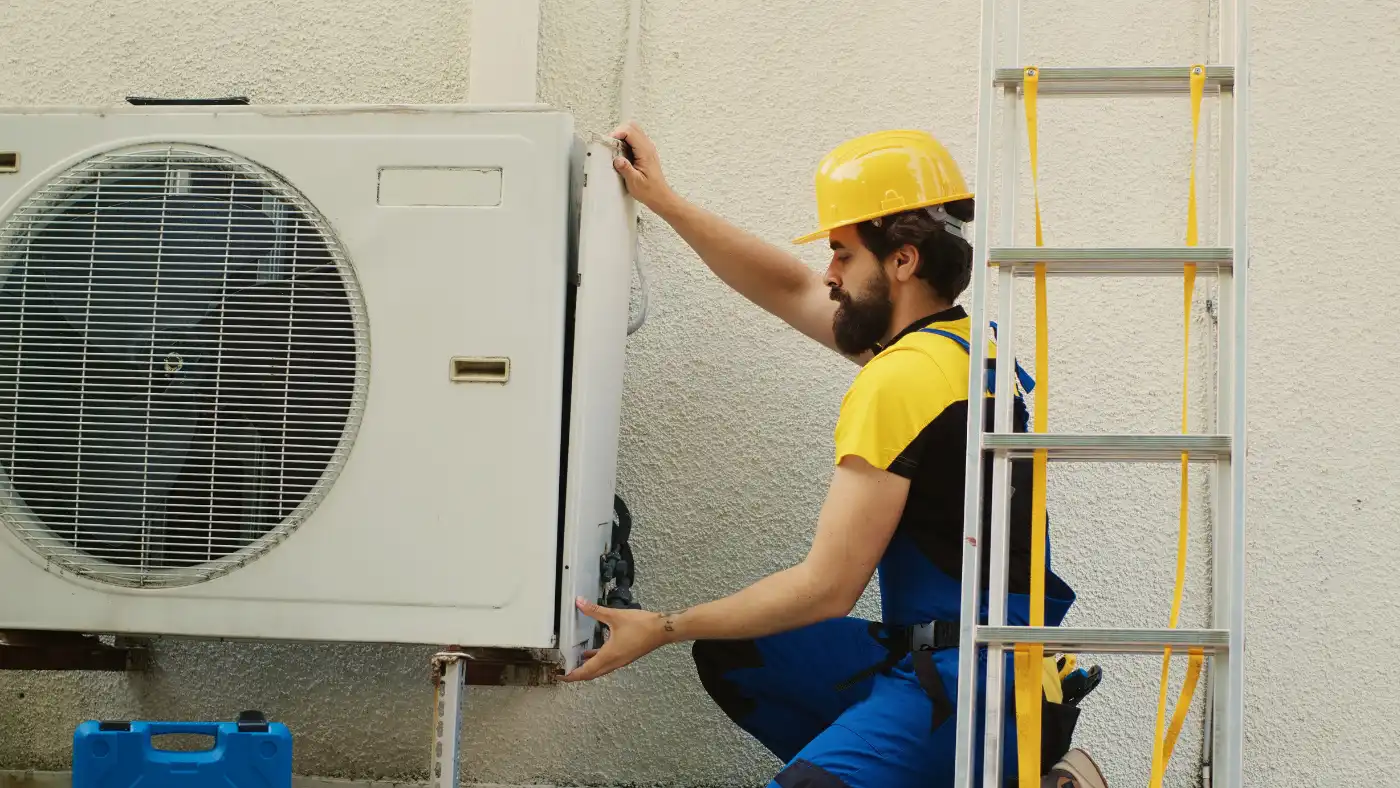
Credit: www.housecallpro.com
Hvac Course Lengths
Understanding the length of HVAC courses helps you plan your education path effectively. Different programs fit different goals and schedules. Whether you want to start working quickly or pursue advanced knowledge, knowing how long each option takes can guide your decision.
Short-term Certificate Programs
Certificate programs often last from a few weeks up to six months. They focus on essential skills like system installation, maintenance, and repair. These programs suit those eager to enter the workforce fast without a lengthy commitment.
Many students find these courses ideal for getting hands-on experience quickly. Would you prefer a quick start that builds your confidence on the job?
Diploma And Associate Degrees
Diploma programs usually take about 6 months to 1 year, while associate degrees span 2 years. These programs cover more in-depth topics, including HVAC theory, electrical systems, and energy efficiency.
They often include lab work and internships, giving you practical skills employers value. If you want a solid foundation with job-ready skills, these paths offer a balanced timeframe and depth.
Bachelor’s Degree Options
Bachelor’s degrees in HVAC or related fields typically require 4 years of study. These programs prepare you for management roles, system design, or advanced technical positions.
Choosing this route means investing more time but gaining broader career opportunities. Are you aiming for leadership roles or specialized expertise in HVAC?
Apprenticeship Duration
Apprenticeships usually last 3 to 5 years, combining paid work with classroom learning. This on-the-job training helps you build real-world skills under experienced mentors.
Though longer, apprenticeships provide invaluable experience and often lead to full-time positions. How important is earning while learning in your career plan?
Factors Affecting Course Duration
Several factors influence how long an HVAC course will take to complete. Understanding these can help you choose a program that fits your schedule and learning style. Your personal commitments, learning pace, and course format all play significant roles in determining the overall duration.
Full-time Vs Part-time Study
Full-time HVAC courses typically last between six months to one year. You’ll spend more hours per week in classes and practical labs, which speeds up your learning process.
Part-time study stretches the duration but offers flexibility if you’re juggling work or family. It might take you 12 to 24 months to finish, depending on how many hours you dedicate each week.
Think about how much time you can realistically commit. Would a fast-paced full-time course overwhelm you, or would a slower part-time schedule help you absorb the material better?
Online Vs In-person Classes
Online HVAC courses offer more freedom to learn at your own pace. Some online programs let you finish in under six months, while others take longer because you control your study speed.
In-person classes often follow a fixed schedule with hands-on training. This can be faster if you attend full-time but less flexible if you have other responsibilities.
Consider if you learn better with direct instructor feedback and hands-on practice or if you prefer studying independently. How important is physical access to equipment for your learning?
Program Intensity And Curriculum
Courses with intensive curriculums cover a lot quickly but expect long study hours and more assignments. These programs suit motivated learners who want to jump into the field fast.
Less intensive programs spread out the material, giving you more time to understand complex topics. You might find this approach reduces stress and improves retention.
Check what the curriculum includes. Does it focus on basic HVAC skills only, or does it also offer advanced topics like refrigeration or system design? The more comprehensive the content, the longer the course may take.
Key Benefits Of Hvac Training
Understanding the key benefits of HVAC training helps you see why investing your time in a course is worthwhile. It’s not just about learning how to fix heating and cooling systems; it’s about opening doors to new possibilities in your professional life. Let’s look at how HVAC training can directly impact your career path, skills, certifications, and income.
Career Opportunities
Completing an HVAC course puts you in a strong position to access various job roles. You can work as an HVAC technician, installer, or maintenance specialist across residential, commercial, and industrial sectors.
Many companies actively seek trained professionals due to the growing demand for climate control solutions. Have you thought about which specific industry or type of employer fits your career goals best?
Skill Development
HVAC training teaches you practical skills that you can apply immediately. You’ll learn how to diagnose problems, perform repairs, and maintain systems efficiently, giving you confidence on the job.
This hands-on experience also sharpens your problem-solving abilities and technical knowledge, which employers highly value. How would mastering these skills change your daily work routine?
Certification And Licensing
Many HVAC courses prepare you for certifications and licensing exams required in your area. These credentials prove your expertise and make you eligible for more advanced roles.
Holding a recognized certification often means you can work independently or even start your own business. What doors could official certification open for your future?
Earning Potential
Training in HVAC directly affects your earning power. Certified technicians typically earn higher wages than those without formal education.
As you gain experience and additional certifications, your income can grow significantly. Are you ready to invest in yourself and see a real return in your paycheck?

Credit: technologiesera.com
Choosing The Right Hvac Program
Choosing the right HVAC program affects your learning and career success. Different schools offer various course lengths and features. Some focus more on theory, others on practical skills. Picking a program with the right balance matters. Consider key factors to make a smart choice.
Accreditation And Reputation
Check if the program is accredited by a trusted agency. Accreditation ensures the school meets quality standards. A good reputation means employers recognize the program’s value. Read reviews and ask for alumni feedback. Accredited schools often have updated curriculum and better resources.
Cost And Financial Aid
Compare tuition fees across different programs. Some schools charge more but offer scholarships or grants. Financial aid can reduce your expenses. Consider total cost, including books and supplies. Affordable options make learning easier without heavy debt.
Hands-on Training Availability
Practical experience is vital in HVAC training. Look for programs with labs or real equipment training. Hands-on practice builds confidence and job skills. Some courses include internships or externships. These help you apply knowledge in real work settings.
Job Placement Support
Good programs assist students in finding jobs. They may offer resume help, interview coaching, or job fairs. Some have partnerships with local employers. Job placement support increases chances of quick employment. Ask about their placement rates before enrolling.
Preparing For An Hvac Career
An HVAC course typically lasts from six months to two years, depending on the program type. Shorter courses offer basic skills, while longer programs provide in-depth training and certification. Choosing the right length helps match your career goals and schedule.
Preparing for an HVAC Career Embarking on an HVAC career is an exciting journey filled with opportunities to learn and grow. Preparing for this path involves acquiring essential skills, understanding the latest industry trends, and considering continuing education options. With dedication and the right training, you can build a successful career in this ever-evolving field.Essential Skills To Acquire
To thrive in an HVAC career, you need a strong foundation in both technical and soft skills. Technical skills include understanding heating and cooling systems, electrical wiring, and troubleshooting techniques. Soft skills like communication and problem-solving are equally crucial, helping you interact effectively with clients and colleagues. Hands-on experience is invaluable. Consider volunteering or interning with a local HVAC company to gain practical knowledge.Continuing Education Options
The HVAC industry is constantly changing with new technologies and regulations. Staying updated through continuing education is essential. Look for workshops, seminars, and online courses that focus on the latest advancements in HVAC systems. Certification programs can also boost your career prospects. Many professionals pursue certifications from organizations like NATE or EPA to demonstrate their expertise.Industry Trends To Watch
Keeping an eye on industry trends ensures you remain competitive in the HVAC field. One trend is the increasing demand for energy-efficient systems. As environmental awareness grows, clients seek HVAC solutions that reduce energy consumption and costs. Smart technology integration is another trend shaping the industry. Systems that can be controlled via smartphones or integrate with home automation are becoming more popular. Are you ready to embrace these changes and advance your HVAC career? Staying informed and adaptable will set you apart in this dynamic industry.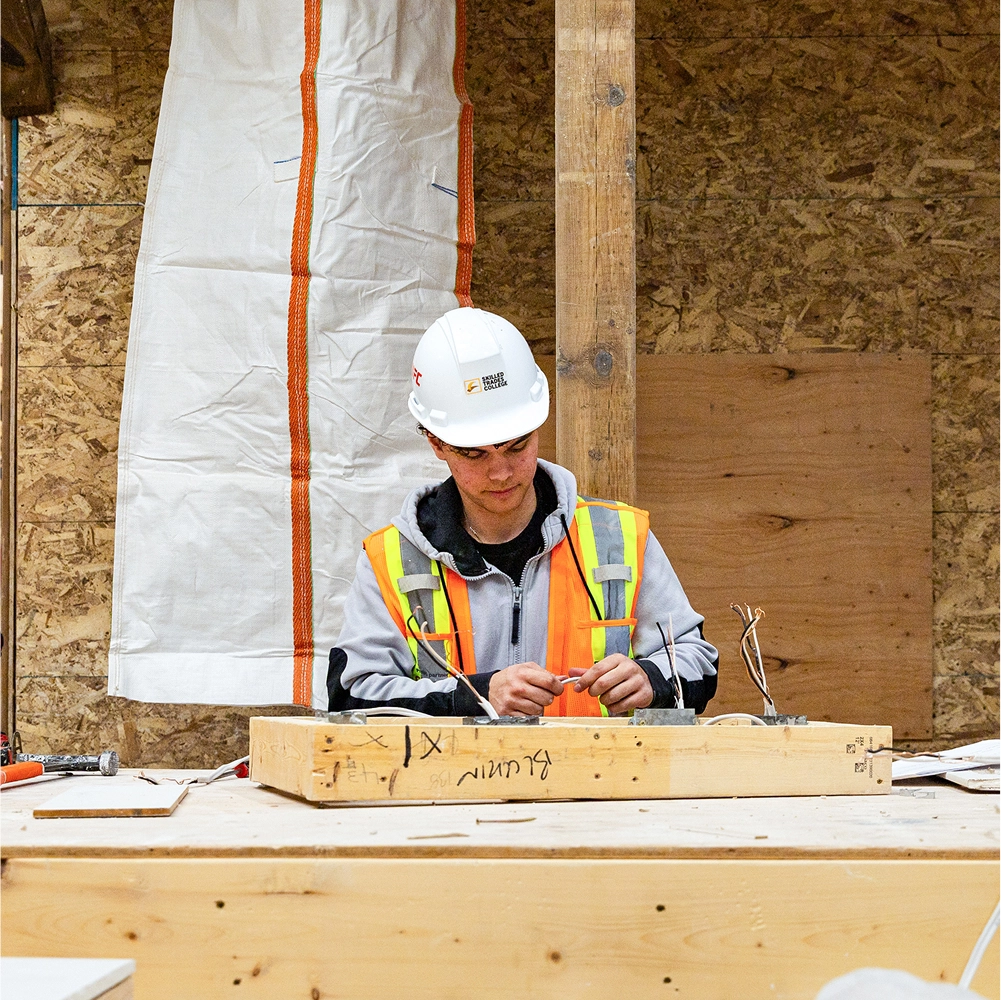
Credit: www.skilledtradescollege.ca
Frequently Asked Questions
How Long Does A Typical Hvac Course Take?
An HVAC course usually lasts between 6 months to 2 years. The duration depends on the program level and institution. Short-term certificates take around 6 months, while associate degrees may require 2 years.
Can I Complete An Hvac Course Online?
Yes, many institutions offer online HVAC courses. These programs allow flexible study schedules and cover essential HVAC skills. However, hands-on training might be required in person for practical experience.
What Factors Affect Hvac Course Length?
Course length varies due to program type, curriculum depth, and study pace. Full-time programs are shorter, while part-time options take longer. Certification, diploma, or degree programs also differ in duration.
Is An Hvac Course Duration Enough To Get Certified?
Most HVAC courses prepare students for certification exams. The duration is designed to cover necessary knowledge and skills. However, additional study or work experience may improve certification success.
Conclusion
An HVAC course usually takes a few months to complete. Some programs last as short as three months, while others may take up to six months. The length depends on the course type and your schedule. Short courses focus on basics, while longer ones cover more skills.
Choose the program that fits your goals and time. Remember, completing the course helps you start a career in HVAC. It’s a practical step toward working in heating and cooling systems. Keep your focus, and you will finish the course successfully.



