
Choosing the right coffee table size can change the whole feel of your living room. You might wonder, how long should a coffee table be to fit perfectly in your space?
Picking the wrong size can make your room look crowded or empty, and that’s not what you want. You’ll discover simple tips to find the ideal coffee table length that matches your style and space. Keep reading to make sure your coffee table fits just right and brings comfort and style to your home.
Ideal Coffee Table Length
Choosing the ideal length for your coffee table can change how your living space feels and functions. It’s not just about fitting the table in the room; it’s about creating balance and convenience. A well-sized coffee table supports your daily activities, whether that’s enjoying a cup of coffee, working on a laptop, or gathering with friends.
Standard Length Ranges
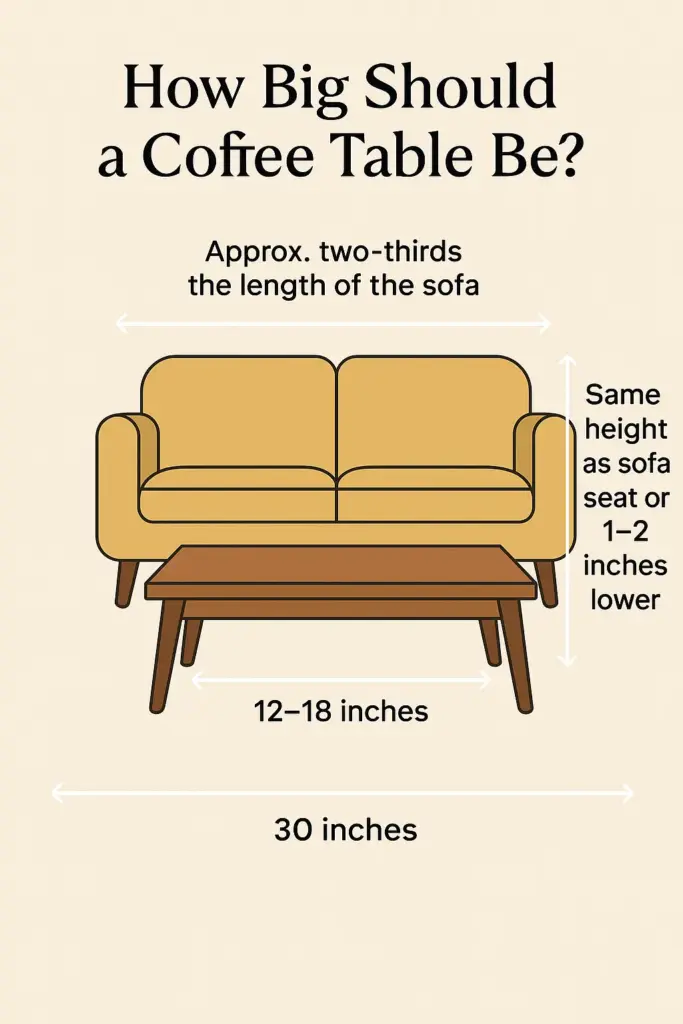
Coffee tables typically fall within a length range of 36 to 48 inches. This size works well in most living rooms because it complements the average sofa length, which is usually between 72 and 90 inches. A good rule of thumb is to choose a table that’s about two-thirds the length of your sofa.
Shorter tables, around 36 inches, fit well in small or narrow spaces. Larger tables, closer to 48 inches, offer more surface area for bigger rooms or open floor plans. If your seating arrangement is unique, consider a custom length that suits your layout.
Factors Influencing Length Choice
Think about how you use your coffee table daily. Do you often have snacks and drinks on it? Or is it mainly decorative? The answer can guide you toward a longer or shorter table.
Room size plays a big role. You want enough space to walk around comfortably—aim for at least 18 inches between the table and surrounding furniture. If your living room is compact, a shorter table prevents crowding and keeps things open.
Also, consider your seating arrangement. If you have multiple chairs or a sectional, a longer table might better serve your needs. On the other hand, if your sofa faces a media console, a shorter table could keep the space balanced and uncluttered.
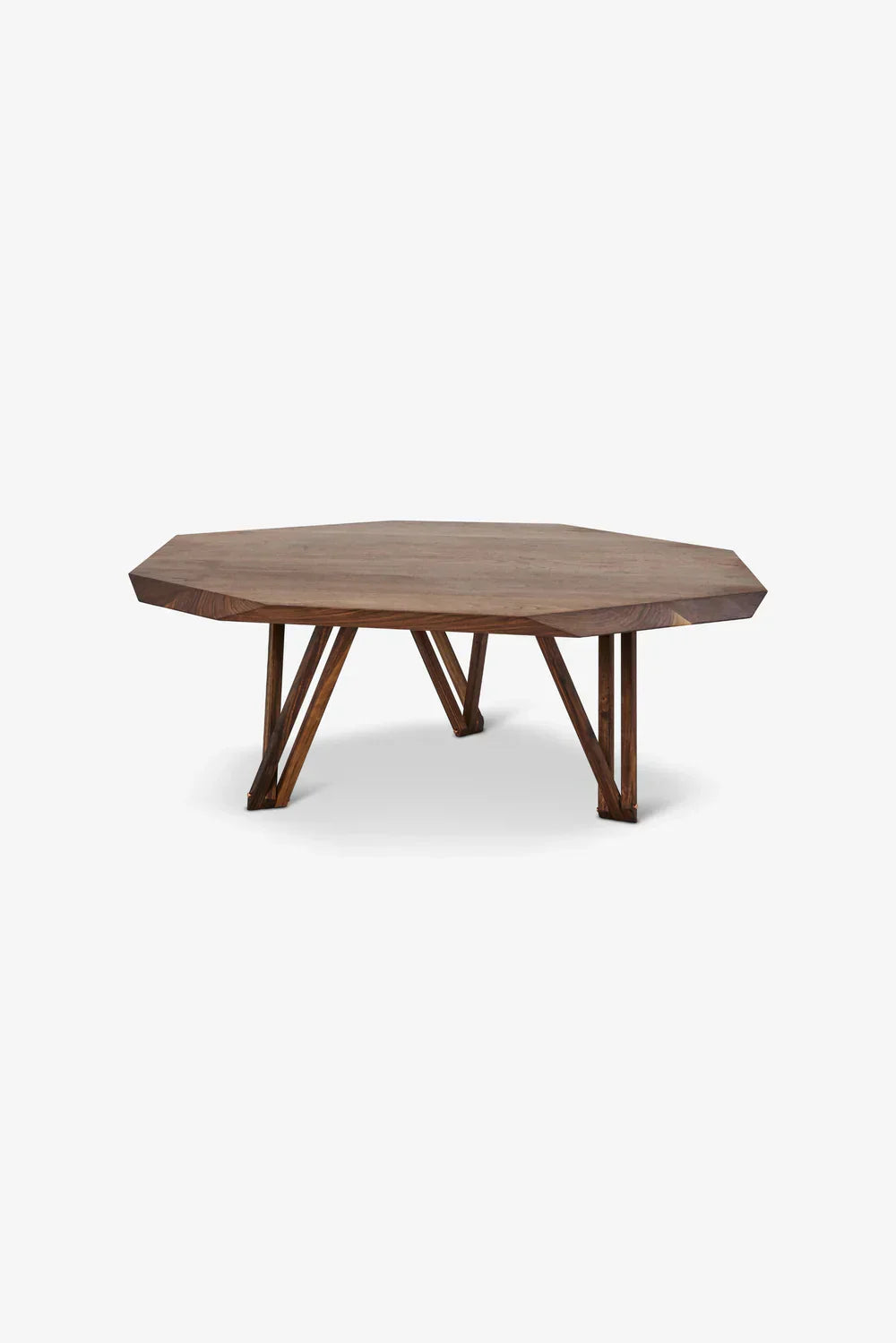
Credit: noyerdenmark.com
Matching Table Length To Sofa Size
Matching the length of your coffee table to your sofa size is key to creating a harmonious and functional living space. A well-sized coffee table complements your sofa, making your room feel balanced and inviting. But how do you find the right match without guessing?
Proportions For Balance
The coffee table should generally be about two-thirds the length of your sofa. This ratio keeps the table visible but not overpowering. If your sofa is 90 inches long, aim for a coffee table around 60 inches.
Height matters too. Your coffee table should be roughly the same height as the sofa cushions, usually between 16 and 18 inches. This makes it easy to reach for drinks, books, or the remote without straining.
Think about the space around the table. Leave at least 18 inches between the sofa and the table for comfortable movement. Too close, and it feels cramped; too far, and it loses connection.
Common Sofa And Table Combinations
| Sofa Length | Suggested Coffee Table Length | Recommended Height |
|---|---|---|
| 72 inches (6 feet) | 48 inches (4 feet) | 16-18 inches |
| 84 inches (7 feet) | 56 inches (4.5 feet) | 16-18 inches |
| 96 inches (8 feet) | 64 inches (5.3 feet) | 16-18 inches |
Have you ever placed a coffee table that was either too big or too small? That awkward feeling happens because the proportions are off. Use these common combinations as a starting point to avoid that problem.
Choosing the right coffee table length isn’t just about numbers. It’s about how your space feels and functions. What’s the last coffee table setup you found comfortable or uncomfortable? Why?
Room Size And Layout Considerations
Choosing the right coffee table size depends on room size and layout. A well-suited table enhances the room’s functionality and style. Considerations for room dimensions and traffic flow are essential.
Small Vs Large Spaces
Small rooms need compact coffee tables. This ensures space remains uncluttered. Choose a table that offers storage options. This helps maintain a neat environment. In contrast, large spaces can accommodate bigger tables. These tables can serve as focal points. Ensure the table doesn’t overpower the room. Balance is key in both scenarios.
Traffic Flow And Accessibility
Consider how people move around the room. A coffee table should not obstruct pathways. There should be enough space to walk easily. Ideally, leave 18 inches between the sofa and table. This allows for comfortable access. Ensure the table height suits seating arrangements. Ease of reach is important for usability. A well-placed table enhances room accessibility.

Credit: tribesigns.com
Functionality And Usage
Choosing the right length for your coffee table depends heavily on how you use it daily. The table should fit your lifestyle, whether you’re hosting friends or just relaxing with a book. Understanding the functionality and usage helps you pick a size that feels natural and supports your needs.
Entertaining And Serving Needs
Think about how often you entertain guests in your living room. A longer coffee table offers more surface area for drinks, snacks, and appetizers. This means you won’t have to juggle plates or make multiple trips to the kitchen.
On the other hand, if your gatherings are small and casual, a shorter table might keep the space cozy and accessible. The right length also allows easy reach from all seating positions, so no one has to stretch awkwardly to grab something.
Ask yourself: Do you want a table that acts as a centerpiece for socializing, or is it more of a casual spot for your morning coffee? Your answer will guide you toward the ideal size.
Storage And Multi-purpose Tables
Coffee tables with built-in storage can double as organizers for magazines, remotes, or board games. If you often find your living room cluttered, a longer table with shelves or drawers might be a game-changer.
Multi-purpose tables can also serve as extra seating or even a workspace. Consider a length that balances enough surface area with the ability to fit under or beside other furniture when needed.
Think about how often you switch between different uses. Is your coffee table mainly for holding items, or do you need it to adapt throughout the day? This impacts how long it should be to fit those roles comfortably.
Shape Impact On Length Choices
The shape of your coffee table plays a big role in deciding its length. Different shapes fit differently into your living space and influence how you interact with the table. Understanding these impacts can help you pick the right size that feels just right for your room and lifestyle.
Rectangular Vs Round Tables
Rectangular coffee tables usually require more length because they stretch along the sofa. They work well in longer rooms and create a clear line for placing drinks, books, or decor. But if your space is tight, a long rectangular table might feel overwhelming and block movement.
Round tables, on the other hand, often have shorter lengths but wider diameters. They encourage easier flow around them and avoid sharp corners, making them safer in homes with kids or pets. Have you ever noticed how round tables invite more casual and social seating arrangements?
Square And Oval Options
Square coffee tables strike a balance between rectangular and round shapes. Their length equals their width, so you get a compact but substantial surface area. These tables fit well in square rooms or seating areas arranged around a central point.
Oval tables combine the best of both worlds with a smooth, elongated shape that softens the room’s feel. They often require a moderate length that can complement both small and medium spaces. If you want a shape that offers elegance without taking up too much room, oval might be your go-to.
Measuring Tips For Perfect Fit
Choosing the right size for a coffee table requires careful measuring. Getting the fit perfect enhances the room’s look and function. Measure the space and furniture around the area to ensure harmony. Use the right tools and follow simple techniques for accuracy. Avoid common errors that lead to poor fit or awkward placement.
Tools And Techniques
Start with a tape measure for precise length and width. A ruler or yardstick works for smaller dimensions. Use a notepad to jot down measurements. Mark the floor with painter’s tape to visualize size. Measure the distance between sofas and chairs. Check the height relative to seating for comfort. Take multiple measurements to avoid mistakes. Use a string to measure curved areas or odd spaces.
Avoiding Common Mistakes
- Don’t guess sizes; always measure twice or thrice.
- Avoid choosing a table that blocks pathways.
- Don’t pick a table too tall or too short for seats.
- Leave at least 18 inches between the table and seating.
- Remember to consider room for legs under the table.
- Don’t forget to factor in additional furniture nearby.
Style And Design Influence
The style and design of a coffee table play a big role in deciding its length. Every room has a unique look that the table should complement. Choosing the right size helps the table fit naturally in the space. It also keeps the room balanced and inviting.
Matching Interior Themes
The coffee table should match the room’s theme to look right. In a modern room, sleek and simple tables work best. For rustic or farmhouse styles, longer wooden tables add charm. A small, ornate table suits classic or vintage interiors well. This match creates harmony between furniture and decor.
Think about the room’s flow too. A table that is too long or too short can feel out of place. The table should feel like a natural part of the design, not a separate piece.
Material And Visual Weight
Materials affect how heavy or light a table looks. Glass or acrylic tables appear lighter and often work well in small spaces. Heavy wood or metal tables tend to look bulkier and need more space. Visual weight impacts the perceived length of the table.
A thick, solid table may need to be shorter to avoid crowding the room. Thin legs and open designs can allow for longer tables without feeling heavy. The right balance keeps the room open and comfortable.
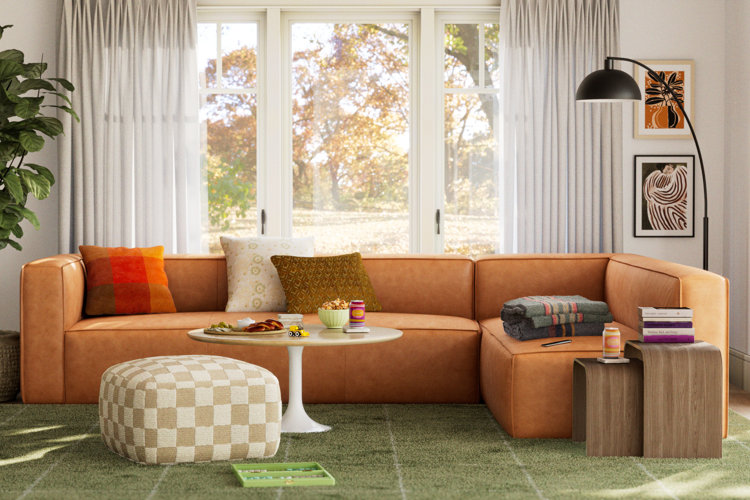
Credit: www.wayfair.com
Frequently Asked Questions
What Is The Ideal Length For A Coffee Table?
The ideal coffee table length is about two-thirds the length of your sofa. This ensures balance and easy access. It fits well in most living rooms without overcrowding the space.
How Does Room Size Affect Coffee Table Length?
Room size dictates coffee table length to maintain flow and comfort. Smaller rooms need shorter tables, while larger rooms can accommodate longer ones. Proper sizing avoids clutter and enhances room aesthetics.
Should Coffee Tables Match The Sofa Length?
Coffee tables should be slightly shorter than the sofa length, usually two-thirds. This proportion keeps the space visually appealing and functional. Matching lengths exactly can look awkward and limit movement.
How High Should A Coffee Table Be?
The coffee table height should be level with or slightly lower than sofa cushions. This makes it comfortable for placing items and easy to reach. Typically, 16-18 inches high suits most sofas.
Conclusion
Choosing the right coffee table length shapes your living room’s feel. Aim for a size that fits your space and seating. Too long or too short can look awkward and feel uncomfortable. Think about how you use the table daily.
Comfort and style matter most. A well-sized coffee table makes your room cozy and balanced. Take your time to measure and decide carefully. This small step can change your room’s look a lot. Simple, smart choices bring great results.



