
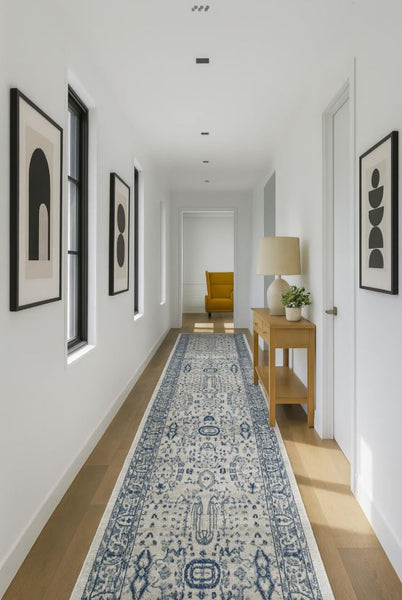
Are you wondering how long your hallway runner should be? Choosing the right size can transform your space from dull to inviting.
But if it’s too short or too long, it might look awkward or even become a tripping hazard. You want a runner that fits perfectly, making your hallway feel cozy and stylish. Keep reading, and you’ll discover simple tips to pick the ideal length that suits your hallway and enhances your home’s look.
Choosing The Right Length
Choosing the right length for a hallway runner affects both style and function. The runner should fit the hallway without overwhelming or looking too short. It creates a smooth path and enhances room flow. Picking the perfect length is key to balance in your space.
Standard Lengths Explained
Hallway runners come in common sizes that suit many spaces. Typical lengths include 6, 8, 10, and 12 feet. The width usually ranges from 2 to 3 feet. These sizes fit most hallways and provide enough coverage for safe walking.
Choose a runner that leaves some bare floor at each end. About 6 to 12 inches of visible floor on both sides works well. This framing effect adds a polished look to the hallway.
Customizing Runner Size
Measure your hallway before buying a runner. Custom lengths can fit unusual or extra-long hallways. Custom runners give a tailored look that matches your home exactly.
Consider trimming a longer runner for a perfect fit. Some materials allow easy cutting without fraying. Customizing helps avoid too much or too little coverage.
Remember to keep a border of bare floor at both ends. This prevents the runner from overwhelming the hallway space.

Credit: www.paintingforhome.com
Measuring Your Hallway
Measuring your hallway accurately is the first and most important step to choosing the perfect runner. Without precise measurements, your new rug could end up too short, too narrow, or just awkwardly placed. Taking the time to measure properly helps you avoid costly mistakes and ensures the runner complements your space beautifully.
Key Dimensions To Note
Start by measuring the total length of your hallway from one end to the other. This gives you the maximum length available for your runner.
Next, measure the width of the hallway. This ensures the runner fits comfortably without crowding the space or looking too narrow.
Don’t forget to note any doorways or obstacles like vents and radiators that might affect the placement of the runner. These details impact how much space you have and where the runner can safely lay.
Tools For Accurate Measurement
A simple tape measure is your best friend here. It’s easy to use and gives you accurate results quickly.
If your hallway has an unusual shape or corners, a laser distance measurer can be very helpful for precise readings. It’s especially useful if you want to avoid bending or stretching to reach far corners.
Use a notepad or a smartphone to jot down your measurements as you go along. This helps you keep track and prevents mix-ups when you shop for your runner.
Style Considerations
Choosing a hallway runner length depends on the hallway size and furniture placement. It should leave some floor space visible at both ends for balance. A runner that covers most of the hallway but stops short near doors creates a neat look.
When it comes to selecting the perfect hallway runner, style considerations play a crucial role. A well-chosen runner does more than just protect your flooring—it can also transform your hallway into a welcoming passageway that reflects your personal taste. But how do you ensure that your runner complements the style of your home? Here, we break down key style elements that you should consider when choosing a hallway runner.Runner Length And Room Proportion
The length of your runner should be in harmony with the dimensions of your hallway. A runner that is too short may make your space look disjointed, while an overly long runner can overwhelm it. Consider a runner that leaves a small margin of bare floor at each end to create a balanced look. Think about how the runner length interacts with the overall room proportions. Does it enhance the flow from one room to another? A hallway that connects larger rooms might benefit from a longer runner to maintain visual continuity.Matching Runner To Hallway Width
Getting the width right is crucial. A runner that’s too narrow can look out of place, while one that’s too wide may not leave enough visible flooring on the sides, which is key for aesthetic balance. Aim for a runner width that leaves 4 to 6 inches of floor exposed on either side. This approach not only frames the runner beautifully but also ensures it complements other elements in your hallway, such as baseboards and wall décor. Does the width of your runner allow room for furniture or décor on the walls? Ensure it does, so the hallway doesn’t feel cramped or cluttered. Making these style considerations will ensure your hallway runner is not just a practical choice, but a stylish one too. So, what’s your hallway’s story, and how will your runner tell it?Placement Tips
Proper placement of a hallway runner enhances both style and safety. Careful positioning keeps the runner looking balanced and prevents tripping hazards. These tips help you place your runner perfectly in your hallway space.
Spacing From Walls
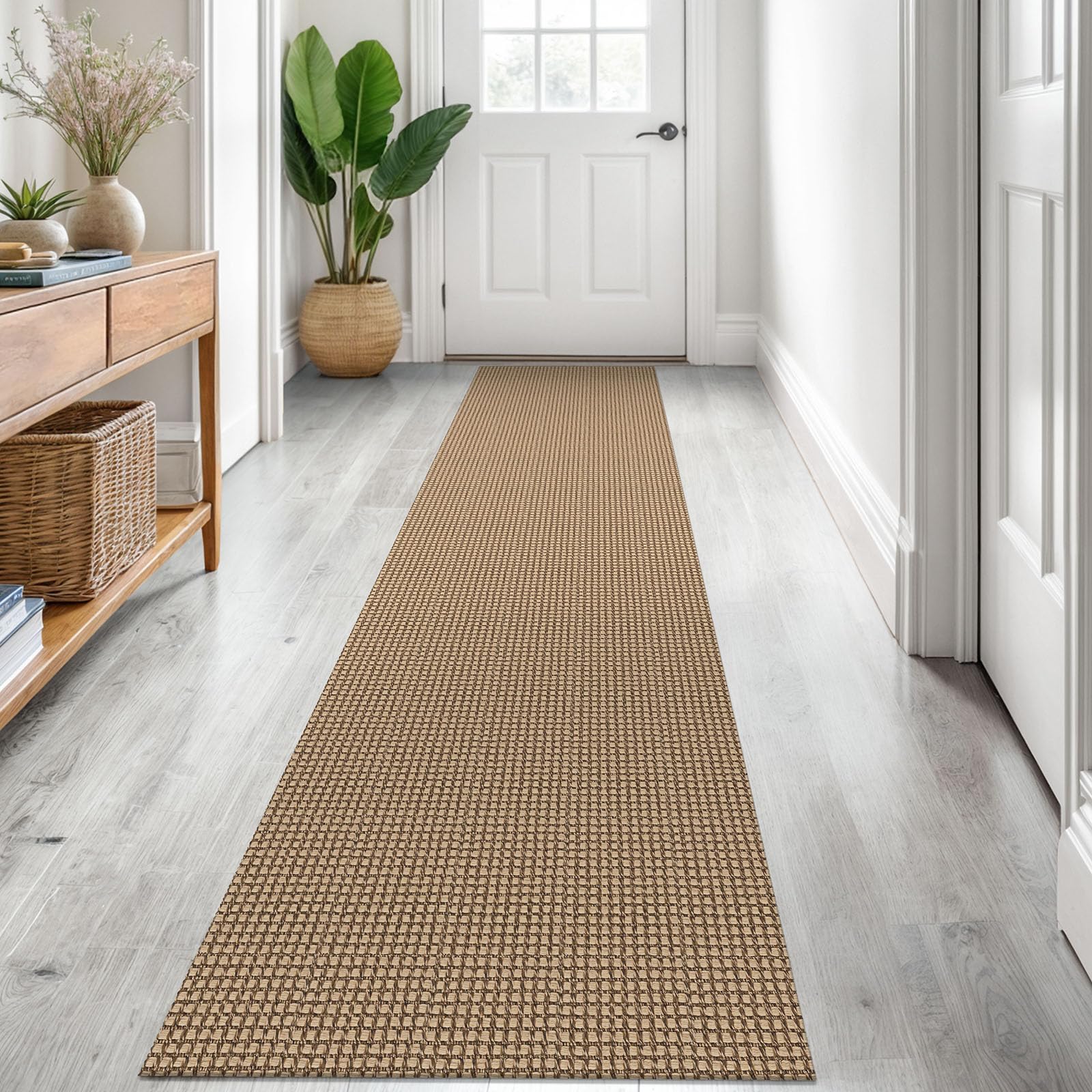
Leave some space between the runner edges and the walls. About 6 to 12 inches is ideal. This gap frames the runner and shows off the floor beneath. Too close to the walls, the runner may look squeezed or cause curling edges.
Measure the hallway width before buying. Subtract 12 to 24 inches from the total width. This gives you the right runner width to keep proper spacing.
Positioning Near Doors And Furniture
Keep the runner a few inches away from door thresholds. This prevents the runner from blocking door movement or catching under the door. A 2 to 4 inch gap works well.
Place the runner so it does not block furniture feet or create awkward walking paths. Avoid pushing it under furniture legs unless the runner is thin and flat. This helps keep the runner flat and reduces wear.
Material And Maintenance
Choosing the right material for a hallway runner affects its lifespan and ease of care. Hallways see a lot of foot traffic, so durability matters. Maintenance depends on the fabric type and construction. Understanding material options helps keep your runner looking fresh and lasting longer.
Durable Materials For High Traffic
Natural fibers like wool offer strength and softness. Wool resists dirt and hides wear well. Synthetic fibers such as nylon and polyester are tough and stain-resistant. They handle heavy use without fading quickly. Flatweave runners are less likely to snag or show dirt. Choose materials that stand up to daily walking and occasional spills.
Cleaning And Care Guidelines
Vacuum your runner regularly to remove dust and debris. Spot clean stains immediately using mild detergent and water. Avoid harsh chemicals that damage fibers or colors. For wool runners, use a vacuum with a brush attachment. Synthetic runners often tolerate gentle machine washing or professional cleaning. Rotate your runner occasionally to promote even wear and keep it looking new.
Credit: www.amazon.ca
Common Mistakes To Avoid
Choosing the right hallway runner length might seem simple, but many get it wrong. These mistakes don’t just affect appearance—they can impact safety and the overall flow of your space. Avoid these common errors to make your hallway both stylish and practical.
Choosing A Runner Too Short Or Too Long
A runner that’s too short can look awkward, leaving large gaps of bare floor that break the visual flow. It might also shift underfoot, creating a tripping hazard. On the other hand, a runner that’s too long can overwhelm the hallway, crowd doorways, and make the space feel cramped.
Think about the function as well as the style. Would you want a runner that ends right at the door, or one that stops a few inches before? A good rule is to leave 4 to 6 inches of bare floor on each end, but your hallway’s unique size matters most.
Ignoring Hallway Shape And Obstacles
Hallways aren’t always simple straight paths; many have nooks, corners, or furniture along the way. Ignoring these features can lead to a runner that bunches up or doesn’t lay flat. This not only looks messy but can cause trips.
Consider measuring around obstacles and visualizing how the runner will fit. Sometimes, a custom length or even two shorter runners work better than one long piece. Have you noticed runners that seem to fight your hallway’s shape instead of complementing it?

Credit: www.amazon.ca
Frequently Asked Questions
How Long Should A Hallway Runner Be?
A hallway runner should leave 4-6 inches of floor visible on each side. It must be about 2-3 feet shorter than the hallway length for balanced aesthetics.
Can A Hallway Runner Be Longer Than The Hallway?
No, the runner should never be longer than the hallway. It needs to fit comfortably within the space, leaving some floor area exposed at both ends.
Should Hallway Runners Extend Under Doors?
Hallway runners usually stop short of doorways. Extending under doors can cause tripping hazards and damage to the runner edges or doors.
How To Measure For The Perfect Hallway Runner?
Measure the hallway length and width first. Subtract 4-6 inches on each side for width and 2-3 feet from length for runner size.
Conclusion
Choosing the right hallway runner length helps your space look balanced. Measure your hallway carefully before buying a runner. The runner should leave some floor visible on each side. Too short or too long can make the area look off.
A well-sized runner adds comfort and style to your home. Remember, simple steps make a big difference in your hallway’s look. Take your time and pick a runner that fits well. This small change can brighten your hallway and make it more inviting.



