
Have you ever walked into a room and noticed a stale or stuffy smell? Knowing how long to air out a room can make all the difference in creating a fresh, healthy space for you and your loved ones.
Whether you’ve just cleaned, painted, or want to get rid of lingering odors, the right amount of airing out can improve air quality and boost your comfort. You’ll discover simple tips and clear answers to help you decide exactly how long you should keep your windows open.
Keep reading to breathe easier and make your room feel inviting again.

Credit: www.dreo.com
Factors Affecting Airing Time
Several factors influence how long you need to air out a room effectively. Understanding these elements helps improve air quality faster and safer. Each factor affects the airflow and the removal of stale or polluted air.
Consider these details before deciding how long to keep windows or doors open. This knowledge ensures a fresh and healthy indoor environment.
Room Size And Layout
Larger rooms usually take longer to air out. More space means more air volume to replace. The room’s shape and furniture placement also affect airflow. Open layouts allow air to move freely. Closed or cluttered spaces slow down ventilation.
Outdoor Air Quality
Clean outdoor air speeds up airing time. If outside air has pollution or allergens, airing out might do more harm. Check local air quality reports before opening windows. Polluted air can enter and reduce indoor air quality.
Weather Conditions
Wind helps push stale air out quickly. Calm days slow down air exchange. Temperature differences between inside and outside create natural airflow. Warm air rises and escapes, pulling fresh air in. Rain or high humidity may limit airing time.
Indoor Pollution Sources
Strong odors or smoke require longer airing. Chemical cleaners, paints, and cooking fumes add pollutants. Identify and reduce these sources first. More pollution means more airing time needed to clear the air.
Credit: www.avsforum.com
Optimal Airing Duration
Knowing the optimal airing duration helps keep your room fresh and healthy. Proper ventilation removes stale air, moisture, and odors. Too little airing leaves pollutants inside. Too long can cause heat loss or cold drafts. Finding the right balance improves indoor air quality and comfort.
Short Ventilation Periods
Short ventilation periods last about 5 to 10 minutes. This quick airing is enough to refresh the air in smaller rooms. It works well if you open windows wide to create a good airflow. Short bursts of fresh air help reduce humidity and remove smells fast.
Extended Airing Benefits
Extended airing means keeping windows open for 15 to 30 minutes. This is useful for larger rooms or spaces with strong odors. It helps reduce indoor pollutants and brings more oxygen inside. Extended airing also lowers indoor carbon dioxide, improving alertness and mood.
Timing For Different Seasons
In winter, limit airing to 5–10 minutes to keep warmth inside. Open windows fully but briefly to avoid heat loss. In summer, longer airing of 15–30 minutes cools down rooms and removes humid air. Spring and fall offer mild weather, so airing time can vary between short and extended periods.
Best Practices For Effective Ventilation
Ventilating a room effectively goes beyond just opening a window and waiting. It requires a bit of strategy to ensure fresh air circulates well, replacing stale indoor air quickly and efficiently. Knowing how to optimize airflow can make a noticeable difference in how long you need to air out your space and how fresh it feels afterward.
Cross-ventilation Techniques
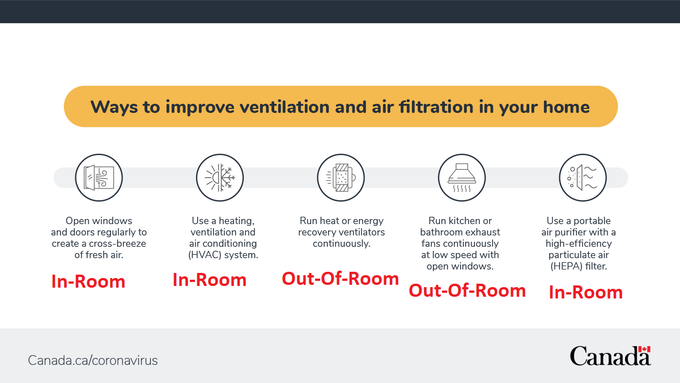
Cross-ventilation is a powerful way to boost airflow. It happens when you open windows or doors on opposite sides of the room or house, allowing air to flow straight through.
To make the most of this, open windows that face different directions. This creates a natural wind tunnel that sweeps out old air.
Have you noticed how a breeze feels stronger when you open both the front and back doors? That’s the effect you want to replicate indoors for faster ventilation.
Using Fans To Improve Airflow
Fans can help speed up the airing out process, especially in rooms without good natural airflow. Position a fan near an open window to push stale air outside or draw fresh air in.
Try placing a box fan facing outward in one window and a regular fan facing inward in another. This setup encourages continuous air movement, which refreshes the room much quicker.
Don’t just rely on ceiling fans; portable fans give you more control over airflow direction and intensity.
Balancing Temperature And Freshness
Temperature differences between inside and outside can either help or hinder ventilation. Cooler outdoor air tends to sink and flow into warmer rooms, enhancing air exchange.
If it’s hot outside, you might want to open windows during cooler parts of the day, like early morning or late evening, to avoid warming the room while still getting fresh air.
Have you tried adjusting ventilation times based on outdoor temperature? It’s a simple trick that can improve comfort and reduce the time needed to air out your room effectively.
Common Mistakes To Avoid
When airing out a room, it’s easy to make mistakes that can undermine your efforts. Understanding these common pitfalls can save you time, energy, and even money. Let’s dive into some of the key mistakes to watch out for.
Over-airing And Energy Waste
Leaving windows open for too long can lead to significant energy waste. You might think the longer you air out a room, the fresher it will be. However, keeping windows open for extended periods can increase your heating or cooling bills. Aiming for 15 to 30 minutes is usually sufficient for effective ventilation without unnecessary energy loss.
Ignoring Outdoor Pollutants
Outdoor air isn’t always clean. Opening windows during high pollution times can introduce harmful elements into your home. Check the local air quality index before airing out your room. This small step can protect your indoor air from becoming a health hazard.
Poor Window Placement
The position of your windows can greatly affect how well your room airs out. Opening windows on opposite sides of a room can create a cross-breeze, improving ventilation efficiency. If your windows are on the same side, consider using a fan to help circulate air more effectively. Your room’s layout can make a big difference in how fresh it feels.
Special Considerations
Some rooms need extra care when airing out. Special factors like health conditions, recent work, or moisture affect how long you should ventilate. Proper airing helps keep the air fresh and safe in these cases.
Airing Rooms With Allergies Or Asthma
Allergy and asthma sufferers need clean air to breathe easy. Open windows wide for at least 30 minutes. Use a fan to push stale air out faster. Avoid airing during high pollen times like early morning or windy days. Clean filters on air purifiers regularly to reduce dust and allergens.
Ventilating After Painting Or Renovation
New paint and renovations release strong fumes. These chemicals can cause headaches or irritation. Air the room for 2 to 3 hours at minimum. Keep windows open and use fans for better airflow. Use low-VOC paint next time to reduce harmful gases. Avoid using the room until the smell fades completely.
Managing Humidity Levels
High humidity causes mold and bad smells. Use a dehumidifier or air conditioner to control moisture. Open windows for 15 to 30 minutes daily to refresh air. Check for leaks or damp spots that raise humidity. Keep humidity between 30% and 50% for comfort and health.
:max_bytes(150000):strip_icc()/leave-air-conditioning-on-not-at-home-GettyImages-2215193339-356bf723c02c485399a7311e6536bd91.jpg)
Credit: www.realsimple.com
Frequently Asked Questions
How Long Should You Air Out A Room?
Typically, air out a room for 15 to 30 minutes. This helps remove stale air and indoor pollutants effectively. Ventilation duration may vary based on room size and outdoor air quality.
What Factors Affect Airing Out A Room Time?
Room size, outdoor air quality, and ventilation type impact airing out time. Larger rooms or poor outdoor air may need longer ventilation. Proper airflow ensures better freshness and pollutant removal.
Is Airing Out A Room Daily Necessary?
Daily airing improves indoor air quality by reducing allergens and odors. It’s recommended to air rooms at least once a day for 15-30 minutes. This habit promotes a healthier living environment.
Can Weather Affect How Long To Air Out?
Yes, weather impacts ventilation effectiveness. On windy days, airing out takes less time. Cold or rainy weather may limit ventilation duration but still benefits indoor air quality.
Conclusion
Airing out a room helps keep the air fresh and clean. Usually, 15 to 30 minutes is enough time. Open windows wide and let fresh air flow freely. On colder days, shorter times work best. For stronger odors, airing might take longer.
Regular airing can improve your health and mood. Try to air rooms daily for best results. Remember, fresh air makes your home feel better. Simple steps, big benefits.



