
Have you ever wondered just how long the Ottoman Empire lasted? Understanding its timeline can give you a clearer picture of how this powerful empire shaped history.
Knowing the length of its reign helps you see the impact it had on culture, politics, and the world we live in today. You’ll discover the exact span of the Ottoman Empire and why it mattered so much. Keep reading to uncover the fascinating story behind one of history’s longest-lasting empires.
Credit: owlcation.com
Origins Of The Ottoman Empire
The origins of the Ottoman Empire stretch back to a time of great change and opportunity in the late 13th century. It began as a small principality in Anatolia, yet it grew into one of history’s most powerful empires. Understanding its beginnings helps you see how determination and strategic choices shaped its long-lasting influence.
Founding And Early Expansion
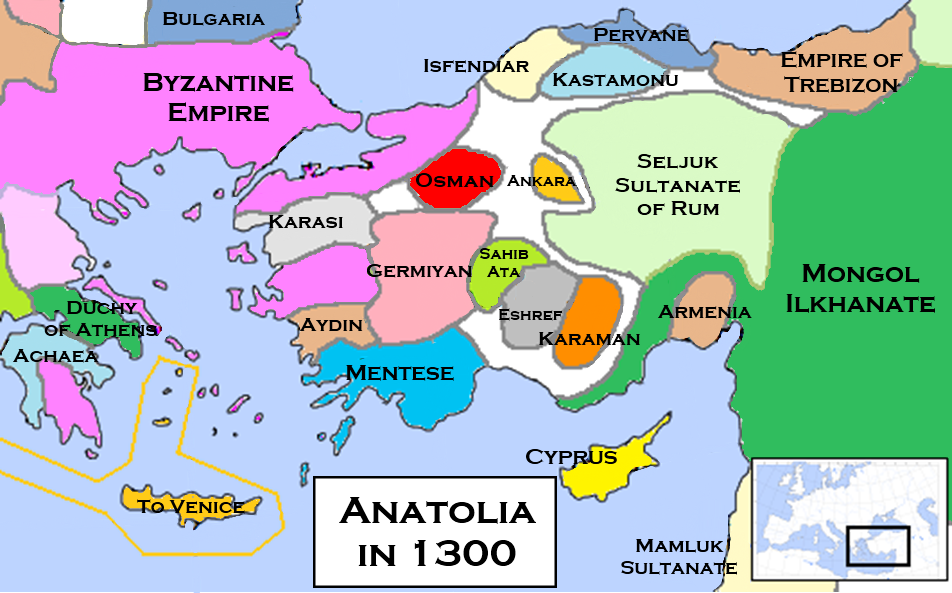
The Ottoman Empire started around 1299, founded by Osman I. He led a small group of Turkish tribes on the frontier of the declining Seljuk Sultanate of Rum.
Osman and his followers took advantage of the power vacuum left by the Mongol invasions and the weakening Byzantine Empire. Their early victories allowed them to expand steadily into Byzantine territory.
By focusing on military skill and alliances, the Ottomans grew from a modest beylik into a significant regional power within a few decades.
Key Figures In Establishment
- Osman I:The empire’s founder whose leadership set the foundation for future growth.
- Orhan:Osman’s son, who captured Bursa in 1326, making it the first major Ottoman capital and a center for administration.
- Süleyman Pasha:Led early campaigns into Europe, crossing the Dardanelles and establishing Ottoman presence in the Balkans.
These leaders were not only warriors but also strategic thinkers. They understood the importance of diplomacy, governance, and military innovation. What lessons could you take from their approach to building something lasting?
Peak And Territorial Growth
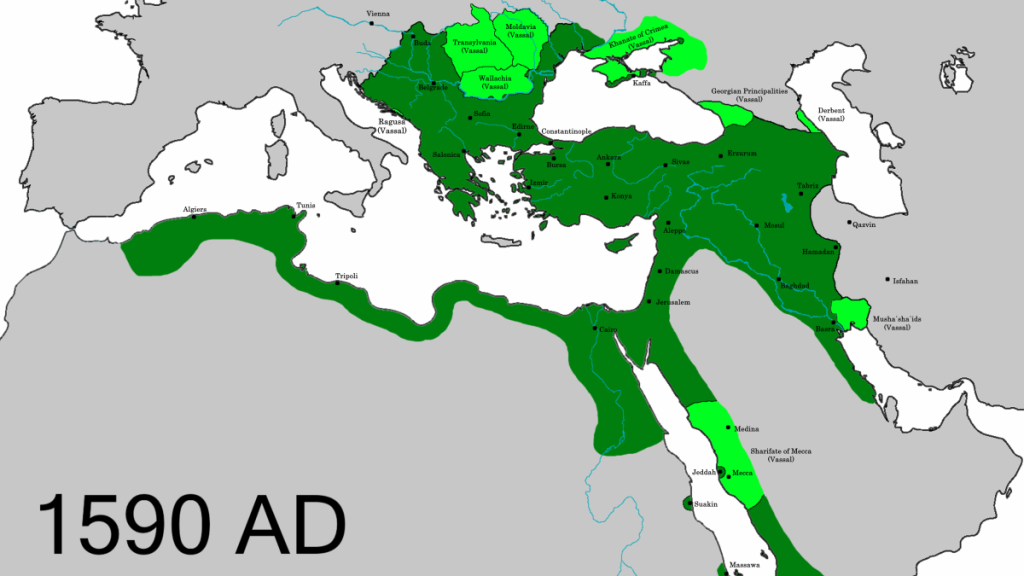
The Ottoman Empire reached its peak and largest size between the 16th and 17th centuries. This period marked rapid expansion and strong control over a vast area. The empire stretched across three continents, creating one of the most powerful states in history.
Major Conquests And Borders
The empire grew through important conquests in Europe, Asia, and Africa. Key victories included:
- Conquering Constantinople in 1453, which became Istanbul
- Expanding into the Balkans, including parts of modern-day Greece and Serbia
- Taking control of Egypt and much of North Africa
- Reaching into the Arabian Peninsula and parts of the Middle East
At its height, the empire’s borders stretched from Hungary to Yemen and from Algeria to Iraq. This vast territory allowed control over important trade routes and cultural centers.
Political And Military Strength
The Ottoman Empire’s success was due to strong political and military systems. The sultans ruled with centralized power. They used a well-organized bureaucracy to manage the diverse population.
Its military was known for discipline and innovation. The elite Janissary corps played a key role in battles. The empire also used advanced weapons and siege tactics.
This combination of political control and military power kept the empire stable and expanding for centuries.
Cultural And Economic Influence
The Ottoman Empire lasted over 600 years, shaping cultures across three continents. Its trade routes boosted economies and spread ideas worldwide.
The Ottoman Empire left a rich cultural and economic legacy. Spanning over six centuries, its influence shaped regions across Europe, Asia, and Africa. The empire’s vast reach fostered a unique blend of traditions, ideas, and innovations. Its cultural and economic impact continues to be felt today.Art, Architecture, And Science
Ottoman art blended diverse styles and techniques. Calligraphy, tile work, and textiles flourished under their patronage. The empire’s architecture showcased grand mosques and palaces. Structures like the Blue Mosque in Istanbul remain iconic. Scientific advancements thrived too. Scholars contributed to astronomy, medicine, and mathematics.Trade And Commerce Networks
The empire controlled key trade routes between continents. This strategic position boosted its economy. Goods like silk, spices, and ceramics flowed through Ottoman lands. The bustling bazaars attracted merchants from all over. This vibrant trade network enriched cultural exchanges and economic growth.Decline And Challenges
The decline of the Ottoman Empire was a complex process marked by many challenges. These difficulties weakened its power and control over vast lands. Both internal problems and external pressures played a role in its gradual fall. Understanding these struggles helps explain how this once-great empire lost its strength.
Internal Struggles
Internal problems deeply affected the empire’s stability. Corruption grew among officials, reducing trust and efficiency. The central government lost control over distant provinces. Rival factions within the ruling class fought for power. Economic troubles also hit hard, with rising debts and poor management. These issues made it harder to govern effectively.
External Threats And Wars
The empire faced many wars against strong enemies. European powers like Russia and Austria pushed its borders back. The empire also fought in costly wars with Persia and others. These conflicts drained its resources and soldiers. Military defeats weakened its reputation and control. Foreign invasions and pressure from rising nationalist movements further shrank the empire’s territory.
End Of The Empire
The end of the Ottoman Empire marks one of the most significant turning points in world history. After lasting for over six centuries, the empire faced challenges that led to its eventual collapse. Understanding how the empire came to an end helps you grasp the complex political and social changes that shaped the modern Middle East.
World War I Impact
World War I played a crucial role in the downfall of the Ottoman Empire. The empire sided with the Central Powers, which included Germany and Austria-Hungary. This decision put it against the Allied Powers, leading to severe military defeats and loss of territories.
The war drained the empire’s resources and weakened its control over distant provinces. Many of its Arab territories, such as Palestine and Iraq, came under British and French control after the war. Have you ever wondered how a global conflict can reshape entire regions and end centuries-old empires?
Formation Of Modern Turkey
After the war, the Ottoman Empire officially ended in 1922 when the last sultan was deposed. This paved the way for the Republic of Turkey, established by Mustafa Kemal Atatürk in 1923. Atatürk introduced major reforms to modernize the country, changing its political and social structure.
He abolished the Ottoman Caliphate and shifted Turkey towards secularism and nationalism. This transformation offers a powerful example of how a nation can rebuild itself after collapse. If you think about your own country’s history, how do moments of crisis lead to new beginnings?
Credit: owlcation.com
Legacy Of The Ottoman Empire
The legacy of the Ottoman Empire stretches far beyond its centuries of rule. It shaped cultures, borders, and societies in ways you might not immediately notice. Understanding this legacy can change how you view the modern world.
Cultural Heritage Today
The Ottoman Empire left a rich cultural heritage that still thrives in many countries. You can see it in architecture, music, and cuisine across Southeast Europe, Western Asia, and North Africa.
Think about the intricate designs of mosques and palaces you’ve seen in Istanbul or Sarajevo. These buildings tell stories of artistic skills passed down through generations.
Even today, you might enjoy dishes like baklava or kebabs, which became popular due to Ottoman culinary traditions. This shows how food can connect you with history in a delicious way.
Influence On Modern Borders
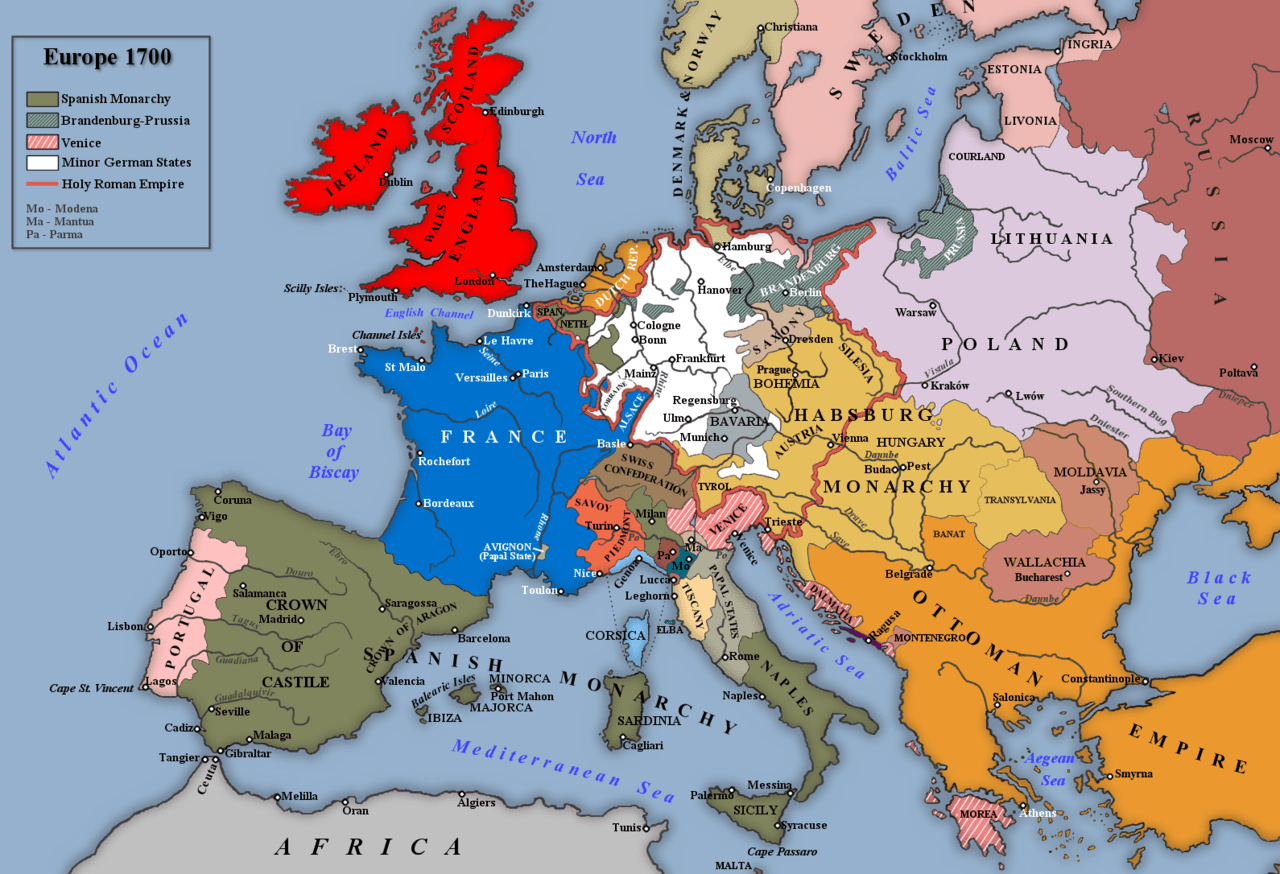
The borders of many modern countries were shaped by the fall of the Ottoman Empire. When it dissolved after World War I, new nations emerged from its territories.
This re-drawing of borders still affects political and social issues today. You might wonder how different the Middle East or the Balkans would look if the empire had lasted longer.
Understanding this helps you see why some regions experience ongoing conflicts or alliances. It’s a reminder that history’s footprint is often visible in the maps we use every day.

Credit: uk.news.yahoo.com
Frequently Asked Questions
How Long Did The Ottoman Empire Last?
The Ottoman Empire lasted approximately 623 years, from 1299 to 1922. It was one of the longest-lasting empires in history, spanning over six centuries.
When Did The Ottoman Empire Officially End?
The Ottoman Empire officially ended in 1922 when the last sultan was deposed. This marked the empire’s dissolution and the rise of modern Turkey.
What Caused The Fall Of The Ottoman Empire?
The Ottoman Empire fell due to internal struggles, military defeats, and World War I losses. Economic decline and nationalist movements also weakened its control.
How Did The Ottoman Empire Impact World History?
The empire influenced culture, politics, and trade across Europe, Asia, and Africa. It shaped the modern Middle East and left a lasting historical legacy.
Conclusion
The Ottoman Empire lasted for over 600 years. It shaped many cultures and regions. Its history shows both power and change. People still study its impact today. Understanding its timeline helps us learn from the past. The empire’s legacy remains in many places.
History gives us lessons to think about. The Ottoman story is long and full of meaning. It reminds us how empires rise and fall. A powerful chapter in world history, indeed.



