
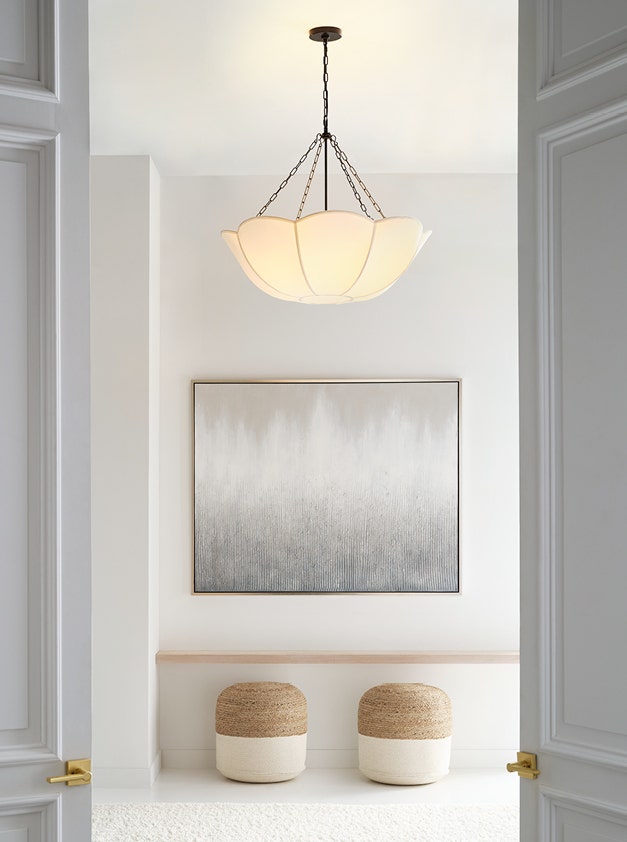
Choosing the perfect height for your pendant light can transform the look and feel of any room. But how low should a pendant light hang to create the right balance between style and function?
If your light hangs too high, it might not provide enough illumination. Too low, and it could get in your way or make the space feel cramped. You’ll discover simple, practical tips to help you find the ideal height for your pendant light.
By the end, you’ll have the confidence to hang your light just right, making your space both beautiful and comfortable. Keep reading to get it spot on!
Ideal Heights For Pendant Lights
Finding the right height for your pendant lights can change how a room feels and functions. Too low, and the light might block views or get in the way. Too high, and it may not provide enough illumination where you need it most. Let’s look at some ideal heights for different settings to help you get it just right.
Standard Height Above Counters
For kitchen counters or workspaces, pendant lights usually hang about 30 to 36 inches above the surface. This height gives you plenty of light without shadows or glare while keeping the fixture out of your way. If your counters are taller than usual, adjust the height to maintain clear visibility and comfort.
Think about how you use the space. If you often chop vegetables or read recipes on the counter, you want the light focused right where you work. Hanging the pendant too high can make the area feel dim, while too low can block your view.
Height Above Dining Tables
Above dining tables, pendant lights typically hang 28 to 34 inches from the tabletop. This range provides a cozy glow that’s not too harsh or blinding during meals. It also helps create a warm atmosphere without blocking sightlines across the table.
Consider the size and shape of your table too. Larger tables might need multiple pendants spaced evenly, each hanging within this height range. If you have a chandelier or other ceiling fixture, balance pendant height to avoid overcrowding the visual space.
Adjusting For Ceiling Height
Ceiling height plays a big role in how low your pendant should hang. For ceilings higher than 8 feet, add 3 inches for every extra foot of height above 8 feet. This adjustment keeps the pendant proportional and prevents the room from feeling top-heavy.
If your ceilings are lower than 8 feet, you may need to hang the pendant closer to the surface to avoid crowding the space. Always leave at least 7 feet of clearance from the floor to the bottom of the light to allow easy movement underneath. What’s your ceiling height, and how might that change your pendant’s placement?
Credit: www.visualcomfort.com
Factors Influencing Pendant Height
Choosing the right height for your pendant light isn’t just about measurements; several factors come into play that can change the entire look and feel of your space. Understanding these factors helps you make smarter choices that suit your room and lifestyle. Let’s break down what influences the ideal pendant height.
Room Size And Layout
The size of your room directly affects how low a pendant light should hang. In a small room, a low-hanging pendant might feel overwhelming and cramped. Larger rooms, however, can handle lower pendants that create cozy zones or focal points.
Think about your furniture placement and walking paths too. You don’t want a pendant blocking sightlines or making it hard to move around. Ask yourself: does the pendant complement the flow of the room, or does it disrupt it?
Pendant Light Size And Style
The size of the pendant itself matters a lot. A large, heavy pendant needs to hang higher to avoid obstructing views and to keep the space feeling open. Smaller pendants can hang lower without overwhelming the area.
Style plays a role as well—sleek, modern designs often suit lower placements, while ornate or traditional pendants might need more space above to breathe. Consider how the light’s shape and material interact with the room’s other elements.
Purpose And Functionality
What you use the pendant for will guide its height. If it’s over a dining table, it should hang low enough to provide focused light without blocking sightlines across the table. For kitchen islands, the pendant should illuminate work surfaces clearly but not get in the way.
Think about the type of light bulb and brightness too. A pendant meant to create mood lighting can hang lower, while task lighting requires more precise placement. What activities will happen under your pendant light?
Measuring Pendant Light Height
Measuring the height of a pendant light is key to both style and function. The right height ensures good lighting and a balanced look in your room. It also helps avoid accidents or visual clutter.
Each space has its own rules for hanging lights. Correct measurement helps you meet those rules easily. This section explains how to measure pendant light height accurately and what tools you need.
Step-by-step Measurement Guide
- Measure the ceiling height from floor to ceiling.
- Decide the space below the pendant light where people will walk or sit.
- Subtract the desired clearance from the ceiling height to find the pendant height.
- If hanging over a table, measure from the table surface to the ceiling.
- Choose a pendant height that leaves 28 to 34 inches above the table.
- Adjust height for taller ceilings by adding 3 inches per extra foot above 8 feet.
Tools Needed For Accurate Hanging
- Tape measure for precise distance readings.
- Step ladder to reach the ceiling safely.
- Pencil or marker to note measurements on the wall or ceiling.
- Level tool to ensure the pendant hangs straight.
- Stud finder to locate ceiling joists for secure mounting.
Common Mistakes To Avoid
Choosing the right height for pendant lights can transform a room. But many people make common mistakes. These can affect both the look and functionality of the lighting. Let’s explore these pitfalls to achieve the perfect ambiance.
Hanging Too Low Or Too High
Pendant lights should neither be too low nor too high. If too low, they can obstruct views and become a hazard. If too high, they won’t illuminate the space effectively. Balance is key for both aesthetics and functionality.
Ignoring Room Proportions
Room size affects how a pendant light looks. A small light in a large room can seem lost. Conversely, a large light in a small room can feel overwhelming. Consider the room’s dimensions for a cohesive look.
Overlooking Lighting Needs
Every room has unique lighting needs. A kitchen may require brighter lights for tasks. A dining area might benefit from softer, ambient lighting. Understand the purpose of your space before installation.
Tips For Adjustable Pendant Lights
Adjustable pendant lights offer flexibility that fixed fixtures can’t match. They allow you to customize your lighting to fit different spaces and moods effortlessly. Here are some tips to help you make the most out of your adjustable pendant lights.
Using Adjustable Cords And Chains
Adjustable cords and chains give you control over the height of your pendant light. You can easily raise or lower the fixture depending on the task or ambiance you want. For example, lower the light above your dining table for a cozy dinner, and raise it in the living room to brighten the whole area.
Make sure to choose cords or chains that are easy to adjust and strong enough to support the weight. Sometimes, a simple twist or pull can change the height, so test the mechanism before installation. Have you checked if your pendant light comes with clear instructions for adjustment?
When To Adjust Height Seasonally
Changing pendant light height with the seasons can improve comfort and style. In winter, lowering the light can create warmth and intimacy when days are shorter. During summer, raising the light might help keep spaces airy and open.
Think about how your daily activities shift through the year. Do you spend more time reading or cooking in certain seasons? Adjusting the height accordingly can enhance your experience. Try experimenting with different heights to find what feels right for you throughout the year.

Credit: maisonblonde.com
Pendant Lighting In Different Rooms
Pendant lighting adds style and function to any room. Each room needs a different hanging height. The right height makes the light effective and safe.
Kitchen Pendant Lighting
In kitchens, pendant lights often hang over countertops or islands. The ideal height is 28 to 34 inches above the surface. This keeps light focused and avoids head bumps. For multiple pendants, space them 24 to 30 inches apart. Choose clear or bright bulbs for good task lighting.
Living Room And Entryway Options
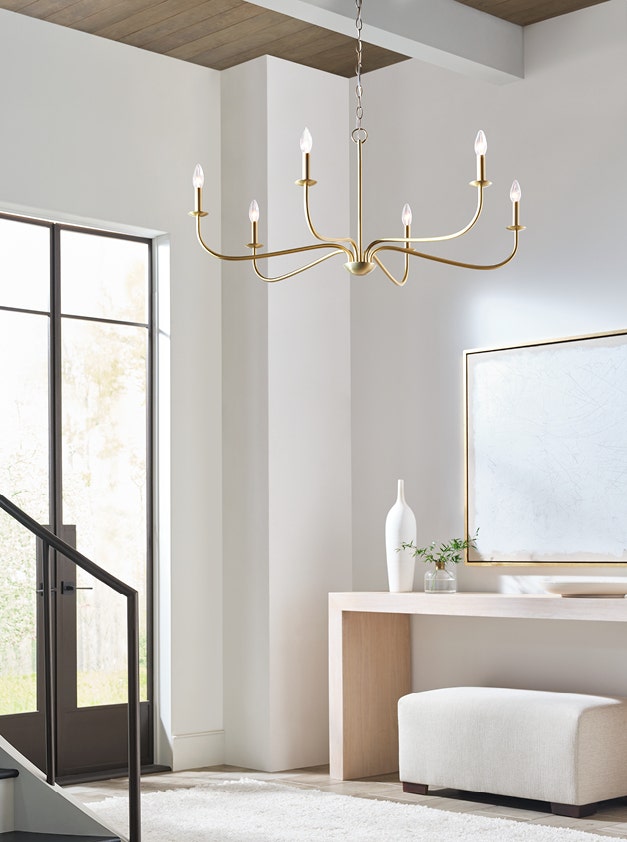
Living rooms and entryways usually need pendant lights hung higher. A good rule is to hang the light 7 feet from the floor. This allows easy movement below the fixture. Larger pendants or chandeliers can hang even higher. Use dimmers to adjust brightness for mood and function.
Bedroom Pendant Heights
Bedroom pendants hang lower than in living areas but higher than bedside lamps. Aim for 28 to 36 inches above nightstands. This height provides soft, direct light for reading. Avoid hanging too low to keep space open and comfortable. Small pendants work best for cozy bedroom lighting.

Credit: www.industville.co.uk
Frequently Asked Questions
How Low Should Pendant Lights Hang Over A Table?
Pendant lights should hang 28 to 34 inches above the table surface. This height balances illumination and visibility. It ensures the light is functional without obstructing views or causing glare.
What Is The Ideal Height For Pendant Lights In Kitchens?
In kitchens, pendant lights typically hang 30 to 36 inches above countertops. This height provides focused task lighting while maintaining an open and spacious feel in the room.
Can Pendant Lights Hang Too Low In A Room?
Yes, hanging pendant lights too low can cause obstructions and glare. It may interfere with movement and reduce overall room comfort. Proper height ensures safety and aesthetic balance.
How To Determine Pendant Light Height In Rooms With High Ceilings?
For high ceilings, add 3 inches of pendant height for every extra foot above 8 feet. This helps maintain proportion and effective lighting without overwhelming the space.
Conclusion
Choosing the right height for a pendant light makes a big difference. It helps the room feel balanced and bright. Hang it too low, and it may block your view. Hang it too high, and it won’t light well. Aim for about 30 to 36 inches above tables or counters.
Adjust based on your ceiling height and room size. Good lighting makes your space feel warm and inviting. Take your time, measure carefully, and enjoy your perfect pendant light.



