
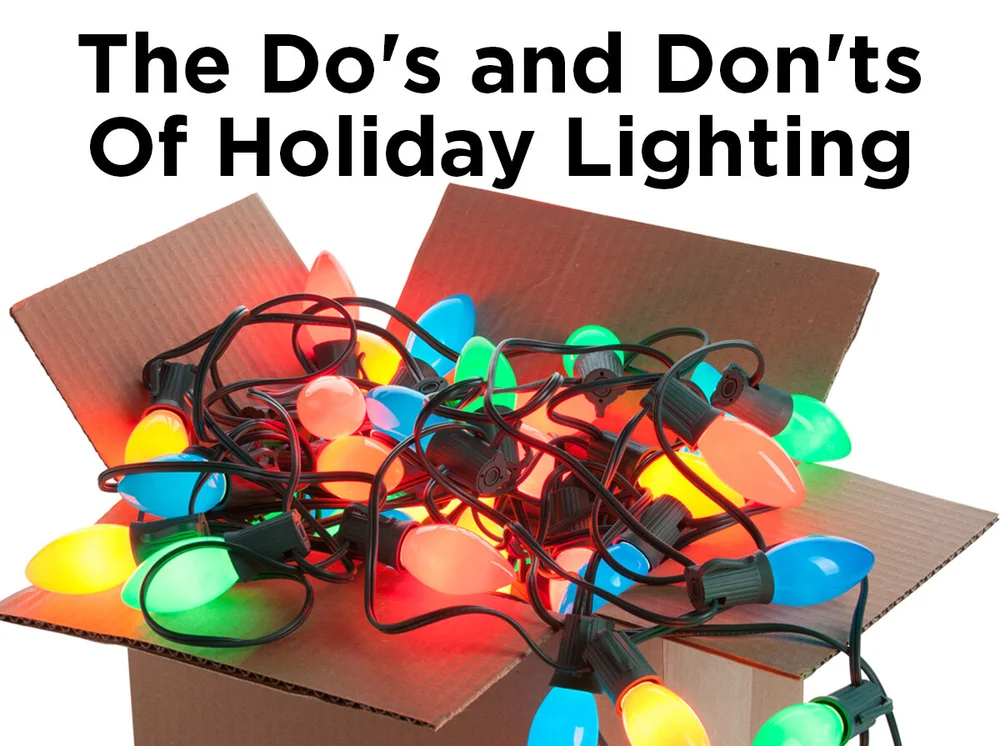
Are you planning to decorate your home with a dazzling display of Christmas lights this year? You might be wondering, how many Christmas lights can you string together without causing problems?
It’s a common question, and getting the answer right can save you from blown fuses, flickering strands, or even electrical hazards. In this post, you’ll discover simple tips and clear guidelines that will help you create a stunning, safe holiday light show.
Keep reading to find out exactly how to connect your lights the right way and make your decorations shine bright all season long!
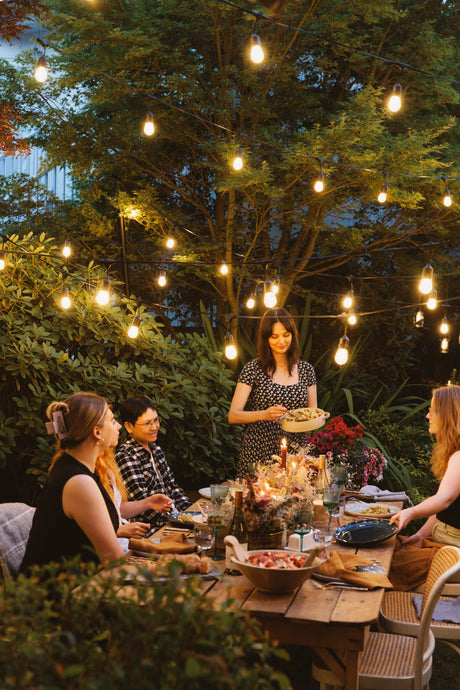
Credit: bigstarlights.ca
Types Of Christmas Lights
Choosing the right type of Christmas lights can make a big difference in how your decorations look and perform. Different lights have unique features that affect brightness, energy use, and safety. Understanding these options helps you decide how many lights you can safely string together without problems.
Incandescent Vs Led
Incandescent lights are the traditional bulbs you might remember from childhood. They emit a warm glow but use more electricity and generate heat. LED lights, on the other hand, are energy-efficient and last much longer.
LEDs can be strung in longer lengths because they draw less power and run cooler. If you want to connect many strings, LEDs reduce the risk of blowing fuses or overheating. Think about how many lights you’ve used before and whether you noticed any flickering or dimming—that often signals the limit for incandescent strings.
Indoor Vs Outdoor Lights
Lights made for indoor use aren’t designed to handle moisture or extreme temperatures. Outdoor lights come with special coatings and seals to withstand rain, snow, and wind. Using indoor lights outside can cause shorts or even fires.
If you plan to decorate both inside and outside, pick the correct type. Outdoor lights are often rated for longer strings, so you can connect more safely. Have you ever had an outdoor light string quit working after a rainstorm? That’s usually because indoor lights were used outside.
Battery Operated And Solar Options
Battery-operated lights offer flexibility without needing a nearby outlet. They’re perfect for small areas or places where running cords is tricky. However, batteries drain quickly if you use many lights or leave them on for hours.
Solar lights charge during the day and light up at night, making them eco-friendly. But their performance depends on sunlight availability, which can limit how long they shine. Both options usually support fewer lights in a string compared to plug-in versions, so plan your setup accordingly.

Credit: www.christmaslightsetc.com
Power Limits And Safety
Knowing the power limits and safety measures for stringing Christmas lights is essential to avoid accidents and keep your home safe. Overloading electrical outlets can cause breakers to trip or even start fires. Understanding how much load your circuits can handle will help you enjoy your festive decorations worry-free.
Understanding Electrical Load
Every electrical outlet has a maximum load it can support, usually measured in amps or watts. Each Christmas light string uses a specific amount of power, which adds up quickly when you connect many strings together.
Check the wattage label on your lights to calculate total power consumption. For example, if each string uses 40 watts and your outlet supports 600 watts, you can safely connect up to 15 strings (600 ÷ 40 = 15).
But don’t just rely on numbers—consider the overall load on the circuit, including other appliances. Are you running a heater or a coffee maker on the same circuit? These add to the load and reduce the number of light strings you can safely use.
Circuit Breakers And Fuses
Circuit breakers and fuses protect your home by cutting power if the current exceeds safe levels. However, they are not a substitute for proper planning; they prevent damage but don’t guarantee safety if you keep pushing limits.
Know the rating of your circuit breakers, usually 15 or 20 amps in most homes. If you overload a circuit repeatedly, the breaker may wear out faster or fail to trip in time.
Have you ever had a breaker trip unexpectedly while plugging in holiday lights? That’s a clear sign to reduce your load and spread out your decorations across different circuits.
Preventing Overheating And Fire Hazards
Overheating wires and plugs are common causes of holiday fires. When too many lights draw current through one outlet or extension cord, heat builds up quickly.
Use lights and cords rated for outdoor use if you’re decorating outside, and avoid daisy-chaining extension cords. Regularly check plugs and wires for warmth or damage.
If a string feels hot to the touch or you notice melted insulation, unplug immediately. Safety starts with paying attention to signs your lights are struggling to handle the power.
Maximum String Lengths
Decorating with Christmas lights transforms any space into a festive wonderland. Knowing how many lights you can safely string together is crucial. It ensures your decorations are both beautiful and safe. Let’s explore the maximum string lengths for Christmas lights.
Manufacturer Recommendations
Manufacturers often provide guidelines on the packaging. These recommendations indicate the maximum number of strands to connect. Following these guidelines prevents potential electrical issues. For LED lights, you can usually connect more strands. Incandescent lights have stricter limits due to higher power consumption.
Voltage Drop And Brightness Loss
Voltage drop affects the brightness of your lights. The further electricity travels, the more it loses strength. This results in dimmer lights at the end of a long string. To maintain brightness, limit the length of each string. Use shorter strings or extra power sources if needed.
Connecting Multiple Strands Safely
Safety is key when connecting multiple light strands. Use outdoor-rated extension cords for exterior lights. Ensure all connections are secure and waterproof. Avoid overloading electrical outlets by spreading the load. A power strip with a built-in circuit breaker can offer added protection.
Extension Cords And Power Sources
Extension cords and power sources play a key role in setting up Christmas lights safely. Choosing the right cords and power outlets ensures your lights run smoothly without overloads. Proper power management also helps prevent hazards like short circuits or fires. Understanding your options allows for a bright, worry-free holiday display.
Choosing The Right Extension Cord
Select extension cords made for outdoor use. These cords resist moisture, cold, and damage better. Check the cord’s gauge number; lower numbers mean thicker wires that handle more power. Use cords with a gauge between 12 and 16 for Christmas lights. Avoid using indoor cords outside to reduce risk. Look for cords with UL or ETL safety marks. The cord length matters. Longer cords may reduce power flow, so keep lengths reasonable.
Outdoor Power Outlets And Timers
Outdoor power outlets must be weatherproof and grounded. Use outlets with covers to protect plugs from rain and snow. Installing ground-fault circuit interrupters (GFCIs) adds a safety layer. GFCIs cut power quickly if a fault occurs. Timers help control when lights turn on and off. Set timers to save energy and avoid leaving lights on all night. Choose timers designed for outdoor use with easy programming features.
Using Power Strips And Surge Protectors
Power strips can extend the number of plugs available. Use heavy-duty, outdoor-rated power strips only. Surge protectors guard your lights from power spikes. This protection helps prevent damage during storms. Never overload power strips by plugging too many lights. Follow the maximum wattage and amp ratings on the strip. Arrange cords neatly to avoid tripping hazards. Check all connections regularly for wear or damage.
Installation Tips
Installing Christmas lights can be a fun and rewarding task, but it requires careful attention to detail. Proper installation not only keeps your decorations looking great but also ensures safety and longevity. Here are some practical tips to help you string your lights efficiently and effectively.
Planning Your Layout
Start by measuring the area where you want to hang your lights. Knowing the length helps prevent buying too few or too many strands. Sketch a simple map or use tape to mark the spots where lights will go, so you avoid surprises during installation.
Consider the power source location and how many outlets you have. Can you reach the plug without stretching cords dangerously? Think about how your lights will wrap around trees, railings, or windows — visualizing this saves time and frustration.
Securing Lights Properly
Use clips or hooks designed for holiday lights instead of nails or staples, which can damage wires. These tools hold the strands firmly and make removal easier after the season ends. If you’re wrapping lights around poles or branches, twist them gently to avoid pinching the wires.
Test your lights before hanging to catch any burnt-out bulbs or broken strands. Securing lights in dry weather also helps prevent slipping or electrical issues. Do you have a favorite method for keeping lights steady in windy conditions? Share your tips!
Avoiding Common Mistakes
Don’t overload your electrical outlets by connecting too many strands—check the manufacturer’s guidelines for max connections. Avoid running cords through doorways or windows where they can get pinched or tripped over. It’s better to use extension cords rated for outdoor use to ensure safety.
Another mistake is neglecting to check for damaged wires or bulbs before installation. This can cause shorts or fire hazards. Remember, a little extra time spent preparing your lights can save you headaches later.
Troubleshooting Common Issues
Christmas lights can sometimes stop working or act strangely. Troubleshooting helps find and fix these common problems fast. This saves time and keeps the lights shining bright all season.
Fixing Burned-out Bulbs
Burned-out bulbs often cause a whole string to go dark. Check each bulb carefully. Replace any bulbs that look black or broken. Use bulbs that match the original size and voltage. This keeps the string working safely and evenly.
Dealing With Flickering Lights
Flickering lights can mean loose bulbs or poor connections. Make sure all bulbs are pushed in firmly. Look for damaged wires or sockets. Clean the bulb bases and sockets to remove dirt or corrosion. This often stops the flickering and restores steady light.
Resetting Gfci Outlets
Many outdoor lights use GFCI outlets for safety. Sometimes these outlets trip and cut power. Find the reset button on the outlet or breaker box. Press it firmly to restore power. This resets the circuit and often fixes power loss to the lights.
Energy Efficiency And Cost
Energy efficiency and cost are crucial factors to consider when deciding how many Christmas lights to string together. The number of lights you use directly impacts your electricity bill and environmental footprint. Understanding the energy consumption of different types of lights can help you make smarter choices and save money during the holiday season.
Comparing Energy Usage
LED lights consume far less energy than traditional incandescent bulbs. For example, a typical LED string uses about 7 watts per 100 lights, while incandescent strings can use up to 40 watts for the same number.
This means you can string together more LED lights without drastically increasing your energy consumption. Think about how many strands you want to connect and check the wattage before plugging them in.
Calculating Electricity Costs
To estimate how much your Christmas lights cost to run, multiply the total wattage by the hours you plan to keep them on each day. Then, multiply that by the number of days they will be lit, and finally by your local electricity rate per kilowatt-hour (kWh).
| Example | Calculation | Cost |
|---|---|---|
| LED string, 7 watts, 6 hours/day, 30 days, $0.13/kWh | (7W × 6h × 30 days) / 1000 × $0.13 | $0.16 |
| Incandescent string, 40 watts, 6 hours/day, 30 days, $0.13/kWh | (40W × 6h × 30 days) / 1000 × $0.13 | $0.94 |
These numbers show how much more expensive incandescent lights can be, especially if you string many together.
Tips To Save Energy
- Use LED lights:They last longer and use less power.
- Set timers:Limit the hours your lights are on to avoid waste.
- Combine strands wisely:Don’t exceed the maximum number recommended to avoid overload and energy loss.
- Check for Energy Star labels:Certified products meet strict energy efficiency standards.
Have you ever checked how much your holiday lights add to your electric bill? Taking a few simple steps can keep your display bright and your costs low.
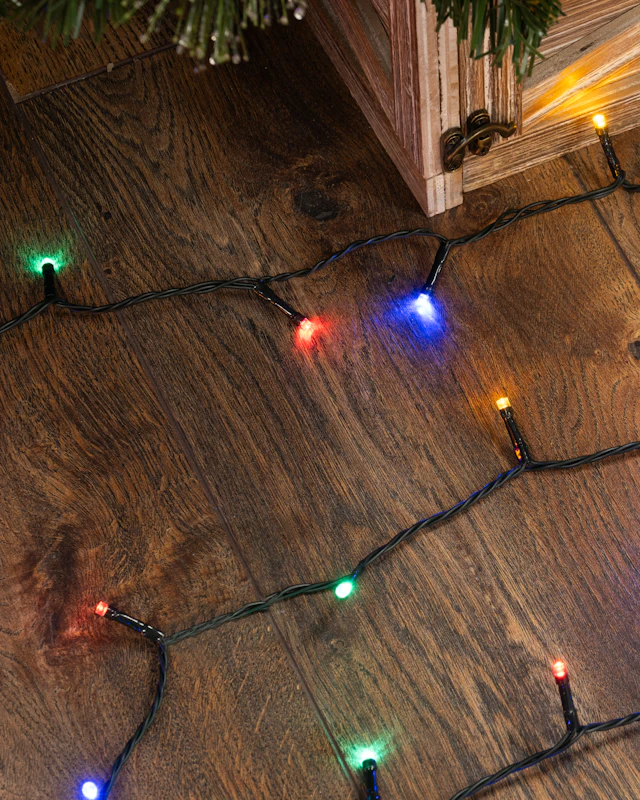
Credit: www.christmastreeworld.co.uk
Frequently Asked Questions
How Many Christmas Lights Can I Safely String Together?
Most LED Christmas lights allow up to 50 to 100 strings to connect safely. Incandescent lights usually support fewer, around 3 to 5 strings. Always check the manufacturer’s instructions to avoid overload and fire hazards.
What Factors Limit Christmas Light String Length?
The maximum length depends on light type, voltage, and wiring quality. LED lights handle longer strings due to low power use. Incandescent bulbs have shorter limits to prevent overheating and electrical issues.
Can I Connect Different Brands Of Christmas Lights?
Mixing brands is generally not recommended due to varying voltage and connector types. This can cause compatibility issues and increase fire risk. Always use lights from the same brand and type for safety and performance.
How Do I Avoid Power Overload With Christmas Lights?
Use lights with built-in fuses and follow string limits on packaging. Spread the load across multiple outlets or circuits. Consider using LED lights, which consume less power and reduce overload risk.
Conclusion
Stringing Christmas lights safely is key for a bright holiday. Know the limits of your light strands to avoid overloads. Check the manufacturer’s guidelines for maximum connections. Use proper extension cords and avoid mixing different light types. Keep an eye on fuse ratings and wattage.
Safety keeps your decorations shining without risk. Planning your setup helps create a festive, worry-free display. Enjoy the holiday glow with confidence and care.



