
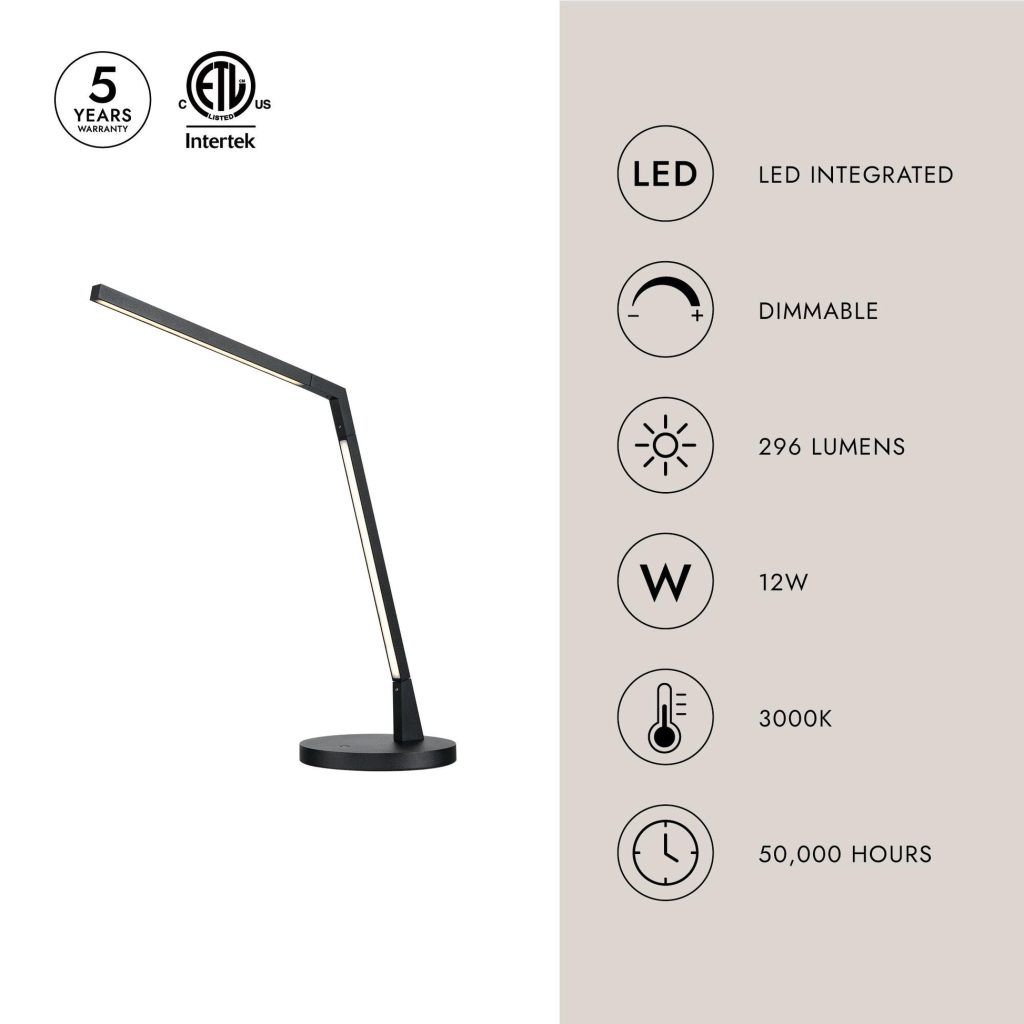
When choosing a desk lamp, one question probably comes to your mind: how many lumens do you really need? The right amount of light can make a huge difference in how well you focus, how comfortable your eyes feel, and even how productive you are.
Too little light strains your eyes, and too much can cause glare and headaches. You’ll discover exactly what lumens are, how to find the perfect brightness for your workspace, and simple tips to make your desk lamp work better for you.
Keep reading, and you’ll never struggle with poor lighting again.
Lumens And Brightness
Understanding lumens helps you choose the right desk lamp brightness. Brightness affects how well you see your work and how comfortable your eyes feel. Lumens measure the total light a lamp gives off, not just how much power it uses.
What Lumens Measure
Lumens show the amount of visible light from a lamp. The higher the lumens, the brighter the light. This number tells you how much light you get, not how much energy the lamp uses.
For desk lamps, a range of 400 to 800 lumens is common. This range offers enough light for reading, writing, and computer work without causing eye strain.
Lumens Vs Watts
Watts measure energy use, not brightness. A lamp with more watts uses more electricity but does not always produce more light. Lumens give a better idea of brightness than watts.
For example, LED lamps use fewer watts but produce more lumens. A 10-watt LED can be as bright as a 60-watt incandescent bulb. This helps save energy while keeping your desk well lit.
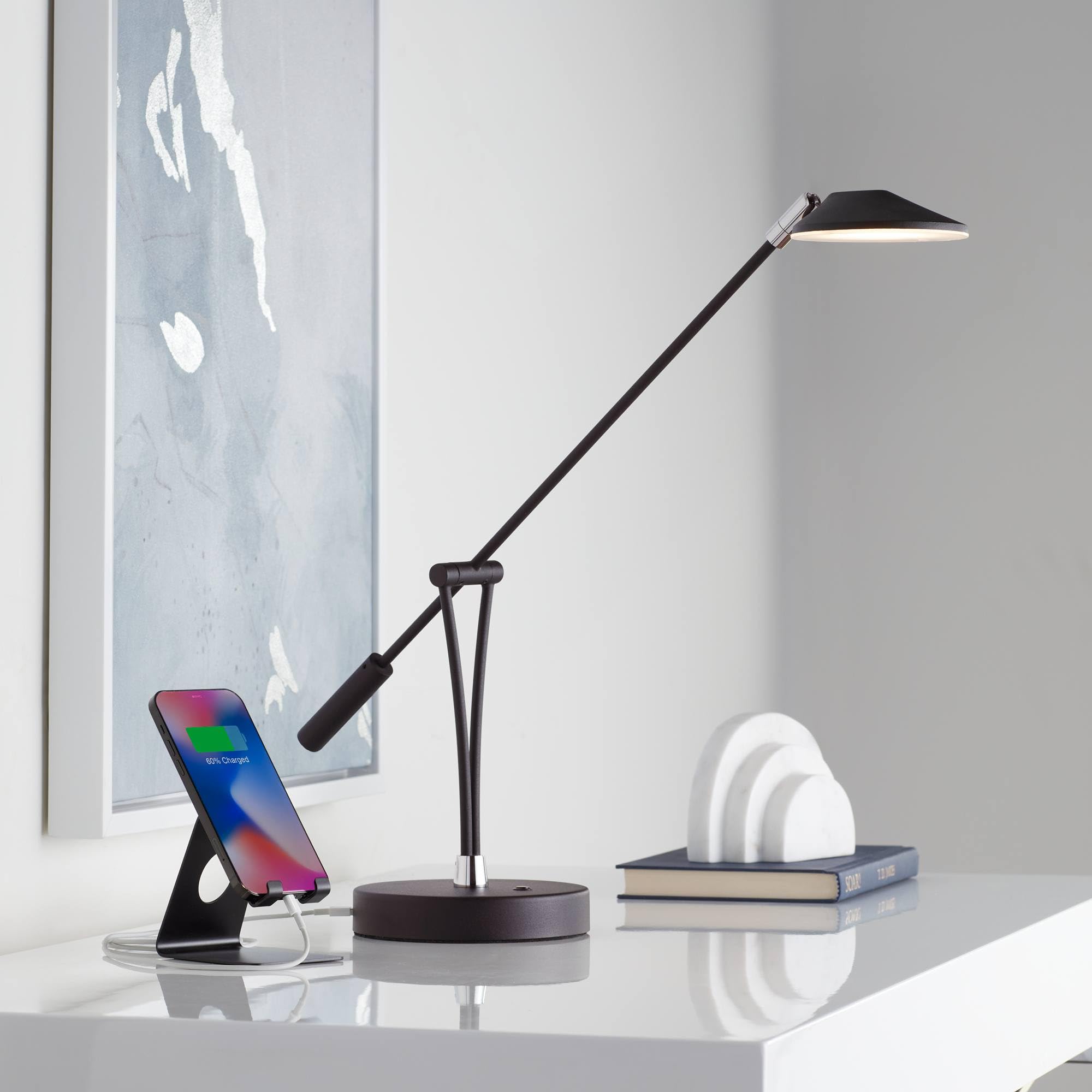
Credit: www.amazon.com
Ideal Lumens For Desk Lamps
Choosing the right brightness for your desk lamp can transform your workspace. The amount of light a lamp emits is measured in lumens, and knowing the ideal lumens helps you avoid eye strain and improve focus. But how do you decide what lumen level fits your needs?
General Brightness Levels
For most desk lamps, a brightness level between 400 and 800 lumens works well. This range provides enough light to comfortably illuminate your desk without being harsh or overwhelming. If you prefer a softer light for relaxing or casual tasks, aim closer to 400 lumens.
Think about how you use your desk daily. Do you mostly read, write, or browse your computer? Matching your lamp’s brightness with your general activities can prevent fatigue and keep you alert.
Task-specific Lumens
Different tasks require different lighting intensities. For detailed work like drawing, crafting, or reading small print, a brighter lamp of 800 to 1,200 lumens is more effective. It reduces shadows and highlights details clearly.
If your work involves screen time, you might want to balance your desk lamp’s brightness to avoid glare. A lamp with adjustable lumens can help you customize the light to suit each task. Have you ever noticed how a slight change in lighting can improve your productivity?
Factors Affecting Desk Lamp Brightness
Brightness of a desk lamp depends on lumens, bulb type, and shade design. Higher lumens mean a brighter light, ideal for tasks. Adjusting lamp position also affects how well the light spreads.
Factors affecting the brightness of a desk lamp are crucial to consider. The right light level can improve productivity and comfort. Several elements influence how bright your desk lamp needs to be.Desk Size And Layout
The size of your desk matters. A larger desk may need more light. A small desk might need less. Consider how your desk is organized. Objects on your desk can block light. Ensure the lamp light reaches all areas you use.Type Of Work
What you do at your desk affects brightness needs. Reading requires different light than working on a computer. Tasks like drawing need bright, focused light. Choose a lamp that suits your specific work needs.Ambient Lighting
Ambient lighting in the room also impacts desk lamp brightness. A room with lots of natural light needs less from a desk lamp. A dim room might require a lamp with higher lumens. Adjust your lamp based on the overall room lighting.
Credit: www.amazon.com
Choosing The Right Desk Lamp
Choosing the right desk lamp is more than just picking a stylish piece for your workspace. The right lamp can improve your focus, reduce eye strain, and even affect your mood. Understanding key features like brightness, light color, and energy use will help you select a lamp that fits your daily needs perfectly.
Adjustable Brightness Options
Brightness control is essential for a desk lamp. You want the flexibility to brighten your workspace during detailed tasks and dim it when you’re relaxing or using a computer. Lamps with multiple brightness settings or dimmable LEDs give you this control.
Think about how often you switch between reading papers and staring at a screen. Having adjustable brightness helps you avoid eye fatigue and creates a comfortable environment no matter the task.
Light Color Temperature
The color temperature of your desk lamp affects how your workspace feels. Cooler light (around 5000K) mimics daylight and can boost alertness and concentration. Warmer light (2700K to 3000K) creates a cozy atmosphere, better for winding down after work.
Ask yourself what kind of work you do most. Do you need sharp, clear light for detailed work? Or a soft glow that eases your eyes when reading or brainstorming? Some lamps offer adjustable color temperatures, giving you the best of both worlds.
Energy Efficiency
Energy-efficient lamps save money and reduce environmental impact. LED desk lamps use less power and last longer than traditional bulbs. This means fewer replacements and lower electricity bills over time.
Check for lamps with ENERGY STAR ratings or similar certifications. They ensure your lamp uses energy wisely without sacrificing brightness or quality.
Common Mistakes To Avoid
Choosing the right lumens for your desk lamp is more than just picking a number. Many people make simple mistakes that affect their comfort and productivity. Avoiding these common errors can help you get the perfect lighting for your workspace.
Too Dim Or Too Bright
Lighting that is too dim strains your eyes and makes it hard to focus. On the other hand, overly bright light can cause glare and headaches. Think about the tasks you’ll do—reading needs more light than casual browsing.
Have you ever felt tired quickly while working? It might be your lamp is either too weak or too powerful. Aim for a balance, usually between 400 to 800 lumens for a desk lamp, depending on your needs.
Ignoring Eye Comfort
Eye comfort is often overlooked when choosing desk lighting. Flickering or harsh light damages your eyes over time and reduces concentration. Consider lamps with adjustable brightness and warm light options to protect your vision.
Remember, your eyes deserve better than constant strain. If you notice dryness or headaches, your lamp might be the cause. Invest in eye-friendly lighting that supports longer, comfortable work sessions.
Overlooking Light Placement
Where you place your desk lamp matters as much as how bright it is. Poor placement can create shadows or glare, making your workspace uncomfortable. Ideally, position your lamp on the opposite side of your writing hand to avoid shadows.
Have you checked how your lamp affects your desk throughout the day? Natural light changes, so adjust your lamp’s location accordingly. Proper placement ensures consistent, clear lighting that supports your work efficiently.

Credit: www.amazon.com
Tips For Enhancing Desk Lighting
Enhancing your desk lighting goes beyond just choosing a lamp with the right lumens. The way you set up your lighting can transform your workspace, reduce eye strain, and boost your focus. Let’s look at some practical tips that can help you get the most out of your desk lamp and create an ideal environment for work or study.
Using Multiple Light Sources
Relying on a single desk lamp might leave shadows or uneven lighting on your workspace. Adding multiple light sources helps balance the brightness and reduces harsh contrasts.
Try combining ambient room lighting with a focused desk lamp. You can also add a small accent light to brighten darker corners. This layered lighting approach makes your space more comfortable and visually appealing.
Have you noticed how your eyes feel less tired when the entire room is softly lit, not just your desk? That’s the power of using multiple light sources.
Positioning Your Lamp Correctly
Where you place your desk lamp matters as much as how bright it is. Position your lamp so that the light hits your work area without causing glare or shadows.
If you’re right-handed, place the lamp on the left side to avoid casting shadows over your writing. Left-handed users should do the opposite. This simple adjustment can make a big difference in comfort and visibility.
Also, try to keep the light source slightly above your line of sight. This reduces direct glare and helps spread the light evenly across your workspace.
Maintenance For Consistent Brightness
Over time, dust and grime can build up on your lamp’s bulb and shade, reducing the amount of light reaching your desk. Regular cleaning keeps your lamp shining brightly.
Check your lamp’s bulb periodically and replace it if the light seems dimmer than before. Using the correct wattage and type of bulb ensures you get the brightness you need without overheating or damaging the lamp.
Have you ever struggled with a flickering desk lamp? Tightening connections or swapping out old bulbs can fix this and keep your lighting steady and reliable.
Frequently Asked Questions
How Many Lumens Does A Desk Lamp Need?
A desk lamp typically requires 450 to 800 lumens for effective task lighting. This range provides clear visibility without causing eye strain. It suits reading, writing, and computer work, ensuring a well-lit workspace.
What Lumen Level Is Best For Reading Lamps?
For reading, 450 to 600 lumens is ideal. This brightness level offers enough light to read comfortably without glare or harsh shadows, protecting your eyes during long reading sessions.
Can Too Many Lumens Harm Your Eyes?
Yes, excessive lumens can cause eye strain and discomfort. Bright light above 1000 lumens may be too intense for close tasks, leading to headaches or fatigue. Proper lumen levels prevent these issues.
How Do Lumens Affect Desk Lamp Energy Use?
Higher lumens usually mean higher energy consumption. However, LED lamps provide bright light with lower wattage, saving energy while delivering adequate lumens. Choose LED lamps for efficient lighting.
Conclusion
Choosing the right lumens for your desk lamp matters a lot. Bright light helps you see clearly and work comfortably. Too little light can strain your eyes and cause headaches. Too much light might feel harsh and distracting. Aim for 400 to 800 lumens for most tasks.
Remember, good lighting improves focus and reduces tiredness. Think about your workspace size and what you do there. A well-lit desk makes work easier and more enjoyable. Brightness is key to a productive and pleasant environment.



