
Are you planning to decorate your home with Christmas lights but wonder how many strings you can safely plug together? It’s a question that can save you from a frustrating blackout or even a fire hazard.
Knowing the right number keeps your decorations shining bright without risking damage. You’ll discover the simple rules to follow and tips to make your holiday display both stunning and safe. Keep reading—you’ll never guess how easy it is to get your lights just right!
Credit: www.diychatroom.com
Maximum Strings To Connect
Knowing the maximum number of Christmas light strings you can safely connect is key to creating a dazzling holiday display without risking electrical hazards. Too many strings linked together can overload your circuit, cause lights to flicker, or even start a fire. Let’s break down what determines this limit so you can plan your decorations with confidence.
Manufacturer Guidelines
Every set of Christmas lights comes with a label or instruction sheet that specifies how many strings can be connected end-to-end. This number isn’t arbitrary—it’s based on the design and safety testing of that particular product. Ignoring these guidelines can lead to overheating or blown fuses.
For example, some LED light strings allow connecting up to 50 strings, while traditional incandescent sets often recommend no more than 3 to 5. Always check the packaging or manual before plugging multiple strings together.
Voltage And Wattage Limits
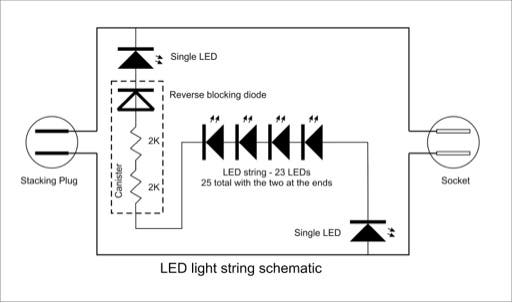
Voltage and wattage limits play a crucial role in determining how many strings you can safely connect. Each string draws a specific amount of current, and exceeding the circuit’s capacity can cause damage.
Think about your power source. If your outlet or extension cord is rated for 15 amps, and each string pulls 0.5 amps, you can safely connect about 30 strings before risking overload. However, it’s wise to keep a safety margin.
- Check the amperage rating on your lights
- Know your circuit’s maximum current
- Calculate total current draw before connecting
Types Of Light Strings
The type of light string also affects how many you can link. LED lights consume much less power than incandescent ones, allowing more strings to be connected safely.
Incandescent strings produce more heat and draw more current, so manufacturers limit how many you can plug together. On the other hand, LEDs are more efficient, meaning you can often connect 10 times more strings without issues.
Have you checked what type of bulbs your strings use? This simple fact can change your entire setup plan and ensure your holiday lights shine safely and brilliantly.

Credit: www.ebay.ca
Electrical Risks
Plugging too many Christmas light strings together might seem harmless, but it carries real electrical risks. Understanding these dangers helps you decorate safely without turning your festive display into a hazard. Let’s look closely at the common electrical issues you need to watch out for.
Overloading Circuits
Each electrical circuit has a limit on how much power it can handle. When you connect too many light strings, you risk overloading the circuit, which can cause breakers to trip or, worse, cause damage to your electrical system.
Think about your home’s outlets like water pipes; too much flow at once can cause a burst. If you’ve ever had your lights suddenly go dark, it could be a sign you’ve exceeded the circuit’s capacity.
Checking the wattage on your light strings and knowing your circuit’s rating lets you avoid this problem. Always stay under your circuit’s maximum load.
Fire Hazards
Overloaded circuits and faulty wiring can heat up and ignite nearby materials. Christmas decorations often include flammable items like paper, fabric, or dry pine needles, increasing the risk of fire.
One winter, I saw a neighbor’s garland catch fire because the light strings were old and the wiring was damaged. That incident made me realize how important it is to inspect every strand before use.
Never ignore melted insulation, darkened plugs, or flickering lights. These signs point to overheating, which can quickly lead to fire.
Short Circuits
Short circuits happen when electrical current flows along an unintended path. This usually occurs due to damaged wires or poor connections in your light strings.
Moisture from snow or rain can worsen the problem by exposing wires and causing sparks or shocks. Have you checked your outdoor lights for cracks or exposed wiring lately?
Using lights designed for outdoor use and inspecting each string before plugging them in reduces short circuit risks significantly.
Safe Connection Practices
Ensuring safe connection practices for Christmas lights is crucial. Overloading outlets can lead to hazards. By following simple safety steps, you can enjoy a bright and secure holiday season.
Using Proper Extension Cords
Choose extension cords rated for outdoor use. They withstand weather better. Check the wattage rating. It should match or exceed your light strings’ needs. Longer cords can reduce power. Use only as needed. Avoid daisy-chaining extension cords. This can cause overheating.
Checking For Damaged Wires
Inspect all light strings for damage. Look for exposed wires or fraying. Damaged wires pose fire risks. Replace any faulty strings immediately. Regular checks ensure safety. Before connecting, ensure all wires are intact.
Securing Connections
Ensure all connections are tight. Loose connections can cause sparks. Use waterproof connectors outdoors. This prevents moisture damage. Keep connections off the ground. Elevate them on hooks or clips. This avoids water exposure.

Credit: www.amazon.ca
Led Vs Incandescent Lights
Choosing between LED and incandescent Christmas lights affects how many strings you can safely connect. Each type uses electricity differently and has unique physical properties. Understanding these differences helps prevent electrical issues and keeps your decorations bright and safe.
Energy Consumption
LED lights use far less electricity than incandescent bulbs. They consume about 80% less power. This low energy use means you can connect more LED strings together without overloading the circuit. Incandescent lights draw more current, limiting how many strings link safely. Connecting too many incandescent strings can cause blown fuses or tripped breakers.
Heat Generation
Incandescent bulbs produce a lot of heat during use. This heat can damage wires and increase fire risk if many strings are plugged in. LEDs stay cool even after hours of use. Low heat output makes LEDs safer for long runs of connected lights. Less heat also means less stress on electrical parts.
Durability
LED lights last longer than incandescent bulbs. They resist breakage better because they use solid-state components. Incandescent bulbs have thin filaments that burn out quickly. Durability affects how often you replace lights. Fewer replacements mean less hassle and more consistent decoration. Strong LED lights handle being plugged together repeatedly without damage.
Outdoor Vs Indoor Use
Choosing between outdoor and indoor Christmas lights affects how many strings can connect safely. Outdoor lights face harsher conditions. Indoor lights stay in controlled environments. This difference impacts string length limits and safety measures.
Weather Resistance
Outdoor Christmas lights must resist rain, snow, and wind. These lights have stronger insulation and tougher wiring. Indoor lights do not need such protection. Connecting many outdoor strings risks damage from weather. Check manufacturer limits on outdoor string connections.
Proper Placement
Place outdoor lights where they avoid water pools or heavy snow loads. Keep plugs off the ground to prevent water contact. Indoor lights can be placed near walls or ceilings without concern for moisture. Proper placement reduces risk of electrical shorts and fire.
Waterproofing Tips
- Use weatherproof extension cords for outdoor lights.
- Cover connections with electrical tape or waterproof covers.
- Seal plug joints with silicone sealant to block water.
- Do not overload outdoor outlets with too many strings.
- Regularly inspect lights for cracks or frayed wires.
Alternative Lighting Options
Alternative lighting options offer flexible and safe ways to decorate your home. These choices help avoid the risks of overloading electrical outlets. They also let you place lights where power sources are scarce. Such options are eco-friendly and easy to use.
Battery-powered Lights
Battery-powered lights are perfect for small spaces and areas without outlets. They come in many styles and colors. These lights run on AA or AAA batteries. Battery life varies but usually lasts several hours.
Use battery-powered lights for wreaths, garlands, or centerpieces. They reduce the need for cords and plugs. Many models include timers for automatic shutoff. This saves battery power and effort.
Solar-powered Lights
Solar-powered lights charge during the day using sunlight. They automatically light up at night. This option is ideal for outdoor decorations. Solar lights do not need wires or batteries.
Place solar panels in direct sunlight for best results. These lights save energy and cut electricity costs. They are weather-resistant and durable. Solar-powered lights give a warm glow and add charm to your yard.
Troubleshooting Common Issues
Troubleshooting common issues with Christmas lights helps keep your decorations bright. Problems often arise when too many strings are connected or when bulbs fail. Knowing how to spot and fix these issues saves time and frustration. It also keeps your display safe and beautiful throughout the holiday season.
Identifying Faulty Bulbs
Faulty bulbs can cause an entire string of lights to go out. Look for bulbs that are dim, broken, or missing. A loose bulb may also interrupt the circuit. Replace any damaged or burnt-out bulbs with the exact type specified by the manufacturer.
Use a bulb tester or swap bulbs with a working string. This helps find the problem quickly. Make sure the lights are unplugged before replacing bulbs. Check the sockets for corrosion or debris that might block the connection.
Resetting Gfci Outlets
Many outdoor Christmas lights use GFCI outlets for safety. These outlets trip to prevent electrical hazards. If your lights suddenly stop working, the GFCI may have shut off power. Find the reset button on the outlet and press it firmly.
Test the outlet by plugging in a different device. If it works, the lights should turn on too. Avoid overloading the outlet with too many light strings. Spread out your decorations across multiple circuits for safer use.
Maintenance And Storage
Keeping Christmas light strings in good shape extends their life and keeps them bright. Proper care prevents damage and saves money on replacements. Maintenance and storage are key to safe and effective use each year.
Cleaning Light Strings
Dust and dirt can dim your lights. Clean them gently before storage. Use a soft cloth or a small brush to remove debris. Avoid water on electrical parts to prevent damage. Check bulbs for cracks or breaks. Replace any faulty bulbs to ensure safety. Clean plugs and sockets to keep connections strong.
Proper Storage Techniques
Store light strings in a dry, cool place. Avoid tangled cords to prevent wire damage. Wrap lights around a spool or piece of cardboard. Use twist ties or rubber bands to keep them secure. Keep lights away from heavy objects that can crush them. Store in a box or container to protect from dust and pests. Label each set to find them quickly next year.
Frequently Asked Questions
How Many Christmas Light Strings Can Be Safely Connected?
Typically, you can safely connect 3 to 5 light strings. This depends on the manufacturer’s guidelines. Exceeding this may cause overheating or electrical hazards. Always check the product label for maximum connection limits to ensure safety.
What Happens If Too Many Lights Are Plugged Together?
Plugging too many lights together can overload the circuit. This may lead to blown fuses, tripped breakers, or fire risks. It also reduces light performance and can damage the wiring. Always follow the recommended number of connected strings.
Can Led And Incandescent Lights Be Connected Together?
No, LED and incandescent light strings should not be connected together. They operate at different voltages and current levels. Mixing them can cause malfunction or electrical damage. Use the same type of lights when connecting multiple strings.
How To Know The Max Number Of Strings Per Circuit?
Check the product packaging or user manual for max connection info. It’s usually 3 to 5 strings for standard lights. Also, consider the wattage and your household circuit capacity. When in doubt, consult an electrician for safety.
Conclusion
Knowing how many Christmas light strings to connect keeps your display safe. Each string has a limit set by the manufacturer. Exceeding this can cause bulbs to burn out or even start a fire. Always check the packaging for the maximum number.
Use extension cords designed for outdoor lights. Test your lights before hanging them up. Keep your decorations bright and worry-free this holiday season. Safety first, fun always.



