

Have you ever stood in a room wondering how many walls you should decorate? It’s a common question that can make or break the whole vibe of your space.
Too many decorations can feel overwhelming, while too few might leave the room feeling empty and dull. What if there was a simple way to find the perfect balance that reflects your style and makes your room truly inviting? Keep reading, because you’re about to discover the secrets to decorating your walls in a way that transforms your space effortlessly.
Choosing Walls To Decorate
Choosing which walls to decorate in your room can dramatically change its atmosphere and feel. It’s not just about covering every wall with art or paint but about making thoughtful choices that highlight your space. Let’s look at how to decide which walls deserve your attention.
Focal Wall Selection
The focal wall is where your eye naturally lands when you enter the room. It often holds the most visual interest and sets the tone for the entire space.
Think about walls behind a sofa, bed, or fireplace. These are prime candidates for bold colors, wallpaper, or standout artwork.
When I painted one wall a deep navy in my living room, it instantly gave the space character without overwhelming it. What wall draws your eye first when you enter your room?
Balancing Decor Across Walls
Decorating just one wall might make the room feel lopsided, but covering all walls equally can feel overwhelming. Balance is key.
Use a combination of decorated and neutral walls to create harmony. For example, if one wall has heavy artwork, keep the opposite walls simple with a soft paint color.
Try mixing textures and subtle decorations like small shelves or wall sconces on adjacent walls to maintain interest without clutter.
Considering Room Shape And Size
Room dimensions affect which walls should be decorated. In a narrow room, a single accent wall can add depth and prevent the space from feeling cramped.
Large rooms offer more freedom—you might decorate two opposite walls to create a cozy, balanced environment.
Remember, smaller rooms benefit from lighter colors and minimal decorations on multiple walls to avoid feeling closed in. How does your room’s shape influence your decorating choices?
Types Of Wall Decor
Choosing the right type of wall decor can transform a room from plain to captivating. The kind of decor you pick depends on your style, the room’s purpose, and how much attention you want each wall to draw. Understanding the different types of wall decor helps you decide which walls to decorate and how to balance the overall look.
Art And Paintings
Art and paintings bring personality and color to your walls. You can choose bold, large pieces for a statement wall or smaller, grouped artworks for a gallery feel. Think about your favorite styles—abstract, landscapes, or portraits—and how they reflect your taste.
Consider the wall size and lighting. A bright spotlight on a painting can make it a room’s focal point. Have you ever noticed how a single, striking piece can change the mood of an entire room?
Wallpapers And Murals
Wallpapers and murals add texture and pattern without needing frames or shelves. They work well on one or two walls to avoid overwhelming the space. Patterns can range from subtle and elegant to bold and playful.
Murals create an immersive experience, like a nature scene or cityscape, that can make you feel like you’re stepping into another world. Would you want your walls to tell a story or simply complement your furniture?
Shelves And Functional Decor
Shelves combine decoration with practicality, perfect for small spaces where every inch counts. Use them to display books, plants, or collectibles that express who you are. Functional decor keeps your room organized while adding layers of interest.
Floating shelves or built-ins can turn an empty wall into a dynamic display area. Think about what items you want to show off and how shelves can highlight those pieces without cluttering your room.
Impact Of Wall Colors
The colors you choose for your walls do more than just fill space—they set the mood, influence perception, and define your room’s personality. How many walls you decide to decorate with color can change everything from the room’s energy to how spacious it feels. Understanding the impact of wall colors helps you decide whether to paint one wall or all four, making your space truly yours.
Accent Colors On Single Walls
Painting a single wall with an accent color draws the eye and creates a focal point instantly. It’s a powerful way to add depth without overwhelming your senses. Have you ever noticed how one bold wall can make artwork or furniture pop? That’s the magic of an accent wall.
This approach works well if you want to experiment with bright or dark shades without committing to the entire room. It also helps balance the space by breaking up monotony. Think about a deep navy wall behind your bed or sofa—it anchors the room beautifully.
Using Bold Colors On Multiple Walls
Choosing bold colors for multiple walls demands confidence but can energize a room like nothing else. It creates a strong statement and a cohesive, immersive atmosphere. However, too many bold walls might feel overwhelming if not balanced with the right lighting and décor.
Consider your room’s size and natural light before painting several walls in vivid hues. In smaller or darker rooms, this might make the space feel cramped. But in larger, well-lit spaces, it can feel cozy and dynamic—have you tried this in your home?
Neutral Tones And Minimalism
Neutral tones on all walls offer a calm, versatile backdrop that lets your furniture and accessories shine. They make rooms feel open and clean, perfect if you prefer a minimalist style. You can always add color through textiles and artwork without repainting walls.
Using soft grays, beiges, or off-whites creates a soothing environment that adapts with your changing tastes. If you’re unsure about bold choices, neutral walls keep your options open. How might your favorite colors look as accents against a neutral canvas?
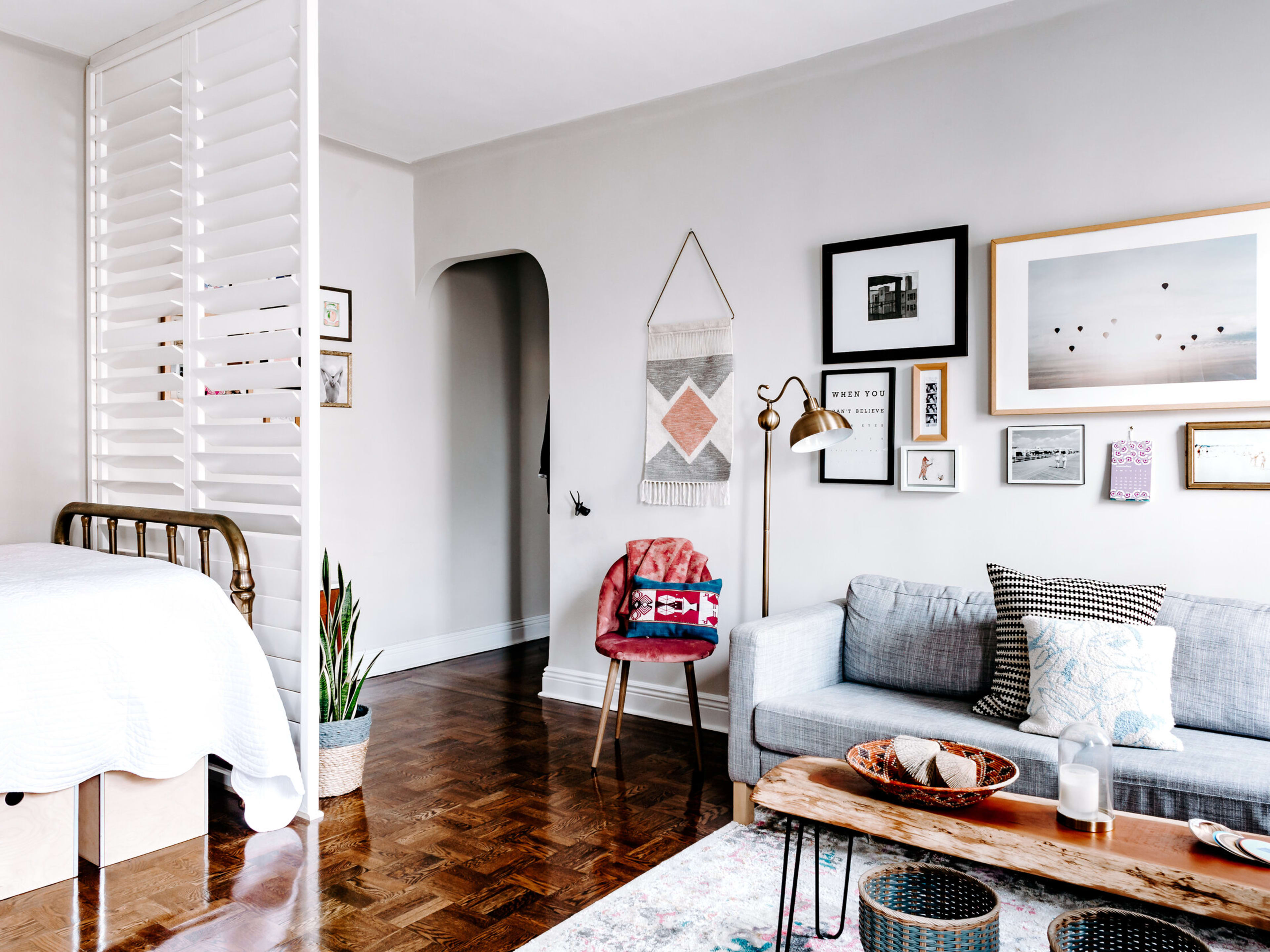
Credit: paradehomeandgarden.com
Room Function And Style
When decorating a room, the function and style of the space play a critical role in determining how many walls should be adorned. Consider the purpose of the room: Is it a cozy bedroom, a lively living room, or a focused office space? The style should complement the function, enhancing the room’s ambiance without overwhelming it.
Living Room Wall Ideas
The living room is often the heart of the home, a space where you entertain guests and relax with family. Here, one or two feature walls might be ideal to create a focal point without making the space feel cluttered. Bold artwork, a gallery wall, or textured wallpaper can add personality and warmth.
Think about how you use the living room. Do you prefer a minimalist look or a cozy, eclectic vibe? Your choice of wall decorations can influence the overall atmosphere, making it either a serene retreat or an energetic gathering space.
Bedroom Wall Decoration Tips
In the bedroom, the focus is usually on rest and relaxation, so it’s best to keep wall decorations simple and soothing. A single accent wall behind the bed can make a striking statement and serve as a beautiful backdrop. Soft colors and calming artwork can enhance a peaceful environment.
Consider personal touches like framed photos or a favorite quote above the bed. These elements not only add to the aesthetic but also make the space uniquely yours. Does your bedroom reflect your personal style and provide a sense of tranquility?
Office And Workspace Walls
For an office or workspace, productivity and focus are key. Choose wall decorations that inspire and motivate. A well-placed bulletin board or a series of inspirational prints can keep your goals front and center.
Think about incorporating functional decor, like a wall calendar or shelving for books and supplies. Your workspace should be organized yet stimulating, helping you stay on task. How can your wall decorations enhance your work efficiency and creativity?
Expert Tips For Wall Decoration
Decorating walls in a room requires a thoughtful approach. Experts suggest focusing on balance and style. The goal is to create a space that feels inviting and personal. Walls should enhance the room without overwhelming it.
Creating Visual Interest
Use different textures and colors to catch the eye. Mix artwork, shelves, and mirrors for variety. Play with sizes and shapes to add depth. Highlight one wall as a focal point. This draws attention and adds character.
Avoiding Overcrowding
Leave some wall space empty to prevent clutter. Too many decorations can make the room feel small. Choose a few key pieces instead of many small ones. Keep a balance between decorated and plain walls. This gives the eyes a place to rest.
Incorporating Personal Touches
Add items that reflect your personality and story. Family photos, travel souvenirs, or handmade crafts work well. Personal touches make the room unique and warm. Change decorations over time to keep the space fresh. This helps the room grow with you.

Credit: bruzzen.com

Credit: www.ballarddesigns.com
Frequently Asked Questions
How Many Walls Should Be Decorated In A Room?
Typically, decorating two to three walls balances style and space. Highlight one wall as a feature, then decorate adjacent walls subtly for harmony and depth without overwhelming the room’s aesthetics.
Can Decorating All Walls Make A Room Look Smaller?
Yes, decorating all walls with bold patterns can make a room feel cramped. Opt for lighter colors or subtle designs on some walls to maintain openness and avoid visual clutter.
Which Wall Is Best For A Focal Point Decoration?
The wall opposite the room entrance or the one with a window is ideal. These walls naturally draw attention and enhance the room’s overall visual appeal when decorated thoughtfully.
Should I Match Wall Decorations With Room Size?
Yes, large rooms can handle more decorated walls and bold designs. Smaller rooms benefit from fewer, lighter decorations to keep the space feeling open and comfortable.
Conclusion
Decorating walls can change a room’s feel a lot. One or two walls often work best. It keeps the space balanced and not too busy. Choose walls that catch the eye first. Use colors, art, or textures to make them stand out.
Empty walls can also help the room breathe. Remember, less can be more in decoration. Find what looks good and feels right to you. Enjoy making your room a place you love.



