
Are you wondering how many watts a string of Christmas lights uses? Knowing this can help you save money on your electric bill and keep your home safe during the holidays.
Whether you have a few strands or a whole house covered in lights, understanding their power consumption is key. You’ll discover exactly how to figure out the wattage of your Christmas lights and learn simple tips to use them efficiently.
Keep reading to make your holiday season brighter without any surprises on your energy bill!
Watts And Christmas Lights
Understanding watts is key to managing your Christmas lights effectively. Watts indicate the amount of electricity your string of lights consumes. Knowing this helps you avoid overloads and choose the right lights for your decorations.
What Watts Measure
Watts measure electrical power. Specifically, they tell you how much energy a device uses per second. When you see the wattage on your Christmas lights, it reflects their energy consumption.
Lower wattage means less electricity use and potentially lower energy bills. But it also often means less brightness. So, balancing wattage with the brightness you want is important.
Types Of Christmas Lights
Christmas lights come in several types, each with different wattages:
- Incandescent lights:Traditional bulbs that use more watts, typically around 5 watts per bulb.
- LED lights:Modern, energy-efficient bulbs using about 0.05 watts per bulb.
- CFL lights:Less common, but they fall between incandescent and LED in wattage use.
If you want to decorate a whole tree or house, LEDs save you a lot of energy. Have you ever compared your energy bill before and after switching to LED lights? The difference can be surprising.

Credit: www.amazon.ca
Wattage Of Different Light Strings
Understanding the wattage of different Christmas light strings helps you manage energy use and avoid overloading your circuits. Each type of light string uses power differently, which affects both your electricity bill and safety. Let’s look closely at how wattage varies across popular light types and bulbs.
Incandescent Light Strings
Incandescent light strings are the classic choice, but they consume more power than modern alternatives. A typical 100-bulb incandescent string uses about 40 to 60 watts. This means they can add up quickly if you decorate a large area, potentially causing higher energy bills.
Have you ever noticed your incandescent lights getting warm after a few hours? This heat is a sign of high energy use compared to newer lighting options.
Led Light Strings
LED light strings are much more energy-efficient. A similar 100-bulb LED string might only use 7 to 10 watts. This drastic drop in wattage means you can light your home brightly without worrying much about your electric bill.
Switching to LEDs could save you money during the holidays and reduce the risk of electrical problems. Do you know how much energy your current lights use?
C7 And C9 Bulbs
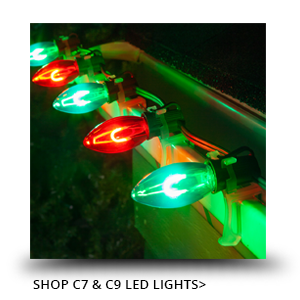
C7 and C9 bulbs are larger bulbs often seen on outdoor light strings. Incandescent C7 bulbs usually consume around 7 watts each, while C9 bulbs use about 10 watts each. When you string 50 or 100 bulbs together, the total wattage can become quite significant.
LED versions of C7 and C9 bulbs use far less power, often just 1 to 1.5 watts per bulb. Choosing LEDs here can make a big difference if you want a traditional look without the high energy cost.
Miniature Bulbs
Miniature bulbs, like those tiny twinkle lights, generally use less power per bulb. Incandescent mini bulbs typically use about 0.5 watts each, while LED minis use as little as 0.05 watts. This makes miniature LED strings an excellent choice for decorating small spaces or intricate displays.
Thinking about how many lights you want to run at once? Miniature LED strings allow more flexibility without stressing your home’s electrical system.
Calculating Total Wattage
Calculating total wattage helps know how much power a string of Christmas lights uses. Multiply the wattage per bulb by the number of bulbs. This simple step ensures safe and efficient holiday decorating.
Calculating the total wattage of Christmas lights helps manage energy use. It’s also crucial for safety. Overloading circuits can cause issues. Let’s break down the process into simple steps.Counting Bulbs Per String
First, count the bulbs on the string. Most packages list the number of bulbs. If not, a quick count will do. Knowing the bulb count is the first step.Wattage Per Bulb
Next, check the wattage of each bulb. This information is usually on the box or bulb. Common wattages range from 0.5 to 5 watts per bulb. Note this number down.Multiplying For Total
Finally, multiply the bulb count by the wattage per bulb. This gives the total wattage for the string. For example, 100 bulbs at 0.5 watts each total 50 watts. Make sure to add the wattage of all strings for a complete total. This helps you avoid overloading circuits.
Credit: 612vermont.com
Power Consumption And Cost
Understanding the power consumption and cost of a string of Christmas lights helps manage energy use and expenses. Lights vary in wattage, affecting electricity bills. Knowing these details supports smarter choices during the holiday season.
Estimating Energy Use
Each light bulb in a string uses a certain number of watts. Multiply the wattage by the number of bulbs to get total watts. For example, 50 bulbs at 0.5 watts each use 25 watts total. Multiply watts by hours used to find watt-hours. Divide by 1,000 to convert to kilowatt-hours (kWh), the unit for electricity billing.
Calculating Electricity Costs
Electricity costs depend on local rates, usually cents per kWh. Multiply kWh used by the rate to find the cost. For example, 25 watts running 5 hours daily uses 0.125 kWh. At $0.12 per kWh, daily cost is about 1.5 cents. Multiply by days used for the total cost during the holiday season.
Comparing Led And Incandescent
LED lights consume far less power than incandescent bulbs. A 50-bulb LED string may use only 5 watts. The same number of incandescent bulbs might use 100 watts. LEDs save energy and cost less to run. They also last longer, reducing replacement costs.
Safety And Electrical Limits
Handling Christmas lights safely means understanding their electrical limits. Every string of lights uses a certain amount of watts, and plugging too many into one outlet can cause serious risks like overheating or even fires. Knowing how to distribute power properly helps you keep your decorations bright and your home safe.
Max Wattage Per Outlet
Most household outlets can handle about 1,500 watts. This means you need to check the wattage of your Christmas lights before plugging several strings into the same outlet. If each string uses 50 watts, you could safely connect up to 30 strings—but always leave some margin for other devices.
I once overloaded an outlet by connecting too many light sets. The circuit breaker tripped immediately, saving the day. That experience taught me to calculate wattage carefully and never assume an outlet can handle unlimited power.
Using Extension Cords Safely
Extension cords are handy, but they can become hazards if overloaded or damaged. Use cords rated for outdoor use if you’re decorating outside, and avoid running them under carpets or through doorways. Check the cord’s wattage rating and make sure it matches or exceeds the total wattage of your lights.
Remember to unplug extension cords when not in use. A frayed or overheated cord can cause sparks or fires. You don’t want to risk your holiday cheer over something preventable.
Preventing Overloads
Overloads happen when too much power flows through a single circuit. To prevent this, spread your light strings across multiple outlets and circuits if possible. Use a power strip with a built-in circuit breaker for added protection.
- Calculate total wattage before plugging in lights.
- Limit the number of strings per outlet based on their wattage.
- Check your home’s circuit breaker rating to avoid overloading.
Ask yourself: Are your decorations worth risking an electrical fire? Taking a few minutes to plan your setup can save you from costly damage and keep your holidays safe and bright.
Tips For Efficient Lighting
Efficient lighting is key to enjoying your holiday decorations without worrying about your electricity bill. Knowing how to manage the power consumption of your Christmas lights can save you money and reduce hassle. Let’s look at practical tips that help you light up your home smartly and sustainably.
Choosing Low-wattage Options
LED lights use significantly less power than traditional incandescent bulbs, sometimes up to 80% less. Switching to LED strings can reduce your overall wattage without sacrificing brightness or color variety. Look for packaging labels that show wattage per string to compare and pick the most energy-efficient options for your setup.
You might wonder if dimmer LEDs lose their festive charm. In reality, they often create a cozy atmosphere that feels just right, especially for indoor displays.
Timers And Smart Controls
Using timers lets you set your lights to turn on and off automatically, preventing them from running all day and night. This simple step can cut down unnecessary electricity use and extend the life of your lights. Smart plugs and apps offer even more control, allowing you to adjust schedules from your phone, whether you’re home or away.
Have you tried syncing your lights with music or ambient sensors? These features not only save energy but add a fun, interactive element to your decorations.
Maintaining Lights For Longevity
Regularly check your light strings for damaged bulbs or frayed wires to avoid short circuits that waste power and pose safety risks. Clean the bulbs gently to keep them shining bright without using extra wattage. Store your lights carefully after the season to prevent wear and tear, so they last longer and maintain their efficiency year after year.
Think about how much energy and cost you could save by simply taking better care of your lights. Isn’t it worth a few minutes of maintenance to enjoy worry-free holiday cheer?

Credit: www.amazon.ca
Frequently Asked Questions
How Many Watts Does One String Of Christmas Lights Use?
A typical string of 50 incandescent Christmas lights uses about 40 to 60 watts. LED strings consume much less, around 5 to 10 watts, making them more energy-efficient.
Do Led Christmas Lights Use Fewer Watts Than Incandescent?
Yes, LED Christmas lights use about 80-90% less watts than incandescent lights. This reduces energy costs and environmental impact significantly.
How To Calculate Total Watts For Multiple Light Strings?
Multiply the wattage of one string by the number of strings used. For example, 10 strings of 50-watt lights total 500 watts.
Can Wattage Affect Christmas Light Brightness?
Wattage influences brightness; higher wattage usually means brighter bulbs. However, LED lights provide bright light with fewer watts due to efficient technology.
Conclusion
Knowing the wattage of your Christmas lights helps save energy and money. Small differences in watts can change your electricity use. Always check the label on your light string for exact watts. Using LED lights can lower power use a lot.
Safe and smart choices keep your holidays bright and worry-free. Enjoy festive lights without surprise bills or outages. Simple steps make your decorations both fun and efficient.



