
Are you curious about how much power your string of Christmas lights actually uses? Knowing the wattage can help you save money on your electricity bill and keep your decorations safe.
Whether you have a small set for your window or a giant display for your whole yard, understanding how many watts your lights draw is key. You’ll discover simple ways to figure out the wattage of your Christmas lights and learn tips to make your holiday glow brighter without wasting energy.
Keep reading—you might be surprised at what you find!

Credit: www.amazon.ca
Types Of Christmas Lights
Christmas lights come in several types, each with unique features. Knowing the differences helps choose the right lights. Energy use varies widely across types. This affects how many watts a string of lights uses.
Incandescent Lights
Incandescent lights are the traditional choice for Christmas decor. They use small filaments that glow when electric current passes through. These lights consume more power, usually between 40 to 60 watts per 100-bulb string. They produce a warm, classic glow but run hotter and use more energy. These lights may burn out faster than newer types.
Led Lights
LED lights are popular for their energy efficiency and long life. They use light-emitting diodes to produce bright colors with low power. A 100-bulb LED string may use only 7 to 10 watts, much less than incandescent lights. LEDs stay cool to the touch and last many seasons. Their brightness and color options make them a flexible choice for decorations.
Solar-powered Lights
Solar-powered Christmas lights use sunlight to charge during the day. They store energy in batteries to light up at night. These lights are eco-friendly and save on electricity bills. The wattage depends on the solar panel and battery size but usually stays low. Solar lights work best outdoors where they get direct sunlight. They offer a convenient, green option for holiday decorating.

Credit: www.amazon.ca
Power Consumption Basics
Understanding the power consumption of your Christmas lights helps you avoid blown fuses and keep your energy bills in check. It’s not just about how many bulbs you have, but how much electricity each string uses. Knowing the basics of power consumption will help you choose the right lights and use them safely.
Watts And Amps Explained
Watts measure the total power your string of lights consumes. Think of watts as the actual energy used to make your lights glow. Amps, on the other hand, measure the flow of electric current through the wires.
If you know the wattage of your lights, you can figure out how much current they draw by dividing watts by voltage. For example, if your lights use 60 watts and your household voltage is 120 volts, they draw 0.5 amps (60 ÷ 120 = 0.5).
Why does this matter? Because most household circuits can handle only a certain number of amps before tripping. By understanding amps, you can safely plug in multiple strings without overloading your outlets.
Voltage And Its Role
Voltage is the electric pressure that pushes current through your Christmas lights. In the U.S., standard household voltage is typically 120 volts, but it can vary in other countries.
This voltage affects how much power your lights use. If you connect lights designed for 12 volts directly to a 120-volt source, they will burn out quickly. That’s why many LED strings use transformers to lower voltage safely.
Understanding voltage ensures you pick lights compatible with your power supply. Have you ever wondered why some lights are labeled “low voltage” and others aren’t? It all comes down to how much electrical force they need to operate without damage.
Watts Per Foot For Different Lights
Understanding the watts per foot for different Christmas lights helps save energy. It also ensures safety and efficiency. Different light types consume varying amounts of power. Let’s explore the wattage of various string lights.
Incandescent Light Strings
Incandescent lights are traditional but less energy-efficient. They use about 0.5 to 1 watt per bulb. For a 25-foot string with 50 bulbs, expect 25 to 50 watts. These lights are bright but generate more heat.
Led Light Strings
LED lights are energy-efficient and cool to touch. They use 0.07 watts per bulb. A 25-foot string with 50 bulbs uses about 3.5 watts. This makes LEDs a popular choice for eco-friendly decorating.
Mini Vs. C7 And C9 Bulbs
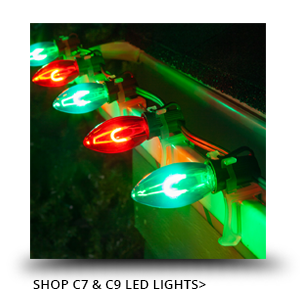
Mini bulbs are small and use less power. They consume about 0.4 watts each. C7 and C9 bulbs are larger and brighter. C7 bulbs use around 5 watts, while C9 bulbs use 7 watts. Choose based on the desired brightness and energy needs.
Calculating Total Wattage
Calculating the total wattage of a string of Christmas lights helps manage energy use. It ensures safety and prevents circuit overloads. Knowing the wattage also helps estimate electricity costs during the holiday season.
Determining Length And Bulb Count
Start by measuring the length of the string of lights. Count how many bulbs are on that string. Each bulb uses a certain amount of watts, so the total depends on these numbers.
For example, a 50-foot string may have 100 bulbs. The wattage per bulb might be small, but adding them up is important.
Using Manufacturer Specifications
Check the packaging or the label on the string for wattage information. Manufacturers often list watts per bulb or total watts for the string. This data is the most accurate for calculating total wattage.
Look for phrases like “Total Wattage” or “Power Consumption.” Use these numbers to avoid guesswork and ensure precise calculations.
Estimating For Multiple Strings
When using several strings, add the wattage of each string together. If each string uses 40 watts and you have five strings, multiply 40 by 5. This gives the total wattage for all strings combined.
This helps prevent exceeding electrical limits and keeps decorations safe and efficient.
Energy Efficiency Comparison
Understanding the energy efficiency of your Christmas lights can help you make smarter choices that save money and reduce your environmental impact. Comparing the wattage of different types of lights reveals significant differences in power use and cost. Let’s look closely at how incandescent and LED lights stack up against each other, and what that means for your energy bill over time.
Incandescent Vs Led
Incandescent Christmas lights typically use about 40 to 50 watts per 100-light string. These bulbs generate light by heating a filament, which wastes a lot of energy as heat.
LED lights, on the other hand, use roughly 5 to 10 watts for the same number of bulbs. LEDs convert most of their energy directly into light, making them much more efficient.
Think about this: if you run your lights for 6 hours a day during the holiday season, LEDs consume a fraction of the electricity compared to incandescent lights. This difference adds up quickly, especially if you decorate extensively.
Cost Savings Over Time
While LED strings often have a higher upfront price, their energy savings can pay off within a single season. For example, if incandescent lights use 45 watts and LEDs use 7 watts, that’s a savings of 38 watts per hour.
| Light Type | Wattage per 100 Lights | Cost to Run 6 Hours/Day for 30 Days (Assuming $0.12/kWh) |
|---|---|---|
| Incandescent | 45 W | $0.97 |
| LED | 7 W | $0.15 |
Calculation: (Wattage × Hours × Days) ÷ 1000 × Cost per kWh
By choosing LED lights, you save about 82 cents per string each holiday season. If you have multiple strings, your savings multiply. Over several years, these savings can cover the initial extra cost of LEDs and continue to reduce your bills.
Have you checked how much your current lights cost to run? Switching to LEDs could be one of the easiest ways to reduce your holiday energy expenses without sacrificing brightness or beauty.

Credit: www.amazon.ca
Safety Considerations
Safety is key when using Christmas lights. These lights draw power, and too much load can cause problems. Understanding how many watts your string uses helps prevent accidents. Proper setup keeps your home safe and your decorations bright. Follow these safety tips to avoid hazards.
Avoiding Overloading Circuits
Each circuit has a limit on how much power it can handle. Connecting too many light strings can exceed this limit. Overloading causes breakers to trip or wires to heat up. Always check the wattage on your light strings. Add the watts together to see the total load. Keep the total well below the circuit’s capacity.
Proper Use Of Extension Cords
Use only extension cords rated for your lights’ wattage. Thin or cheap cords can overheat and start fires. Never connect multiple cords to extend length. Use cords designed for outdoor use if needed. Place cords where they won’t cause trips or damage. Unplug cords when not in use to reduce risk.
Outdoor Vs Indoor Ratings
Lights designed for indoors may not handle weather outside. Outdoor-rated lights have insulation and protection from moisture. Using indoor lights outside can cause electrical shorts or shocks. Check the label on your lights before use. Choose the right type for where you hang them. Keep connections dry and secure to avoid hazards.
Tips To Reduce Energy Use
Cutting down on the energy used by your Christmas lights doesn’t mean you have to sacrifice the festive glow. Simple changes can make a noticeable difference in your power bill and your environmental footprint. Let’s look at practical ways you can keep your holiday decorations bright without wasting electricity.
Timers And Smart Plugs
Using timers or smart plugs helps you control exactly when your lights turn on and off. This avoids leaving them on all day or overnight when no one is around to enjoy them. You can set your lights to operate only during peak evening hours, saving energy effortlessly.
I once set a timer for my outdoor lights, and I noticed my electricity cost dropped the next month. Plus, it gave me peace of mind knowing the lights would turn off automatically, even if I forgot. Have you tried using a smart plug yet? They often come with apps, letting you control your lights remotely from your phone.
Choosing Low-wattage Options
Not all Christmas lights consume the same amount of power. LED lights use significantly less electricity than traditional incandescent bulbs. Swapping your old lights for LEDs can cut your energy use by up to 80%, without losing any brightness or color.
Think about the last time you replaced a string of lights. Did you check the wattage before buying? Low-wattage options are easy to find and often last longer, meaning fewer replacements and less waste. Imagine how much energy you could save by simply choosing the right bulb type.
Frequently Asked Questions
How Many Watts Does One String Of Christmas Lights Use?
A typical string of Christmas lights uses between 40 and 100 watts. The exact wattage depends on the number of bulbs and type, such as LED or incandescent. LED lights consume less energy, usually around 5 to 10 watts per string.
Are Led Christmas Lights More Energy-efficient?
Yes, LED Christmas lights use significantly less energy than incandescent bulbs. They consume up to 90% less power, which lowers electricity costs. LEDs also last longer, making them an eco-friendly and cost-effective holiday lighting option.
How To Calculate Total Wattage For Multiple Light Strings?
To find total wattage, multiply the wattage of one string by the number of strings. For example, 5 strings at 40 watts each equal 200 watts total. This helps estimate energy consumption and ensures safe electrical usage.
Can High Wattage Christmas Lights Cause Electrical Issues?
High wattage lights can overload circuits if too many strings connect to one outlet. Always check the wattage rating and use appropriate extension cords or power strips. Avoid exceeding your circuit’s capacity to prevent electrical hazards.
Conclusion
Knowing the wattage of your Christmas lights helps save energy and money. Different lights use different amounts of power. LED lights use less electricity than traditional bulbs. Always check the label before buying new strings. This way, you avoid overloads and keep your home safe.
Bright, festive decorations do not have to mean high energy bills. Small changes make a big difference during the holiday season. Choose wisely and enjoy your lights without worry.



