
Are you wondering if your attic has the right amount of ventilation? Too little, and you risk heat buildup and moisture problems.
Too much, and you could be wasting energy or letting in unwanted pests. Getting the balance just right is key to keeping your home comfortable and protected. You’ll discover exactly how much attic ventilation you need, why it matters, and simple steps you can take to improve it.
Keep reading to make sure your attic is working for you—not against you.
Credit: www.roofingcontractor.com
Importance Of Attic Ventilation
Attic ventilation plays a crucial role in maintaining the overall health and comfort of your home. Proper airflow in the attic space helps regulate temperature and moisture levels, directly impacting your energy bills, structural integrity, and indoor air quality. Understanding why attic ventilation matters can help you make smarter decisions about how much ventilation your home truly needs.
Effects On Home Energy Efficiency
Good attic ventilation keeps your attic cooler in summer by allowing hot air to escape. This reduces the strain on your air conditioning system, which can lower your energy bills significantly.
In winter, ventilation helps prevent warm air from getting trapped and melting snow on the roof, which can cause ice dams. These ice dams force your heating system to work harder and can lead to costly repairs.
Have you noticed your energy bills spike during extreme weather? Improving attic ventilation might be the simple fix to balance your home’s temperature without extra costs.
Preventing Moisture Build-up
Moisture trapped in your attic can cause wood rot, mold growth, and insulation damage. Ventilation helps remove this moisture before it causes serious problems.
Without proper airflow, humidity from daily activities like cooking and showering rises into the attic. Over time, this damp environment can damage your home’s structure and even affect your health.
Consider if you’ve ever smelled musty odors or seen discoloration in your attic—these could be signs that you need better ventilation to keep moisture at bay.
Extending Roof Lifespan
Heat and moisture buildup can accelerate the wear and tear of your roofing materials. Proper attic ventilation protects shingles and roofing components from premature aging.
By maintaining a balanced attic environment, you reduce the risk of warping, cracking, and other damage that leads to costly roof replacements.
Think about your roof as an investment—adequate ventilation helps you protect it and avoid unexpected expenses down the line.
Factors Influencing Ventilation Needs
Understanding the factors that influence how much attic ventilation you need is key to getting it right. Not every attic is the same, and what works for one home might not work for another. Let’s look at the main elements that affect ventilation needs so you can make the best choice for your attic.
Attic Size And Shape
The size of your attic directly impacts the amount of ventilation required. Larger attics need more airflow to prevent heat buildup and moisture problems. But shape matters too—complex attic shapes with many nooks and crannies can trap air, reducing ventilation efficiency.
Have you ever noticed how air can feel stagnant in oddly shaped spaces? That’s why a simple rectangular attic might need less ventilation compared to one with multiple angles or sections. Think about how air moves through your attic space and plan ventilation accordingly.
Roof Type And Material
The type and material of your roof influence how heat and moisture behave inside your attic. Metal roofs, for example, can heat up quickly under the sun, increasing the need for ventilation. On the other hand, roofs with asphalt shingles might retain heat differently, affecting how much ventilation you require.
Different roofing materials also handle moisture in unique ways. If your roof traps moisture, you’ll need more ventilation to keep the attic dry and prevent mold growth. Understanding your roof’s characteristics can help you avoid costly damage later.
Local Climate Conditions
Your geographic location plays a huge role in ventilation needs. Hot and humid climates demand higher ventilation rates to keep your attic cool and dry. In contrast, cold climates require ventilation that prevents ice dams and moisture buildup without letting in too much cold air.
Have you considered how seasonal changes affect your attic? Areas with heavy rainfall or snow might need ventilation systems designed to handle excess moisture. Tailoring ventilation to your local weather protects your home year-round.
Calculating Ventilation Requirements
Calculating the right amount of attic ventilation is crucial to prevent moisture buildup and maintain energy efficiency in your home. Without proper ventilation, your attic can become a hotspot for heat and humidity, which can damage roofing materials and increase cooling costs. Knowing exactly how much ventilation you need helps you avoid these issues and keeps your attic healthy year-round.
Square Footage Guidelines
The amount of ventilation your attic needs largely depends on its size. The general rule is to provide 1 square foot of ventilation for every 150 square feet of attic floor space. However, if you have a vapor barrier installed, this ratio improves to 1 square foot of ventilation per 300 square feet.
For instance, if your attic is 900 square feet, you would need:
- 6 square feet of ventilation without a vapor barrier (900 ÷ 150 = 6)
- 3 square feet of ventilation with a vapor barrier (900 ÷ 300 = 3)
Have you measured your attic yet? It’s the first step to getting ventilation right.
Net Free Vent Area Explained
Net Free Vent Area (NFVA) is the actual open space in your vents that allows air to pass through. It’s not just the size of the vent opening but the clear, unobstructed area after factoring in screens or louvers. This number is essential because manufacturers list NFVA to help you calculate how many vents you need.
For example, a vent might be 12 inches by 12 inches, which is 144 square inches, but its NFVA could be only 90 square inches after subtracting obstructions. Using NFVA ensures you’re not overestimating how much air your vents can move.
Balanced Intake And Exhaust
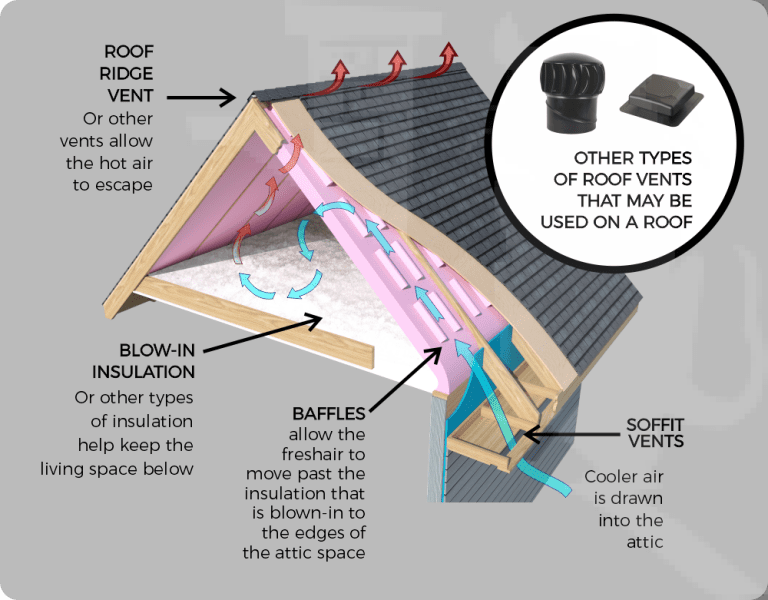
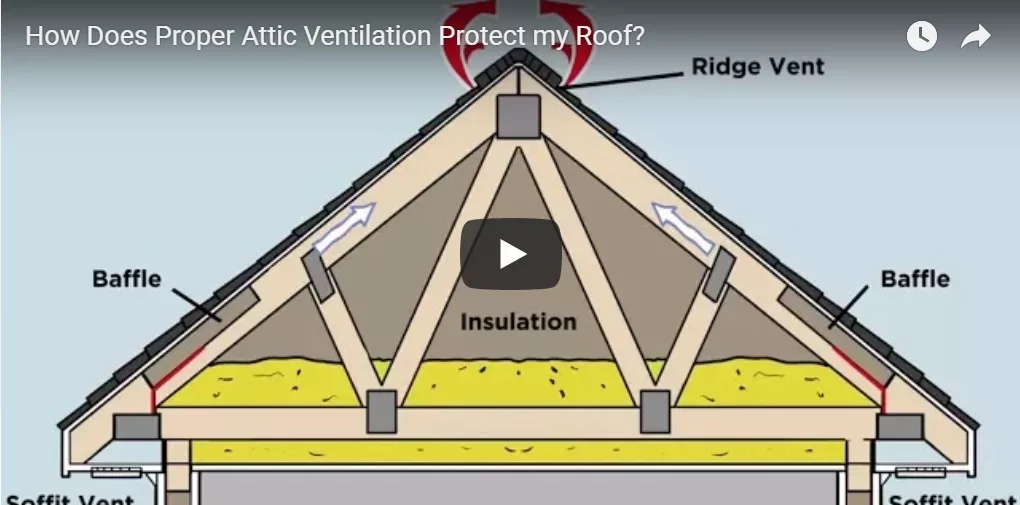
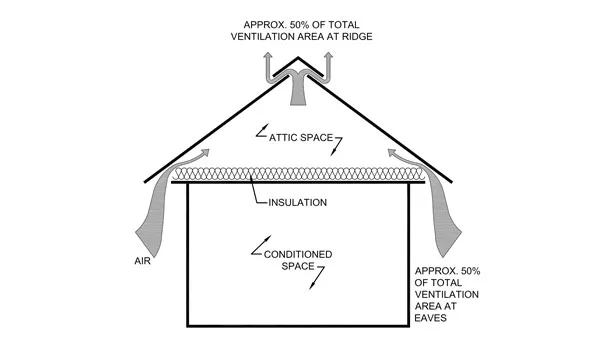
Good attic ventilation relies on a balance between intake vents and exhaust vents. Intake vents, usually located in the soffits, let fresh air in, while exhaust vents at the roof’s peak allow hot air to escape. If one side dominates, airflow slows down, reducing effectiveness.
Imagine trying to breathe through a straw blocked on one end — that’s what happens when intake and exhaust aren’t balanced. A simple way to check is to ensure the total NFVA of intake vents matches or slightly exceeds that of exhaust vents. This balance keeps air moving steadily and prevents moisture buildup.
Are you confident your attic has balanced ventilation? If not, adjusting intake or exhaust areas can make a big difference.
Credit: www.roofingcontractor.com
Types Of Attic Vents
Choosing the right type of attic vent is key to ensuring your attic stays cool and dry. Different vents serve different purposes, and combining the right ones can dramatically improve airflow. Let’s look at the main types of attic vents and how they work to help you decide what fits your home best.
Soffit Vents
Soffit vents are installed under the eaves of your roof. They allow fresh air to enter the attic at the lowest point, creating a natural flow of air. Many homeowners overlook soffit vents, but without them, ridge or gable vents can’t work effectively.
Think about your attic as a room needing both an entrance and an exit for air. Soffit vents provide the entrance, pulling cool air in and pushing hot air out through other vents.
Ridge Vents
Ridge vents run along the peak of your roof, allowing hot air to escape from the highest point in the attic. They work best when paired with soffit vents, creating a continuous airflow from bottom to top.
One advantage is that ridge vents are mostly invisible and don’t disrupt your roofline. Have you noticed how some homes don’t have bulky vents sticking out? That’s often thanks to ridge vents.
Gable Vents
Gable vents are installed on the side walls of your attic, near the roof peak. They help with cross ventilation by allowing air to exit or enter through the attic’s sides.
While gable vents can be effective, they depend heavily on wind direction. If your home’s orientation doesn’t get much wind across the gables, these vents might not work as well as ridge vents.
Turbine And Power Vents
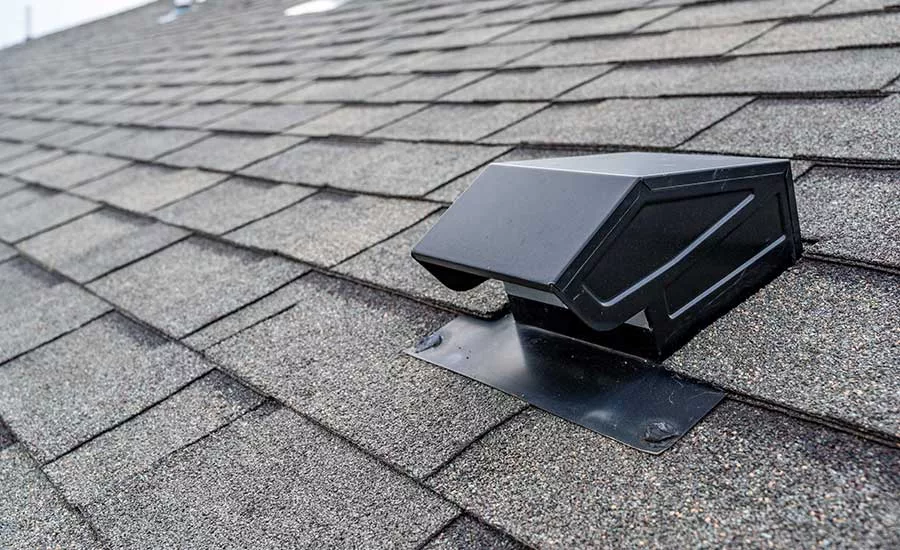
Turbine vents spin with the wind to pull hot air out of your attic, adding extra ventilation power. Power vents use electricity or solar energy to force air out, regardless of the wind.
These vents can be very effective but come with extra costs and maintenance. Before adding them, ask yourself if natural ventilation options are sufficient for your attic’s size and climate.
Common Ventilation Mistakes
Understanding common mistakes in attic ventilation can save you from costly repairs and ineffective airflow. Many homeowners either overdo or underdo ventilation, which leads to problems that are often overlooked. Identifying these errors early helps maintain a healthy attic environment and prolongs the life of your roof.
Overventilation Issues
It might seem like more ventilation is always better, but too much venting can cause problems. Excessive airflow can lead to cold spots on your roof, increasing the risk of ice dams during winter. It also may cause your heating and cooling systems to work harder, raising your energy bills.
Have you checked if your attic vents match the recommended square footage for your space? Balancing intake and exhaust vents is crucial to avoid overventilation.
Blocked Or Inadequate Vents
Even the best ventilation setup fails if vents are blocked or too small. Dust, debris, or insulation pushed against vents can prevent air from flowing properly. This leads to moisture buildup and mold growth, which damages your attic structure.
Walk through your attic and inspect vents for obstructions. Make sure vents are installed in the right places, such as soffits and ridge areas, to allow proper air movement.
Ignoring Insulation Impact
Ventilation works hand-in-hand with insulation, but many overlook this connection. Poor insulation can trap warm air in the attic, causing condensation even if vents are adequate. Likewise, insufficient insulation around vents can block airflow or reduce their effectiveness.
Have you noticed cold drafts or uneven temperatures in your attic? Checking insulation levels and ensuring it doesn’t cover vents can dramatically improve ventilation performance.
Credit: www.roofingcontractor.com
Tips For Improving Ventilation
Proper attic ventilation prevents heat buildup and moisture problems. Balance intake and exhaust vents to ensure airflow. Measure attic size to determine the right ventilation amount.
Improving attic ventilation boosts energy efficiency and prolongs roof lifespan. It reduces moisture and heat buildup, preventing damage. Here are some effective tips to enhance your attic ventilation.Proper Vent Placement
Strategically place vents for optimal airflow. Install soffit vents under the eaves to draw in cool air. Place ridge vents at the roof peak to expel hot air. This setup promotes continuous air circulation.Regular Maintenance Checks
Inspect vents regularly for blockages or damage. Clear debris and ensure vents are open and functional. Check for signs of wear or rust, and replace if necessary.Combining Vent Types
Utilize a mix of vent types for balanced airflow. Combine ridge and soffit vents for a powerful ventilation system. This combination ensures consistent air movement throughout the attic.Frequently Asked Questions
How Much Attic Ventilation Do I Need?
You need 1 square foot of ventilation for every 150 square feet of attic space. This ensures proper airflow to prevent moisture and heat buildup.
Why Is Attic Ventilation Important?
Proper attic ventilation reduces moisture and heat. It prevents mold, wood rot, and lowers cooling costs in summer.
What Types Of Attic Vents Are Most Effective?
Ridge vents, soffit vents, and gable vents are common. Combining intake and exhaust vents ensures balanced airflow for best results.
Can Too Much Attic Ventilation Be Harmful?
Yes, excessive ventilation can cause energy loss and allow pests inside. Balanced ventilation is key for efficiency and protection.
Conclusion
Proper attic ventilation keeps your home cool and dry. It stops moisture buildup that can cause damage. Good airflow helps lower energy bills and extends roof life. Calculate ventilation based on your attic’s size and roof type. Use a mix of intake and exhaust vents for balance.
Check local building codes for exact requirements. Regularly inspect vents to ensure they work well. Healthy attic ventilation means a healthier home overall. Don’t skip this simple step to protect your house.



