
Are you curious about how much air conditioning techs make? Whether you’re thinking about a career change or just want to understand the value of this skilled trade, knowing the salary details can help you make smart decisions.
You might be surprised at the earning potential and benefits that come with this job. Keep reading, and you’ll discover what impacts their pay, how experience plays a role, and what you can expect if you decide to become an air conditioning technician.
This information could change the way you see this career path.
Salary Range For Ac Technicians
The salary range for air conditioning (AC) technicians varies widely, depending on experience, location, and skill level. Understanding these pay scales can help you set realistic expectations and plan your career path effectively. Let’s break down what you can expect at different stages of your AC technician journey.
Entry-level Pay
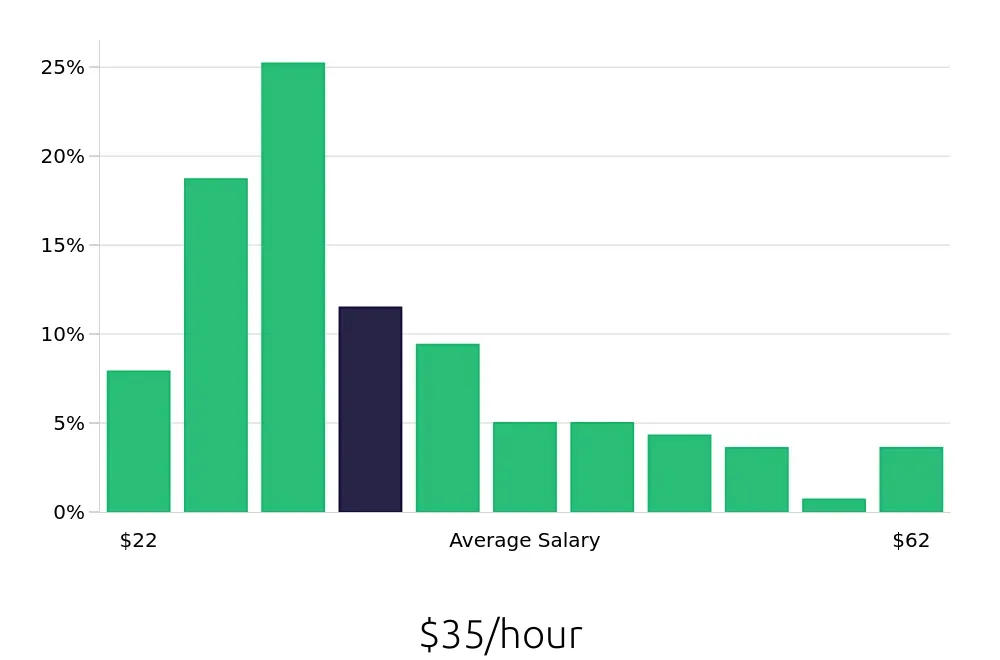
Starting out as an AC technician, you can expect a modest salary that reflects your developing skills and knowledge. Most entry-level technicians earn between $30,000and $40,000annually. This pay range accounts for learning on the job and gaining hands-on experience with basic AC systems.
Keep in mind that many employers offer training programs to help you grow. So, your initial salary might be lower, but the opportunity to learn can quickly boost your income.
Experienced Technician Earnings
Once you’ve built your skills and gained certifications, your earnings can increase significantly. Experienced AC technicians often make between $45,000and $70,000per year.
Some senior technicians, especially those who specialize or work in high-demand areas, can earn even more. Have you considered how advancing your skills could push you into a higher pay bracket?
Factors Influencing Salary
Several factors affect how much you can make as an AC technician:
- Location:Urban areas and regions with extreme climates often pay more.
- Certifications:Credentials like EPA Section 608 can increase your value.
- Specialization:Working on commercial or industrial systems usually pays better than residential work.
- Company Size:Larger companies may offer higher wages and better benefits.
- Work Hours:Overtime and emergency call-outs can significantly boost your paycheck.
Think about which factors you can influence to improve your salary. Are you ready to invest in the certifications that matter or target high-paying locations?

Credit: acecare.ca
Regional Salary Differences
Salary for air conditioning techs varies significantly depending on where you work. Location affects pay rates due to factors like demand, local economy, and competition. Understanding these differences can help you decide where to pursue your career or negotiate your salary better.
High-paying States
Some states consistently offer higher wages for air conditioning techs. States like California, Alaska, and New York often top the list because of their strong economies and higher demand for skilled trades.
For example, in California, the average annual salary can be 20-30% higher than the national average. But remember, higher pay might come with higher living expenses.
Urban Vs Rural Pay
Working in a big city usually means better pay compared to rural areas. Urban centers have more commercial buildings and larger HVAC systems, which require specialized skills and often pay more.
However, rural areas might offer less competition and more steady work for basic HVAC services. If you prefer quieter locations, consider how these factors balance with the pay difference.
Cost Of Living Impact
Higher salaries don’t always translate to better quality of life. You might earn more in a city but spend much more on housing, food, and transportation.
Ask yourself: does the salary increase cover the extra expenses? Sometimes, a slightly lower salary in a low-cost area provides more disposable income and less stress.
Industry And Employer Impact
The industry you work in and the type of employer you have can significantly affect how much you make as an air conditioning technician. Different settings bring different challenges and rewards, and your paycheck reflects that. Understanding these factors helps you target the job that fits your financial goals and lifestyle.
Residential Vs Commercial Jobs
Working in residential HVAC means dealing mostly with homes and small buildings. These jobs often involve routine maintenance and repairs, which can lead to steady, predictable income. However, commercial HVAC work tends to pay more due to the complexity and scale of the systems you handle.
Commercial settings like office buildings or factories require larger systems and more technical know-how. You might find yourself troubleshooting sophisticated controls or managing large-scale installations. This extra responsibility usually comes with higher wages and sometimes overtime opportunities.
Union Vs Non-union Roles
Union positions typically offer better pay and benefits compared to non-union roles. Unions negotiate wages, health insurance, and retirement plans on behalf of their members, providing a financial safety net. If job security and steady raises are important to you, unionized roles might be worth considering.
Non-union jobs can offer more flexibility and quicker entry into the field, but they may lack those extra perks. You might earn less upfront but have more control over your schedule or the types of projects you take. Think about what matters more to you—security or flexibility—and choose accordingly.
Company Size And Benefits
Large companies often provide higher salaries and comprehensive benefits like health insurance, paid time off, and retirement plans. They usually have structured training programs that can boost your skills and future earning potential. Working for a big firm can feel like a long-term investment in your career.
Smaller companies might not offer as many perks but can provide a closer team environment and more varied hands-on experience. You might get the chance to take on a wider range of responsibilities, which can help you build a diverse skill set quickly. Which environment do you think suits your career growth better?

Credit: abileneairtech.com
Skills That Boost Earnings
Air conditioning technicians who want to increase their earnings need more than basic skills. Certain skills and qualifications can lead to higher pay. These skills show employers that a tech is reliable and knowledgeable. They also open doors to better job opportunities. Here are key skills that can boost an air conditioning tech’s income.
Certifications And Licenses
Certifications prove a tech’s ability to work safely and correctly. Many employers pay more for certified workers. Common certifications include EPA Section 608 for handling refrigerants. Some states require licenses to work as an HVAC technician. Holding these licenses shows professionalism and trustworthiness. Certified and licensed techs often get higher wages and better job offers.
Specialized Technical Skills
Special skills in areas like electronics or system design add value. Skills in troubleshooting complex systems save time and money for employers. Knowledge of new HVAC technologies, such as smart thermostats, is a plus. Techs with these skills can handle a wider range of tasks. This versatility often results in higher pay and promotions.
Continuing Education
Technology in air conditioning changes fast. Techs who keep learning stay up to date. Training courses and workshops improve skills and knowledge. Employers reward techs who invest in ongoing education. This shows dedication and helps techs adapt to new tools. Continuing education can lead to raises and job security.
Job Outlook And Growth Potential
Demand for air conditioning techs is growing steadily as homes and businesses need cooling systems. Job opportunities and pay tend to rise with experience and skills. This career offers stable income and chances for advancement.
Understanding the job outlook and growth potential in the air conditioning industry can help you make informed career decisions. As the demand for energy-efficient and environmentally friendly systems grows, so does the need for skilled technicians. But what does this mean for your future in this field?Demand For Ac Technicians
The demand for AC technicians is on the rise, thanks to the increasing focus on green energy solutions. More homes and businesses are upgrading to advanced cooling systems, creating a steady stream of job opportunities. Consider this: in the sweltering heat of summer, who doesn’t want a reliable AC system? This demand ensures job stability and a promising career path.Advancement Opportunities
Starting as an AC technician opens doors to numerous advancement opportunities. With experience, you can move into roles such as supervisor, project manager, or even start your own business. Continuous learning, like obtaining certifications in new technologies, can significantly boost your career. Are you ready to climb the ladder in this thriving industry?Long-term Salary Trends
Salary trends in the air conditioning sector show a positive trajectory. As technology advances, technicians with specialized skills can command higher wages. Have you noticed how experienced techs often become mentors? Their expertise not only earns them respect but also a substantial paycheck. In a rapidly evolving industry, staying updated on skills and certifications can be your ticket to a rewarding career. Are you prepared to seize these opportunities?
Credit: www.pmmag.com
Frequently Asked Questions
How Much Do Entry-level Air Conditioning Techs Make?
Entry-level air conditioning techs typically earn between $30,000 and $40,000 annually. Pay varies by location and company size.
What Factors Affect Air Conditioning Tech Salaries?
Experience, certifications, location, and employer type greatly influence air conditioning technician salaries. Skilled techs in high-demand areas earn more.
Do Air Conditioning Techs Earn Overtime Pay?
Yes, many air conditioning techs receive overtime pay for hours worked beyond standard schedules. This increases total earnings.
How Does Certification Impact Air Conditioning Tech Income?
Certified air conditioning techs generally earn higher wages. Certifications show skill and increase job opportunities in the HVAC industry.
Conclusion
Air conditioning techs earn a solid income with room to grow. Pay varies by experience, location, and skills. Many find this career stable and rewarding. Training and certification boost job prospects and salary. Demand for skilled techs stays strong year-round.
This field offers good chances for those who work hard. Choosing this path means steady work and decent pay. It can be a smart career choice for many people.



