
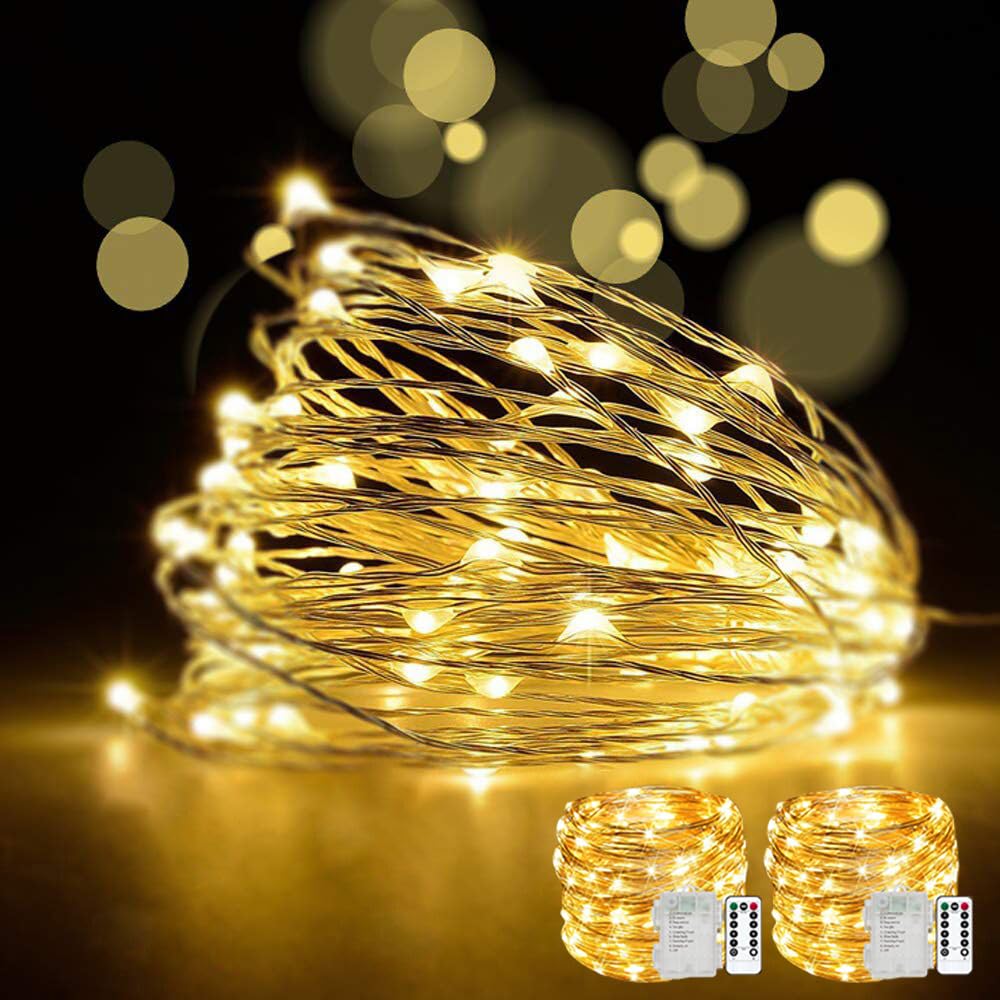
Are you curious about how much electricity your LED fairy lights actually use? You might be surprised to learn that these tiny, twinkling lights can brighten up your space without causing a big spike in your energy bill.
Understanding their energy consumption can help you make smarter choices for your home and save money. Keep reading to discover just how efficient LED fairy lights are and how they compare to other lighting options. You’ll feel confident knowing exactly what’s powering your cozy glow.
Led Fairy Lights Basics
Understanding the basics of LED fairy lights helps you grasp their energy use. These tiny lights use light-emitting diodes (LEDs) to shine brightly. LED fairy lights are popular for decoration and consume much less power than traditional bulbs.
They last longer and stay cool, making them safer for many settings. Many people choose LED fairy lights for both indoor and outdoor lighting due to their efficiency and durability.
What Are Led Fairy Lights
LED fairy lights are small, low-energy bulbs on thin wires. Each bulb uses a light-emitting diode to produce light. They come in many colors and styles. LED lights use less electricity and last longer than regular bulbs.
These lights run on very low voltage. This feature makes them safe and cost-effective. They often have a flexible wire, allowing easy shaping and placing.
Common Uses For Fairy Lights
- Home decoration for cozy ambiance
- Holiday and party lighting
- Outdoor garden and patio lighting
- Wedding and event decoration
- Highlighting artwork or shelves
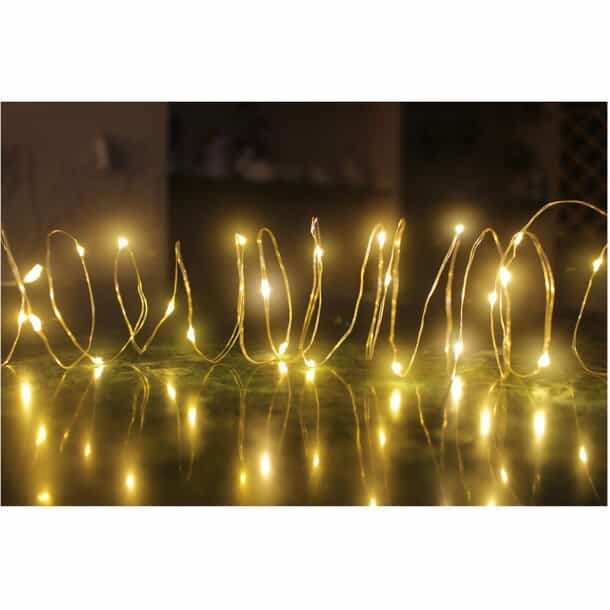
Fairy lights add warmth and charm almost anywhere. Their low electricity use lets you keep them on longer. They bring a magical touch without high energy costs.
Credit: www.homehardware.ca
Electricity Consumption Factors
Several factors affect how much electricity LED fairy lights use. Understanding these helps manage energy costs better. Small changes can lead to noticeable savings.
Knowing what influences electricity consumption can guide your choices. It helps balance brightness, decoration, and power use effectively.
Wattage Per Light
Each LED light uses a certain wattage, usually very low. Most LED fairy lights consume between 0.04 to 0.1 watts per bulb. Lower wattage means less electricity used overall. Check product details for exact wattage before buying.
Number Of Lights In A String
The total wattage depends on how many lights are in one string. More lights mean higher electricity use, even if each bulb is efficient. For example:
| Number of Lights | Approximate Wattage |
|---|---|
| 50 | 2 to 5 watts |
| 100 | 4 to 10 watts |
| 200 | 8 to 20 watts |
Choose the right length to avoid unnecessary electricity use.
Duration Of Use
How long you keep the lights on impacts electricity consumption directly. Longer usage means more power consumed. For example, using 5 watts of lights for 6 hours uses 30 watt-hours. Turn off lights when not needed to save energy.
Comparing Led To Traditional Lights
LED fairy lights have become popular for their bright glow and energy efficiency. Many wonder how they compare to traditional lights in terms of electricity use. This section explores the differences, focusing on energy efficiency and cost savings.
Energy Efficiency Differences
LED lights use much less energy than traditional bulbs. They convert most energy into light, reducing waste. Traditional lights generate more heat, wasting energy. This makes LEDs the more efficient choice.
Cost Savings Over Time
LED fairy lights save money on electricity bills. Their lower energy use means less cost over time. Traditional lights cost more due to higher electricity consumption. Investing in LEDs can lead to significant savings.

Credit: www.amazon.ca
Calculating Energy Usage
Calculating the energy usage of LED fairy lights helps manage electricity costs. It shows how much power these lights consume over time. This information guides efficient use and budgeting for electricity bills. Understanding energy consumption also supports eco-friendly choices.
How To Measure Consumption
First, find the power rating on the LED fairy lights’ packaging or label. This rating is usually in watts (W). Next, note how many hours you use the lights daily. Use this formula to calculate daily energy use:
- Energy (kWh) = Power (W) × Time (hours) ÷ 1000
Here, kilowatt-hours (kWh) represent the energy consumed. You can also use a plug-in electricity usage monitor. It shows real-time power consumption in watts and kWh.
Sample Calculations
Imagine LED fairy lights rated at 10 watts. You use them for 5 hours each day. Calculate daily energy use like this:
| Power (W) | Time (hours) | Energy (kWh) |
|---|---|---|
| 10 | 5 | (10 × 5) ÷ 1000 = 0.05 |
The lights consume 0.05 kWh daily. Over 30 days, the energy use will be:
- 0.05 kWh × 30 = 1.5 kWh
This simple calculation shows how small the energy use is for LED fairy lights.
Tips To Save Electricity
Saving electricity while using LED fairy lights is simple and smart. Small changes can lower energy use without losing charm. This helps cut costs and protects the environment.
Using Timers And Sensors
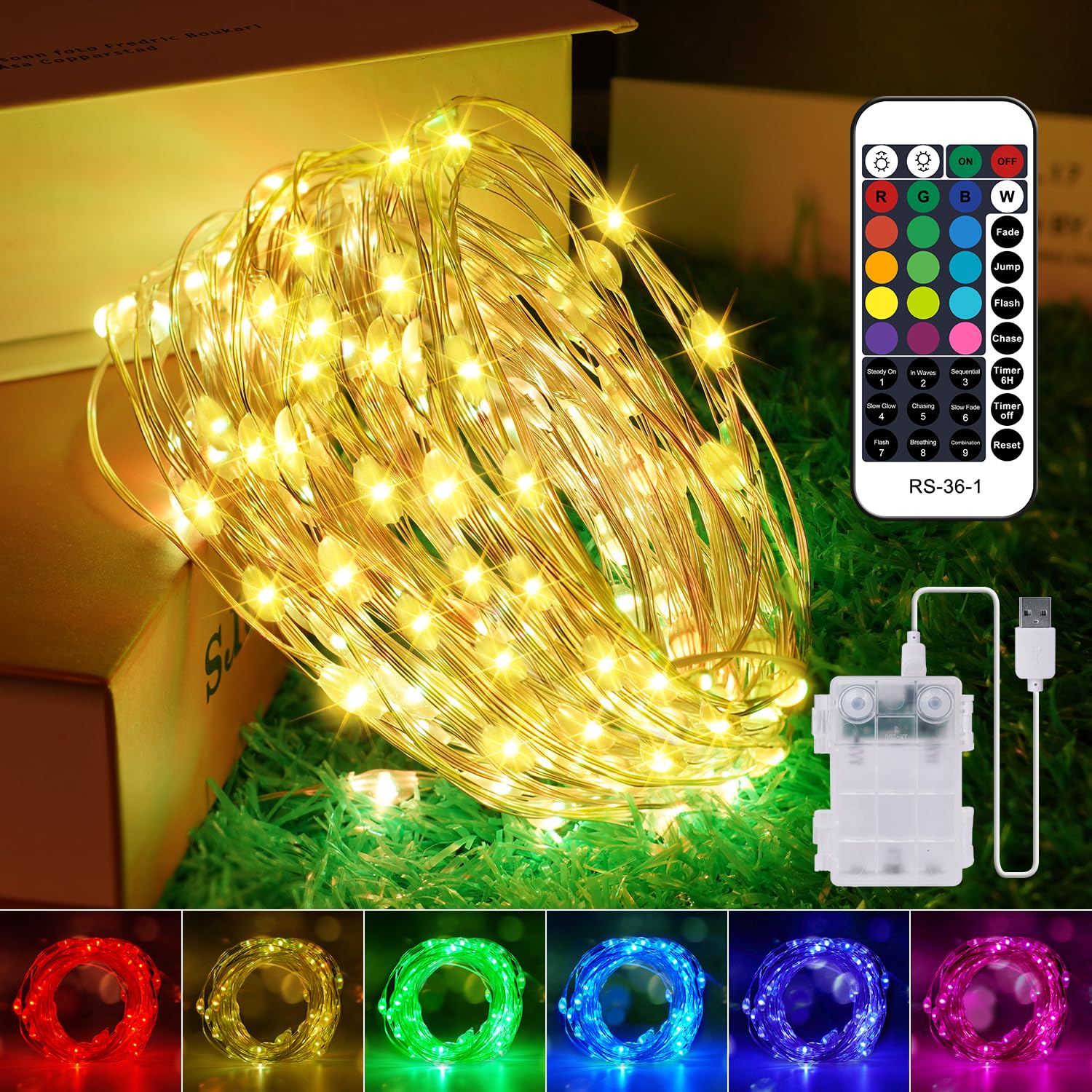
Timers turn lights on and off at set times. This stops lights running all night. Sensors detect daylight or motion to control lights automatically. This avoids wasting power when lights are not needed.
Choosing Energy-efficient Models
Look for LED fairy lights with low wattage. Check for energy-saving labels and certifications. These models use less electricity but shine bright. Quality LEDs also last longer, reducing replacements.
Optimal Usage Practices
- Use lights only when needed, like evenings or special events.
- Avoid leaving lights on in empty rooms or outdoors during daylight.
- Connect multiple strands to one power source to reduce plugs.
- Turn off lights before sleeping or leaving home.
Credit: www.amazon.ca
Environmental Impact
LED fairy lights use much less electricity than traditional bulbs. This lower energy use helps reduce the environmental impact of lighting decorations. Choosing LED lights supports efforts to save energy and protect the planet.
Reducing Carbon Footprint
LED fairy lights consume very little power, which lowers carbon emissions. Less electricity means fewer fossil fuels burned in power plants. This helps reduce greenhouse gases that cause climate change.
Using LED lights for decoration can cut your home’s energy use. Small changes like this add up to a big difference in carbon footprint over time. LEDs last longer too, meaning less waste and fewer replacements.
Benefits Of Low Energy Lighting
- Consumes up to 80% less energy than incandescent bulbs
- Generates less heat, making them safer and more efficient
- Lasts longer, reducing the need for frequent replacements
- Reduces electricity bills by using less power
- Supports renewable energy goals by lowering total demand
Low energy lighting like LED fairy lights helps protect natural resources. It lowers pollution and conserves energy, which benefits the environment and society.
Frequently Asked Questions
How Much Electricity Do Led Fairy Lights Consume?
LED fairy lights typically use between 5 to 20 watts per 100 lights. Their low wattage makes them energy-efficient compared to traditional bulbs. This means they cost very little to run, even when used for extended periods during holidays or events.
Are Led Fairy Lights More Energy-efficient Than Traditional Lights?
Yes, LED fairy lights use up to 80% less energy than incandescent bulbs. They convert most electricity into light, producing minimal heat. This efficiency reduces electricity bills and lowers environmental impact, making LEDs an eco-friendly lighting choice.
How Does Usage Time Affect Led Fairy Lights’ Electricity Cost?
Longer usage increases electricity consumption linearly, but LED lights still use minimal power. Running LED fairy lights for 10 hours uses roughly 0. 1 to 0. 2 kWh, costing just a few cents. This makes them affordable for daily or seasonal use.
Can Led Fairy Lights Save Money On Electric Bills?
Absolutely. Due to their low wattage, LED fairy lights significantly reduce energy costs. They offer bright illumination with minimal electricity use, helping households save money over time compared to traditional lighting options.
Conclusion
LED fairy lights use very little electricity compared to other bulbs. They save energy and lower your electric bill. You can enjoy beautiful lighting without worrying about high costs. These lights last longer and stay cool to touch. Choosing LED fairy lights is smart for both your home and budget.
Small changes like this make a big difference over time. Brighten your space while keeping energy use low. A simple, energy-friendly choice for any occasion.



