
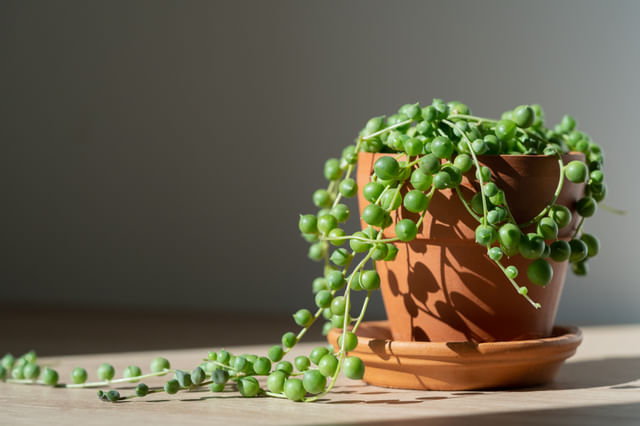
Are you wondering how much light your string of pearls really needs to stay healthy and beautiful? Giving your pearls the right amount of light can make all the difference in keeping them lustrous and strong.
Too much light might cause damage, while too little can leave them looking dull. You’ll discover exactly how to care for your pearls with the perfect balance of light. Keep reading to learn simple tips that will help your pearls shine for years to come.

Credit: greg.app
Light Needs For String Of Pearls
String of Pearls plants have specific light needs. Proper lighting helps them grow strong and healthy. Too little or too much light can harm them. Knowing the right amount of light keeps the pearls full and vibrant.
Ideal Light Conditions
String of Pearls thrive in bright, indirect light. They like spots near windows with filtered sunlight. East or west-facing windows work well. Avoid dark corners that block natural light. If indoors, a few hours of morning sun is perfect. Bright, but not harsh light helps the plant keep its shape and color.
Avoiding Direct Sunlight
Direct sunlight can burn the delicate leaves. The pearls may turn brown or dry out. Harsh afternoon sun is especially harmful. Use sheer curtains or place the plant a few feet away from windows. Shade protects the pearls while still giving enough light. This balance stops leaf damage and keeps the plant happy.
Signs Of Too Much Or Too Little Light
- Too much light:Leaves turn yellow or brown, become dry.
- Too little light:Pearls become small, sparse, and pale.
- Plant may stretch or grow long, thin stems.
- Slow growth or dropping leaves can also indicate light issues.
Watch the plant’s look and adjust the light accordingly. Healthy pearls are plump and evenly spaced. Proper lighting keeps your String of Pearls thriving and beautiful.
Watering And Soil Tips
Proper watering and soil choice are key to growing healthy String of Pearls plants. These succulent plants store water in their leaves, so they need careful watering. The right soil helps keep roots healthy and prevents problems like root rot.
Watering Frequency
Water String of Pearls only when the top inch of soil feels dry. These plants prefer infrequent watering. Usually, watering every two to three weeks works well. Overwatering can cause leaves to turn mushy and fall off. During winter, reduce watering even more. Let the soil dry out completely between waterings.
Best Soil Types
Choose soil that drains water quickly and holds little moisture. A cactus or succulent mix is ideal. You can also mix regular potting soil with sand or perlite. This mix improves airflow around the roots. Avoid heavy, dense soils that keep water for too long. Good soil helps prevent root decay and keeps your plant happy.
Drainage Importance
Drainage is crucial for String of Pearls health. Use pots with drainage holes at the bottom. This allows excess water to escape freely. If water stays at the roots, it causes root rot. Place a layer of small stones or gravel at the pot’s base for better drainage. Good drainage supports strong roots and vibrant pearls.
Temperature And Humidity
String of Pearls prefers warm temperatures between 70-80°F and moderate humidity. Avoid cold drafts and dry air to keep it healthy and growing well.
Understanding the temperature and humidity requirements for your String of Pearls can make a world of difference in their health and appearance. These charming succulents aren’t just about looks; they have specific needs that must be met for them to thrive. Meeting these conditions is simpler than it seems and ensures your plant remains lush and vibrant.Optimal Temperature Range
String of Pearls prefer a warm environment. Ideally, you should aim for temperatures between 70-80°F (21-27°C) during the day. At night, slightly cooler temperatures, around 55-60°F (13-16°C), are beneficial. Sudden temperature changes can stress the plant. It’s crucial to provide a stable environment. Consider placing them away from drafty windows or heating vents.Humidity Preferences
These succulents are adapted to dry conditions. They thrive in low humidity levels, typically found indoors. If your home is particularly humid, you might notice the leaves becoming mushy. Using a dehumidifier can help maintain the ideal conditions.Protecting From Extreme Conditions
Extreme temperatures, whether hot or cold, can be detrimental. During winter, ensure they’re not exposed to frost, as it can damage the plant. In sweltering summers, indirect sunlight is your ally. Direct sun can scorch the leaves, so consider moving them to a shadier spot. Have you ever noticed your String of Pearls looking wilted despite regular care? A quick check on temperature and humidity could reveal the culprit. Adjusting these factors might just bring your plant back to its vibrant self.Fertilizing String Of Pearls
Fertilizing String of Pearls helps keep this unique succulent healthy. It supports growth and adds strength to the delicate stems. Proper feeding ensures the pearls stay plump and vibrant. Too much or too little fertilizer can harm the plant. Knowing the right time, fertilizer type, and how to apply it matters.
When To Fertilize
Feed String of Pearls during its active growing season. This usually happens in spring and summer. Avoid fertilizing in winter when the plant rests. Fertilizing too often can cause root burn. Water the plant first before adding fertilizer. This helps spread nutrients evenly and protects roots.
Best Fertilizer Types
Choose a balanced, water-soluble fertilizer with equal N-P-K values. Look for formulas like 10-10-10 or 20-20-20. Dilute the fertilizer to half or quarter strength. Avoid high nitrogen fertilizers; they encourage leaf growth, not pearls. Organic options like fish emulsion or seaweed extract work well too.
Application Tips
- Apply fertilizer every 2-4 weeks during growth months.
- Use a watering can or spray bottle for gentle application.
- Never fertilize dry soil; always water first.
- Stop fertilizing when growth slows or in cold months.
- Remove any fallen pearls or dead leaves to prevent disease.
Common Problems And Solutions
String of Pearls plants are charming but can be tricky to care for, especially when it comes to light and watering. Many growers face similar issues that can stunt growth or even kill the plant. Identifying and addressing these problems early can save your pearls and keep them thriving.
Dealing With Overwatering
Overwatering is one of the biggest threats to your String of Pearls. This succulent stores water in its leaves and doesn’t like soggy soil. If you notice yellowing or mushy pearls, it’s a sign you’re watering too much.
To fix this, let the soil dry out completely before watering again. Use a pot with drainage holes to prevent water from sitting at the bottom. You might also want to repot your plant in fresh, well-draining soil if the roots look rotten.
Pest Control
Pests like mealybugs and spider mites can sneak into your String of Pearls without warning. These tiny invaders suck sap and weaken the plant, often causing yellow spots or webbing.
Wipe the pearls gently with a cotton swab dipped in rubbing alcohol to remove pests. For larger infestations, use insecticidal soap or neem oil. Regularly inspect your plant to catch pests early before they spread.
Reviving A Dying Plant
If your String of Pearls looks wilted or shriveled, it might be struggling with light, water, or pests. Sometimes, a dying plant can still bounce back with the right care.
Try moving your plant to a brighter spot with indirect sunlight. Trim off dead or mushy strands to encourage new growth. Have you checked if the soil is too wet or too dry? Adjust watering habits accordingly, and be patient—recovery can take a few weeks.

Credit: thebotanicalbarindy.com
Repotting And Propagation
Repotting and propagation help keep your String of Pearls healthy and growing. These plants need fresh soil and space to thrive. Propagation lets you create new plants from cuttings. Both tasks are simple with the right care.
When To Repot
Repot your String of Pearls every 1-2 years. Choose spring or early summer for repotting. Signs include roots growing out of the pot or slow growth. Use a pot slightly larger than the old one. Make sure it has drainage holes.
Propagation Methods
- Take healthy stem cuttings about 4-6 inches long.
- Remove pearls from the bottom of the cutting.
- Place cuttings on moist soil or in water.
- Wait for roots to develop before planting in soil.
- Use well-draining soil designed for succulents.
Care After Repotting
Water the plant lightly after repotting. Avoid overwatering to prevent root rot. Place the plant in bright, indirect light. Keep soil slightly moist but not wet. Wait a few weeks before fertilizing. Watch for new growth as a sign of success.

Credit: greg.app
Frequently Asked Questions
How Much Sunlight Does A String Of Pearls Need?
A string of pearls needs bright, indirect sunlight for 4-6 hours daily. Direct sunlight can scorch its leaves. A well-lit spot near a window is ideal for healthy growth and vibrant pearls.
Can String Of Pearls Survive In Low Light?
String of pearls can tolerate low light but may grow slower. Insufficient light causes sparse, weak pearls. Bright, indirect light is best to maintain its unique appearance and health.
What Is The Best Lighting For String Of Pearls Indoors?
Bright, indirect light near an east or west-facing window is best. Avoid direct sunlight, which can damage the plant. Using sheer curtains helps diffuse light, creating ideal conditions for a string of pearls.
How Does Light Affect String Of Pearls Growth?
Proper light ensures fuller, healthier growth and vibrant pearls. Too little light causes leggy stems and fewer pearls. Too much direct light can burn leaves, so balance is key for optimal growth.
Conclusion
Pearl strings need gentle, natural light to shine best. Avoid direct sunlight that can dull their glow. Soft indoor lighting helps pearls keep their smooth look. Store pearls away from harsh lights to protect them. Light brings out the pearls’ beauty and elegance.
Remember, pearls are delicate and need care. Give them the right light, and they will glow beautifully. Simple care keeps your pearls looking fresh for years. Bright but soft light is the key to pearls’ charm.



