
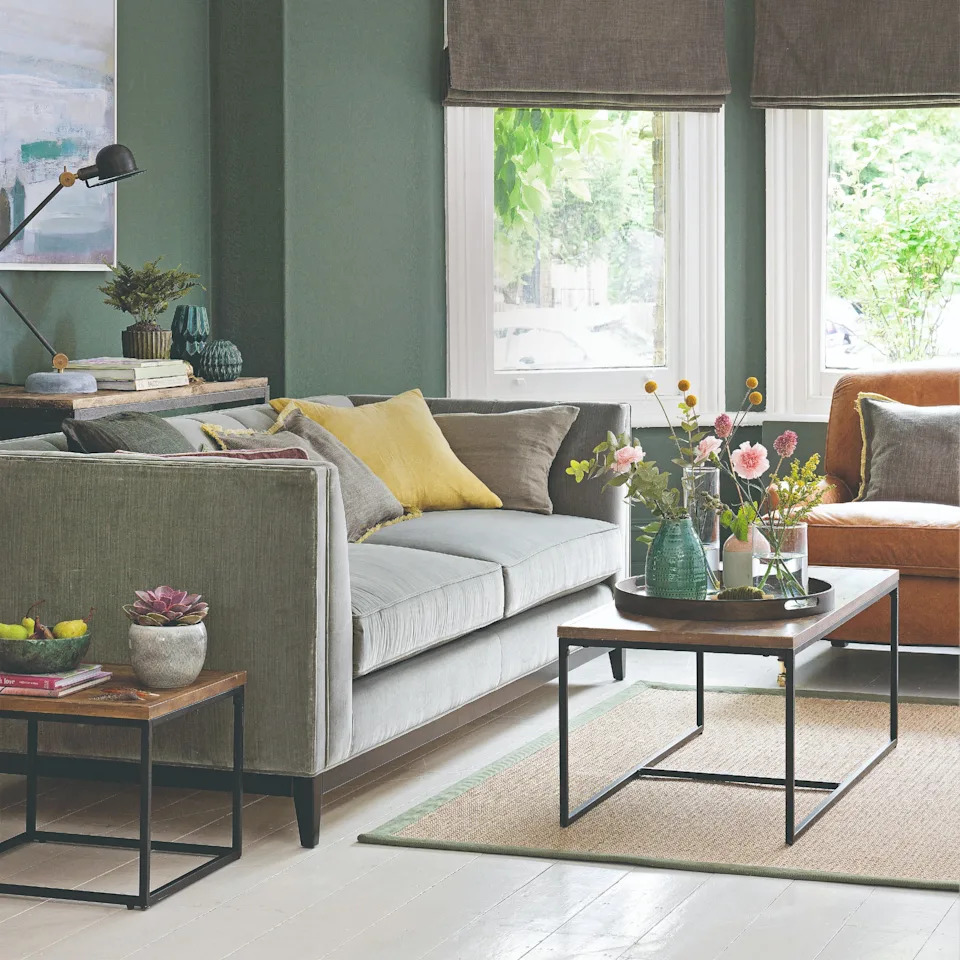
Are you wondering how much space you should leave between your coffee table and couch? Getting this distance just right can make your living room feel cozy and comfortable, or cramped and awkward.
Too close, and you risk bumping into the table every time you sit down. Too far, and your space might feel disconnected and hard to use. You’ll discover the perfect gap that balances style, comfort, and function—so your living room becomes a place you truly enjoy.
Keep reading to find out how to create that perfect flow in your space.

Credit: uk.style.yahoo.com
Ideal Distance For Comfort
Finding the ideal distance between a coffee table and a couch helps create a cozy and functional living space. This gap impacts how easily people reach for items on the table and how comfortably they move around the room. The right space balances accessibility with enough room for legs and movement.
Measuring The Gap
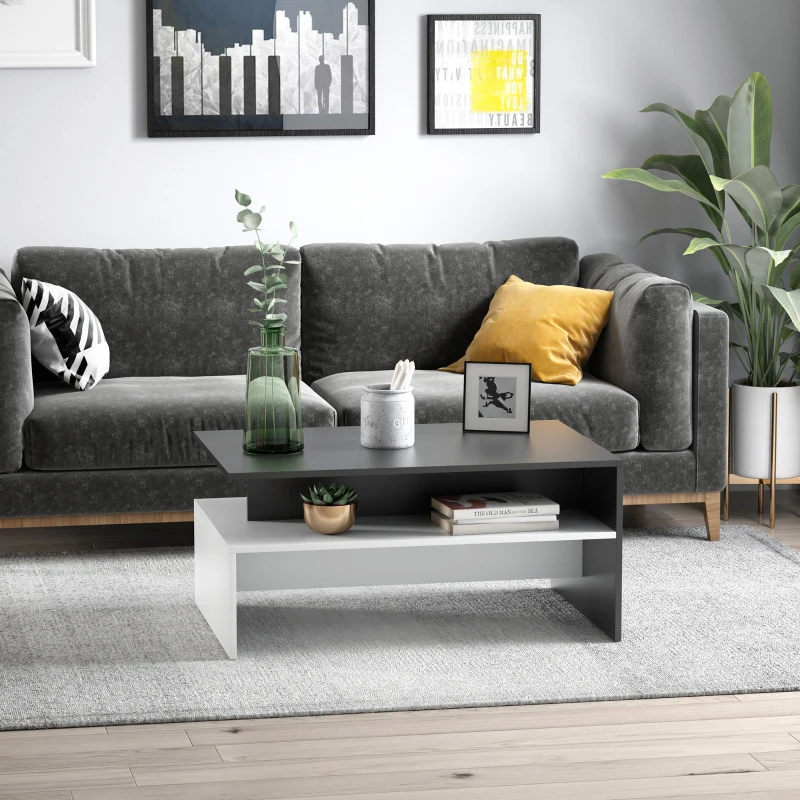
The best distance is usually between 14 and 18 inches. This range allows people to reach the table without stretching too far. Measure from the edge of the couch to the edge of the coffee table for accuracy. Less than 14 inches can feel cramped, while more than 18 inches might make reaching items difficult.
Ergonomics And Accessibility
Comfort depends on how people use the space. The gap should provide enough legroom for sitting and standing up easily. It also allows smooth passage around the furniture. Consider the height of the coffee table; it should be level with or slightly lower than the couch seat. This setup supports natural arm movement and reduces strain.
Credit: www.aosom.com
Factors Influencing Space
Finding the right distance between your coffee table and couch depends on several key factors. These influence not just the look of your space but also how comfortable and functional it feels. Understanding these elements helps you create a living area where movement is easy and the setting invites relaxation.
Room Size And Shape
The dimensions of your room play a big role in deciding the space between your couch and coffee table. In a smaller room, you might need to keep them closer to avoid overcrowding the area. On the other hand, a larger or oddly shaped room allows for more breathing room and creative placement.
Ask yourself: Is your room more square or rectangular? Narrow spaces usually require tighter arrangements, while wider rooms can handle a bit more distance without feeling disconnected.
Furniture Dimensions
The size and style of your couch and coffee table matter a lot. A bulky couch paired with a large coffee table needs more space to avoid a cramped feel. Conversely, if your furniture is sleek and low-profile, you can place them closer without overwhelming the space.
Think about the height and width of both pieces. A taller coffee table might feel awkward if it’s too close to a low couch. Measure carefully and test different placements to find what feels balanced.
Traffic Flow
How people move around your living room affects how much gap you should leave. You want enough space to walk comfortably without bumping into furniture. Typically, a clearance of at least 18 inches works well for easy movement.
Consider where doorways and pathways are. If your coffee table blocks a natural route, it might need to be shifted further away or replaced with a smaller option. Are you making it easy for everyone to move freely?
Layout Tips For Small Rooms
Small rooms require smart layouts to feel open and functional. Choosing the right space between your coffee table and couch can change how your room feels. A tight space can make the room look cluttered. A wide gap might break the flow. The goal is balance, making the room comfortable and easy to move around.
Maximizing Space
Use the right distance between the coffee table and couch to create a roomy feel. Keep about 12 to 18 inches of space for easy walking and reaching. Avoid crowding the area with too many pieces of furniture. Choose slim, low-profile tables that do not take much space. Keep pathways clear to make the room feel larger.
Multipurpose Furniture
Select furniture that can serve more than one purpose in a small room. Look for coffee tables with storage underneath. Use ottomans that can double as extra seating or a table. Folding or nesting tables save space and can be moved when needed. This approach keeps the area neat and functional without adding clutter.
Layout Tips For Large Rooms
A good space between a coffee table and couch is about 18 inches. This distance allows easy movement and comfortable reach for drinks or books. Keeping this gap helps large rooms feel balanced and inviting.
Decorating a large room can be both exciting and challenging. The vast space offers endless possibilities, yet it demands thoughtful planning to maintain a cozy and cohesive atmosphere. Ensuring the right distance between your coffee table and couch is crucial for comfort and aesthetics.Creating Zones
In a large room, creating distinct zones can make the space feel organized and inviting. Use your coffee table and couch to establish a central conversation area. Ensure there’s enough space—around 18 to 24 inches—between them for easy movement without making the area feel disjointed. Think about adding a rug to anchor the furniture together, giving the zone its own identity. This setup can help guests gravitate naturally towards the seating area. Have you ever felt lost in a big room with no clear gathering point? Defining zones helps avoid that.Balancing Proportions
Balancing proportions is key to making a large room feel well-distributed. Consider the size of your coffee table relative to the couch. A tiny table can look out of place next to a massive sectional sofa. Choose a coffee table that complements the couch’s size, maintaining a harmonious look. Striking a balance in proportions can make your room feel cohesive and aesthetically pleasing. Think of your room as a canvas—every element should work together to create a unified picture. By mindfully arranging your furniture, you can transform a vast space into a welcoming haven. What will you try first in your living room layout?Style And Function Considerations
Finding the right balance between style and function is key when deciding the space between your coffee table and couch. It’s not just about fitting furniture; it’s about creating a comfortable and visually pleasing setup that suits your lifestyle. You want enough room to move freely, yet close enough to keep everything within easy reach.
Coffee Table Height
The height of your coffee table plays a huge role in how much space you need between it and your couch. Ideally, the table should be about the same height as the seat cushions or slightly lower. This alignment makes reaching for drinks or snacks effortless and avoids awkward bending.
If your table is taller than your couch seat, you’ll want to increase the distance slightly to avoid hitting your knees or toes. On the other hand, a lower table lets you place it closer for a cozy feel without sacrificing comfort. Think about how you use your coffee table daily—do you lean on it, or just set things down? That will influence the ideal height and spacing.
Couch Style Impact
The style of your couch affects the space you need as well. For example, a bulky, overstuffed sofa requires more clearance to prevent the room from feeling cramped. Slimmer, minimalist couches can sit closer to the coffee table, creating a more intimate seating area.
Consider the couch’s armrests and whether they extend past the seat cushions. Wide arms might mean you need to add extra inches to avoid bumping into the table. Also, if your couch has a reclining feature or a chaise lounge, factor in that extra space for movement.
Ask yourself: does your couch encourage lounging or upright sitting? Your answer will guide how much room you leave. Style isn’t just about looks—it shapes how you live in your space every day.

Credit: www.livingetc.com
Common Mistakes To Avoid
Choosing the right space between the coffee table and couch is key to a comfy living room. Many make simple mistakes that affect the room’s flow and feel. These errors can make your space look crowded or awkward.
Avoiding these common mistakes helps create a balanced and functional area. Proper spacing improves movement and keeps the room inviting.
Too Close Or Too Far
Placing the coffee table too close to the couch leaves no legroom. It feels cramped and uncomfortable. Sitting or moving becomes hard. On the other hand, setting it too far makes reaching for items tough. The table loses its purpose as a handy surface.
Keep a good balance. The ideal gap is about 14 to 18 inches. This space allows easy reach and enough room to stretch legs.
Ignoring Traffic Paths
Traffic paths must stay clear. Blocking the walkway with a coffee table creates obstacles. It forces people to walk around awkwardly. This can make the room feel smaller and cluttered.
Plan the layout so people can move freely. Leave at least 24 inches of space for walking between furniture. This makes the room feel open and easy to navigate.
Adjusting Layout For Different Uses
Adjusting the space between a coffee table and a couch depends on how you use your living room. Different activities call for different layouts. The right distance can improve comfort and flow.
Entertaining Guests
When guests arrive, allow more space between the couch and coffee table. This gives people room to move around and chat freely. A distance of about 18 inches works well. It keeps drinks and snacks reachable but avoids crowding.
Arrange seating to face each other for better conversation. Clear pathways help guests navigate easily. Avoid placing the table too close to the couch to prevent bumping or spills.
Relaxing And Lounging
For relaxing, bring the coffee table closer to the couch. Around 14 inches creates a cozy feel. It allows easy reach for books, remotes, or drinks without stretching.
Lower the table height if possible to match the couch. This helps keep the area comfortable. Add soft pillows or throws to enhance the lounging space. Keep the layout simple and inviting.
Frequently Asked Questions
How Much Space Should Be Between Coffee Table And Couch?
Ideally, leave 12 to 18 inches between the coffee table and couch. This spacing allows easy movement and comfortable reach. It balances functionality and aesthetics, ensuring the living area feels open and practical.
Why Is Spacing Important Between Coffee Table And Couch?
Proper spacing prevents crowding and improves room flow. It enhances comfort by allowing easy access to the table. Good spacing also boosts the overall look, making the space feel balanced and inviting.
What Happens If Coffee Table Is Too Close To Couch?
If the table is too close, it limits legroom and causes discomfort. It restricts movement and can create a cramped appearance. Proper spacing avoids these issues and improves usability.
Can Spacing Vary With Different Room Sizes?
Yes, spacing depends on room size and layout. Smaller rooms may need closer placement, around 12 inches. Larger rooms can afford 18 inches or more. Always prioritize comfort and accessibility.
Conclusion
Finding the right space between your coffee table and couch matters a lot. About 18 inches is a good rule to follow. This distance keeps things comfortable and easy to reach. It helps people move around without bumping into furniture.
Also, it makes your room look balanced and neat. Keep in mind the size of your room and furniture. Adjust the space if needed, but don’t make it too tight or too wide. A well-spaced coffee table and couch create a cozy, inviting living area.
Simple changes can make your space feel just right.



