
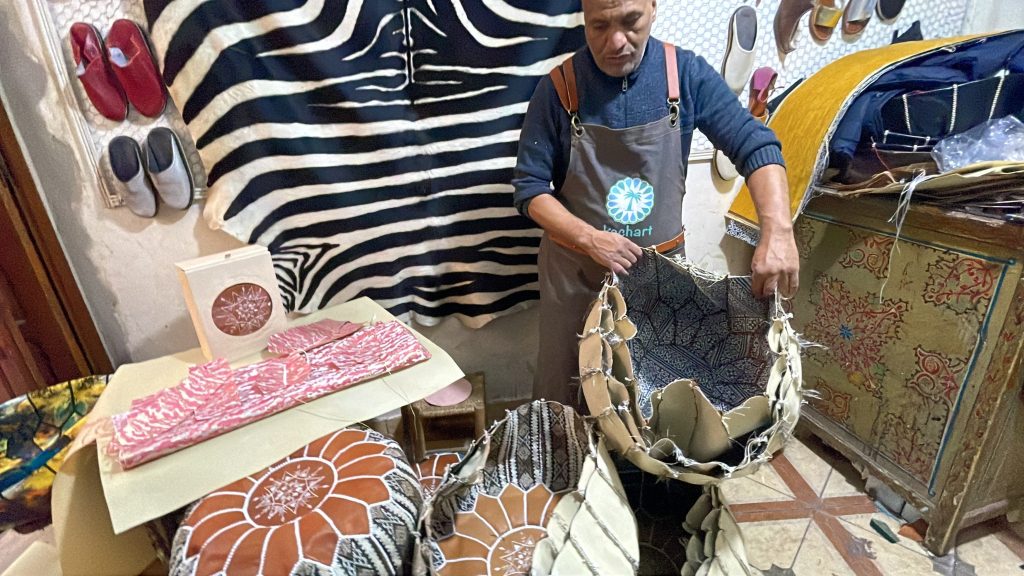
Are you planning to make a small pouf but unsure how much stuffing you need? Getting the right amount of filling is key to making your pouf comfortable, sturdy, and just the right size.
Too little stuffing, and it’ll feel flat and flop; too much, and it might be hard and misshape the look you want. You’ll discover exactly how to measure and choose the perfect amount of stuffing for your small pouf. Keep reading, and you’ll be one step closer to creating a cozy, stylish piece for your space.
Credit: yarnandchai.com
Choosing The Right Pouf Size
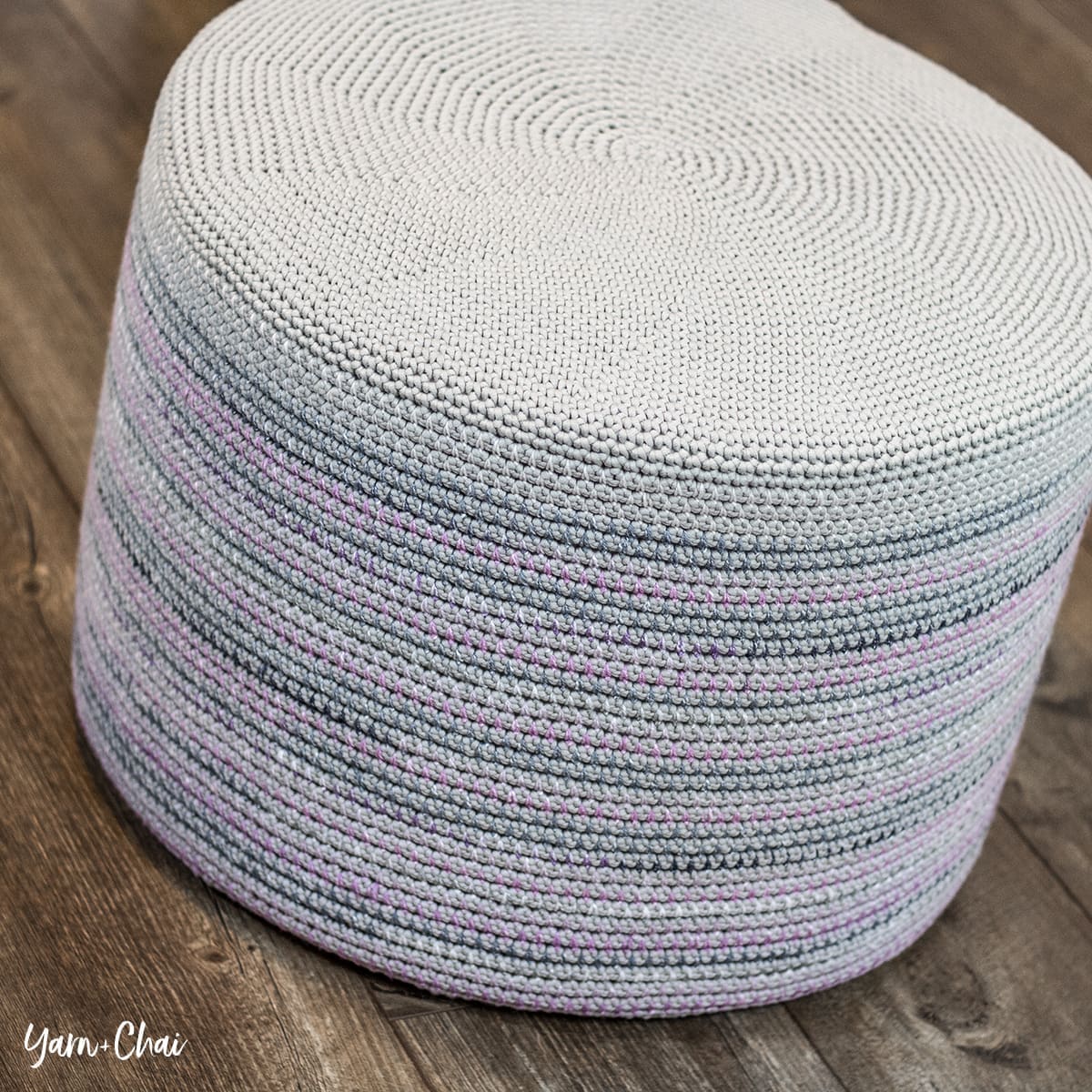
Choosing the right pouf size is key for comfort and style. Small poufs fit well in tight spaces. They offer a cozy spot for feet or extra seating. Picking the correct size affects how much stuffing you need. It also impacts the pouf’s shape and usability.
Common Small Pouf Dimensions
Small poufs usually measure between 14 to 20 inches in diameter or width. Heights vary from 12 to 16 inches. These sizes suit living rooms, bedrooms, or offices. Here are common dimensions:
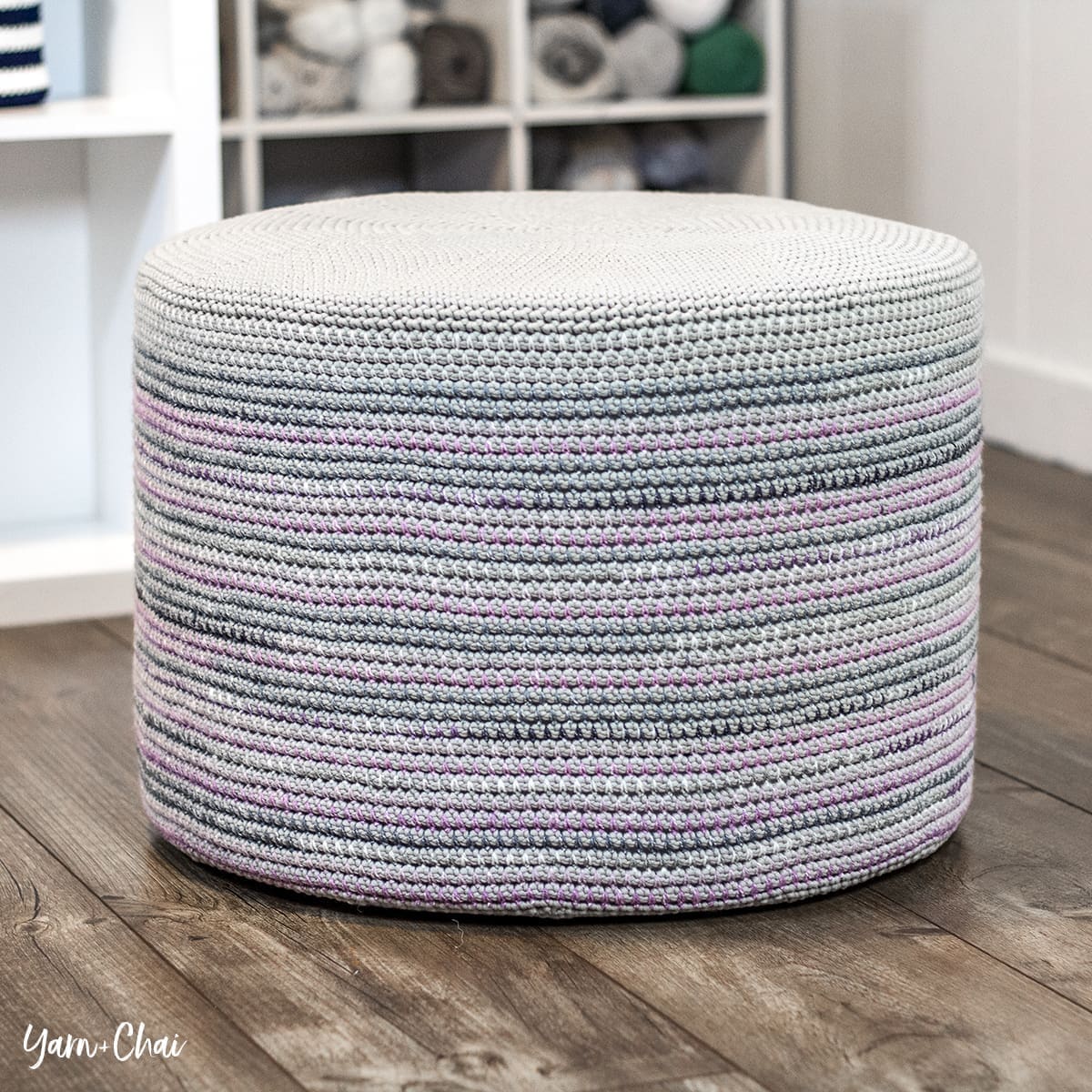
- Round poufs: 16 inches diameter, 14 inches height
- Square poufs: 18 inches by 18 inches, 14 inches height
- Octagonal poufs: 15 inches diameter, 15 inches height
Check your space before choosing. Size affects stuffing volume and comfort.
Shape And Design Impact
Shape changes how much stuffing you need. Round poufs need even filling for smooth curves. Square poufs require stuffing that holds corners firm. Designs with buttons or folds need extra stuffing for structure. Lightweight fabric poufs need less stuffing than thick fabric types. Keep design in mind when buying stuffing.
Types Of Stuffing Materials
Choosing the right stuffing material for your small pouf can make a big difference in comfort, durability, and overall look. Different materials offer unique textures and support levels, so understanding them helps you decide what fits your needs best.
Foam Beads
Foam beads are tiny, lightweight balls that give your pouf a flexible and moldable feel. They adjust easily to your body shape, making the pouf comfy for sitting or lounging. If you want a pouf that stays soft but keeps its shape, foam beads are a solid choice.
Keep in mind, though, foam beads can sometimes escape through seams if not properly sealed. Have you thought about how often you’ll use your pouf and whether it needs extra support? Foam beads offer a good balance between softness and structure.
Polyester Fiberfill
Polyester fiberfill is a fluffy, cotton-like stuffing that’s super easy to work with and widely available. It gives your pouf a plush, cushioned feel, perfect if you want something soft and lightweight. This material is also hypoallergenic, which is great if allergies are a concern.
One downside is that fiberfill can compress over time, so you might need to fluff or add more stuffing occasionally. Would you prefer a pouf that feels like a cloud or something firmer? Polyester fiberfill leans toward soft and cozy.
Natural Fillers
Natural fillers like wool, cotton, or buckwheat hulls offer an eco-friendly alternative with unique textures. Wool provides warmth and some bounce, while buckwheat hulls create a firmer, supportive pouf that molds slightly to your shape. These materials are biodegradable and often breathe better than synthetic options.
Natural fillers can be heavier and might require more maintenance to keep fresh. Are you drawn to sustainable choices and willing to invest a bit more effort? Choosing natural fillers can make your pouf both comfortable and kind to the environment.
Calculating Stuffing Volume
Calculating the right stuffing volume ensures your small pouf stays firm and comfortable. Measure the pouf’s size and fill it about 80% for the best shape and support. Avoid overstuffing to keep it soft and easy to sit on.
Calculating how much stuffing you need for a small pouf can be both an art and a science. You want it to be just right—not too firm, not too soft. Getting this balance requires some basic calculations and understanding of your pouf’s capacity and the material you are using. Let’s break this down further.Measuring Pouf Capacity
Start by measuring your pouf’s dimensions. For a cylindrical pouf, you’ll need the height and the diameter. Use a measuring tape for accuracy. Convert these measurements to the same units, like inches or centimeters. Then, apply the formula for volume. For a cylinder, it’s π × radius² × height. This will give you the volume of your pouf in cubic units. Imagine your pouf like a balloon. How much air would it hold? This is similar to how much stuffing you’ll need.Estimating Material Density
Different stuffing materials have different densities. Foam beads are lighter than cotton or polyester fiberfill. Consider what feel you want. A firmer pouf might require dense filling like shredded memory foam. For a softer feel, polyester fiberfill is a good choice. Think about a pillow. If you like the feel of a plush pillow, opt for lighter stuffing. If you prefer a firmer pillow, go for something denser. Once you’ve measured your pouf and chosen your material, you can estimate how much stuffing you’ll need by comparing the volume of your pouf to the density of your chosen stuffing. This approach will help you achieve the perfect pouf—one that suits your style and comfort needs.Filling Techniques
Choosing the right filling technique affects your small pouf’s comfort and shape. Proper filling keeps it sturdy yet soft. It also helps the pouf last longer. Use the right methods to balance firmness and flexibility.
Layering For Firmness
Layering filling materials creates a strong base and soft top. Start with denser stuffing at the bottom. Use lighter, fluffier materials on top. This mix supports weight and adds comfort. Layering avoids lumps and uneven spots. It helps your pouf keep its shape over time.
Avoiding Overstuffing
Overstuffing makes your pouf hard and uncomfortable. It can cause seams to burst or fabric to stretch. Leave some space inside for movement and flexibility. Gently pack the stuffing to fill gaps without pressing too tight. This balance ensures the pouf stays soft and durable.
Adjusting Stuffing For Comfort
Adjusting the stuffing of your small pouf is key to making it truly comfortable. The right balance between softness and support depends on how you plan to use it. Sitting for long periods means you want firmer stuffing, while a cozy spot for your feet calls for something softer.
Testing Firmness Levels
Start by filling your pouf halfway and try sitting or resting your feet on it. Does it feel too hard or too soft? Add small amounts of stuffing gradually and test each time until it feels just right.
Keep in mind, firmness is personal. You might prefer a pouf that supports your back or one that sinks in a bit. Don’t hesitate to experiment by adding or removing stuffing until you find your perfect level.
Refilling And Maintenance
Over time, stuffing can compress, making your pouf less comfortable. Check your pouf every few months and fluff it up by adding more stuffing if needed.
Keep some extra stuffing on hand. This way, you can quickly refresh your pouf’s comfort without buying a new one. Simple maintenance like this can extend the life of your pouf and keep it feeling great.
Credit: yarnandchai.com
Cost And Where To Buy Stuffing
Knowing the cost and sources of stuffing helps plan your small pouf project. Stuffing prices vary by type and quality. Where you buy stuffing affects cost and convenience. Some options fit tight budgets. Others offer specialty products for a perfect finish.
Budget-friendly Options
Polyester fiberfill is a common, cheap stuffing choice. It is soft, light, and easy to use. Craft stores sell small bags for under $10. Larger bags lower the price per pound. Recycled stuffing or shredded fabric scraps can save money. Thrift stores and clearance sales offer good deals. Buying in bulk online reduces costs further.
Specialty Stores And Online
Specialty stores provide high-quality stuffing materials. Look for memory foam, natural wool, or latex stuffing. These materials last longer and feel more comfortable. Prices range from $15 to $50 or more per pound. Online marketplaces offer wide selections and customer reviews. Check shipping costs before buying. Some stores offer sample packs to test before purchase.
Credit: yarnandchai.com
Frequently Asked Questions
How Much Stuffing Is Needed For A Small Pouf?
For a small pouf, you typically need around 1 to 2 pounds of stuffing. This amount fills the pouf adequately, ensuring it is firm yet comfortable. Adjust based on the pouf’s size and desired firmness for best results.
What Type Of Stuffing Works Best For Small Poufs?
Polyester fiberfill is the most popular stuffing for small poufs. It is lightweight, soft, and maintains shape well. Alternatively, foam beads or shredded foam provide firmer support and durability. Choose based on comfort preference and pouf use.
Can I Reuse Stuffing From Old Cushions For My Pouf?
Yes, reusing stuffing from old cushions can work if it’s clean and in good condition. Ensure the stuffing is fluffed and free of lumps. This eco-friendly option saves money and reduces waste while providing adequate cushioning.
How Do I Know If My Pouf Has Enough Stuffing?
If the pouf feels too soft or collapses under weight, it needs more stuffing. A well-stuffed pouf should be firm but still comfortable to sit on. Add stuffing gradually until you reach the desired firmness.
Conclusion
Choosing the right amount of stuffing makes your small pouf comfy. Too little stuffing feels flat and weak. Too much stuffing makes it hard and stiff. Aim for a balance that keeps the pouf soft yet firm. Measure your pouf’s size before buying stuffing.
Use lightweight filling like polyester fiber for easy shaping. Stuff slowly and test firmness as you go. A well-stuffed pouf lasts longer and feels better to sit on. Enjoy your cozy, handmade pouf with just the right amount of stuffing.



