
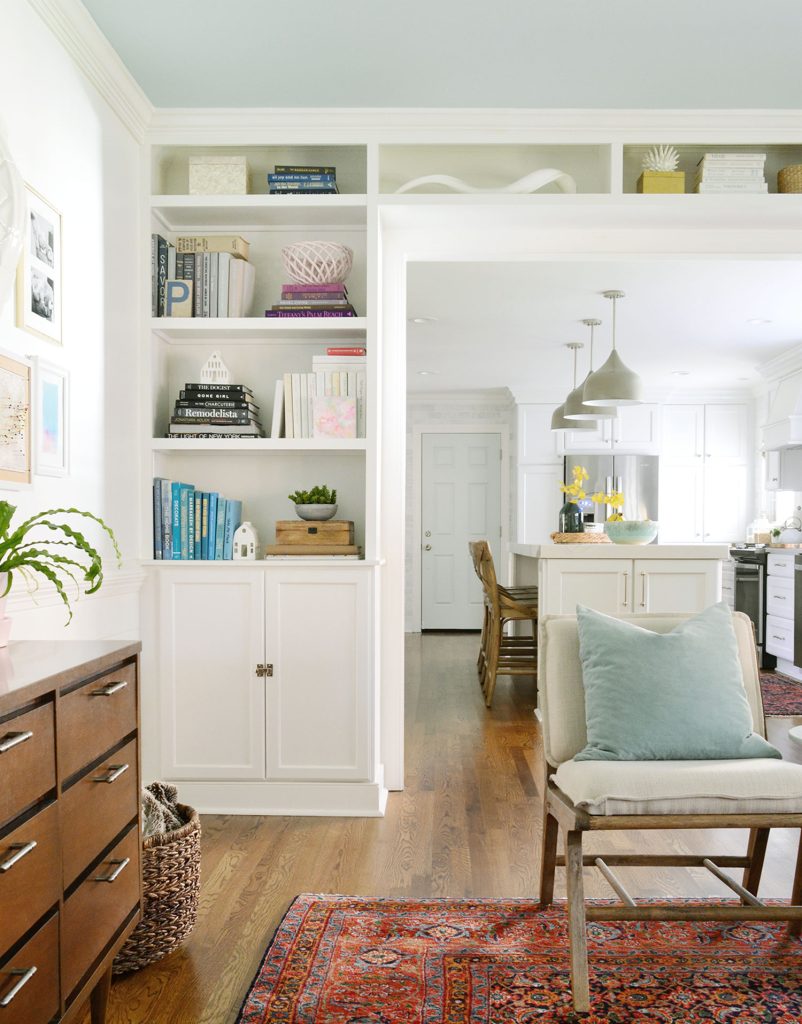
Are you thinking about adding built-in bookshelves to your home but unsure how much it will cost? Knowing the price upfront can help you plan better and avoid surprises.
Whether you want a simple design or a custom masterpiece, the cost can vary a lot. You’ll discover what affects the price, how to budget smartly, and tips to get the best value. Keep reading to find out exactly how much you might spend to create beautiful built-in bookshelves that fit your space and style perfectly.
Factors Affecting Bookshelf Costs
Building built-in bookshelves is a fantastic way to add character and storage to your home. But how much should you expect to spend? The cost varies widely depending on several key factors. Understanding these can help you plan your budget better and avoid unexpected expenses.
Materials And Finishes
The choice of materials has a huge impact on the final price. Solid hardwood like oak or cherry costs more than plywood or MDF, but it lasts longer and looks richer. You might spend extra on premium finishes like paint, stain, or lacquer, which also affect the durability and style.
Think about your home’s style and how much wear and tear the shelves will face. Do you want a sleek modern look with laminate, or a classic wood grain? Each option changes the cost and maintenance needs.
Size And Design Complexity
Larger bookshelves naturally cost more because they require more materials and labor. But complexity matters too. Simple straight shelves are cheaper than intricate designs with crown molding, hidden compartments, or adjustable shelving.
Ask yourself if you need extra features like built-in lighting or integrated desks. These add to the price but can make your shelves more functional and unique.
Labor And Installation
Skilled carpenters charge more for custom built-ins than for ready-made units. Installation can be time-consuming if walls need reinforcement or if electrical work is involved. Labor rates vary depending on your location and the contractor’s experience.
Have you considered doing part of the work yourself? Even simple painting or staining can save money, but some steps require professional precision to avoid costly mistakes.
Location And Customization
Where you live affects labor costs and material availability. Urban areas often have higher prices, while remote locations might incur shipping fees. Customization tailored to your space—like fitting shelves around windows or doors—can increase costs due to extra measuring and cutting.
Think about your room’s unique dimensions and how much customization is truly necessary. Sometimes a slightly simpler design fits your space just as well and saves you money.
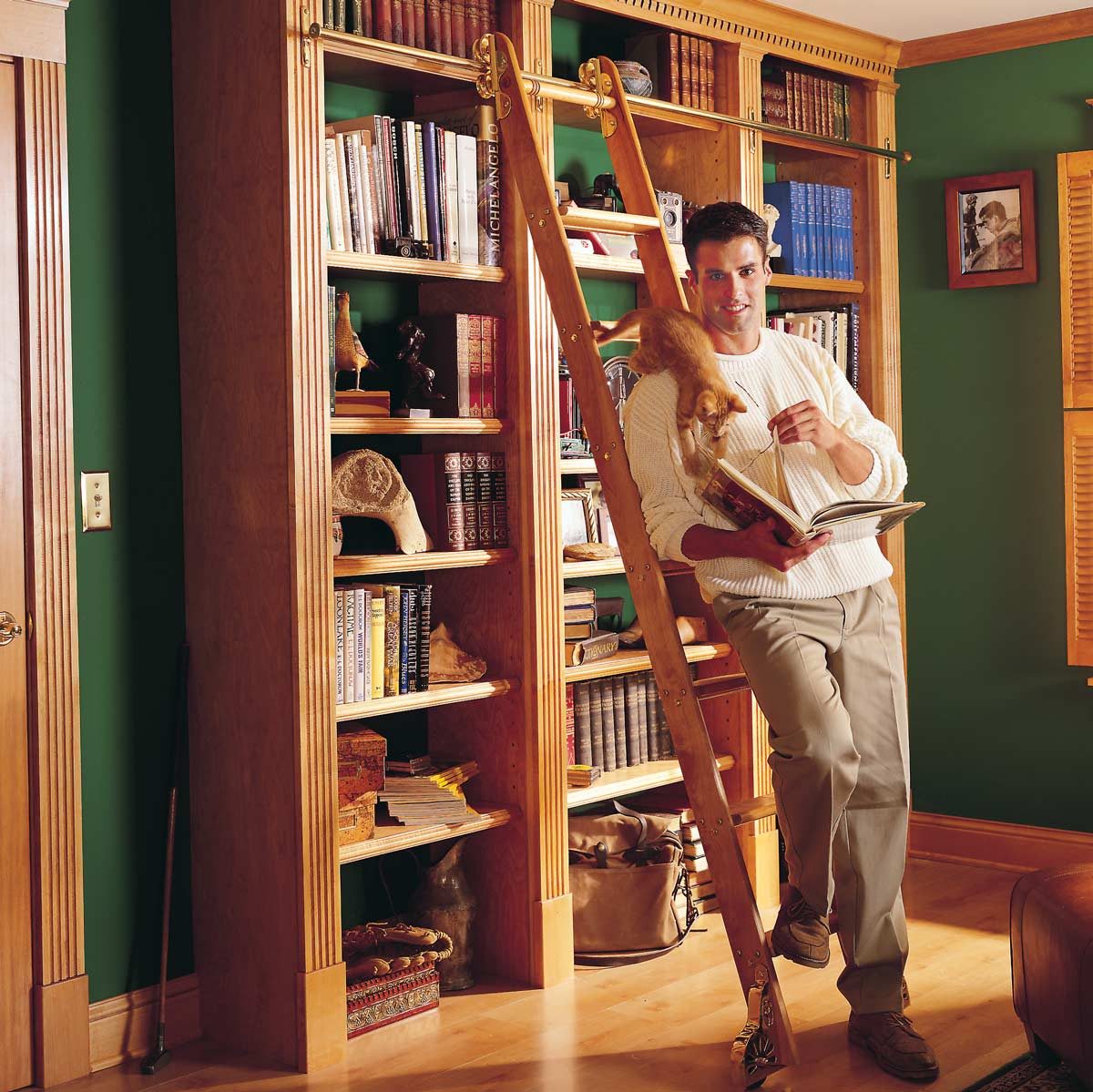
Credit: www.familyhandyman.com
Material Options And Price Ranges
Choosing the right materials for built-in bookshelves significantly impacts both the final look and the overall cost. Different materials offer unique benefits, styles, and price points, allowing you to tailor your project to fit your budget and design preferences.
Understanding the price ranges and characteristics of each material helps you make informed decisions. Let’s break down some popular options to consider for your built-in bookshelves.
Solid Wood Choices
Solid wood is a classic choice known for its durability and timeless appeal. Woods like oak, maple, and cherry vary in price, with oak usually being the most budget-friendly and cherry on the higher end.
Expect to pay between $50 to $150 per board footdepending on the wood type. Solid wood ages beautifully and can be refinished multiple times, making it a long-term investment.
If you want a warm, natural look and don’t mind spending a bit more, solid wood is worth considering. Do you prefer a rustic or polished finish? Your choice of wood can help you achieve that exactly.
Engineered Wood And Mdf
Engineered wood and MDF (medium-density fiberboard) provide affordable alternatives to solid wood. MDF is smooth, easy to paint, and less prone to warping, making it ideal for a sleek, modern look.
Prices usually range from $10 to $30 per sheetfor MDF, while higher-grade plywood options might cost more. These materials are budget-friendly but may not last as long as solid wood under heavy use.
Consider MDF if you want a clean finish without breaking the bank. Have you thought about how often your shelves will be used? That can guide your material choice here.
Metal And Glass Accents
Adding metal or glass elements can elevate the design of your built-in bookshelves. Metal brackets, handles, or trim add a modern or industrial touch, while glass shelves or doors bring lightness and display appeal.
These accents can add $100 to $500or more to your project depending on the materials and design complexity. They’re excellent for showcasing collectibles or creating a statement piece in your room.
Think about whether your space could benefit from a touch of shine or transparency. Could metal and glass accents make your bookshelves stand out while fitting your style?
Design Styles And Their Impact On Cost
Different design styles affect the cost of built-in bookshelves. Simple designs cost less, while intricate styles can be pricey.
Design styles play a significant role in determining the cost of built-in bookshelves. The choice of style can influence not only the price but also the overall aesthetic of your space. Understanding the nuances of different design styles can help you make an informed decision that balances both budget and taste.Traditional Vs Modern
Traditional designs often feature ornate moldings, rich woods, and detailed craftsmanship. They can be more expensive due to the intricate work and premium materials. Modern styles, on the other hand, typically have clean lines and minimalist features, which can reduce costs by using simpler materials and construction techniques. Reflect on what suits your home’s existing decor—sometimes a blend of both might be the perfect, cost-effective solution.Built-in Vs Freestanding
Built-in bookshelves are custom-fitted to your space, offering a seamless look. This customization can drive up costs due to labor and precision required. Freestanding shelves, while less expensive, provide flexibility and can be moved or replaced easily. Consider your long-term needs. Are you looking for a permanent fixture, or do you prefer something adaptable?Additional Features And Accessories
Adding features like lighting, adjustable shelves, or glass doors can enhance functionality but also add to the expense. For instance, integrated LED lighting might be a splurge, but it can highlight your book collection beautifully. Think about what features are essential for you and which ones you can skip to stay within budget. What special touches will make your bookshelf not just storage, but a centerpiece in your home?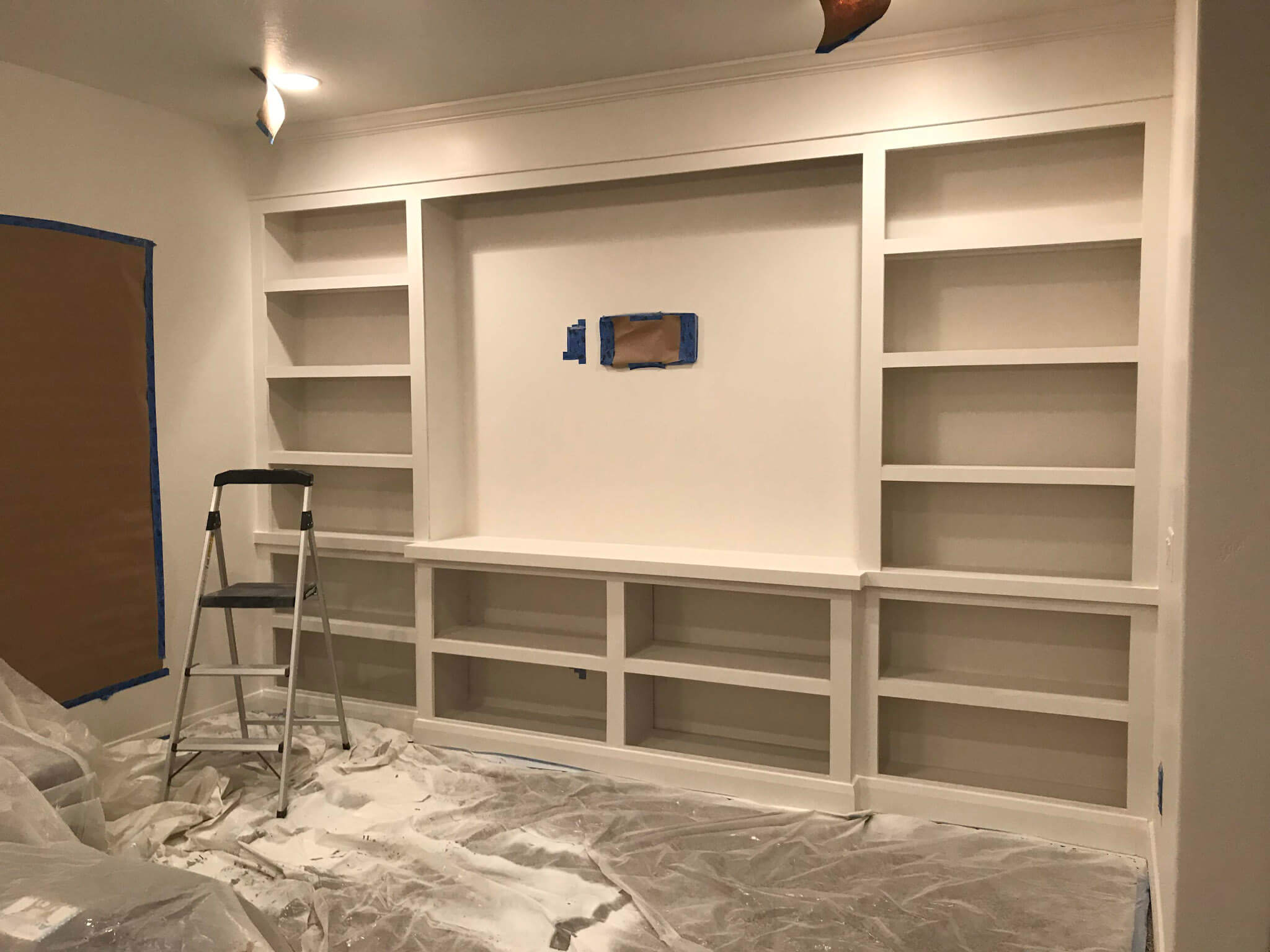
Credit: crystelmontenegrohome.com
Labor Costs And Installation Considerations
Labor costs play a big role in building built-in bookshelves. Installation involves skill and time. These factors affect the total price. Understanding labor costs helps plan your budget well. Installation considerations also impact how smooth the project goes.
Hiring Professionals Vs Diy
Hiring professionals ensures high-quality and safe installation. Experts have tools and experience. They finish work faster with fewer mistakes. Costs include hourly rates or flat fees. DIY saves money but needs skill and time. Mistakes can increase costs and delay the project. Decide based on your skill level and time availability.
Regional Labor Rate Differences
Labor costs vary by location. Cities with higher living costs often charge more. Rural areas usually have lower rates. Check local rates before budgeting. Regional demand for carpenters affects prices too. Research helps avoid surprises in labor expenses.
Timeframe And Project Complexity
Simple bookshelf designs take less time and cost less. Complex designs with custom features increase labor time. Installation in tricky spaces needs extra care and skill. Tight deadlines may raise costs due to overtime charges. Plan the project scope clearly to control labor expenses.
Cost Breakdown By Bookshelf Size
Understanding the cost of building built-in bookshelves depends heavily on their size. Each size category requires different amounts of materials, labor, and design complexity. Knowing this breakdown helps you plan your budget more accurately and avoid surprises.
Small Built-in Units
Small built-in bookshelves usually cover a single wall section or fit into a niche. These units often cost between $300 and $700. You pay less for fewer materials and simpler designs, but custom finishes can raise the price.
Labor for small units typically involves a few hours of carpentry work. If you want to add lighting or special trim, expect to spend extra. Have you considered how much space you really need before committing to a small unit?
Medium-sized Bookshelves
Medium-sized bookshelves often span an entire wall or a corner. Prices usually range from $700 to $1,500. This size allows for more shelves and storage options but demands more precise measurements and sturdier construction.
Material costs climb here, especially if you choose hardwood or premium finishes. Labor can take a full day or more, depending on complexity. Think about how you will use the shelves—storage or display? That choice affects both design and cost.
Large Custom Installations
Large custom built-in bookshelves are a major investment, commonly costing $1,500 to $5,000 or more. These projects cover multiple walls or include intricate details like built-in desks or cabinets. The size and customization level drive the price up significantly.
Expect skilled craftsmen to spend several days on installation. Materials often include high-end woods and hardware that withstand heavy use. Are you prepared to balance your dream design with the reality of your budget?
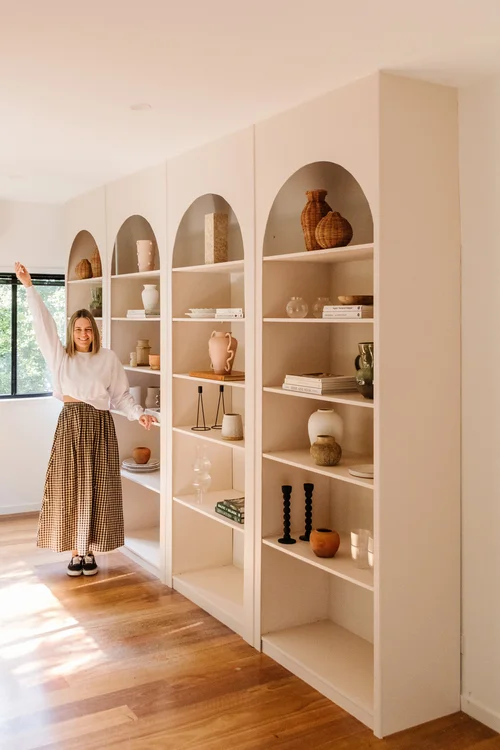
Credit: www.smorhome.com
Budgeting Tips And Cost-saving Strategies
Building built-in bookshelves can add charm and function to any room. Managing costs carefully helps keep the project affordable. Smart budgeting ensures you get quality shelves without overspending. Here are practical tips to save money and stay within budget.
Choosing Affordable Materials
Selecting the right materials impacts the overall cost. Opt for plywood or MDF instead of solid wood. These materials offer a good balance between price and durability. Consider ready-made panels that cut down labor time. Use paint or laminate to mimic expensive wood finishes.
Simplifying Designs
Simple designs reduce both material and labor expenses. Avoid intricate carvings or custom shapes. Straight lines and basic shelving are easier and cheaper to build. Limit the number of shelves to what you really need. A clean design still looks elegant and functional.
Planning For Future Additions
Design shelves that allow easy expansion later. Build a strong base and side panels now. Leave space or add supports for future shelves. This avoids costly rebuilds or replacements later. Planning ahead spreads out costs over time and keeps flexibility.
Common Additional Expenses To Expect
Building built-in bookshelves can seem straightforward until the hidden costs start adding up. Beyond the price of wood and labor, there are common additional expenses that often catch homeowners off guard. Knowing these early can help you budget better and avoid surprises during your project.
Permits And Inspections
Depending on your location, building built-in shelves may require permits. These ensure your project meets local building codes and safety standards. Failing to get permits can lead to fines or having to undo your work.
Inspections are usually part of the permit process. They confirm everything is done correctly and safely. You might pay fees for both permits and inspections, so check with your local building department before starting.
Wall Preparation And Repairs
Before installing shelves, walls often need preparation. This might include patching holes, sanding rough spots, or reinforcing studs to support the weight of the shelves and books. These repairs can add unexpected time and costs.
If your walls have old wallpaper or uneven surfaces, plan to remove or smooth them. This ensures your shelves fit snugly and look professional. Skipping this step can lead to crooked shelves or damage over time.
Lighting And Accessories
Adding lighting to your built-in bookshelves enhances both function and style. LED strip lights or small spotlights can highlight your collection and make the space cozy. However, installing lighting often requires electrical work, which increases costs.
Don’t forget about accessories like glass doors, adjustable shelves, or decorative molding. These extras improve usability and appearance but come with added expenses. Decide which features matter most to you before budgeting.
Comparing Diy Vs Professional Builds
Deciding between building your own built-in bookshelves or hiring a professional can significantly impact your budget, timeline, and final results. Both approaches have unique benefits and challenges that affect cost, skills needed, and the tools involved. Understanding these differences can help you make the best choice for your project and avoid unexpected headaches.
Cost Differences
DIY built-in bookshelves usually cost less upfront because you’re mainly paying for materials. If you’re comfortable shopping for wood, paint, and hardware, you can save a few hundred dollars or more. However, mistakes in measurements or material choices can add unexpected expenses.
Hiring a professional adds labor costs but often guarantees quality and efficiency. Professionals typically charge between $50 and $100 per hour, with total costs ranging from $1,000 to $5,000 depending on size and complexity. Are you willing to spend more for peace of mind and a polished finish?
Skill Requirements
Building built-in bookshelves yourself demands a solid grasp of carpentry basics like measuring, cutting, and assembling. You’ll also need to understand wall anchoring and finishing techniques to ensure durability and style. If you lack experience, you might end up frustrated or with shelves that don’t fit or hold weight safely.
Professionals bring expert skills honed by years of practice. They can handle tricky corners, custom designs, and unexpected wall conditions with ease. Think about how confident you feel using power tools and whether you want to tackle problem-solving on your own.
Tools And Time Investment
DIY projects require access to specific tools like saws, drills, levels, and clamps. If you don’t own these, tool rental or purchase can add to your costs. Expect the project to take several weekends, especially if it’s your first time, as you learn and adjust along the way.
Professionals come fully equipped and can often complete the job in a few days. This saves you time and the hassle of tool maintenance or setup. Ask yourself if you have the time to dedicate or if you’d rather have the job done quickly and efficiently by someone else.
Trends Shaping Bookshelf Costs In 2025
The cost of building built-in bookshelves in 2025 is influenced by several emerging trends. These trends not only affect the price but also the value and functionality you get from your investment. Understanding these factors can help you decide where to spend and where to save when planning your bookshelf project.
Eco-friendly Materials
More homeowners are choosing sustainable wood and recycled materials for their bookshelves. These options can sometimes cost more upfront but often last longer and add unique character to your space.
Using bamboo or reclaimed wood may increase your budget by 10-20%, but it also reduces environmental impact. Are you willing to pay a bit more for a product that supports a greener future?
Smart Storage Solutions
Bookshelves with built-in lighting, adjustable shelves, or hidden compartments are gaining popularity. These features add convenience but also raise the cost due to the technology and craftsmanship involved.
Expect to pay extra for integrated USB ports or wireless charging pads embedded in your shelves. Think about how much value these smart additions bring to your daily routine.
Customization Technologies
Advances in 3D modeling and CNC cutting allow for precise, personalized designs. Custom-built shelves tailored to your space and style can be more expensive but often fit better and feel more special.
These technologies reduce waste and speed up production, which might offset some of the initial cost. How important is a perfect fit and unique design to you when considering your budget?
Frequently Asked Questions
How Much Does It Cost To Build Built-in Bookshelves?
The cost to build built-in bookshelves ranges from $500 to $3,000. Prices vary based on materials, size, and labor. Custom designs and high-quality wood increase the price. DIY projects can reduce costs significantly.
What Factors Affect Built-in Bookshelf Costs?
Material type, size, design complexity, and labor rates affect costs. Hardwood is pricier than MDF or plywood. Custom features and finishes also increase expenses. Location and contractor experience play a role in pricing.
Can I Build Built-in Bookshelves Myself?
Yes, DIY built-in bookshelves can save money. Basic carpentry skills and tools are required. Plans and tutorials are widely available online. However, complex designs may need professional help for quality results.
How Long Does It Take To Build Built-in Bookshelves?
Building time varies from a day to several weeks. Simple shelves take less time, while custom projects need more. Scheduling and drying times for paint or stain also affect the timeline.
Conclusion
Building built-in bookshelves can fit many budgets and needs. Costs depend on size, materials, and design choices. Planning carefully helps control expenses and get the look you want. Simple shelves cost less, while custom options add to the price. Doing some work yourself can save money too.
Think about how you will use the shelves and what style suits your space. With the right plan, built-in bookshelves add value and charm to any room. Consider all factors before starting your project.



