
Are you thinking about adding pendant lights to your space but unsure how much it will cost to install them? You’re not alone.
Installing pendant lights can transform any room, adding style and warmth. But before you make a decision, you need clear answers about the price. Knowing what affects the cost and what to expect will help you avoid surprises and plan your budget with confidence.
Keep reading to discover everything you need to know about how much it really costs to install pendant lights—so you can brighten your home without breaking the bank.
Pendant Light Types
Pendant lights come in many types. Choosing the right one affects the look and feel of your space. Different designs suit different rooms and budgets. Knowing the types helps you decide how much to spend on installation.
Single Vs Multi-light Fixtures
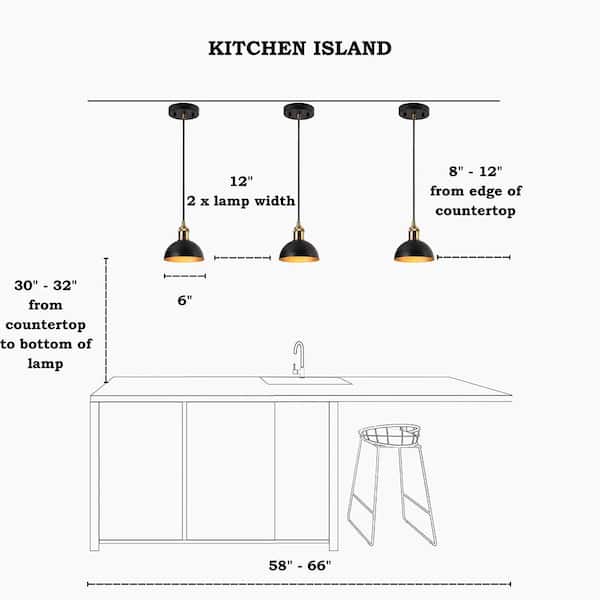
Single pendant lights hang alone and focus light on one spot. They fit well over kitchen islands or small tables. Multi-light fixtures group several pendants together. These create a brighter area and add style. Multi-light setups may cost more to install due to wiring and height adjustments.
Materials And Styles
Pendant lights come in various materials like glass, metal, and wood. Glass shades offer a soft glow and come in clear or frosted forms. Metal fixtures add a modern or industrial look. Wood brings warmth and a rustic feel. Styles range from simple to decorative. Material and style influence installation cost and time.
Size And Scale Considerations
Size matters for pendant lights. Small fixtures suit compact spaces and require less wiring. Large pendants make a bold statement but need stronger support. The scale should match the room size and ceiling height. Bigger lights may increase installation costs due to extra labor and parts.
Installation Cost Factors
The cost of installing pendant lights depends on several key factors. Understanding these can help plan your budget accurately. Each element influences the total price differently.
Knowing what affects installation costs makes it easier to avoid surprises. This section explains the main factors impacting the cost.
Labor Charges
Labor is a big part of the installation cost. Electricians usually charge by the hour or a flat fee. Rates vary based on experience and location. Simple installations cost less than complex ones. Expect higher fees for skilled professionals or rush jobs.
Electrical Work Complexity
Some pendant lights need extra wiring or new circuits. Adding switches or changing ceiling fixtures raises costs. Older homes may need upgrades to meet safety codes. Complex work takes more time and skill. This increases the overall installation price.
Location And Accessibility
The installation site affects labor time and cost. High ceilings or hard-to-reach spots require ladders or scaffolding. Tight spaces limit movement and slow work. Easy-to-access areas reduce installation time and cost. Location challenges add to the final bill.
Fixture Price Range
Pendant lights come in many styles and prices. High-end fixtures cost more to buy and install. Custom or designer lights may need special mounting hardware. Cheaper models are easier and faster to install. Fixture price influences total installation expenses.
Diy Vs Professional Installation
Choosing between DIY and professional installation affects the cost of hanging pendant lights. DIY saves money but requires skill and time. Professionals ensure safety and a clean finish but charge more.
Choosing between DIY and professional installation for pendant lights is crucial. Both have unique benefits and challenges. This section explores key factors to help you decide wisely.Skill Requirements
DIY installation needs basic electrical skills. You must understand wiring and follow instructions carefully. Reading manuals helps avoid common mistakes. Professionals have advanced skills. They handle complex installations with ease. Their experience ensures high-quality work and fewer errors.Safety Concerns
DIY projects can pose safety risks. Mistakes with electricity can cause shocks or fires. Ensure the power is off before starting. Professionals prioritize safety. They follow strict codes and regulations. This minimizes risks and ensures safe installations.Cost Savings Potential
DIY can save money on labor costs. You only buy materials and tools. But, mistakes can lead to costly repairs. Professional services cost more upfront. Yet, they save money long-term by reducing errors and maintenance costs.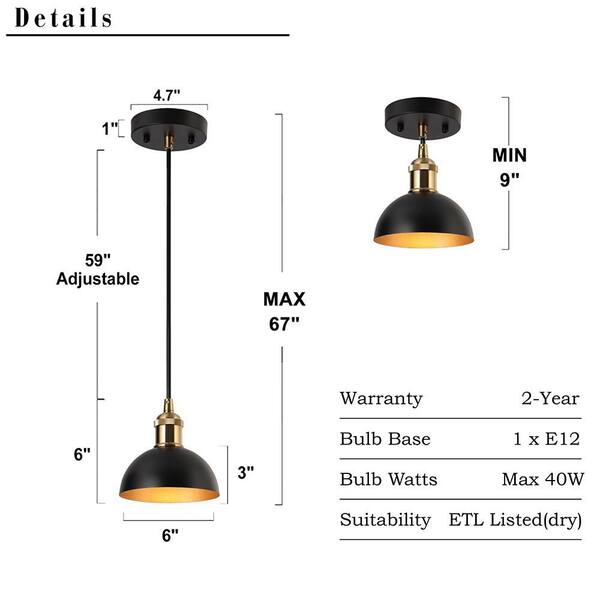
Credit: www.homedepot.com
Regional Price Variations
Costs to install pendant lights differ based on your location. Regional price variations affect labor charges, material costs, and permit fees. Knowing these differences helps plan your budget more accurately.
Urban Vs Rural Costs
Urban areas usually have higher installation costs. Electricians charge more due to higher living expenses. Traffic and parking issues can increase labor time and fees. Rural areas often have lower labor costs but may add travel fees. Sometimes, finding skilled electricians in rural places is harder, which can affect pricing.
Local Market Rates
Local demand and competition impact installation prices. In some cities, many electricians keep prices competitive. Smaller towns may have fewer professionals, which can increase costs. Material prices also vary by region. Some places have better access to supplies, lowering expenses.
Permits And Regulations
Permit requirements change by location and affect total costs. Some cities need permits for electrical work, adding fees. Rural areas might have fewer rules, lowering permit costs. Always check local regulations before installing pendant lights. Getting permits ensures safety and avoids fines later.
Additional Expenses
Installing pendant lights involves more than just the fixture cost and labor. There are additional expenses that can impact your overall budget, especially if your home needs upgrades or modifications. Being aware of these costs upfront helps you plan better and avoid surprises.
Wiring Upgrades
If your existing wiring is outdated or not up to code, you may need electrical upgrades before installing pendant lights. Older homes often have wiring that can’t support modern fixtures safely.
Upgrading wiring can include replacing old cables, adding new circuits, or installing junction boxes. These tasks typically require a licensed electrician and can add a few hundred dollars to your project.
Ask yourself: when was the last time your home’s electrical system was inspected? This check can save you money and prevent electrical hazards.
Ceiling Reinforcement
Pendant lights vary in weight, and some can be quite heavy. If your ceiling structure isn’t strong enough, it might need reinforcement to safely hold the fixture.
Reinforcing the ceiling may involve adding support beams or mounting plates, which increases labor and material costs. This is especially true for older homes or those with drywall ceilings without solid backing.
Think about the size and weight of your pendant light. Would your ceiling support it without extra work? Consulting with a professional can clarify this before you buy.
Dimmer Switch Installation
Adding a dimmer switch allows you to control the brightness and create the right ambiance for any room. However, installing a dimmer isn’t always included in the standard fixture installation price.
Dimmer switches compatible with your pendant lights and electrical system may cost extra. An electrician might need to replace the existing switch and ensure everything works correctly.
Consider if adjustable lighting is important to you. The small additional cost might be worth the flexibility and energy savings over time.

Credit: www.amazon.ca
Budgeting Tips
Setting a budget for installing pendant lights can save you from unexpected expenses. Careful planning helps you decide where to spend and where to save. Let’s look at practical tips to keep your project affordable without sacrificing style or quality.
Estimating Total Costs
Start by listing all possible expenses: the price of the fixtures, installation fees, and any additional materials like wiring or switches. Don’t forget to include a small buffer, around 10-15%, for unexpected costs.
Think about your room size and the number of lights you want. More fixtures mean higher costs, but you can balance this by choosing simpler designs or fewer lights in key spots.
Finding Affordable Fixtures
You don’t have to spend a fortune to get stylish pendant lights. Check out online marketplaces, discount home stores, or even secondhand shops. Sometimes, a little hunting can uncover unique finds at great prices.
Consider mixing and matching brands or styles. Pairing an expensive fixture with more affordable ones can create an interesting look without blowing your budget.
Negotiating With Electricians
Electricians usually have some flexibility in their pricing. Ask if they offer discounts for multiple installations or if they can suggest cost-saving alternatives.
Share your budget upfront. Clear communication helps them tailor their service to your needs, possibly avoiding unnecessary work or expensive materials.
Have you ever tried negotiating service costs? You might be surprised how often you can get a better deal just by asking politely.
Cost Examples
Understanding the cost of installing pendant lights helps plan your budget well. Prices vary based on fixture type and installation complexity. Below are some typical cost examples to guide your expectations.
Basic Installation
Basic installation usually involves a single pendant light. Electricians connect the fixture to existing wiring. This setup costs between $100 and $250. The price depends on labor rates and fixture height. Simple ceiling types keep costs lower.
Complex Multi-light Setup
Multi-light setups include several pendants in one area. Installation requires more wiring and careful placement. Costs range from $300 to $700. The total depends on the number of lights and wiring work. High ceilings or tricky access increase prices.
High-end Designer Fixtures
Designer pendant lights often need special handling. These fixtures can be heavy or fragile. Installation costs start at $400 and can exceed $1,000. The price reflects the care and skill required. Custom wiring or switches add to the cost.
Energy Efficiency Impact
Energy efficiency plays a crucial role when you decide to install pendant lights. It not only affects your electricity bill but also impacts how long your lighting setup lasts. Understanding the energy consumption of different bulbs and technologies can help you make smarter choices and save money over time.
Led Vs Traditional Bulbs
LED bulbs use up to 80% less energy than traditional incandescent bulbs. They also generate less heat, which means less energy wasted. If you switch to LEDs for your pendant lights, you’ll notice a significant drop in your monthly energy costs.
Traditional bulbs, while cheaper upfront, burn out faster and need frequent replacement. LEDs can last up to 25,000 hours, which means fewer trips to the store and less hassle. Have you ever been frustrated by constantly changing bulbs? LEDs solve that problem effectively.
Long-term Savings
Installing energy-efficient pendant lights might cost more initially, but the savings add up quickly. Think about your electricity bill every month—lower wattage bulbs mean smaller bills.
Also, the durability of energy-saving bulbs reduces replacement costs and maintenance effort. Over five years, you could save hundreds of dollars by choosing LEDs over traditional lighting. Isn’t it worth investing a bit more now to save consistently later?
Smart Lighting Options
Smart pendant lights give you control over brightness and usage times through apps or voice commands. This means you can dim or turn off lights remotely, preventing energy waste when rooms are empty.
Many smart lighting systems also track energy usage, helping you understand and reduce consumption. Imagine the convenience and savings of adjusting your lighting from your phone, even when you’re not at home.
Would you consider smart lighting as part of your pendant light installation to maximize energy efficiency?
Credit: www.homeserve.com
Frequently Asked Questions
How Much Does Pendant Light Installation Cost?
Pendant light installation typically costs between $100 and $300. The price varies based on fixture type and wiring complexity. Additional costs may apply for new electrical work or ceiling modifications.
Can I Install Pendant Lights Myself?
Yes, if you have basic electrical skills and tools, you can install pendant lights yourself. However, hiring a licensed electrician ensures safety and code compliance.
What Factors Affect Pendant Light Installation Price?
Installation cost depends on fixture size, wiring complexity, ceiling height, and labor rates. Additional factors include new wiring needs and fixture mounting requirements.
Are There Extra Costs For Installing Multiple Pendant Lights?
Yes, installing multiple pendant lights usually increases labor and material costs. Electricians may charge more for complex setups or additional wiring.
Conclusion
Installing pendant lights can fit different budgets and styles. Costs depend on the type, size, and wiring needs. Hiring a professional ensures safety and quality work. Simple installations cost less, while complex setups raise the price. Planning your lighting and budget helps avoid surprises later.
Pendant lights add charm and light to any room. Think about your needs before choosing the right option. Brighten your space with the perfect pendant light today.



