
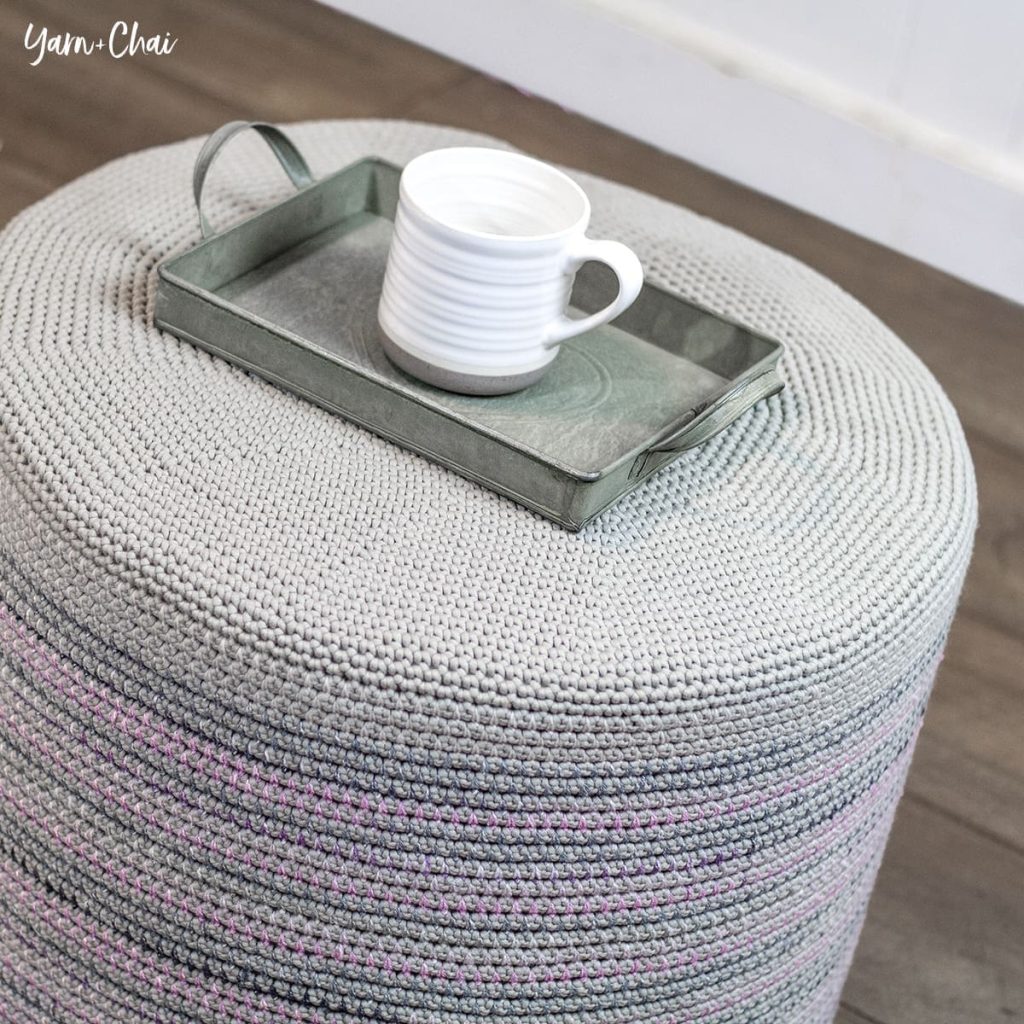
Have you ever wondered how much it really costs to make a round pouf? Whether you want to add a cozy touch to your living space or create a unique gift, knowing the expenses upfront can save you time and money.
You’ll discover the key factors that affect the price, from materials to tools, and even some smart tips to keep your budget in check. By the end, you’ll have a clear idea of what it takes to craft your own stylish round pouf without any surprises.
Keep reading to get all the details you need!
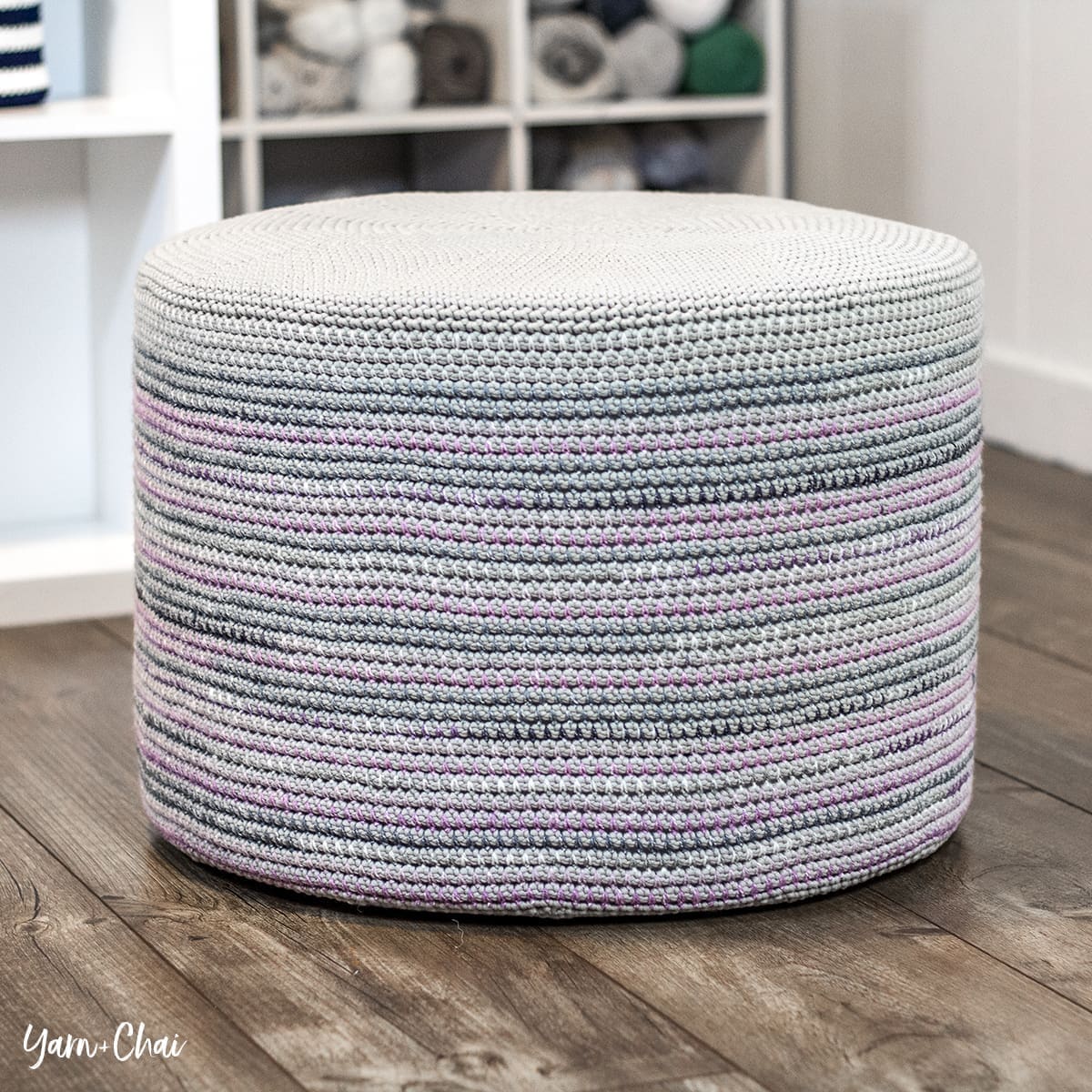
Credit: yarnandchai.com
Materials Needed
Creating a round pouf requires a few key materials. Choosing the right fabric, filling, and other supplies affects both cost and quality. Knowing these materials helps plan your budget better.
Fabric Choices And Prices
Fabric is the main visible part of the pouf. Common choices include cotton, linen, and velvet.
- Cotton:Affordable and durable, costs around $5 to $10 per yard.
- Linen:Natural texture, priced between $10 and $20 per yard.
- Velvet:Soft and luxurious, usually $15 to $30 per yard.
Prices vary by quality and store. Choose fabric that fits your style and budget.
Filling Options And Costs
The filling shapes the pouf and affects comfort. Popular fillings include polyester fiberfill, foam, and recycled materials.
- Polyester fiberfill:Lightweight and cheap, about $10 to $20 per bag.
- Foam:Firm and supportive, costs range from $15 to $40 depending on thickness.
- Recycled fabric scraps:Eco-friendly and low-cost, sometimes free or under $10.
Pick a filling based on firmness and budget.
Additional Supplies
Besides fabric and filling, some tools and materials are needed.
- Thread:Strong polyester thread, around $3 to $7 per spool.
- Needles and pins:Basic sewing tools, costing about $5 to $10.
- Zippers or buttons:For closure, priced $2 to $8 each.
- Scissors:Fabric scissors, around $10 to $20.
These supplies ensure a neat and durable pouf.
Tools Required
Essential tools include fabric, sewing machine, scissors, measuring tape, and stuffing material. These basics help create a neat, round pouf. Gathering all supplies before starting saves time and ensures smooth work.
Creating a round pouf can be a delightful DIY project. It’s not just about the fabric and filling; the tools you use play a crucial role in achieving a professional finish. Having the right tools at your disposal can make the process smoother and more enjoyable. Let’s dive into the essentials you’ll need to craft your perfect pouf.Sewing Machine Essentials
A reliable sewing machine is at the heart of any successful sewing project. Ensure your machine is equipped with a heavy-duty needle, as you’ll be working with thicker fabrics. Test your machine’s stitch settings on a scrap fabric to find the perfect tension and length. Keep spare needles and a variety of thread colors handy to match your fabric. A good maintenance routine, like regular oiling and cleaning, will ensure your machine runs smoothly.Cutting And Measuring Tools
Accurate measurements are key to a perfect pouf. A measuring tape and a clear ruler will help you measure your fabric precisely. Use fabric chalk or a fabric marker to outline your pattern on the material. Sharp fabric scissors or a rotary cutter will give you clean cuts, reducing fraying. A cutting mat is also essential to protect surfaces and ensure straight cuts.Optional Accessories
Consider adding a zipper foot to your sewing machine for easy zipper installation. This can give your pouf a professional look and make stuffing it more straightforward. A fabric glue stick can be handy for temporary holds and adjustments. If you’re adding embellishments, a hot glue gun can be a versatile tool for attaching details securely. Do you have any favorite tools that make your sewing projects easier? Share your experiences and tips in the comments! Your insights could be just what someone else needs to elevate their pouf-making journey.Step-by-step Cost Breakdown
Understanding the cost to make a round pouf helps manage your budget well. Breaking down expenses into clear steps shows where money goes. Each part of the process, from measuring fabric to finishing touches, adds to the total cost.
Measuring And Cutting Expenses
Start with fabric selection. The price depends on type and quality. Cotton and linen are cheaper than leather or velvet. Calculate how much fabric you need based on the pouf size. Extra fabric is useful for mistakes.
Tools like scissors or rotary cutters may be needed. If you don’t own these, include their cost or borrowing option. Marking tools such as chalk or fabric pens are inexpensive but important.
Sewing And Assembly Costs
Sewing requires thread, needles, or a sewing machine. Thread costs vary but usually remain low. If using a machine, consider electricity or rental fees. Sewing time is valuable; factor in labor if you pay someone.
Stuffing material is essential. Options include foam, polyester fiberfill, or old clothes. Prices differ by type and amount needed. Zippers or buttons for closures add a small cost.
Finishing Touches
Adding decorative elements raises cost slightly. Embroidery, tassels, or piping create style but need extra material. Protecting fabric with sprays or coatings might be necessary. These products range in price and quantity required.
Label your pouf with tags or custom prints if desired. Packaging materials are another small expense for gifting or selling. Always keep a small budget for unexpected costs at this stage.
Budget-friendly Tips
Keeping the cost low is key when making a round pouf. Smart choices help save money without losing quality. Small changes add up and keep your project budget-friendly.
Focus on where you get materials and how you work with them. Avoid common mistakes that can waste money and time. These tips guide you to a cost-effective pouf creation.
Where To Source Affordable Materials
Look for fabric and filling in discount stores or thrift shops. Online marketplaces often have good deals on craft supplies. Check for sales or clearance sections for extra savings.
Recycled materials can be a great option too. Old clothes, curtains, or cushions can be repurposed. This cuts costs and adds character to your pouf.
Diy Alternatives To Save Money
Make your own stuffing using scrap fabric or old pillows. Use simple sewing tools instead of expensive machines. Hand-stitching can work well for small projects.
Create patterns from cardboard or paper to avoid buying templates. Paint or dye fabric yourself to avoid costly pre-made designs. These choices reduce expenses and keep the project personal.
Avoiding Common Costly Mistakes
Measure twice before cutting to prevent wasting materials. Buy a little extra fabric to cover mistakes or miscalculations. Choose durable fabrics to avoid redoing the pouf soon.
Follow clear instructions to save time and money. Rushing leads to errors and extra costs. Take your time to get the best results on a budget.
Comparing Diy Vs. Store-bought Poufs
Deciding between making your own round pouf or buying one from the store can be tricky. Both options have clear pros and cons, especially when you consider the price, quality, and how much you want to customize your piece. Let’s break down these factors so you can make the best choice for your space and budget.
Price Differences
Making a pouf yourself usually costs less upfront, especially if you already have some materials like fabric or stuffing at home. Basic supplies such as fabric, thread, and filling can add up, but you often save compared to buying a ready-made pouf.
Store-bought poufs vary widely in price, depending on brand and material. You might find a pouf for as low as $30 or pay several hundred dollars for designer options. Ask yourself if the convenience of buying now is worth the extra cost.
Quality Considerations
DIY poufs let you control the quality of materials. You can pick durable fabric and high-density filling to ensure your pouf lasts. But if you’re new to sewing or crafting, the final product might not be as polished as a professionally made one.
Store-bought poufs often come with quality guarantees or warranties. They usually use tested materials designed for comfort and durability. However, some mass-produced poufs may use cheaper materials to cut costs, so read reviews carefully.
Customization Benefits
One big advantage of making your own pouf is total customization. You choose the size, shape, color, and texture exactly how you want it. This is perfect if you want a unique piece that matches your decor perfectly.
Store-bought poufs offer limited customization. You might find a few colors or patterns, but the options are fixed. If you want a pouf that stands out or fits a specific style, DIY gives you the freedom to create exactly that.
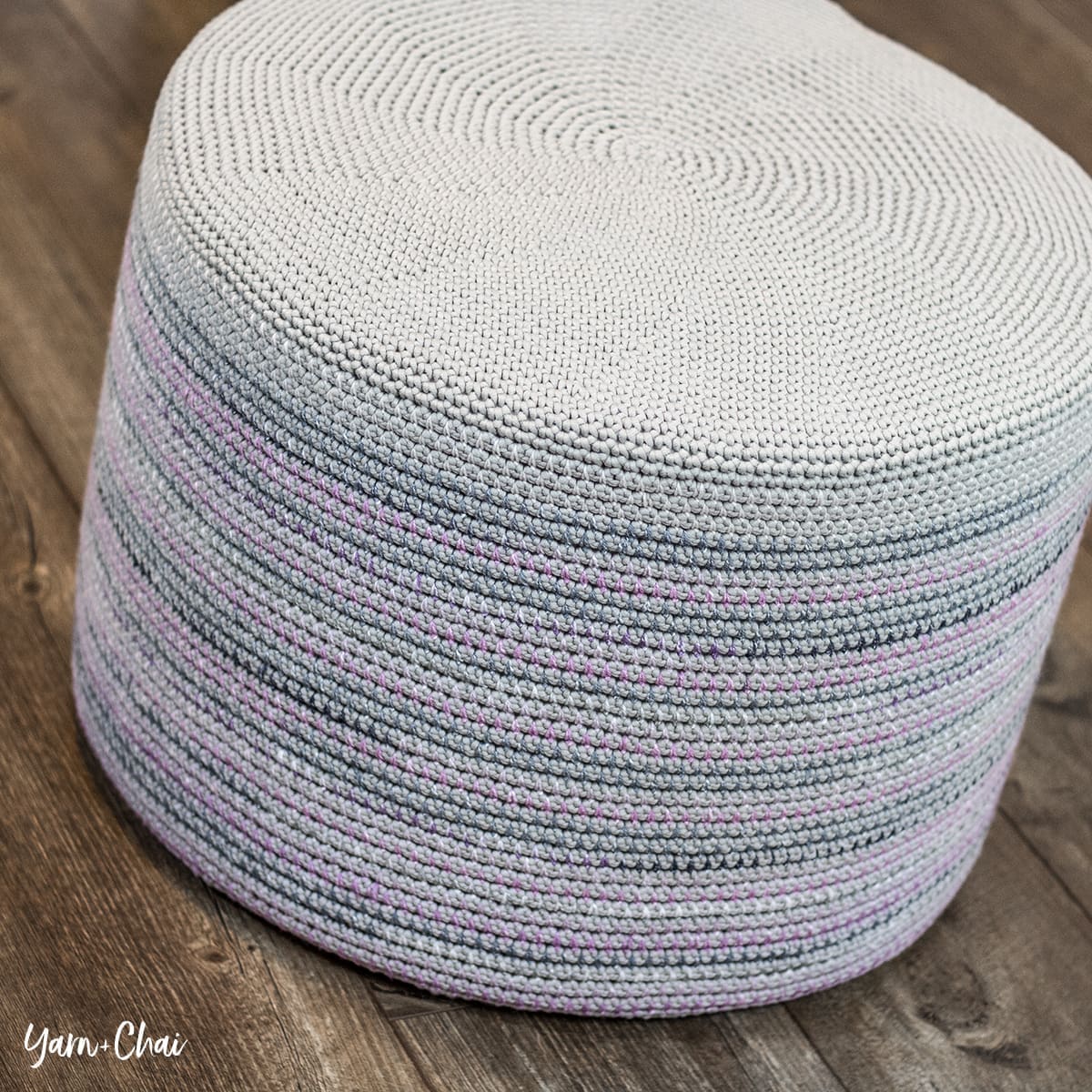
Credit: yarnandchai.com
Time Investment And Its Value
Making a round pouf takes time and effort. Understanding the time needed helps set clear expectations. This section explores the time investment and its true value. It shows how to balance time with cost and improve work speed.
Estimating Project Duration
Estimate the total hours needed before starting. Consider these tasks:
- Cutting fabric and foam
- Sewing pieces together
- Stuffing the pouf
- Adding finishing touches
For beginners, the project may take 6 to 10 hours. Experienced crafters might finish in 3 to 5 hours. Break the work into smaller sessions to avoid feeling overwhelmed.
Balancing Time And Cost
Time spent affects overall cost. More time means higher labor value. Buying ready-made poufs saves time but costs more money. Making your own pouf cuts material costs but uses your time. Decide what matters more: saving money or saving hours.
Maximizing Efficiency
Plan your steps to save time. Gather all materials before starting. Use sharp tools for quick cutting. Follow simple patterns to avoid mistakes. Practice sewing skills to improve speed. Take breaks to keep focus strong. Efficient work means less frustration and better results.
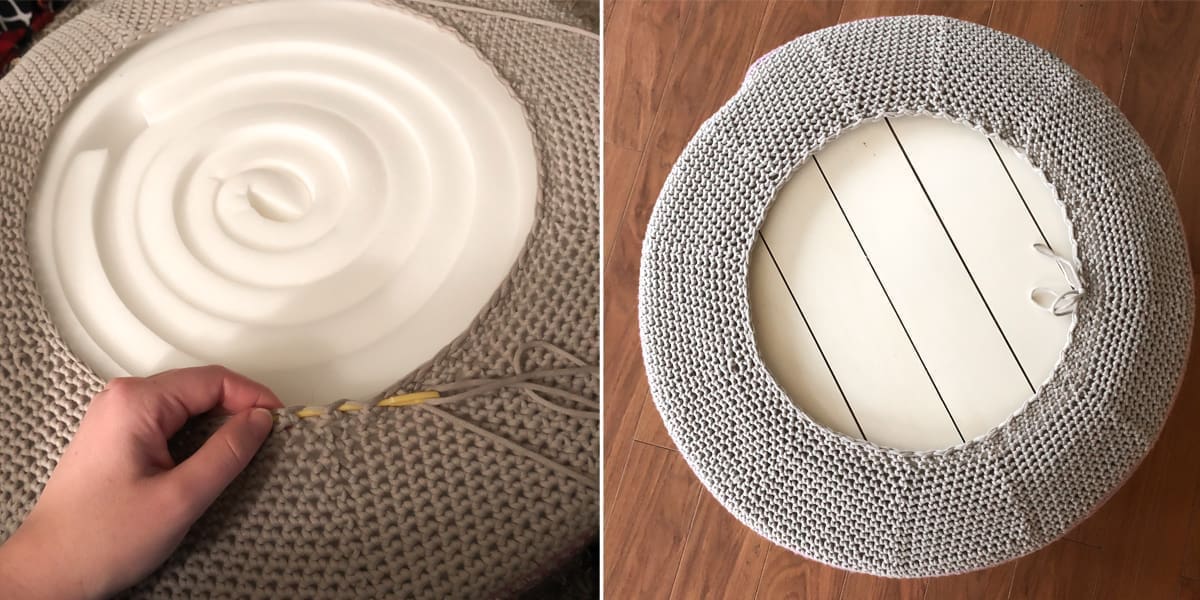
Credit: yarnandchai.com
Frequently Asked Questions
How Much Does It Cost To Make A Round Pouf?
The cost to make a round pouf ranges from $20 to $60. It depends on fabric quality, filling materials, and size.
What Materials Are Needed To Make A Round Pouf?
You need fabric, stuffing (foam or beads), thread, and a sewing machine. Optional: zipper and decorative trims.
Can I Make A Round Pouf On A Budget?
Yes, using scrap fabric and inexpensive stuffing cuts costs. DIY poufs save money compared to store-bought options.
How Long Does It Take To Make A Round Pouf?
Making a pouf typically takes 2 to 4 hours. Time varies with skill level and design complexity.
Conclusion
Making a round pouf can fit many budgets. Costs depend on fabric, stuffing, and tools. Simple designs cost less and take less time. Choosing the right materials helps control expenses. Crafting your own pouf adds a personal touch. It also gives satisfaction that store-bought items cannot.
Try different styles to match your home decor. Enjoy the process as much as the result. Creating a pouf is both fun and rewarding.



