
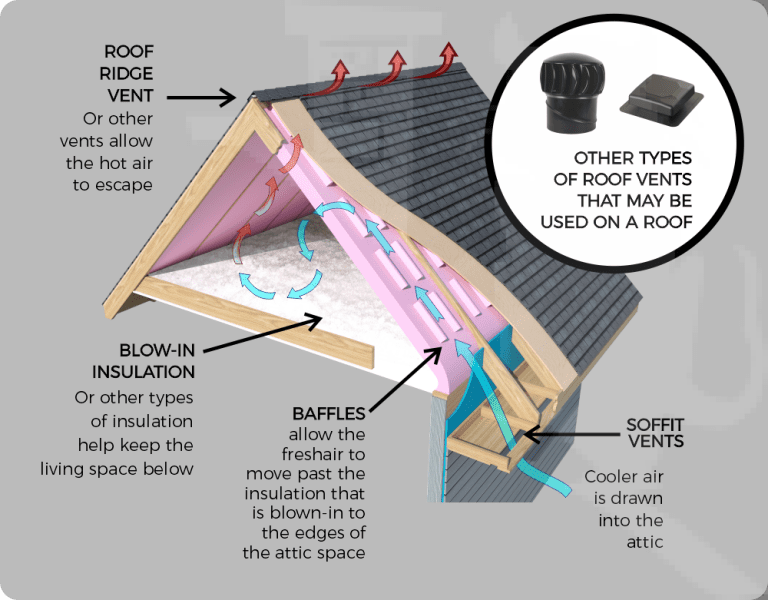
Are you sure your attic is getting the right amount of ventilation? Too little airflow can lead to moisture buildup, mold, and even damage to your roof.
On the other hand, too much ventilation can waste energy and let in unwanted pests. Finding the perfect balance is key to keeping your home safe and comfortable. You’ll discover exactly how much ventilation your attic needs and how to achieve it easily.
Keep reading to protect your home and avoid costly repairs down the road.
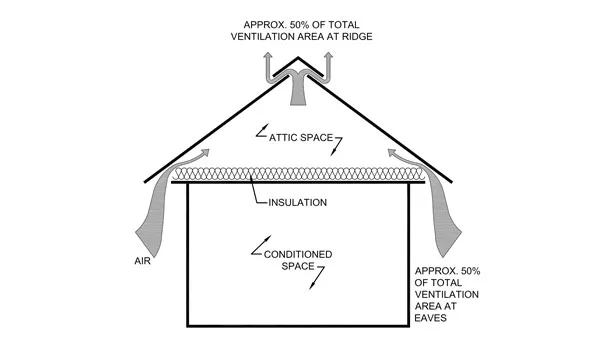
Credit: www.roofingcontractor.com
Importance Of Attic Ventilation
Proper attic ventilation is key for a healthy home environment. It helps keep the attic dry and cool. Good airflow prevents many common problems that damage the roof and house structure. Understanding why attic ventilation matters can save money and extend your roof’s life.
Preventing Moisture Buildup
Moisture collects in attics from daily activities and weather changes. Without ventilation, this moisture stays trapped. It causes mold, wood rot, and insulation damage. Proper ventilation lets moisture escape. This keeps the attic dry and safe from decay.
Reducing Heat Accumulation
Attics can get very hot in summer. Heat buildup raises indoor temperatures and increases cooling costs. Ventilation allows hot air to flow out. Cooler attics reduce strain on air conditioners. This helps keep your home comfortable and energy bills lower.
Extending Roof Lifespan
Heat and moisture damage roofing materials over time. Ventilation controls these factors. It prevents shingles from warping and cracking. Proper airflow protects the roof structure. This extends the roof’s durability and saves on costly repairs.
Factors Influencing Ventilation Needs
Understanding how much ventilation your attic needs isn’t a one-size-fits-all answer. Several key factors affect this requirement, making it essential to evaluate your specific attic setup carefully. Let’s break down the most important elements that influence attic ventilation so you can make better decisions for your home’s comfort and longevity.
Attic Size And Shape
The larger your attic, the more ventilation it will require to keep air flowing properly. A small attic might only need a few vents, while a sprawling space demands many more.
Shape also matters. If your attic has a complex design with multiple peaks or varying ceiling heights, air can get trapped in corners. This uneven airflow can cause hot spots and moisture buildup.
Ask yourself: Is my attic wide and open, or does it have tight spaces? This simple question helps you decide where to place vents and how many you need.
Climate And Weather Conditions
Your local climate plays a huge role in ventilation needs. In hot, humid areas, you’ll need more ventilation to prevent moisture and heat buildup that can damage roofing materials.
Colder climates require good ventilation too, but the goal shifts toward preventing ice dams and moisture condensation. Balancing intake and exhaust vents is key here.
Think about how much rain, snow, and sun your roof faces annually. These factors will guide how much ventilation your attic requires for year-round protection.
Roof Type And Insulation
The type of roof you have influences how air moves in your attic. Steep roofs tend to allow better airflow, while flat or low-slope roofs may trap heat and moisture.
Insulation quality directly impacts ventilation needs. If your insulation seals the attic tightly, you’ll need more ventilation to exchange stale air and control moisture.
Consider your roof material as well. Some materials retain more heat, increasing the ventilation demand to avoid premature wear and tear.
Recommended Ventilation Rates
Proper attic ventilation is crucial for maintaining your home’s energy efficiency and preventing moisture problems. Knowing the recommended ventilation rates helps you create a balanced system that works effectively. Let’s break down what experts suggest for keeping your attic fresh and dry.
Standard Ventilation Ratios
The most common guideline for attic ventilation is a ratio of 1:150, which means 1 square foot of ventilation for every 150 square feet of attic floor space. This ensures enough airflow to remove heat and moisture without causing drafts inside your home. Some building codes may allow a 1:300 ratio if a vapor barrier is installed, but sticking to 1:150 is safer for most homes.
Think about your attic size and how much air needs to flow through it. Are you providing enough vent openings to meet this standard, or could your attic be suffocating under trapped heat?
Calculating Ventilation Area
To determine how much ventilation area you need, measure your attic’s square footage first. Divide that number by the ventilation ratio (usually 150) to find the minimum net free area (NFA) required. For example, a 1,500-square-foot attic would need at least 10 square feet of ventilation (1,500 ÷ 150 = 10).
Keep in mind, the NFA refers to the open space in vents, not just the vent size. So if a vent’s screen or louvers block airflow, factor that reduction in. It’s better to have a little more ventilation than fall short—your attic will thank you.
Adjustments For Different Roof Styles
Not all roofs breathe the same. Hip roofs, cathedral ceilings, and vaulted attics may require different ventilation setups. For instance, a cathedral ceiling often needs continuous ridge and soffit vents because it lacks an attic floor for air to circulate under.
Roof pitch also affects airflow. Steeper roofs can handle more ventilation because warm air rises faster and escapes quicker. Are you considering these factors when planning your ventilation system, or using a one-size-fits-all approach?
Adding ventilation in the right spots tailored to your roof’s style ensures heat and moisture don’t get trapped. This helps avoid costly repairs like mold growth or roof damage down the line.
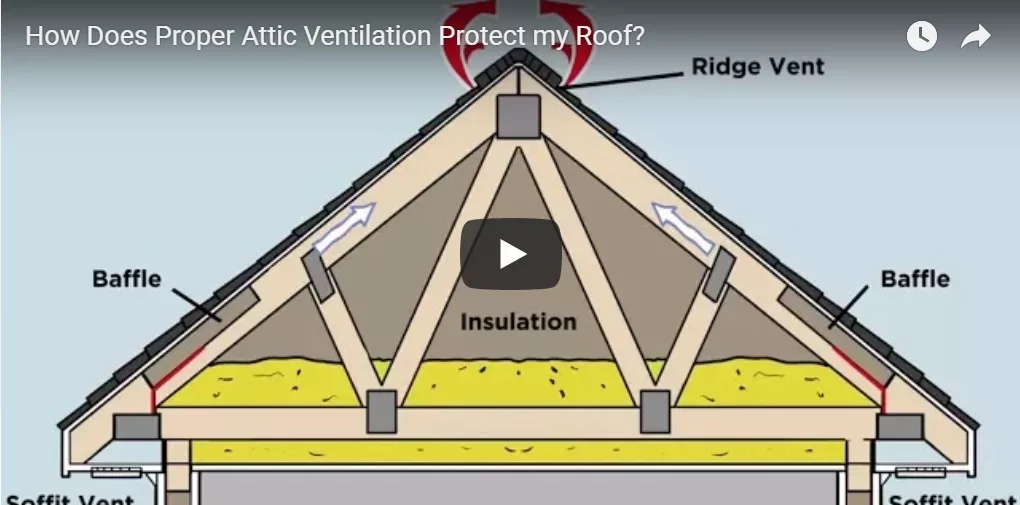
Credit: www.roofingcontractor.com
Types Of Attic Ventilation
Attic ventilation types include ridge vents, soffit vents, and gable vents, each helping air flow differently. Proper ventilation prevents moisture and heat buildup, protecting your home. Balancing intake and exhaust vents ensures the attic stays dry and cool.
Attic ventilation plays a crucial role in maintaining the overall health of your home. Without proper ventilation, your attic can become a breeding ground for moisture and heat, which can damage your roof and increase energy costs. Various types of attic ventilation systems can help keep your home comfortable and efficient. Understanding each type will empower you to make informed decisions about your attic’s needs.Soffit Vents
Soffit vents are typically installed under the eaves of your roof. They allow fresh air to enter the attic space, helping to regulate temperature and reduce moisture. These vents are essential for maintaining a balanced airflow, which prevents the buildup of heat and condensation. Have you ever noticed how a well-ventilated attic seems cooler even on the hottest summer days? That’s the power of soffit vents at work.Ridge Vents
Ridge vents are installed along the peak of the roof, allowing hot air to escape from the attic. They work best when paired with soffit vents, creating a continuous flow of air through the attic space. This system is effective in keeping the attic cool and dry, which can significantly extend the life of your roofing materials. Imagine having a natural air conditioner in your attic—ridge vents can provide just that.Gable Vents
Gable vents are found on the exterior walls of the attic, usually near the peak of the roof. They allow air to flow in and out, offering a simple yet effective ventilation solution. If your home has gable ends, these vents can provide an easy way to enhance air circulation. Have you ever walked into an attic and felt a breeze? Gable vents could be the reason.Powered Ventilators
Powered ventilators use electric or solar energy to actively move air out of the attic. These are especially beneficial in homes where passive ventilation isn’t enough to keep the space cool. While they require energy, the cost can be offset by the savings in cooling bills. If you’ve ever wondered how to tackle extreme attic temperatures, powered ventilators could be your answer. Understanding the types of attic ventilation can significantly improve your home’s comfort and efficiency. Which type do you think best suits your home?Signs Of Poor Ventilation
Poor attic ventilation can quietly damage your home and increase energy costs without you noticing right away. Spotting the signs early helps you fix issues before they become costly repairs. Keep an eye out for these key indicators of poor ventilation that might be hiding above your ceiling.
Excessive Heat In Attic
If your attic feels like an oven during summer, that’s a red flag. Excess heat means your vents aren’t allowing hot air to escape, forcing your air conditioner to work harder. Have you ever touched your attic floor and felt it scorching? That heat buildup can warp roof materials and raise your energy bills.
Moisture And Mold Issues
Condensation or damp spots in the attic are signs moisture is trapped inside. Poor ventilation prevents moisture from leaving, creating a perfect environment for mold growth. Mold not only damages wood and insulation but also affects your family’s health. You might notice a musty smell or see black spots on rafters or insulation.
Ice Dams In Winter
Ice dams form when warm air from the attic melts snow on your roof, which then refreezes at the eaves. This happens when ventilation is inadequate, causing uneven roof temperatures. Ice dams can lead to water leaks inside your home and damage shingles. Have you checked your gutters for trapped ice after a winter storm?
Improving Attic Ventilation
Improving attic ventilation is essential for maintaining a healthy home environment and protecting your roof structure. Without proper airflow, heat and moisture can build up, leading to damage and higher energy bills. You have the power to enhance your attic’s ventilation by making smart upgrades and ensuring everything works in balance.
Adding Or Upgrading Vents
Start by checking the type and number of vents in your attic. Adding more vents or replacing old, clogged ones can drastically improve airflow. Consider installing ridge vents, soffit vents, or gable vents depending on your attic’s design.
I once helped a friend who added soffit vents to her attic, and she noticed a significant drop in her cooling costs that summer. Small changes like these can make a big difference.
Balancing Intake And Exhaust
Proper attic ventilation needs a balance between intake vents (usually at the eaves or soffits) and exhaust vents (near the roof peak). If you only have exhaust vents, fresh air can’t enter efficiently, reducing airflow.
Ask yourself if the air can flow freely from the intake to the exhaust. You can test this by feeling for airflow or using an infrared thermometer to detect hot spots. Balancing these vents keeps your attic cool and dry.
Professional Inspection And Maintenance
Even if you upgrade vents, regular inspections ensure your ventilation system works well. A professional can spot blockages, damage, or ventilation gaps you might miss.
Scheduling annual attic inspections helps you catch problems early. Have you checked your attic recently, or is it time to call an expert?

Credit: shumakerroofing.com
Frequently Asked Questions
How Much Ventilation Does An Attic Need?
An attic needs about 1 square foot of ventilation per 150 square feet of attic floor space. This balance helps prevent moisture buildup and reduces heat, protecting your roof and insulation.
Why Is Attic Ventilation Important?
Proper attic ventilation controls temperature and moisture. It prevents mold, wood rot, and ice dams, extending your roof’s life and improving energy efficiency.
What Are The Signs Of Poor Attic Ventilation?
Look for mold growth, musty smells, high energy bills, and ice dams on the roof. These indicate inadequate airflow in your attic.
How Do You Calculate Attic Ventilation Requirements?
Measure your attic floor area and divide by 150 to find ventilation needs in square feet. Ensure an equal balance of intake and exhaust vents.
Conclusion
Proper attic ventilation keeps your home safe and comfortable. It helps control temperature and moisture. This prevents roof damage and mold growth. Aim for balanced intake and exhaust vents. Good airflow saves energy and extends roof life. Check your attic vents regularly for blockages.
Small changes can make a big difference. Keep your attic well-ventilated to protect your home and reduce costs. Simple steps lead to lasting benefits.



