
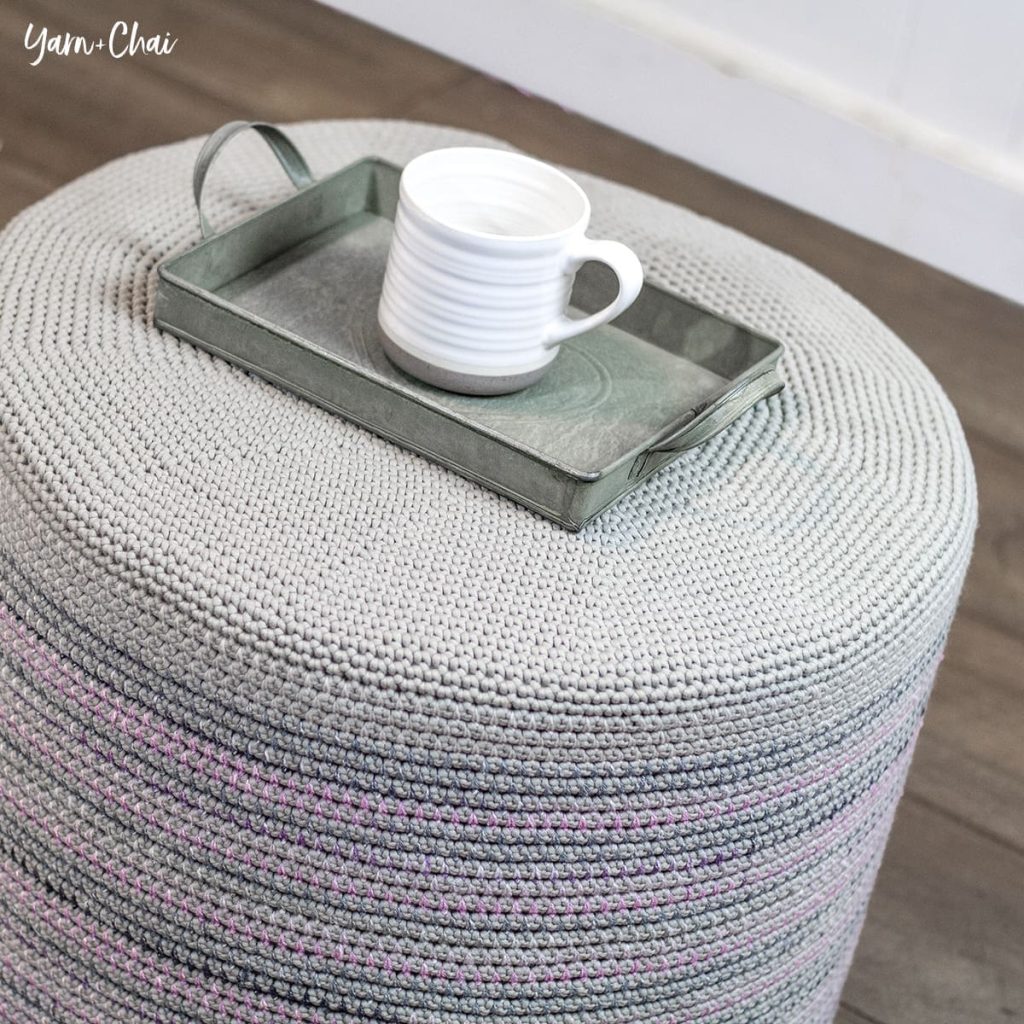
Are you ready to create a cozy floor pouf but unsure how much yarn you’ll need? Getting the right amount of yarn is key to finishing your project without interruptions or extra trips to the store.
Imagine starting your pouf and suddenly running out of yarn halfway through—frustrating, right? You’ll discover exactly how much yarn to buy for your floor pouf, saving you time, money, and stress. Keep reading to make your crafting smooth and enjoyable from start to finish.
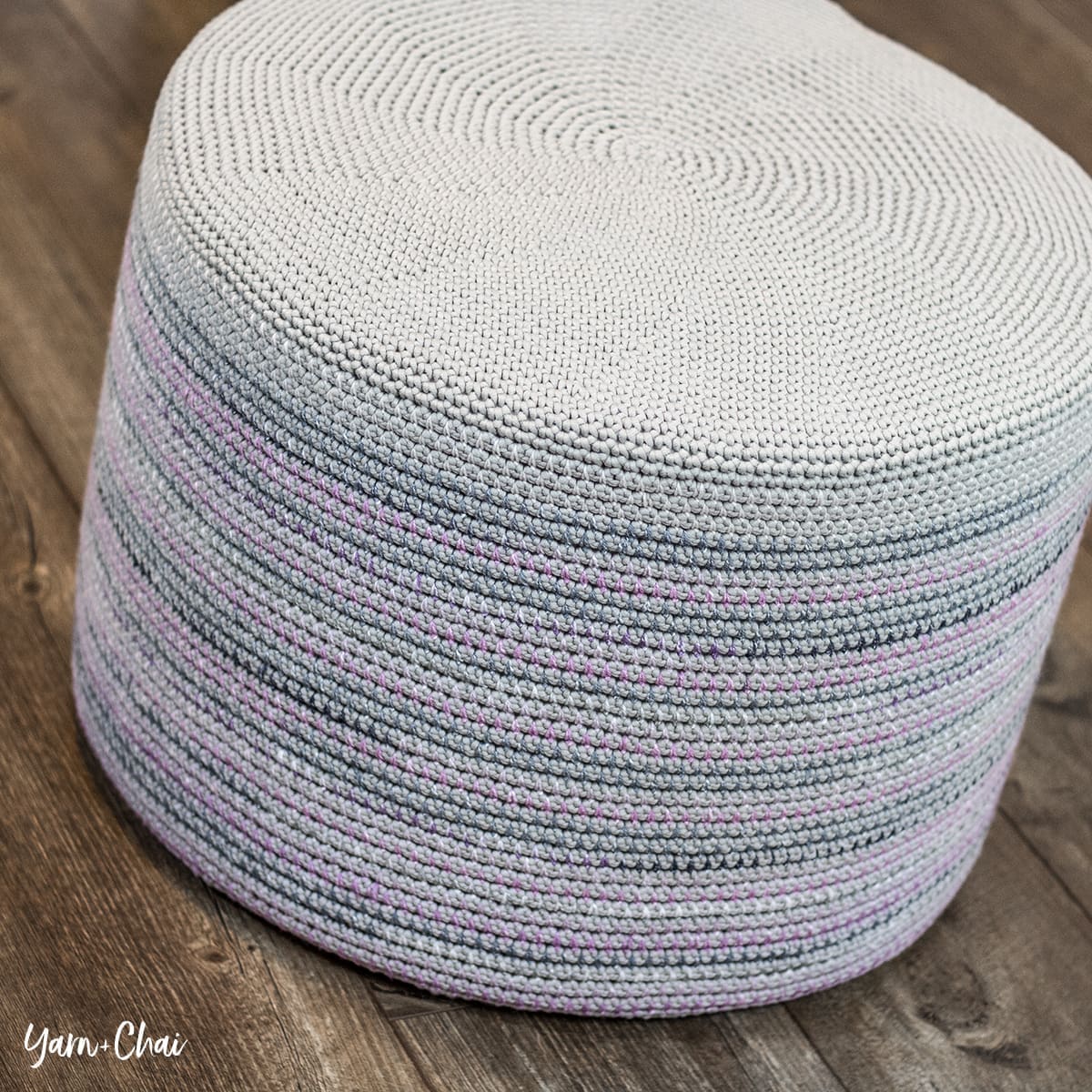
Credit: yarnandchai.com
Choosing The Right Pouf Size
Choosing the right size for your floor pouf is key to both comfort and style. The size affects how the pouf fits in your room and matches other furniture pieces. Picking the correct dimensions ensures the pouf complements your space without overcrowding it. Consider your room size and furniture layout before deciding.
Common Pouf Dimensions
Floor poufs come in various sizes to fit different needs. Most poufs range from 16 to 24 inches in diameter. Height usually stays between 12 and 18 inches. Smaller poufs work well as footrests, while larger ones can serve as extra seating or side tables.
Considering Room Space
Measure your room area before choosing a pouf size. Leave enough space for movement around the pouf. A bulky pouf in a small room can feel cramped and cluttered. Aim for balance: the pouf should add comfort without blocking pathways.
Matching Pouf To Furniture
Match the pouf size to nearby furniture for a cohesive look. Pair smaller poufs with compact chairs or sofas. Larger poufs fit well next to bigger couches or in open areas. Consider height too; the pouf should be close to the height of your furniture for ease of use.
Types Of Yarn For Poufs
Choosing the right yarn is key for making a floor pouf. The yarn type affects look, feel, and how long it lasts. Different yarns suit different styles and uses. Understanding yarn types helps pick the best one for your pouf project.
Material Options
Yarn comes from many materials. Cotton yarn is soft and easy to clean. Wool yarn feels warm and thick. Acrylic yarn is affordable and comes in many colors. Jute yarn offers a natural, rustic look. Blended yarns mix materials for better strength or softness.
Each material changes the pouf’s texture and durability. Natural fibers often feel nicer but need more care. Synthetic fibers are strong and resist stains. Choose yarn material based on where the pouf will be used.
Yarn Thickness And Texture
Thicker yarns create chunky, sturdy poufs. Thin yarns make delicate, lighter designs. Texture varies from smooth to fuzzy or rough. Smooth yarn slides easily, good for tight stitches. Fuzzy yarn adds fluff and softness but may shed.
Texture affects the pouf’s look and comfort. Consider yarn thickness to match your crochet or knitting style. Bulky yarns need fewer stitches, saving time. Thin yarns give detailed patterns but take longer.
Durability Factors
Floor poufs need yarn that lasts through use. Look for yarn that resists wear and tear. Acrylic and nylon yarns handle heavy use well. Wool can be durable but may felt or pill over time. Cotton is strong but can stretch.
Check if the yarn is machine washable for easy care. Strong, durable yarn keeps the pouf looking good longer. Durability also depends on the yarn twist and ply. Tightly twisted yarns hold shape better.
Calculating Yarn Amount
Creating a floor pouf is a fun and rewarding project. Knowing how much yarn you need is crucial. This ensures you have enough supplies and avoid interruptions. Let’s break down the essentials for calculating yarn amount.
Measuring Pouf Circumference
First, decide on the size of your pouf. Measure the circumference with a measuring tape. Wrap it around the widest part of your pouf design. Note this number. It helps estimate the yarn needed for covering the surface.
Yarn Weight And Yardage
Yarn comes in different weights and yardages. Choose the right weight for your pouf’s texture and durability. Check the yarn label for yardage information. Multiply the circumference by desired height for total surface area. Use this to calculate how much yardage you’ll need.
Adjusting For Stitch Patterns
Stitch patterns can affect yarn usage. Complex patterns often require more yarn. Simple stitches might use less. Plan your pattern before buying yarn. Consider swatching a small piece to gauge yarn usage. Adjust your estimate based on your findings.
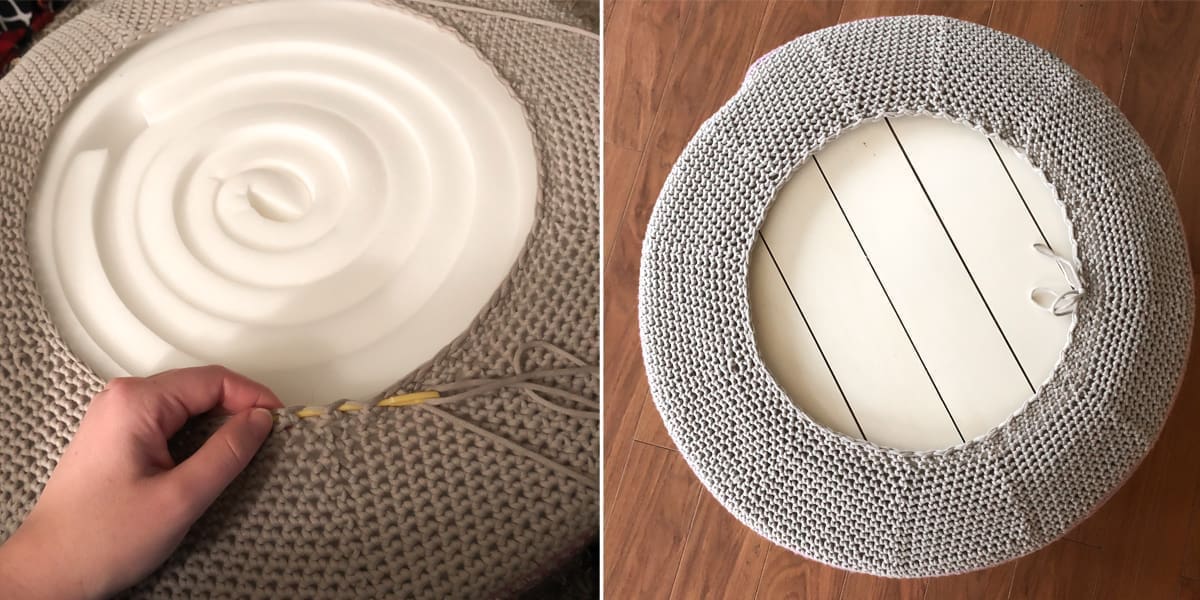
Credit: yarnandchai.com
Patterns And Their Impact
Choosing a pattern for your floor pouf influences how much yarn you need. Different designs use yarn in different amounts. Simple patterns often use less yarn, while complex ones require more. Understanding this helps plan your project better and avoid running out of yarn.
Simple Vs Complex Designs
Simple designs use basic stitches like single crochet or half double crochet. These stitches create a tight, uniform fabric. They use yarn efficiently and work up quickly.
Complex designs include cables, bobbles, or lace patterns. These stitches create texture and detail. They take more yarn because of extra loops and layers.
Effect On Yarn Usage
Simple patterns use less yarn because they have fewer stitches per inch. The fabric is flat and dense. Complex patterns add bulk and height to the fabric. This means more yarn is needed to cover the same area.
Patterns with open spaces, like lace, may use less yarn but can affect the pouf’s firmness. Textured patterns need more yarn but give a cushy feel.
Sample Yarn Estimates
| Pattern Type | Estimated Yarn Needed |
|---|---|
| Simple (single crochet) | 600-800 grams |
| Textured (cables or bobbles) | 900-1200 grams |
| Lace or openwork | 500-700 grams |
Tips For Yarn Management
Managing yarn efficiently can make your floor pouf project smoother and more enjoyable. It helps you avoid running out midway and keeps your workspace tidy. Here are some practical tips to handle your yarn smartly.
Buying Extra Yarn
Always buy a little more yarn than your pattern suggests. A 10-15% extra amount gives you a safety net if your tension changes or you decide to make the pouf bigger. Remember, dye lots can vary, so extra yarn ensures color consistency if you need more later.
Have you ever run out of yarn just before finishing a project? Buying extra upfront prevents that frustrating pause. It’s better to have leftovers than to hunt for the same shade again.
Storing Leftover Yarn
Store leftover yarn in clear, sealable bags or containers to protect it from dust and moisture. Label each with the yarn type, color, and dye lot for future use. This practice saves time and helps you quickly find what you need for your next project.
Try organizing yarn by weight or color to keep your stash accessible. You’ll find it easier to mix and match yarns when your collection is neatly stored.
Avoiding Yarn Waste
Plan your project layout before you start to minimize scraps. Use leftover yarn for small projects like coasters or stitch markers instead of letting it sit unused. Cutting yarn only when needed helps prevent waste.
Do you save your yarn tails? They can be perfect for weaving in ends neatly or adding decorative touches. Thinking ahead about how to use every bit keeps your projects eco-friendly and budget-friendly too.
Troubleshooting Yarn Shortages
Running low on yarn while working on your floor pouf can be frustrating. It throws off your project timeline and can even affect the final look. Knowing how to troubleshoot yarn shortages helps you keep your project on track without unnecessary stress.
Stretching Yarn Usage
One way to manage yarn shortages is by stretching your yarn usage. You can switch to a looser stitch pattern that uses less yarn per row. For example, using larger crochet hooks or knitting needles creates bigger stitches, saving yarn without sacrificing size.
Another tip is to reduce the pouf’s height slightly while keeping the diameter the same. This adjustment uses less yarn but still gives you a comfortable pouf. Have you ever tried swapping dense stitches for airy ones to save yarn? It’s a simple tweak that can make a big difference.
Substituting Yarn Types
If your yarn runs out, consider substituting with a different but similar yarn. Look for yarn with the same weight and fiber content to maintain the pouf’s texture and durability. Mixing yarns with close color tones can also create a unique, stylish effect.
Keep in mind that different yarn brands may have slight variations in thickness and stretch. Test a small swatch before fully switching to ensure your gauge matches. Have you noticed how a small change in yarn type can alter the feel of your project?
When To Buy More Yarn
Sometimes, buying more yarn is the best option to avoid compromising your pouf’s quality. If you’re far from finishing or your yarn substitution changes the look too much, purchase the exact yarn used initially. Check the label for dye lot numbers to ensure color consistency.
It’s a good idea to buy extra yarn upfront for large projects like floor poufs to prevent shortages. But if you didn’t, don’t hesitate to get more as soon as you notice you’re running low. Would you rather pause the project briefly or risk ending with a mismatched pouf?
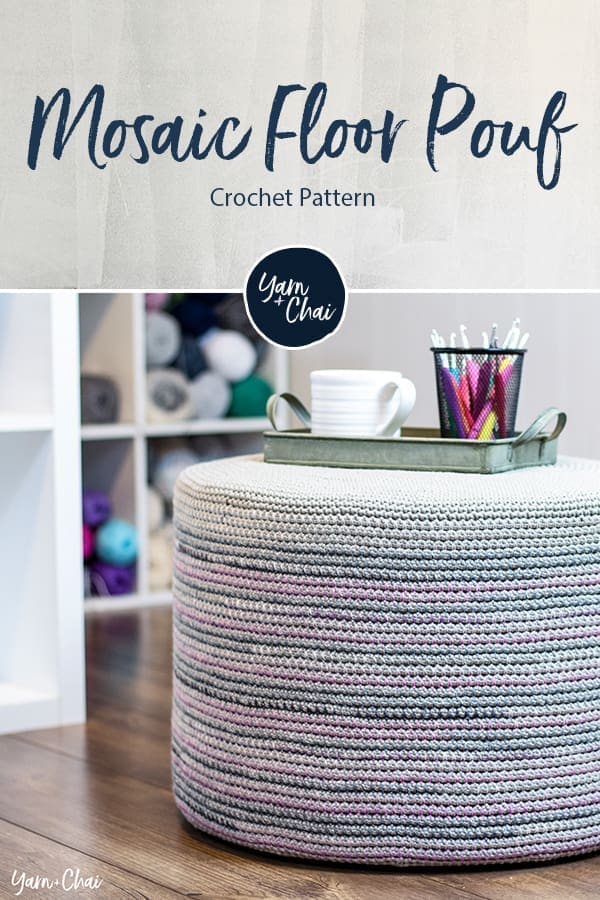
Credit: yarnandchai.com
Frequently Asked Questions
How Much Yarn Do I Need For A 20-inch Floor Pouf?
For a 20-inch floor pouf, you’ll typically need about 400 to 500 yards of bulky yarn. This amount ensures full coverage with enough yarn left for finishing touches and seams.
What Yarn Weight Is Best For A Floor Pouf?
Bulky or super bulky yarn weights are best for floor poufs. They provide durability, structure, and a cozy texture, making the pouf sturdy and comfortable.
How To Calculate Yarn Needed For Different Pouf Sizes?
Measure the pouf’s circumference and height, then use yarn yardage per square inch for your chosen stitch. Multiply to estimate total yarn needed accurately.
Can I Use Cotton Yarn For Making A Floor Pouf?
Yes, cotton yarn can be used for floor poufs. It is durable, easy to clean, and offers a firm structure, ideal for home décor items.
Conclusion
Choosing the right amount of yarn makes your floor pouf project easier. Measure carefully and check the pattern before buying yarn. Different sizes need different yarn amounts. Stick to the suggested yarn weight for the best look. This helps avoid running out or having too much leftover.
Take your time and enjoy making your cozy floor pouf. It will add charm and comfort to any room. Happy crafting!



