
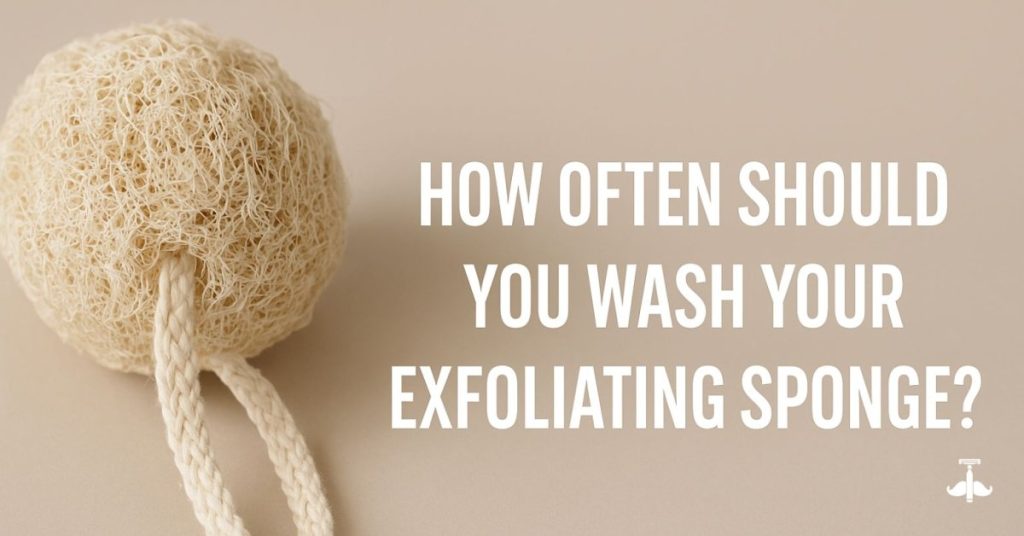
Have you ever stopped to think about how often you replace your mesh shower pouf? It’s something you use every day, but it can quietly collect bacteria and grime over time.
If you want to keep your skin fresh and healthy, knowing the right time to swap out your pouf is key. You’ll discover simple signs to watch for and easy tips to make sure your shower routine stays clean and safe.
Keep reading—you’ll be surprised how a small change can make a big difference for your skin.
Lifespan Of A Mesh Shower Pouf
Understanding the lifespan of your mesh shower pouf is key to keeping your skin clean and healthy. These little bath accessories are great for exfoliating and lathering soap, but they don’t last forever. Knowing when to replace them can prevent bacteria buildup and maintain their effectiveness.
Typical Replacement Timeline
Most experts recommend changing your mesh shower pouf every 3 to 4 weeks. This timeline balances cleanliness with practicality, as moisture and soap residue can cause bacteria and mold to grow quickly.
If you shower daily, sticking to a monthly replacement schedule ensures your pouf stays fresh. However, if you shower less often, you might stretch this timeline a bit, but never beyond 6 weeks. Think of it as a small routine step to protect your skin and health.
Signs It’s Time To Replace
Pay attention to how your pouf looks and smells. If it starts to develop an unpleasant odor, it’s a clear sign bacteria have taken hold.
Also, check for discoloration or fraying edges. When the material begins to break down, it won’t clean your skin as effectively. You might notice less foam or your skin feeling less smooth after use.
Have you ever kept a pouf too long and noticed irritation? That’s your skin telling you it’s time for a new one. Don’t ignore these signals—they help you avoid potential skin issues.
Factors Affecting Durability
Several factors influence how long a mesh shower pouf lasts. Understanding these can help you decide when to replace it. The durability depends on usage, environment, and the materials used. Each aspect plays a key role in keeping the pouf clean and effective.
Frequency Of Use
The more often you use your shower pouf, the faster it wears out. Daily use leads to quicker fraying and loss of texture. Occasional use can extend its life, as the material gets less stress. Regular cleaning after each use also helps maintain its durability.
Moisture And Drying Conditions
Keeping the pouf dry between uses prevents mold and bacteria growth. Constant moisture weakens the mesh fibers over time. Hanging the pouf in a well-ventilated area speeds up drying. Avoid leaving it in a damp shower corner to prolong its lifespan.
Quality Of Materials
High-quality mesh poufs last longer than cheaper ones. Durable fibers resist tearing and hold shape better. Some poufs use thicker mesh that dries faster and stays fresh. Investing in better materials can save money and reduce waste in the long run.
Health Risks Of Old Shower Poufs
Old shower poufs can hold bacteria and mold, which may cause skin irritation or infections. Replacing them every 3 to 4 weeks helps keep your skin healthy and your shower pouf clean.
Old shower poufs might seem harmless hanging in your bathroom, but they can pose significant health risks. It’s easy to ignore replacing them, especially when they still appear intact. However, these seemingly innocuous items can become breeding grounds for bacteria, mold, and other harmful substances over time.Bacterial Growth
Your shower pouf is a perfect environment for bacteria. They thrive in warm, moist places. After all, the humidity and warmth of your bathroom provide an ideal setting. When you scrub your skin with an old pouf, you could be spreading bacteria instead of cleaning. Ever noticed a strange odor coming from your shower pouf? That might be bacteria making themselves at home.Mold And Mildew Issues
The dampness of a shower pouf makes it a magnet for mold and mildew. These fungi can spread quickly, especially if the pouf doesn’t dry out completely between uses. Have you ever seen black or green spots on your pouf? That’s likely mold or mildew, which can trigger allergies or respiratory issues. Consider how often your pouf sits wet and think about the potential health risks.Skin Irritation Concerns
Using an old shower pouf can lead to skin irritation. As it collects bacteria and mold, these irritants can transfer to your skin during use. If you’ve ever experienced unexplained skin rashes or itching, your pouf might be the culprit. You deserve a refreshing shower experience, not one that leaves your skin feeling worse than before. When was the last time you changed your shower pouf? Given these health risks, it might be time to make a switch. Your skin will thank you for it!
Credit: www.amazon.ca
Tips To Extend Pouf Lifespan
Extending the life of your mesh shower pouf not only saves money but also keeps your skin healthier by reducing bacteria buildup. Taking simple steps to clean and store your pouf properly can make a big difference. Let’s look at some practical tips that help you get the most out of your shower pouf.
Proper Cleaning Methods
Rinsing your pouf thoroughly after every use removes soap residue and dead skin cells that cause it to break down faster. Every week, soak your pouf in a mixture of warm water and white vinegar or baking soda for about 10 minutes to kill bacteria.
After soaking, squeeze it gently to remove excess water but avoid twisting or wringing, as that can damage the mesh. Regular cleaning prevents unpleasant odors and keeps the material intact longer.
Drying And Storage Advice
Moisture is the enemy of your mesh pouf’s lifespan. After each use, hang it in a well-ventilated spot where air can circulate freely. Avoid leaving it in a damp shower corner or closed containers where mold and mildew thrive.
Consider using a hook or a suction cup to let your pouf dry completely between uses. If it ever feels slimy or develops a bad smell, it’s a clear sign it’s time to replace it, no matter how well you’ve cared for it.
Alternatives To Mesh Shower Poufs
Mesh shower poufs are popular but not the only choice for your daily scrub. Some alternatives offer unique benefits like better hygiene or gentle exfoliation. These options often last longer and need less frequent replacement. Choosing the right one depends on your skin type and personal preference.
Natural Sponges
Natural sponges come from the ocean and feel soft on your skin. They absorb water well and create a rich lather with soap. These sponges are biodegradable and gentle, making them eco-friendly. They dry quickly, reducing the chance of bacteria growth. Replace them every few weeks to keep your skin safe.
Silicone Scrubbers
Silicone scrubbers are durable and easy to clean. Their smooth surface stops bacteria from hiding inside. They do not wear out quickly and dry fast. Silicone scrubbers provide a gentle massage and work well for all skin types. Wash and air dry after each use to maintain freshness.
Washcloths
Washcloths are simple and affordable options for cleansing. They come in many fabrics like cotton or microfiber. Washcloths can be reused many times after washing. They offer gentle exfoliation and fit well in your hand. Replace them every week or two for best hygiene.
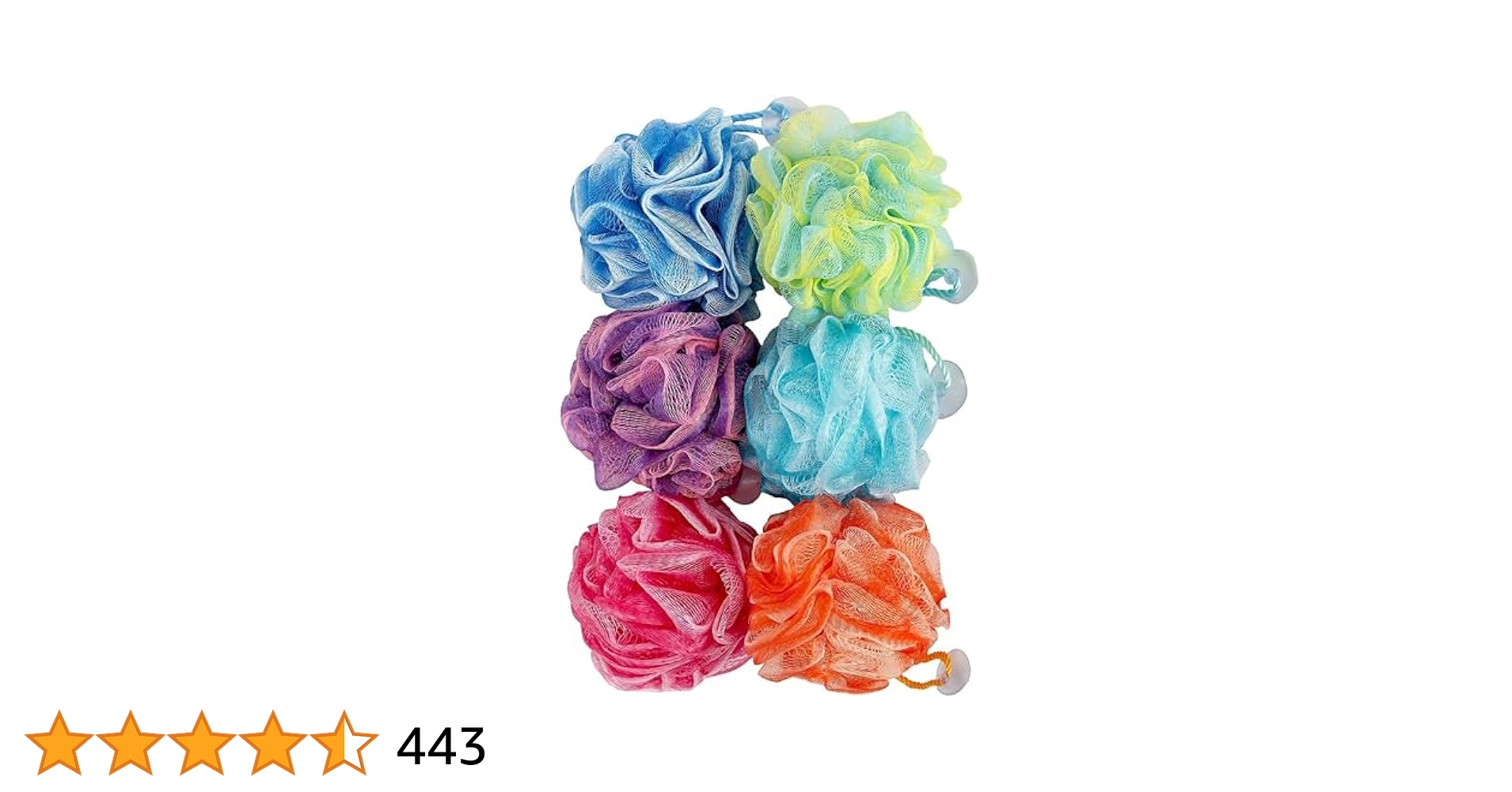
Credit: www.amazon.ca

Credit: www.amazon.com
Frequently Asked Questions
How Often Should You Replace A Mesh Shower Pouf?
Replace your mesh shower pouf every 3 to 4 weeks. This prevents bacteria buildup and keeps your skin healthy. Frequent replacement ensures better hygiene and prolongs the pouf’s effectiveness.
Can A Mesh Shower Pouf Be Cleaned Instead Of Replaced?
Yes, you can clean it weekly with hot water and mild soap. However, cleaning doesn’t remove all bacteria, so regular replacement remains essential for hygiene.
What Signs Indicate It’s Time To Replace A Pouf?
Look for discoloration, unpleasant odor, or fraying. These signs mean bacteria and mold may be growing. Replace immediately to avoid skin irritation or infections.
Does Replacing A Shower Pouf Improve Skin Health?
Yes, using a fresh pouf reduces bacteria exposure and prevents clogged pores. This helps maintain clear, healthy skin and reduces the risk of irritation or acne.
Conclusion
Replacing your mesh shower pouf regularly keeps it clean and safe. Aim to change it every three to four weeks. This helps stop bacteria and mold buildup. A fresh pouf also feels softer on your skin. Don’t wait until it smells bad or looks worn out.
Small habits like this improve your shower experience. Clean tools lead to healthier skin. Keep your shower pouf fresh, and enjoy a better daily routine. Simple steps make a big difference.



