

Have you ever stopped to think about how often you replace your shower pouf? That soft, bubbly scrubber you use daily might be hiding more than just soap.
If you’re like most people, you probably don’t give it much thought—but your skin and health could depend on it. You’ll discover the simple signs that tell you when it’s time to toss your shower pouf and why waiting too long can cause problems you never expected.
Keep reading to make sure your shower routine stays fresh and safe.
Signs Your Shower Pouf Needs Replacing
Knowing when to replace your shower pouf is key to maintaining good hygiene and an enjoyable shower experience. A worn-out pouf can harbor bacteria and lose its effectiveness, making it less than ideal for your skin. Watch for clear signs that your pouf isn’t doing its job anymore and it’s time for a fresh one.
Visible Wear And Tear
Check your shower pouf closely for any visible damage. Frayed edges, holes, or thinning mesh mean it’s breaking down and won’t clean your skin properly. If your pouf looks ragged or falling apart, don’t hesitate—replace it right away to avoid skin irritation.
Unpleasant Odor
Does your shower pouf smell bad even after rinsing and drying? A persistent musty or sour odor signals bacterial or mold growth inside. This isn’t just unpleasant; it can cause skin problems. If you notice any funky smell, toss the pouf and grab a new one.
Loss Of Texture
Your shower pouf should feel soft yet slightly rough to exfoliate effectively. If it has become slimy, mushy, or overly soft, it has lost its texture and won’t clean well. This change means it’s time to say goodbye and replace it with a fresh pouf that can give your skin the care it deserves.
Health Risks Of Old Shower Poufs
Using a shower pouf might seem harmless, but keeping the same one for too long can pose real health risks. These little bath accessories trap moisture and skin cells, creating the perfect environment for germs to multiply. Understanding these risks can help you decide when it’s time to toss out your old pouf and avoid problems before they start.
Bacterial Growth
Shower poufs stay wet for long periods, which encourages bacteria to grow rapidly. Harmful bacteria like Staphylococcus and E. coli can thrive on your pouf, increasing your chances of infections. Have you ever noticed a strange smell or slimy feel on your pouf? That’s often a sign bacteria are multiplying.
Fungal Infections
Fungi love damp places, and an old shower pouf is an ideal breeding ground. Using a pouf contaminated with fungi can lead to skin infections like athlete’s foot or ringworm. If you’ve experienced persistent itching or redness after showering, your pouf might be the culprit.
Skin Irritations
Old poufs can cause skin irritation due to trapped dirt, dead skin cells, and bacteria. This can lead to redness, rashes, or even worsened acne. If your skin feels more sensitive or inflamed after using your pouf, it’s a clear sign that it’s time for a replacement.
Recommended Replacement Frequency
Shower poufs should be replaced every 3 to 4 weeks to avoid bacteria buildup. Frequent replacement keeps your skin clean and healthy. Regularly swapping your pouf prevents bad odors and skin irritation.
Replacing your shower pouf regularly is essential to maintain good hygiene and maximize your bathing experience. Over time, these bath accessories accumulate dead skin cells, bacteria, and mold, which can lead to skin irritations. Understanding the recommended replacement frequency can help you keep your shower routine fresh and clean.General Guidelines
As a general rule, it’s wise to replace your shower pouf every two to three months. This timeframe ensures that the build-up of bacteria and mold is kept at bay. If you notice any signs of wear, tear, or unpleasant odors, consider replacing it sooner.Factors Affecting Replacement Timing
Several factors can influence how often you should replace your shower pouf: – Frequency of Use: If you shower daily or even multiple times a day, the pouf will wear out faster, necessitating more frequent replacements. – Humidity Levels: A humid bathroom can accelerate the growth of mold and bacteria on your pouf. If your bathroom has poor ventilation, consider replacing the pouf more often. – Material Quality: Higher-quality poufs made from durable materials may last longer. However, they still require regular replacement to ensure hygiene. Consider this: When was the last time you changed your pouf? Many people forget this small but crucial task. Ensuring that you replace it regularly can significantly improve your shower experience.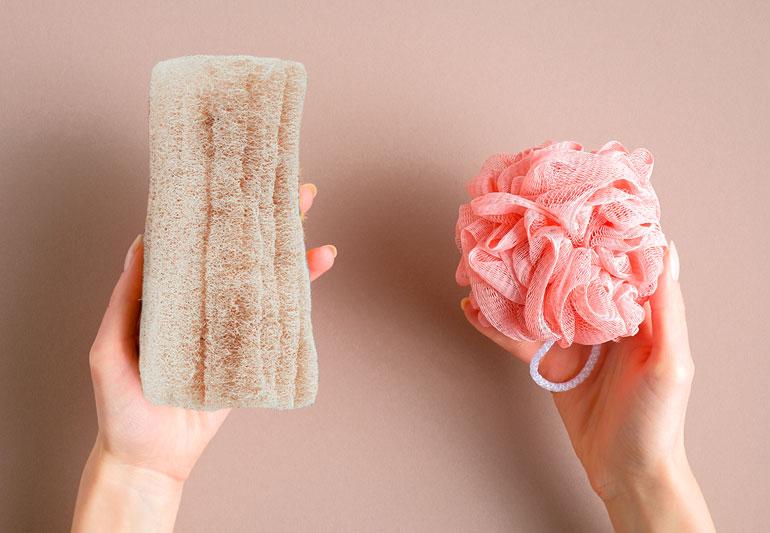
Credit: health.clevelandclinic.org
Tips To Extend Shower Pouf Life
Extending the life of a shower pouf saves money and keeps your skin healthy. Proper care stops bacteria and mold growth. Follow simple tips to keep your pouf fresh and clean longer.
Proper Cleaning Techniques
Rinse your shower pouf thoroughly after each use. Remove all soap and dirt from inside the mesh. Soak the pouf in warm water mixed with vinegar or baking soda once a week. This kills germs and removes buildup.
- Use mild soap to wash the pouf gently.
- Do not use harsh chemicals that can break down the material.
- Rinse well to avoid leftover soap.
Drying And Storage Advice
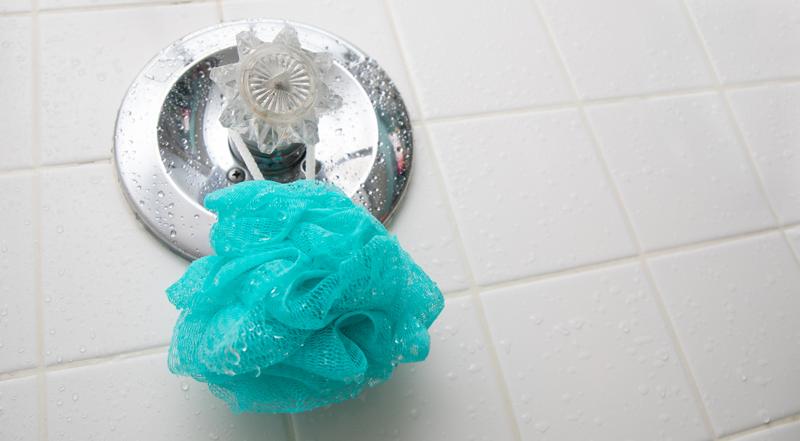
Dry your shower pouf completely after every use. Hang it in a well-ventilated area away from direct sunlight. Avoid leaving it in a damp shower corner. This prevents mold and unpleasant smells.
- Use a hook or a suction cup to hang the pouf.
- Replace the pouf if it stays wet for too long.
- Keep it separate from towels and other bathroom items.
Best Alternatives To Shower Poufs
If you’re reconsidering how often to replace your shower pouf, it might be time to explore some alternatives. Shower poufs can harbor bacteria and wear out quickly, prompting many to seek options that last longer or feel better on the skin. Here are some practical and refreshing choices that might suit your daily routine better.
Natural Sponges
Natural sponges offer a gentle yet effective way to cleanse your skin. They come from the sea and are biodegradable, making them an eco-friendly choice. You’ll notice they hold soap well and provide a soft exfoliation without irritating your skin.
Be sure to rinse them thoroughly after each use and let them dry completely to prevent mold buildup. Replacing them every few months keeps your shower routine hygienic and fresh.
Washcloths
Washcloths are a classic alternative that many overlook. They’re easy to clean, as you can toss them in the laundry regularly, ensuring you always have a fresh one ready. Plus, you can control the texture and pressure, making it ideal for sensitive or rough skin.
Using a washcloth also reduces waste, since you don’t need to replace it as often as a pouf. Have you tried switching to washcloths and noticed a difference in your skin’s softness?
Silicone Scrubbers
Silicone scrubbers are becoming popular for their durability and hygiene. Unlike poufs, silicone doesn’t trap moisture or bacteria easily, which means less risk of unpleasant odors or infections. They’re also simple to clean—just rinse and occasionally sanitize with boiling water.
These scrubbers provide a different sensation, often feeling firmer and more stimulating. If you want a tool that lasts months without losing shape, silicone scrubbers could be your go-to.
Credit: health.clevelandclinic.org
Credit: rawsugarliving.com
Frequently Asked Questions
How Often Should I Replace My Shower Pouf?
Replace your shower pouf every 3 to 4 weeks. This prevents bacteria buildup and keeps your skin healthy. Frequent replacement ensures better hygiene and avoids unpleasant odors.
Can I Clean A Shower Pouf Instead Of Replacing It?
You can rinse and dry your pouf regularly, but cleaning won’t remove all bacteria. Replacement is best for optimal hygiene. Cleaning extends use slightly but isn’t a substitute for regular replacement.
What Happens If I Don’t Replace My Shower Pouf Often?
Not replacing your pouf leads to bacteria and mold growth. This can cause skin irritation and infections. Frequent replacement keeps your shower routine safe and clean.
Does Shower Pouf Material Affect Replacement Frequency?
Yes, natural fiber poufs may last shorter than synthetic ones. However, both should be replaced every 3 to 4 weeks for hygiene. Material impacts durability but not replacement guidelines.
Conclusion
Replacing your shower pouf regularly keeps your skin healthy and clean. Old poufs can hold bacteria and cause irritation. Aim to change it every 3 to 4 weeks. Dry your pouf well after each use to help it last longer.
This small habit makes a big difference in your daily routine. Stay fresh and avoid skin problems with a simple replacement schedule. Clean tools, happy skin.



