
Are you looking to bring your favorite photos to life on a canvas? Adding a photo on canvas is a simple way to transform your memories into stunning wall art that brightens any room.
Whether you want to decorate your home, create a unique gift, or showcase your creativity, this guide will walk you through every step. By the end, you’ll know exactly how to turn your pictures into beautiful canvas prints that grab attention and spark conversations.
Ready to get started? Let’s dive in!
Choosing The Right Photo
Choosing a clear, high-quality photo ensures your canvas looks sharp and vibrant. Select images with good lighting and simple backgrounds for the best results. Consider the size and resolution to avoid blurry prints on the canvas.
Choosing the right photo is crucial for your canvas art. A well-chosen image enhances your space and captures your style. Here, we discuss key aspects to consider.Selecting High-quality Images
Choose images with clear details. Blurry pictures lose appeal on canvas. Natural lighting enhances colors and contrasts. Opt for images taken in daylight. Ensure the image isn’t pixelated by checking on a larger screen.Considering Image Resolution
Resolution impacts the final canvas quality. Use images with a minimum of 300 DPI. Higher resolution ensures sharpness and detail retention. Avoid images from social media, as they often have low resolution.Picking The Perfect Subject
Choose subjects that resonate with you. Personal photos evoke memories and emotions. Landscapes add tranquility to your space. Abstract art creates intrigue and conversation. Choose a subject that complements your room’s theme.Preparing Your Photo
Preparing your photo before adding it to a canvas is essential for achieving a stunning final product. Taking time to refine your image ensures it looks sharp, vibrant, and perfectly sized. This preparation can transform a good photo into a captivating piece of art.
Editing For Best Results
Start by examining your photo closely. Remove any unwanted elements or distractions using simple editing tools.
Adjust brightness and sharpness to make details pop. Even slight tweaks can dramatically improve the overall quality.
Ask yourself: Does this photo represent the mood you want on the canvas? If not, keep refining until it does.
Cropping And Resizing
Cropping helps focus on the most important part of your image. Cut out unnecessary background or empty spaces that don’t add value.
Resizing is crucial to match the canvas dimensions without losing clarity. Oversized photos can appear blurry or pixelated when printed.
Try to maintain the original aspect ratio to avoid stretching or squishing your photo. This keeps your image natural and pleasing to the eye.
Enhancing Colors And Contrast
Vibrant colors catch attention and bring your photo to life on canvas. Increase saturation carefully so colors look vivid but not unnatural.
Boost contrast to add depth, making lighter areas brighter and shadows richer. This enhances texture and detail.
Have you noticed how a small contrast adjustment can change the entire feel of a photo? Experiment until it feels just right for your canvas.
Choosing Canvas Size And Style
Choosing the right canvas size and style shapes the final look of your photo on canvas. It affects how your image stands out on walls and complements your space. Understanding different sizes, materials, and frames helps you create a perfect display for your photo.
Standard Vs Custom Sizes
Standard canvas sizes offer convenience and cost savings. Common sizes include 8×10, 16×20, and 24×36 inches. These sizes fit well in typical frames and wall spaces.
Custom sizes allow complete control over the dimensions. Choose a unique size to fit specific wall areas or to highlight special photo details. Custom options may cost more but provide a perfect fit.
Types Of Canvas Materials
- Cotton Canvas:Soft texture with natural look. Ideal for bright, detailed photos.
- Linen Canvas:Strong and durable with fine texture. Great for high-end art prints.
- Polyester Canvas:Smooth surface and vibrant color hold. Works well for vivid images.
Each material impacts photo clarity and lifespan. Choose based on your desired finish and budget.
Frame Options And Finishes
Frames add style and protect your canvas. Common frame types include:
- Floating Frames:Create a gap between canvas and frame. Modern and sleek look.
- Gallery Wrap:Canvas stretched around wooden bars. No frame needed, clean edges.
- Traditional Frames:Classic wood or metal frames. Offer a formal, polished appearance.
Frame finishes range from matte to glossy. Select finishes that enhance the photo colors and match your decor.

Credit: at.csudh.edu
Printing Your Photo On Canvas
Printing your photo on canvas transforms a simple image into a lasting piece of art. This process requires careful choices to ensure your final canvas looks stunning and captures the essence of your photo. Knowing how to pick the right service, understand printing methods, and review proofs will save you time and disappointment.
Selecting A Printing Service
Choosing the right printing service is crucial. Look for companies with strong reviews and a portfolio that matches your style. Some specialize in fine art prints, while others focus on quick, budget-friendly options.
Ask yourself: Does the service offer the size and framing options you want? Can they handle high-resolution images without losing quality? Services that allow you to communicate directly with their team often deliver better results.
Understanding Printing Techniques
Canvas printing isn’t one-size-fits-all. Different techniques produce varying textures and color depths. The most common methods include:
- Giclée printing:Uses high-quality inkjet printers to produce vibrant, detailed images.
- Dye sublimation:Transfers dye directly onto the canvas, resulting in rich colors but less texture.
- UV printing:Applies UV-cured inks directly to the canvas surface, offering durability and sharp detail.
Understanding these helps you pick a technique that suits your photo’s style and where you’ll display the canvas.
Checking Proofs And Samples
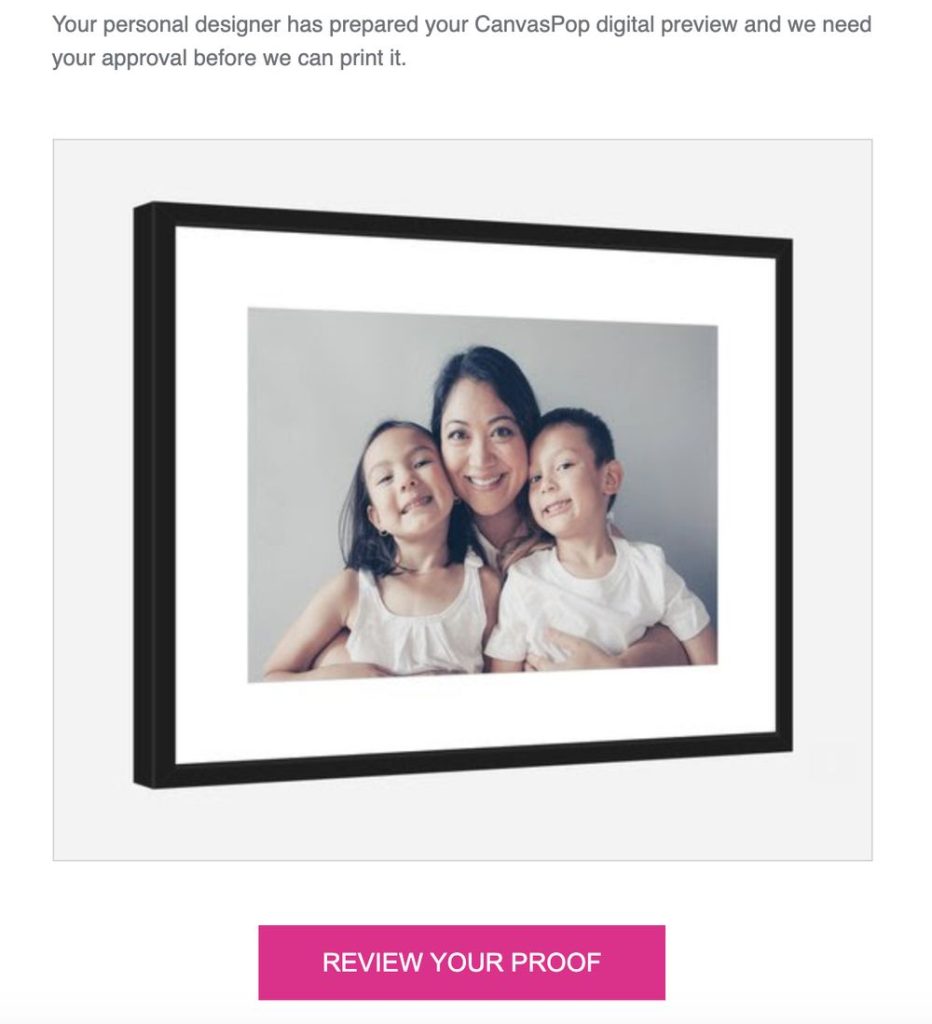
Never skip reviewing proofs or physical samples before final printing. Digital proofs give you a chance to check color accuracy and cropping. Requesting a printed sample can reveal how the colors and details translate onto canvas material.
Have you noticed how a photo looks different on screen versus on canvas? This step helps you catch those surprises early. It’s worth investing a little extra time here to avoid costly reprints later.
Mounting And Framing Canvas Prints
Mounting and framing canvas prints is a crucial step to showcase your photo beautifully and protect it for years to come. Proper mounting ensures your canvas stays tight and smooth, avoiding any sagging that can ruin the image. Framing adds both style and durability, giving your artwork a polished look that fits your space perfectly.
Stretching Canvas Over Frame
Start by positioning your printed canvas face down on a clean surface. Place the wooden frame, called a stretcher bar, on top of the canvas. Pull the canvas tightly over one side of the frame and staple it securely on the back.
Work your way around the frame, pulling the canvas tight as you go to avoid wrinkles or loose spots. Remember to fold the corners neatly for a clean finish. If you’ve ever struggled with loose fabric on a chair, you know how important tension is—it’s the same with canvas.
Attaching Hanging Hardware
After your canvas is stretched, it’s time to add hardware for hanging. Choose from D-rings, wire, or sawtooth hangers depending on your wall type and weight of the canvas. Attach the hardware evenly on each side of the frame to keep your canvas balanced.
Make sure the hardware is secure by testing the weight before hanging. Have you ever hung a picture only to have it fall? Proper hardware can prevent that embarrassment and keep your art safe.
Framing Tips For Protection
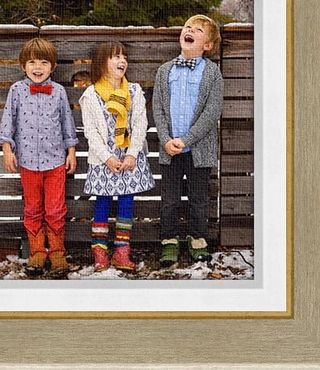
Frames not only enhance your canvas but also protect it from dust, moisture, and accidental damage. Use a frame with a spacer to keep the canvas from touching the glass, which can cause condensation and mildew. Consider UV-protective glass if your canvas will be in direct sunlight.
Choose a frame style that complements your photo without overwhelming it. Simple wood frames often work best and blend with various decor styles. What kind of frame do you think would best highlight your photo’s colors and mood?
Credit: www.pictureframes.com
Displaying Your Canvas Art
Displaying your canvas art properly can transform a simple wall into a captivating focal point. The way you showcase your photo on canvas affects how it draws attention and complements your space. Thoughtful placement and lighting bring out the best in your artwork and elevate your room’s style.
Choosing The Best Wall Space
Look for walls that naturally catch the eye when you enter a room. Avoid cluttered areas where your canvas might get lost among other decorations. Instead, pick a spot with enough empty space around it to let your photo stand out.
Think about the size of your canvas relative to the wall. Large canvases work well on expansive walls, while smaller pieces suit cozier nooks. Have you noticed how a well-chosen wall can make your art feel more personal and inviting?
Lighting For Impact
Lighting plays a crucial role in highlighting your canvas. Natural light works beautifully but be cautious of direct sunlight, which can fade colors over time. Position your canvas where it receives soft, indirect light for lasting vibrancy.
If natural light is limited, consider adjustable spotlights or picture lights. These let you control the focus and intensity, making your photo on canvas pop. Have you experimented with different lighting angles to see how they change the mood of your artwork?
Arranging Multiple Canvases
When displaying several canvases together, balance is key. Arrange them in a grid, a linear row, or a salon-style gallery wall depending on your room’s layout. Keep consistent spacing between pieces to maintain harmony.
Play with varying canvas sizes and orientations for visual interest. Try laying them out on the floor first to find the best arrangement before hanging. How can mixing vertical and horizontal canvases bring dynamic energy to your display?
Maintaining Your Canvas Wall Art
Maintaining your canvas wall art keeps it looking fresh and vibrant for years. Proper care prevents damage and preserves colors. Small efforts make a big difference in extending the life of your artwork.
Cleaning Techniques
Dust your canvas regularly using a soft brush or microfiber cloth. Avoid using water or cleaning sprays directly on the canvas surface. For stubborn dirt, gently wipe with a dry cloth. Never scrub hard as it can damage the print and texture.
Avoiding Sun Damage
Place your canvas away from direct sunlight. UV rays fade colors and weaken the canvas fabric over time. Use curtains or blinds to reduce light exposure. Rotate your canvas occasionally to avoid uneven fading.
Repairing Minor Damages
Small scratches or dents can be fixed with simple tools. Use a soft eraser to remove light marks carefully. For tiny tears, apply a clear-drying glue designed for fabric. Press the area gently and let it dry flat. Avoid heavy repairs that can distort the canvas.

Credit: www.youtube.com
Frequently Asked Questions
How Do I Upload A Photo To Canvas?
To upload a photo, log into your Canvas account. Navigate to the course or assignment. Click the “Files” section or the text editor’s image icon. Select “Upload” and choose your photo from your device. Then, insert it into your content or submission.
Can I Edit Photos After Adding Them To Canvas?
Yes, you can resize and reposition photos in Canvas. Use the text editor’s image editing tools to adjust the size. However, advanced editing like filters or cropping must be done before uploading your photo.
What Photo Formats Are Supported On Canvas?
Canvas supports common image formats like JPG, PNG, and GIF. Ensure your photo is saved in one of these formats for easy uploading. Avoid unsupported formats like TIFF or BMP to prevent upload errors.
Is There A File Size Limit For Photos On Canvas?
Yes, Canvas usually limits file uploads to 500 MB or less. For photos, keep the size under 10 MB for faster uploads and better performance. Compress large images if needed before uploading.
Conclusion
Adding a photo to a canvas is simple and fun. Just follow the steps carefully. Choose the right photo and size it well. Place it on the canvas and adjust as needed. This helps you create beautiful and personal art.
Keep practicing to improve your skills. Enjoy turning your photos into creative canvas pieces.



