
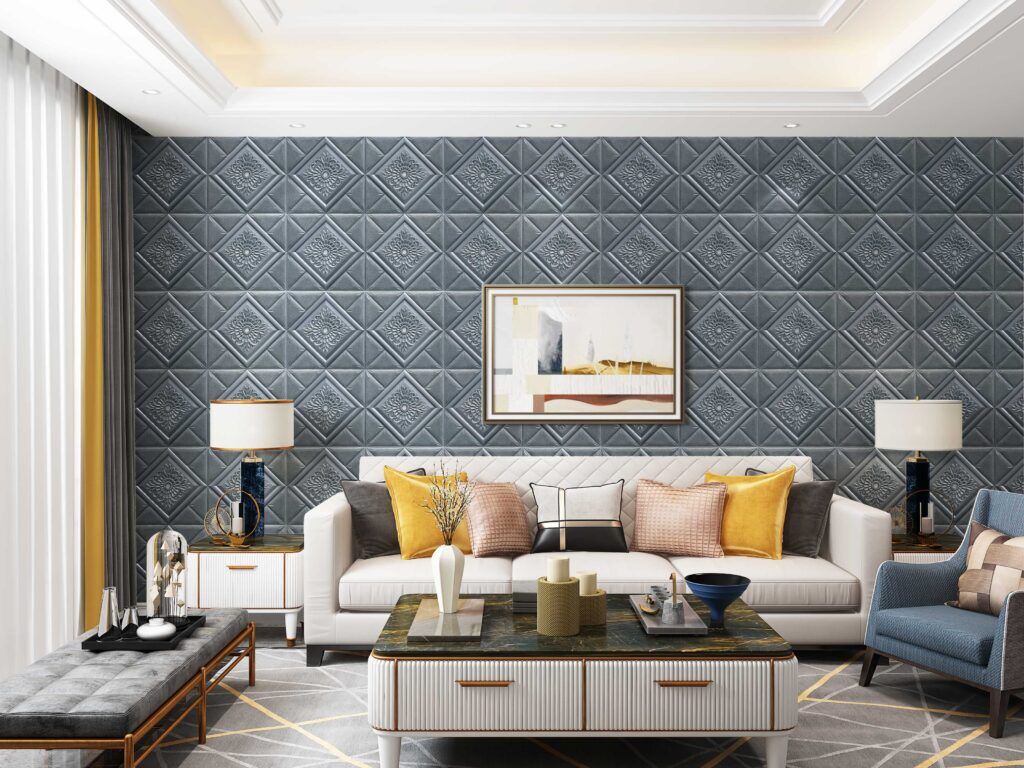
Are you looking to transform your walls without a full renovation? Applying 3D wall panels could be the perfect solution for you.
These panels add depth, style, and a modern touch to any room, instantly boosting your space’s appeal. But you might be wondering—how exactly do you install them yourself? Don’t worry. You’ll discover simple, step-by-step guidance that makes the process easy and stress-free.
By the end, you’ll have the confidence to give your walls a fresh, eye-catching makeover that stands out. Let’s dive in and get started!
Choosing The Right 3d Panels
Choosing the right 3D wall panels sets the tone for your entire project. It’s not just about picking something that looks good—it’s about finding panels that fit your space, style, and the effort you’re willing to put into installation. Knowing your options upfront makes the process smoother and the result more satisfying.
Material Options
3D wall panels come in various materials, each with its own pros and cons. PVC panels are lightweight, waterproof, and easy to clean, making them great for kitchens and bathrooms. On the other hand, MDF panels offer a solid, paintable surface but may require more care in humid areas.
Do you prefer natural textures? Bamboo and wood panels bring warmth but often need sealing to prevent damage. For a modern look, gypsum or plaster panels create crisp, detailed designs but can be heavier and need professional installation.
Design Styles
Your wall panels should reflect your personality and the room’s purpose. Geometric patterns add a contemporary edge, perfect for living rooms or offices. If you want something softer, floral or wave designs bring a calming effect to bedrooms or lounges.
Think about the scale of the design too. Large panels with bold patterns can dominate a small room, while subtle textures might get lost on a big wall. How do you want your space to feel—dynamic, cozy, or somewhere in between?
Measuring Your Wall
Accurate measurements are crucial before buying panels. Start by measuring the height and width of the wall, then multiply to find the square footage. Don’t forget to subtract areas for windows and doors to avoid ordering too many panels.
It’s also smart to buy a little extra—about 10% more—to cover cutting mistakes or future repairs. Have you checked if your wall is smooth? Uneven surfaces might need prepping before you apply the panels to ensure a clean finish.

Credit: dundeedeco.com
Preparing The Wall Surface
Clean and smooth walls ensure the 3D panels stick well and look great. Remove dust, dirt, and old paint before starting. Fill holes and cracks to create an even surface for easy installation.
Preparing the wall surface is a crucial step in applying 3D wall panels. A smooth, clean wall ensures better adhesion and a flawless finish. This stage involves two key tasks: cleaning and repairing the wall, and priming it for panel installation. Proper preparation prevents future problems and enhances the overall look of your 3D panels.Cleaning And Repairing
Begin by removing dust and dirt from the wall. Use a damp cloth or a gentle detergent solution. Make sure the wall is dry before proceeding. Inspect the wall for cracks or holes. Fill them with a suitable filler. Sand the surface after the filler dries. This ensures a smooth and even wall. It is essential for a neat finish.Priming The Wall
Apply a primer to the wall. This helps the panels stick better. Choose a primer suitable for your wall type. Use a brush or roller for application. Allow the primer to dry completely. This creates a solid base for your 3D panels. Proper priming enhances panel longevity and appearance.Gathering Tools And Materials
Before installing 3D wall panels, gather all necessary tools and materials. This helps the process run smoothly. Having everything ready saves time and avoids frustration. Proper tools and adhesives ensure strong and lasting panel installation.
Essential Tools
- Measuring tape – for accurate panel fitting
- Level – to keep panels straight
- Utility knife – to trim panels as needed
- Electric drill – for drilling holes or fastening
- Screwdriver – to secure fasteners
- Sandpaper – to smooth edges
- Stud finder – to locate wall studs for support
- Pencil – for marking measurements
- Safety gear – gloves and goggles for protection
Adhesives And Fasteners
Choose strong adhesives designed for wall panels. Construction adhesive works well on most surfaces. Some panels require additional fasteners for extra support. Use screws or nails compatible with your wall type. Check the manufacturer’s guidelines for best results.

Credit: dundeedeco.com
Cutting And Fitting Panels
Cutting and fitting 3D wall panels is a crucial part of the installation process. Getting this right ensures the panels align perfectly with your wall’s dimensions, creating a seamless and professional look. This part demands accuracy and the right techniques to avoid wasting materials or damaging the panels.
Measuring Panels
Start by carefully measuring the wall space where each panel will go. Use a tape measure to get the exact height and width, and double-check your numbers before making any cuts.
Mark the panel gently with a pencil where it needs to be trimmed. It helps to measure twice and cut once — this saves time and materials.
Consider the panel’s design pattern when measuring. You want the 3D effects to flow naturally across the wall, not look chopped or uneven.
Safe Cutting Techniques
Always use the right tools for cutting your panels. A fine-toothed saw or utility knife works best depending on the panel material.
Wear safety goggles and gloves to protect yourself from dust and sharp edges. Even if it seems simple, these precautions prevent injury.
Cut slowly and steadily along your marked lines. Rushing can cause jagged edges, which will make fitting the panels harder and less attractive.
Have you noticed how a clean cut makes the installation smoother? Taking your time during this step saves frustration later.
Applying The Panels To The Wall
Applying 3D wall panels transforms any room quickly and easily. The process requires careful steps to ensure the panels stick well and look great. Proper application increases durability and visual appeal.
Applying Adhesive
Start by choosing the right adhesive for your panel type. Use a strong construction adhesive or panel glue. Apply adhesive in vertical lines or dots on the back of each panel. Avoid putting too much glue to prevent mess. Spread the adhesive evenly for a secure hold.
Positioning Panels
Carefully place the panel on the wall surface. Align edges with previous panels for a seamless look. Press the panel firmly, starting from the top down. Check for level and adjust before the glue sets. Work methodically, panel by panel.
Securing Panels
After positioning, hold the panel in place for a few minutes. Use painter’s tape to support panels while adhesive cures. Avoid touching or moving panels during this time. For extra security, small finishing nails can be used if appropriate. Remove tape once the adhesive is fully dry.
Finishing Touches
Finishing touches are what elevate your 3D wall panels from just installed to truly stunning. These final steps ensure a smooth, seamless look that enhances the texture and depth of your panels. Paying close attention here can make a huge difference in your room’s overall vibe.
Sealing Joints
Sealing the joints between your 3D wall panels is essential to create a flawless finish. Use a flexible sealant or caulk designed for wall panels to fill any gaps. This prevents cracks from forming and keeps dust or moisture from sneaking in.
Apply the sealant carefully with a caulking gun, then smooth it out with a damp finger or a putty knife. Take your time here—rushed sealing often leads to uneven lines that distract from the panel’s design. Have you noticed how even tiny gaps can ruin the look of a wall? That’s why this step matters.
Painting And Decorating
Once the sealant is dry, painting your 3D wall panels lets you customize their appearance to match your style. Choose a high-quality primer first to ensure the paint sticks well, especially if your panels are made from materials like MDF or PVC.
Use a roller for large areas and a brush for the intricate details. This combo helps cover every nook and cranny without clogging the panel’s texture. Consider experimenting with metallic or matte finishes to add dimension—your walls can become a real conversation starter.
Decorating doesn’t stop at paint. Think about adding subtle lighting or wall-mounted accents to highlight the panels’ depth. What creative touches will make your space truly yours?
Maintaining 3d Wall Panels
Maintaining 3D wall panels is key to keeping their visual appeal and durability intact. These panels add texture and depth to your space, but they also require some care to look their best over time. With the right maintenance, you can enjoy their beauty without constant worry or effort.
Cleaning Tips
Dust and dirt can settle into the grooves and patterns of 3D wall panels, dulling their effect. Use a soft brush or a microfiber cloth to gently wipe the surface regularly. Avoid harsh chemicals; instead, opt for mild soap mixed with water for deeper cleaning.
For stubborn stains, dampen a cloth with the soap solution and gently rub the area. Make sure not to soak the panels, especially if they are made from materials like MDF or wood. Have you noticed how a quick clean can instantly brighten the entire room?
Repairing Damages
Even with careful handling, 3D wall panels might get scratched or chipped. Minor damages can often be fixed with a bit of filler or putty matched to the panel’s color. After filling, sand the area lightly and repaint if necessary to blend the repair seamlessly.
If a panel is cracked or severely damaged, replacing it might be the best option. Keep extra panels from your original installation for this purpose—it saves time and ensures a perfect match. What’s your strategy for dealing with unexpected damage in your home décor?

Credit: dundeedeco.com
Frequently Asked Questions
What Tools Are Needed To Install 3d Wall Panels?
You will need a measuring tape, adhesive, a level, a utility knife, and a caulking gun. Optional tools include a sanding block and paint for finishing touches. Having these tools ensures a smooth, precise installation process.
How Long Does It Take To Apply 3d Wall Panels?
Installation time varies by wall size and panel type. Generally, it takes 2-4 hours for an average room. Preparation and drying times may add to the total time. Proper planning helps speed up the process.
Can 3d Wall Panels Be Painted After Installation?
Yes, most 3D wall panels can be painted once installed. Use a primer suitable for the panel material, then apply your chosen paint. Painting enhances customization and allows matching your room’s decor.
Are 3d Wall Panels Suitable For Bathroom Walls?
Yes, many 3D wall panels are water-resistant and ideal for bathrooms. Choose panels made from PVC or other moisture-resistant materials. Proper sealing and ventilation prevent mold and extend panel life.
Conclusion
Applying 3D wall panels can change any room’s look quickly. Choose the right design and measure your wall carefully. Use proper tools and follow simple steps for best results. Take your time to fit each panel neatly. Clean the surface before starting to help panels stick well.
Enjoy the new texture and style these panels bring to your space. With patience and care, your walls will look fresh and modern. Try it yourself and see the difference it makes!



