
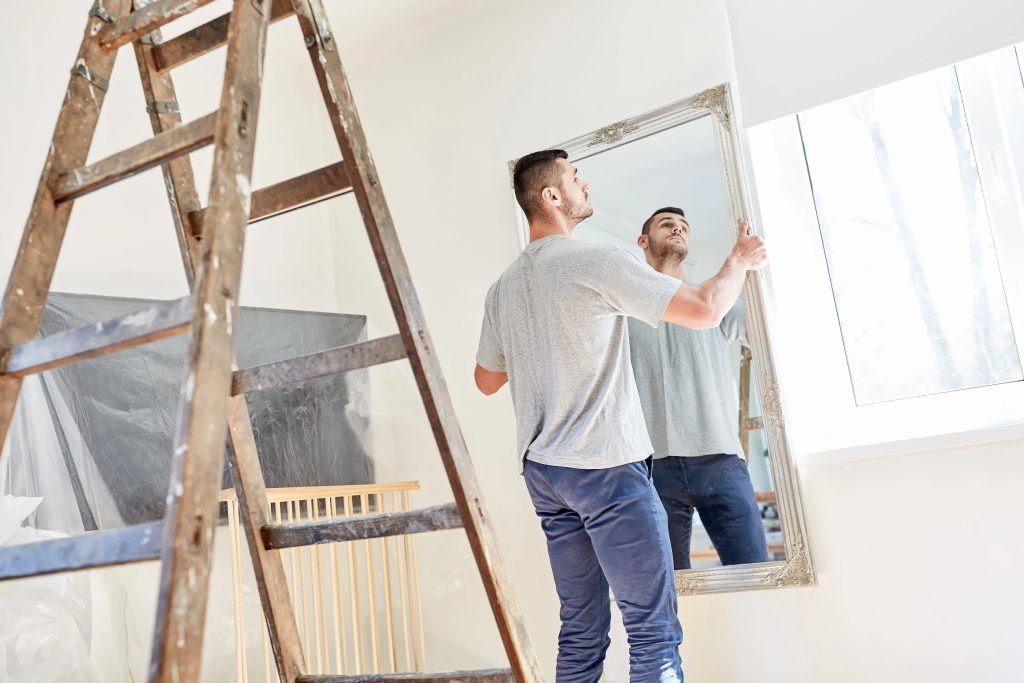
Hanging a heavy mirror on your wall can feel tricky and even a little risky. You want it to look perfect and stay secure without damaging your walls.
If you’re worried about it falling or cracking, you’re not alone. But don’t worry—this guide will show you simple, step-by-step methods to attach your heavy mirror safely and confidently. By the time you finish reading, you’ll know exactly what tools and techniques to use, so your mirror stays put and your space looks stunning.
Let’s get started and make your walls shine!

Credit: www.yahoo.com
Choosing The Right Mirror
Choosing the right mirror is key to safely hanging heavy mirrors on your wall. The mirror’s weight and size affect the type of support needed. The frame and backing material also play important roles. Selecting a mirror that matches your wall’s strength and mounting options ensures stability and safety.
Assessing Mirror Weight And Size
Check the mirror’s weight before buying or hanging it. Heavy mirrors need stronger wall anchors or studs. Measure the mirror’s height and width to fit your space well. Large mirrors often require more support points on the wall.
- Use a scale or ask the seller about the weight.
- Measure mirror dimensions to plan placement and support.
- Consider the wall type where you will hang the mirror.
Selecting Suitable Frame And Backing
The frame should be sturdy and durable. Metal or solid wood frames hold heavy mirrors better than plastic. Look for a backing that offers solid support, like plywood or MDF. Avoid thin or weak backing materials that can bend or break.
- Choose frames rated for heavy mirrors.
- Check for secure hooks or mounting brackets on the frame.
- Ensure the backing is thick and well attached to the mirror.
Preparing The Wall
Clear the wall surface and check for studs using a stud finder. Mark the spots to ensure strong support for the heavy mirror. Clean the area to remove dust and dirt before hanging.
Preparing the wall for hanging a heavy mirror is a crucial step that can make or break your project. Ensuring the wall can support the weight is a practical necessity, but it also gives you peace of mind. You wouldn’t want to hear a crash in the middle of the night, right? Understanding your wall type and finding the right spots for support is fundamental. Let’s dive into how you can prepare your wall effectively.Locating Studs And Wall Type
First, identify the type of wall you’re working with. Drywall, plaster, or brick all require different approaches. Use a stud finder to locate the wooden beams behind your drywall. These studs are the strongest points to support your heavy mirror. If your wall is made of brick or concrete, special anchors will be necessary. Knowing your wall type helps you choose the right tools and techniques.Cleaning And Marking Placement
Before you start drilling, clean the wall surface. Dust and debris can interfere with adhesive hooks or make it difficult to see your markings. Use a tape measure to determine the exact height and position for your mirror. Mark these spots with a pencil. Imagine the mirror in place. Is it at eye level? Does it reflect what you want it to? These considerations ensure you’ll be happy with the result once it’s up. By taking the time to prepare your wall properly, you’re setting the stage for a secure and visually pleasing mirror installation. Are you ready to take on this project with confidence?Gathering Tools And Materials
Before you start hanging a heavy mirror, gathering the right tools and materials is crucial. Using improper hardware can lead to accidents or damage to your walls. Equipping yourself with the correct items not only ensures safety but also makes the process smoother and faster.
Essential Mounting Hardware
Choosing the right mounting hardware depends on the mirror’s weight and the wall type. Heavy mirrors usually require strong anchors like toggle bolts or molly bolts. These provide better grip in drywall compared to simple nails or screws.
- Wall anchors:Toggle bolts or molly bolts for drywall, or masonry anchors for brick walls.
- Screws:Use heavy-duty screws that fit the anchors securely.
- Mounting brackets or D-rings:These help distribute the mirror’s weight evenly.
- Wire or hanging wire:If the mirror has hooks, a sturdy wire can offer extra support.
Don’t forget to check the mirror’s back for pre-installed hooks or brackets. This helps you decide which hardware fits best. Have a few extra anchors and screws handy—you never know when one might strip or break.
Recommended Tools For Installation
Having the right tools saves time and reduces frustration. A power drill with various bits is almost a must for making clean holes and securing anchors. If you don’t have one, a manual screwdriver can work but expect the task to take longer.
- Power drill and drill bits:Match the bit size to your wall anchors.
- Stud finder:This tool helps you locate wall studs for extra support.
- Level:Ensures your mirror hangs perfectly straight.
- Measuring tape:Accurate measurements prevent awkward placements.
- Pencil:For marking drill spots precisely.
- Safety gear:Gloves and safety goggles protect your hands and eyes during drilling.
Have you ever tried hanging something heavy only to find it slanted or insecure? With these tools, you can avoid that problem. Taking a few extra minutes to prepare makes all the difference in the final result.

Credit: hellohomegirl.com
Mounting Techniques For Heavy Mirrors
Mounting a heavy mirror securely requires the right techniques to prevent accidents and damage. You need methods that support the mirror’s weight while keeping it flush against your wall. Let’s look at some reliable ways to attach your heavy mirror safely and effectively.
Using Wall Anchors And Screws
Wall anchors paired with heavy-duty screws provide strong support, especially when you can’t drill directly into studs. Choose anchors rated for the mirror’s weight to avoid unexpected falls. Plastic anchors work for lighter mirrors, but metal or toggle anchors are better for heavy loads.
First, locate the mirror’s hanging points and mark your wall accordingly. Drill holes slightly smaller than the anchors, then insert the anchors firmly. Finally, screw in the heavy-duty screws, leaving enough length to hang the mirror securely.
Installing French Cleats
French cleats offer a sturdy and balanced way to mount heavy mirrors, distributing weight evenly across the wall. This technique involves two interlocking strips of wood or metal—one attached to the wall, the other to the mirror’s back.
Attach the wall cleat to studs using long screws, ensuring it’s level. Then secure the matching cleat to the mirror frame. When you hang the mirror, the cleats lock together, holding the weight firmly and allowing easy removal if needed.
Employing Mirror Mounting Brackets
Mirror mounting brackets are designed specifically for heavy mirrors and provide excellent stability. These brackets are usually metal and come in various sizes to accommodate different mirror thicknesses.
Secure the brackets to wall studs, making sure they align with the mirror edges. Slide the mirror into the brackets carefully, and tighten any screws to hold it in place. This method prevents shifting and reduces stress on the wall surface.
Step-by-step Installation
Attaching a heavy mirror to the wall requires careful preparation and precise execution. Follow these clear steps to ensure the mirror stays secure and looks great. Safety and accuracy are key throughout the process.
Measuring And Marking
Measure the mirror’s width and height to find its center point. Use a pencil to mark the wall where the mirror’s top and sides will align. Check that the marks are level by using a spirit level. Double-check measurements before proceeding to avoid mistakes.
Drilling And Securing Hardware
Select hardware designed for heavy loads, such as wall anchors or toggle bolts. Drill holes at the marked spots carefully. Insert the anchors into the wall holes. Screw the mounting brackets or hooks tightly into the anchors. Make sure all hardware is flush and stable.
Hanging The Mirror Safely
With help, lift the mirror gently to avoid damage. Align the mirror’s hanging points with the secured hardware on the wall. Hang the mirror slowly, ensuring it fits snugly. Check the mirror’s level again and adjust if needed. Confirm the mirror feels firm and secure before letting go.

Credit: www.yahoo.com
Safety Tips And Best Practices
Attaching a heavy mirror to your wall is not just about aesthetics—it’s also about safety. Handling large, weighty glass surfaces demands careful planning and execution. Ignoring safety tips can lead to accidents or damage that cost more time and money than you expect.
Ensuring Secure Attachments
Choosing the right anchors and hardware is crucial for a secure hold. Use wall anchors rated for the mirror’s weight, especially if you’re mounting on drywall rather than studs. If you’re unsure about the weight capacity, it’s safer to go for heavy-duty toggle bolts or molly bolts.
Double-check your measurements before drilling. Mark the exact spots and use a level to ensure your mirror will hang straight. A crooked mirror not only looks bad, but it can also place uneven stress on the mounts, increasing the risk of failure.
Don’t rush the installation. Take your time to tighten screws and bolts firmly but avoid overtightening, which can damage the wall or the mirror frame.
Preventing Damage To Walls And Mirror
Protect your walls by using protective pads or washers behind mounting brackets. This simple step prevents scratches and dents, keeping your wall and mirror frame pristine. If you have textured or delicate walls, consider using a mounting board to distribute the weight more evenly.
Handle the mirror with clean, dry hands or wear gloves to avoid smudges or accidental drops. Place the mirror on a soft surface during installation to prevent chipping the edges. Remember, a small chip can quickly turn into a crack if the mirror is stressed.
Have you thought about how the mirror’s placement could affect wall integrity over time? Areas with high humidity or direct sunlight may weaken wall materials or mirror coatings. Address these conditions by choosing appropriate mounting materials or repositioning your mirror.
Troubleshooting Common Issues
Attaching a heavy mirror to your wall can sometimes bring unexpected challenges. You might find the wall material isn’t ideal, or the mounts don’t hold as firmly as you hoped. Troubleshooting these issues early helps you avoid damage and keep your mirror securely in place.
Dealing With Wall Material Challenges
Not all walls are the same. Drywall, plaster, brick, and concrete each require different anchors and screws to support heavy weight.
If you try to hang a heavy mirror on drywall without using a stud or the right anchors, it won’t hold. Use a stud finder to locate the studs behind the wall, or choose heavy-duty wall anchors rated for your mirror’s weight.
Brick or concrete walls need masonry anchors and screws. If you don’t have the right drill bit or anchors, your mirror might slip or cause damage. Have you checked your wall type before buying mounting hardware?
Fixing Uneven Or Loose Mounts
Sometimes the mirror hangs but feels wobbly or uneven. This usually means the mounts aren’t level or securely fastened.
Use a spirit level to check if your mounts are perfectly horizontal. If they’re uneven, adjust the screws slightly until the mirror sits straight.
If the mounts feel loose, remove the mirror and tighten the screws or replace the anchors. Loose mounts can cause your mirror to fall unexpectedly—don’t risk it.
Have you noticed your mirror shifting after a few days? That’s a sign to recheck and reinforce your mounts immediately.
Frequently Asked Questions
How Do I Safely Hang A Heavy Mirror On Drywall?
Use wall anchors or toggle bolts rated for the mirror’s weight. Find studs with a stud finder for extra support. Always use a level to ensure the mirror hangs straight and securely.
What Tools Are Needed To Attach A Heavy Mirror?
You will need a stud finder, drill, screwdriver, level, measuring tape, wall anchors or toggle bolts, and a pencil for marking. These tools ensure a safe and precise installation.
Can I Hang A Heavy Mirror Without Wall Studs?
Yes, use heavy-duty wall anchors or toggle bolts designed for drywall. Avoid nails or regular screws, as they may not support the mirror’s weight safely.
What Is The Best Hardware For Hanging Large Mirrors?
Heavy-duty wall anchors, toggle bolts, or mirror hanging brackets are ideal. Choose hardware rated for at least 50% more than your mirror’s weight for safety.
Conclusion
Attaching a heavy mirror to the wall takes care and the right tools. Choose strong anchors and studs for safety. Measure and mark spots carefully before drilling. Use a level to keep the mirror straight. Take your time and follow steps closely.
This ensures your mirror stays secure and looks great. A well-hung mirror can brighten any room. Now, you are ready to hang your heavy mirror with confidence.



