
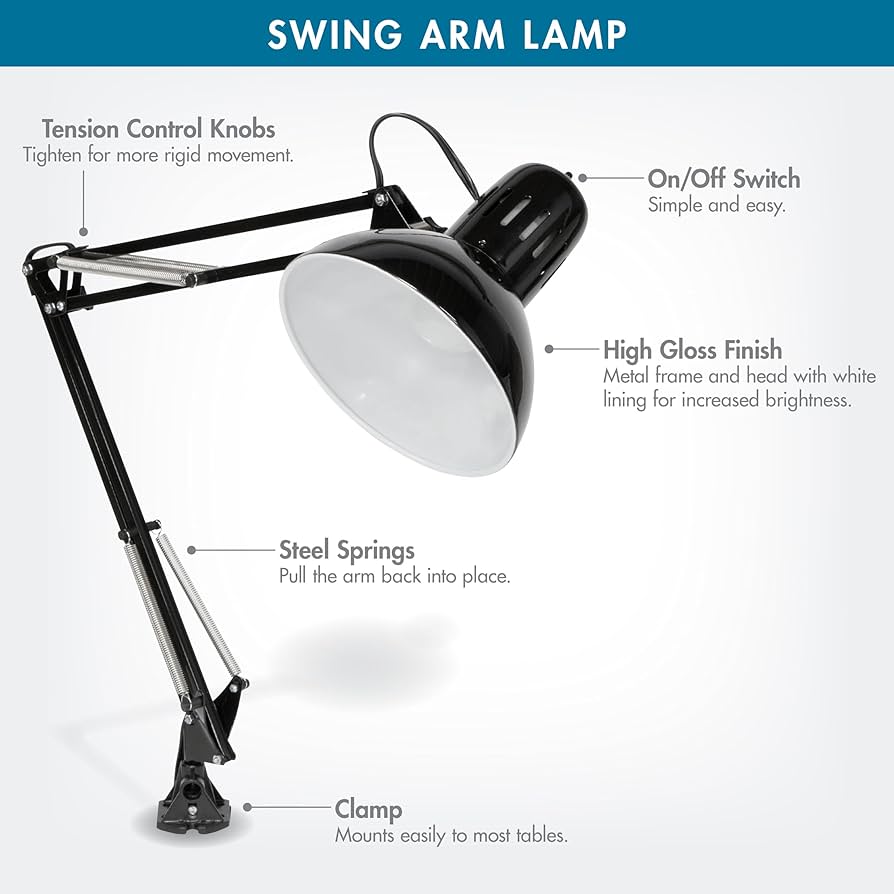
Are you struggling with attaching springs to your desk lamp? It might seem tricky at first, but once you know the simple steps, it becomes easy and even satisfying.
Imagine your lamp moving smoothly, staying exactly where you want it, thanks to properly attached springs. In this guide, you’ll discover clear, step-by-step instructions that anyone can follow. By the end, you’ll feel confident fixing or upgrading your lamp yourself—saving time and money.
Keep reading, and let’s make your desk lamp work perfectly for you.

Credit: www.amazon.com
Choosing The Right Spring
Choosing the right spring for your desk lamp is crucial to ensure smooth movement and proper support. The wrong spring can cause imbalance or make the lamp difficult to adjust. Understanding the types and how to measure them will save you time and frustration.
Types Of Springs For Desk Lamps
There are several spring types commonly used in desk lamps, each with unique characteristics:
- Tension Springs:These springs stretch when pulled and return to their original shape. They are great for lamps that need to stay in position when extended.
- Compression Springs:These compress when pressed and push back to their original length. They work well in lamps where the arm needs to be pushed down or up smoothly.
- Torsion Springs:These springs twist rather than stretch or compress. They provide rotational force and are often used in lamps with pivot points.
Think about how you want your lamp to move. Do you need it to hold a specific angle firmly or move freely with slight resistance? This will guide your spring choice.
Measuring Spring Size And Tension
Getting the right spring size involves measuring both length and diameter accurately. Use a ruler or caliper to measure the free length of the spring without any load.
Spring tension, or force, determines how much resistance the spring provides. You can find this info on packaging or product specs, often listed as pounds or newtons of force.
If you’re replacing a spring, match the size and tension closely to the original. If you’re customizing, test different tensions by attaching springs temporarily to find the ideal balance.

Credit: www.amazon.ca
Gathering Necessary Tools
Before you start attaching springs to your desk lamp, having the right tools at hand makes the process smoother and safer. You’ll avoid frustration and save time by gathering everything you need upfront. Let’s look at the tools that will help you get the job done effectively.
Essential Tools For Attachment
- Pliers:A good pair of needle-nose pliers helps you grip and stretch the springs precisely.
- Screwdrivers:Both flathead and Phillips screwdrivers might be necessary to open lamp covers or secure attachments.
- Spring Hooks:These small tools make it easier to attach springs without straining your fingers.
- Measuring Tape:Ensures you select the right spring length and tension for your lamp.
- Protective Gloves:To protect your hands from sharp edges and provide a better grip when handling springs.
Having these tools ready means you won’t interrupt your workflow to hunt for something. It’s a small step that pays off big.
Safety Precautions
Springs can snap back unexpectedly. This can cause injury or damage to your lamp if you’re not careful. Wearing safety glasses protects your eyes from any sudden spring recoil.
Keep your workspace clean and well-lit to avoid accidents. Also, make sure your hands are dry to maintain a firm grip on tools and springs.
Have you ever underestimated the tension in a spring and ended up with a painful snap? Taking these safety steps seriously helps you avoid that common mistake and keeps your project on track.
Preparing The Lamp And Spring
Prepare the lamp by cleaning the area where the spring will attach. Hold the spring firmly and hook it carefully onto the lamp’s designated spots. Make sure the spring is secure before moving to the next step.
Preparing the lamp and spring for attachment is essential. A well-prepared lamp ensures a secure spring fit. This step avoids future adjustments and enhances lamp stability. Attention to detail during preparation prolongs the lamp’s life.Cleaning Attachment Points
Before attaching springs, clean the lamp’s attachment points. Use a dry cloth to wipe away dust and grime. Ensure all dirt is removed for a smooth spring fit. A clean surface allows better spring grip. This step prevents slips and ensures lamp stability.Inspecting Spring Condition
Check the spring for any signs of wear or rust. A damaged spring can lead to faulty attachment. Examine each coil for breaks or weaknesses. Replace the spring if it shows any damage. A strong spring ensures a secure and lasting fit. This inspection guarantees efficient lamp operation.
Credit: www.amazon.com
Attaching The Spring
Attaching the spring to your desk lamp is a key step that ensures flexibility and stability. This process demands attention to detail and steady hands. Getting it right will give your lamp the perfect balance between movement and support.
Aligning Spring With Lamp
Start by positioning the spring so it matches the lamp’s arm or designated attachment points. Look for small hooks or holes designed specifically for the spring ends. Proper alignment prevents unnecessary tension or slack, which can affect lamp performance.
Take your time to visually confirm both ends of the spring line up correctly. If the spring looks twisted or stretched unevenly, adjust it before securing. Have you ever noticed a lamp that feels loose or too stiff? This usually happens because the spring wasn’t aligned properly.
Securing Spring Hooks
Once aligned, attach the spring hooks carefully onto the lamp’s anchor points. Use pliers if the hooks are tight or hard to reach—this helps avoid injury and ensures a firm grip. Make sure the hooks snap into place and don’t slip off easily.
Check both ends after hooking to confirm they’re secure. Loose springs can cause sudden movements or even damage the lamp over time. Remember, a securely attached spring is the foundation of a well-functioning adjustable lamp.
Testing Spring Tension
After securing the spring, gently move the lamp arm to test the tension. It should provide enough resistance to hold the lamp steady but still allow smooth adjustments. Too tight and the lamp won’t move; too loose and it won’t stay where you want it.
If the tension feels off, you can adjust by repositioning the hooks slightly or trying a different spring. Don’t be afraid to experiment a bit—finding the right tension can be a game-changer for your workspace comfort.
Troubleshooting Common Issues
Attaching springs to a desk lamp can sometimes come with its own set of challenges. You might notice the spring feels loose, the tension isn’t quite right, or the spring is damaged. These issues can affect how well your lamp functions and how easy it is to adjust.
Dealing With Loose Springs
If your spring feels loose, it won’t hold the lamp arm in place properly. First, check if the spring hooks are fully seated in their slots. Sometimes, simply repositioning the hooks can solve the problem.
Another cause of looseness is wear over time. Springs can stretch, making them less effective. Try gently pulling the spring to see if it regains tension or consider replacing it if it feels too slack.
Adjusting Spring Tension
Spring tension controls how easily you can move your lamp arm. If it’s too tight, the lamp might be hard to reposition. If it’s too loose, the arm won’t stay where you want it.
You can adjust tension by changing the spring’s attachment points. Moving the spring further apart increases tension, while bringing them closer reduces it. Experiment with these positions to find the perfect balance.
Replacing Damaged Springs
Damaged springs can cause your desk lamp to malfunction completely. Look for signs like rust, breaks, or permanent stretching. These springs won’t work properly and should be swapped out.
When replacing a spring, match the size and tension to the original. Using a spring that’s too strong or weak can create more problems. Keep your lamp’s model number handy when buying replacements to ensure a good fit.
Maintaining Your Desk Lamp Spring
Maintaining your desk lamp spring ensures smooth movement and lasting performance. Springs work hard every day to hold the lamp in position. Dirt, wear, and lack of care can reduce their effectiveness. Regular upkeep keeps the lamp stable and extends the spring’s life.
Regular Inspection Tips
Check the spring often for signs of damage or wear. Look for rust, bends, or breaks. Make sure the spring stays tightly attached to the lamp parts. Test the lamp’s movement to spot stiffness or looseness early. Catching issues early prevents bigger problems later.
Lubrication And Care
Apply a small amount of light oil or silicone spray to the spring. This reduces friction and stops rust from forming. Avoid heavy grease, which can attract dust and dirt. Wipe off any extra lubricant to keep the area clean. Proper lubrication keeps the spring flexible and quiet.
Frequently Asked Questions
How Do I Attach Springs To A Desk Lamp?
To attach springs to a desk lamp, first identify the spring hooks or slots. Secure one end of the spring to the lamp base, then stretch it carefully to connect the other end to the lamp arm. Ensure the spring is tight but not overstretched for proper tension.
What Tools Are Needed For Spring Attachment On Lamps?
You typically need needle-nose pliers, screwdrivers, and sometimes a spring hook tool. These help you grip, stretch, and secure the springs safely to the lamp parts. Always use tools that provide control to avoid damaging the springs or lamp components.
Why Attach Springs To A Desk Lamp?
Springs provide adjustable tension, allowing the lamp arm to stay in place. They help balance the lamp and enable smooth movement. Proper spring attachment improves lamp stability and usability, making it easier to direct light where needed.
Can I Replace Broken Springs On My Desk Lamp?
Yes, you can replace broken springs. Find springs matching the original size and tension. Remove the old spring carefully and attach the new one following the original setup. Replacement springs restore lamp functionality and ensure smooth arm movement.
Conclusion
Attaching springs to a desk lamp is simple with the right steps. Start by choosing the correct spring size and type. Secure the spring carefully to avoid damage. Test the lamp’s movement to ensure the spring works well. Taking your time makes the process easier and safer.
Now, your desk lamp should stay balanced and flexible. This small fix can improve your lamp’s function a lot. Try it yourself and enjoy a better lighting experience.



