
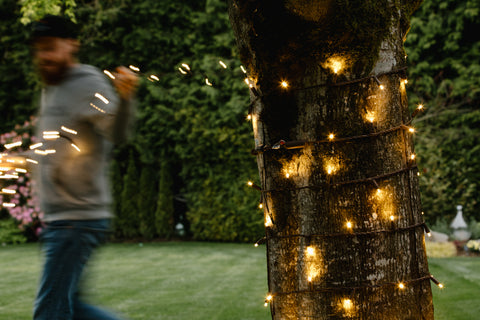
Imagine transforming your outdoor space into a magical retreat with just a few simple steps. You want your string lights to shine brightly, wrapping perfectly around your tree trunk without damaging the bark or looking messy.
But how do you do that? This guide will show you exactly how to attach string lights to your tree trunk in a way that’s safe, secure, and stunning. Keep reading, and you’ll discover easy tips that make your trees glow with charm every evening.

Credit: us.govee.com
Choosing The Right String Lights
Choosing the right string lights is crucial before you start attaching them to your tree trunk. The perfect lights will not only highlight the natural beauty of the tree but also withstand outdoor conditions and fit your power needs. Picking wisely saves you time, effort, and frustration later on.
Types Of String Lights
There are several types of string lights to consider, each with unique features. Traditional incandescent bulbs give a warm, classic glow but use more energy. LED lights are more energy-efficient, last longer, and come in a variety of colors and styles.
Some string lights have larger bulbs for a vintage look, while others are tiny fairy lights, perfect for delicate wrapping. Think about the ambiance you want to create and how visible you want the lights to be from a distance. What mood do you want your tree to set?
Weather Resistance And Durability
Outdoor string lights must handle rain, wind, and temperature changes. Look for lights with a high IP (Ingress Protection) rating—IP65 or above is ideal for wet conditions. Lights with sealed bulbs and waterproof wiring last longer and keep your setup safe.
Material quality matters too. Plastic-coated wires resist rust and damage better than bare copper. Have you ever dealt with lights that stopped working after a single storm? Choosing durable lights helps you avoid that hassle.
Power Source Options
String lights can be powered by electricity, batteries, or solar energy. Plug-in lights offer continuous power but require an outdoor outlet nearby. Battery-powered options give more placement flexibility but need regular battery changes.
Solar string lights recharge during the day and save energy, but their brightness depends on sunlight availability. Consider your tree’s location and how easy it is to access power before deciding. Which power source will work best for your setup?
Preparing The Tree
Preparing the tree before attaching string lights is crucial for a safe and lasting display. Taking time to get the trunk ready ensures the lights stay secure and don’t damage the tree. It also makes your decorating process much smoother and more enjoyable.
Selecting The Tree Trunk
Choose a trunk that is sturdy and thick enough to support the weight of the string lights. Avoid trunks with loose bark or those that show signs of rot. You want a surface that the lights can grip onto without slipping or causing harm to the tree’s health.
Think about the shape and location too. Is the trunk easy to reach? Will the lights be visible from where you want to enjoy them? Picking the right trunk sets the foundation for a beautiful light arrangement.
Cleaning The Surface
Before wrapping lights, clean the trunk to remove dirt, moss, or loose bark that could affect adhesion. Use a soft brush or cloth to gently wipe down the area. This step helps the lights stay in place and prevents damage to the tree.
Be careful not to scrub too hard. You want to protect the tree’s natural outer layer while making the surface ready. A clean trunk also reduces the chance of moisture buildup under the lights, which can cause problems later.
Checking For Safety Hazards
Look closely at the trunk for any hazards like sharp branches, exposed nails, or insect nests. These could damage the lights or pose a risk to you while decorating. Remove or avoid any obstacles before proceeding.
Also, inspect the nearby area for electrical safety. Make sure your string lights are rated for outdoor use and that cords won’t get pinched or tripped over. Safety always comes first—your careful check will protect both your tree and your home.
Safe Attachment Methods
Secure string lights gently using soft ties or velcro straps to protect the tree bark. Avoid nails or staples to prevent damage. Wrapping lights loosely ensures safety and easy removal.
Attaching string lights to tree trunks transforms outdoor spaces beautifully. Safety is crucial during this process. The right attachment methods prevent harm to trees and ensure lights stay secure. Below are three effective and safe methods for attaching string lights.Using Twine Or Garden Wire
Twine or garden wire offers a gentle attachment method. Cut a length of twine or wire suitable for your tree. Wrap it loosely around the trunk. Ensure it is tight enough to hold but not so tight it damages the bark. This method allows easy adjustment. It also prevents any harm to the tree as it grows.Employing Adhesive Hooks
Adhesive hooks provide a non-invasive option. Choose hooks suitable for outdoor use. Clean the tree bark where you plan to stick the hooks. This ensures they adhere properly. Attach the hooks following the product instructions. Hang the string lights carefully on these hooks. This method allows for easy removal without damaging the tree.Utilizing Zip Ties
Zip ties are strong and weather-resistant. Choose ties long enough to wrap around the tree trunk. Attach them loosely to avoid damaging the tree. Space the zip ties evenly around the trunk. Cut off any excess length after securing them. This method offers a secure hold, ensuring your lights stay in place.
Credit: www.familyhandyman.com
Wrapping Techniques
Wrapping string lights around a tree trunk creates a warm and inviting glow. Different wrapping techniques change the look and feel of your display. Choose a style that fits your space and mood. Simple methods work well for beginners. More detailed patterns add charm and creativity.
Spiral Wrapping
Spiral wrapping means winding the lights around the trunk in a smooth, continuous twist. Start at the base and move upward in even loops. Keep the spacing consistent for a neat look. This method highlights the tree’s natural shape and creates a soft, glowing effect.
Vertical Hanging
Vertical hanging involves draping the lights straight down from a high point on the trunk. Secure the top and let the strands fall like a curtain. It works well for slim trees or trunks with rough bark. This style gives a rain-like shimmer and adds height to your display.
Creating Patterns
Creating patterns means arranging lights in shapes or designs on the trunk. Use clips or ties to hold the lights in place. Common patterns include zigzags, hearts, or stars. This technique adds personality and makes your tree stand out. Plan your pattern before you start for the best results.
Avoiding Common Mistakes
Attaching string lights to a tree trunk can transform your outdoor space, but many make avoidable mistakes that harm the tree or create safety hazards. Knowing what to watch out for helps you create a beautiful and safe display. Let’s look at key areas where you can improve your approach and get better results.
Preventing Damage To The Tree
Wrapping lights too tightly or using nails and staples can seriously hurt your tree. The bark is the tree’s protective layer, and damaging it invites disease and pests.
Use soft materials like garden ties, velcro strips, or even cloth strips to secure the lights gently. Avoid anything that digs into the bark.
Ask yourself: Are the materials I’m using kind to the tree? Think about how the tree grows—tight bindings can strangle branches over time.
Ensuring Secure Fastening
Lights that sag or fall spoil the look and may get damaged. You want your lights secure but not over-tightened.
Try wrapping the lights in loose spirals around the trunk or branches. Use clips designed for outdoor lights or zip ties with some slack to prevent cutting into the bark.
If your tree has rough bark, the lights might slip—try anchoring with hooks placed on a sturdy nearby structure. How often do you check your setup during the season to adjust loose spots?
Managing Electrical Safety
Outdoor lighting near trees can be risky if you ignore electrical safety. Water, moisture, and weather changes increase the chance of short circuits or shocks.
Always use string lights labeled for outdoor use and check for damaged wires before installation. Connect lights to a ground-fault circuit interrupter (GFCI) outlet to reduce shock risk.
Keep plugs and connections off the ground and away from puddles. Do you regularly inspect your lights during bad weather? This habit can prevent accidents and extend your lights’ life.

Credit: bigstarlights.ca
Maintaining And Removing Lights
Maintaining and removing string lights from a tree trunk requires care. Regular attention helps keep the lights safe and working longer. Removing lights properly protects the bulbs and wiring. Good storage prevents damage and makes next use easier.
Regular Inspection Tips
- Check lights weekly for damaged bulbs or wires.
- Look for loose connections or frayed cords.
- Ensure lights are secure and not slipping down the trunk.
- Remove any debris or dirt from the bulbs carefully.
- Replace broken or burnt-out bulbs promptly.
Safe Removal Practices
Turn off the lights and unplug from power before removal. Gently unwind the string lights to avoid pulling or snapping wires. Avoid yanking or forcing lights off the tree trunk. Use scissors only if the string is tangled or stuck. Work slowly to prevent damage to both the lights and the tree bark.
Storage Recommendations
- Wrap lights loosely around a spool or cardboard.
- Keep bulbs protected by using bubble wrap or cloth.
- Store in a cool, dry place away from sunlight.
- Avoid tight knots or bends in the wiring.
- Label storage containers for easy identification.
Frequently Asked Questions
How Do You Secure String Lights To A Tree Trunk?
Use outdoor-rated zip ties or soft garden wire to gently wrap the lights around the trunk. Avoid damaging the bark by not pulling too tight. Space ties evenly for stability and easy removal.
What’s The Best Way To Protect Tree Bark When Attaching Lights?
Place a soft barrier like foam pipe insulation or cloth strips between the lights and bark. This prevents abrasion and allows the tree to grow without damage. Always check and adjust ties periodically.
Can I Use Nails Or Staples To Hang String Lights?
No, nails or staples can harm the tree and cause infections. Instead, use non-invasive methods like zip ties or twist ties designed for outdoor use.
How Do I Prevent String Lights From Slipping Down The Tree Trunk?
Secure the lights with tight but gentle ties spaced every 12 to 18 inches. You can also wrap the lights in a spiral pattern to increase grip and stability.
Conclusion
Attaching string lights to a tree trunk is simple and fun. Use soft ties or hooks to avoid hurting the tree. Wrap the lights evenly for a neat look. Check the lights for safety before plugging them in. Enjoy the warm, cozy glow in your outdoor space.
This easy step adds charm to any garden or yard. Now, your tree shines bright with beautiful lights. Give your space a magical touch tonight!



