
Are you ready to step into a career that keeps the world comfortable, no matter the season? Becoming an HVAC technician puts you in charge of heating, ventilation, and air conditioning systems—skills that are always in demand.
Imagine fixing a broken air conditioner on a hot summer day or ensuring a cozy home during winter. Sounds rewarding, right? This guide will show you exactly how to become an HVAC technician, breaking down the steps in a simple, clear way.
Keep reading, and you’ll discover how to turn your interest into a skilled profession that offers steady work and real satisfaction.
Credit: www.skilledtradescollege.ca
Hvac Technician Role
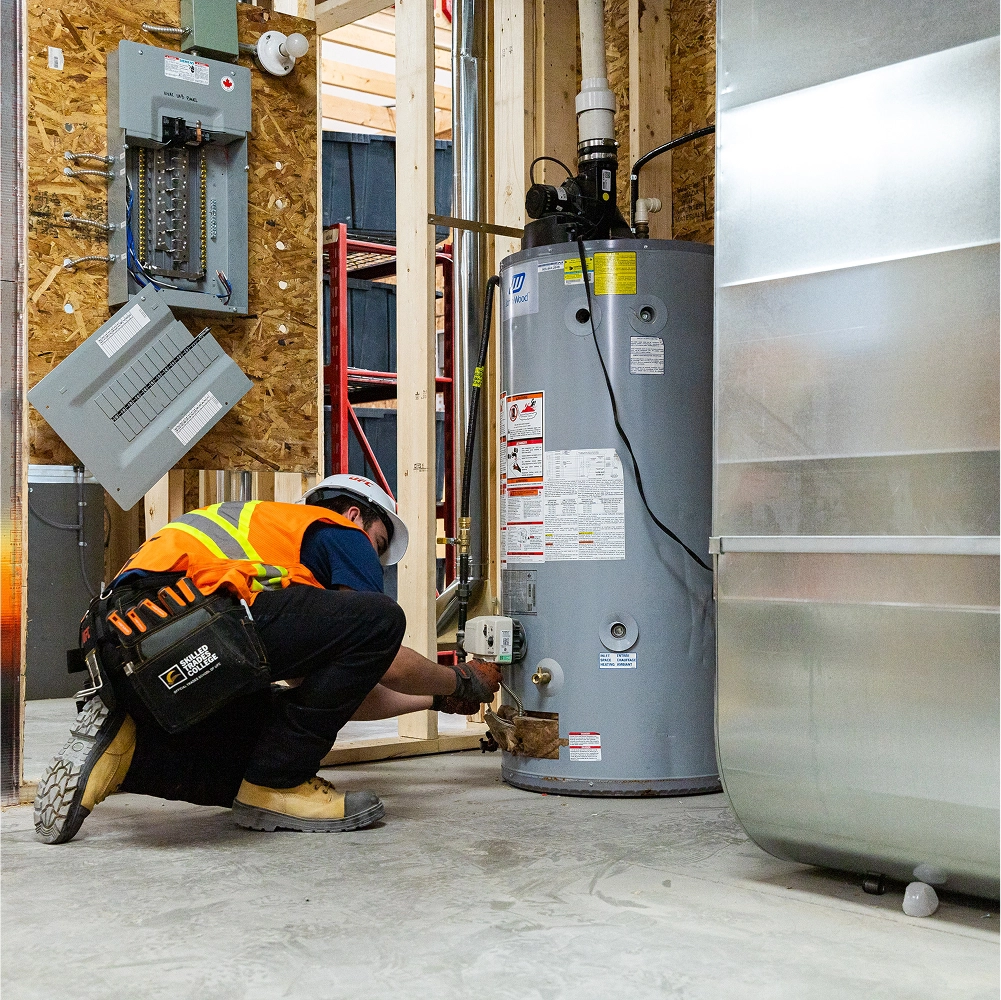
The role of an HVAC technician is both hands-on and highly technical. You’ll be responsible for installing, maintaining, and repairing heating, ventilation, and air conditioning systems. These systems are essential for comfort and air quality in homes and businesses, so your work directly impacts people’s daily lives.
Daily Tasks And Responsibilities
Every day, you’ll inspect HVAC systems to identify issues. This might involve checking thermostats, electrical connections, and airflow to ensure everything runs smoothly.
Installing new units is a big part of the job. You’ll measure spaces, connect wiring, and test the system’s performance after setup.
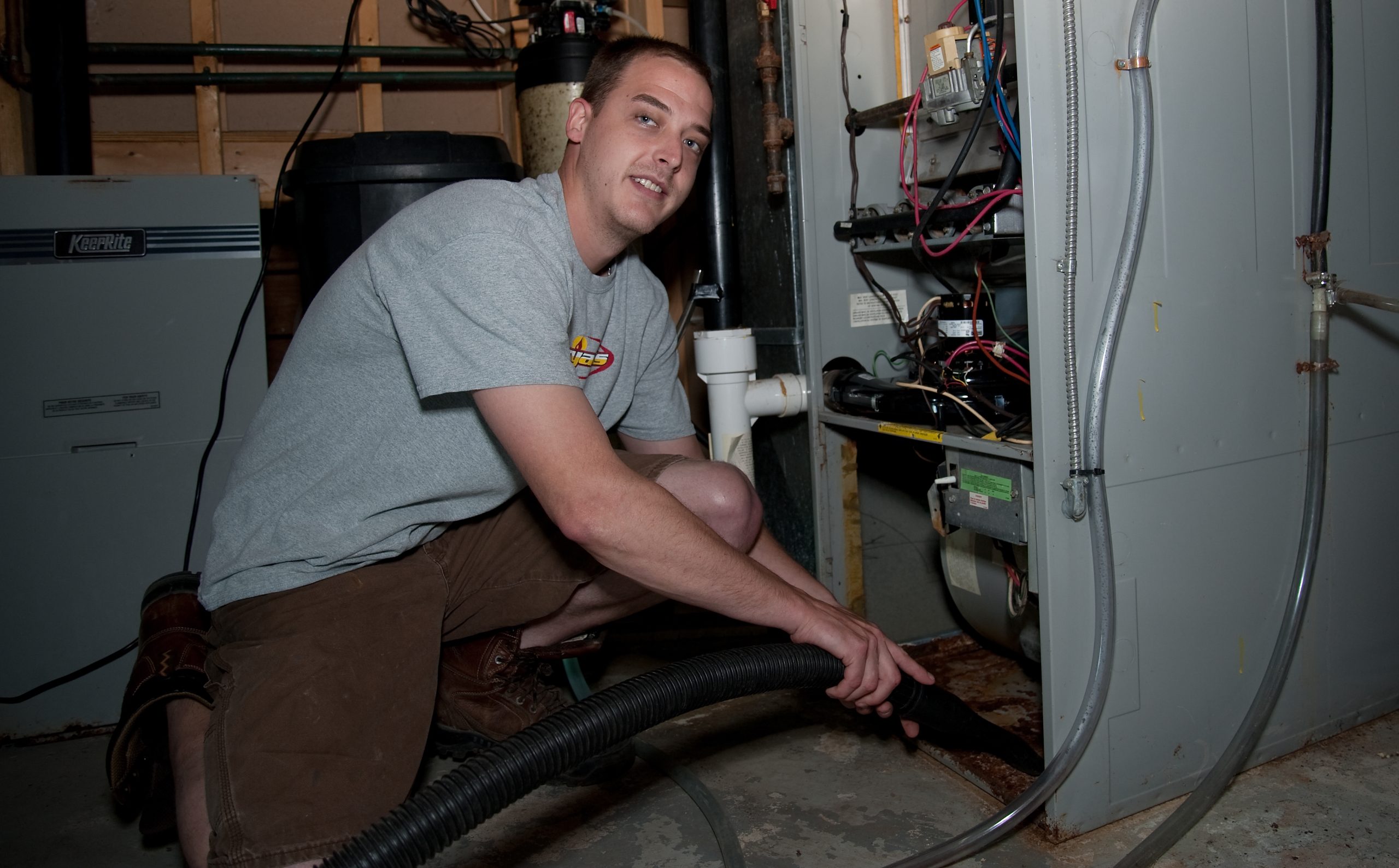
Maintenance tasks keep systems efficient and prevent breakdowns. You’ll clean filters, lubricate parts, and replace worn components regularly.
When repairs are needed, you’ll diagnose problems and fix them, which could mean anything from replacing a motor to sealing leaks in ductwork.
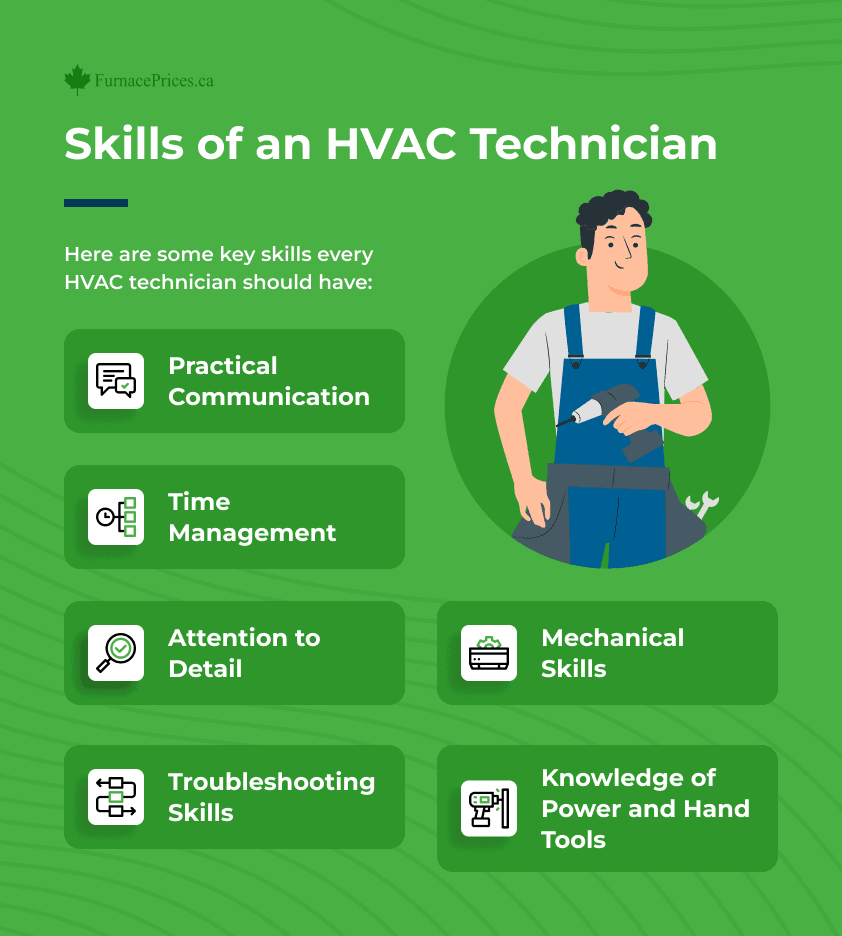
Key Skills And Qualities
Technical knowledge is crucial. Understanding electrical systems, refrigeration cycles, and mechanical parts lets you troubleshoot effectively.
Strong problem-solving skills help you think on your feet. Every system is different, and unexpected issues pop up often.
Good communication makes a big difference. You’ll explain problems and solutions clearly to customers, helping them make informed decisions.
Physical stamina matters too. You’ll often work in tight spaces, climb ladders, and carry heavy equipment.
Are you ready to handle challenges that vary daily and require both brains and hands? If so, this role might be a great fit for you.
Educational Requirements
Becoming an HVAC technician requires specific education and training. This field demands knowledge in heating, ventilation, and air conditioning systems. Educational requirements lay the foundation for practical skills and safety standards. Understanding these requirements helps you prepare for a successful career in HVAC.
High School Courses To Focus On
High school is the first step in HVAC education. Focus on classes that build technical and problem-solving skills. Key subjects include:
- Mathematics – basic algebra and geometry
- Physics – principles of heat and energy
- Electrical theory – understanding circuits and wiring
- Technical drawing – reading blueprints and schematics
- Computer science – basic software skills
These courses help develop the skills needed for HVAC work and training.
Vocational Training Options
Vocational schools offer specialized HVAC programs. These programs combine classroom learning with hands-on experience. Training usually lasts six months to two years. Courses cover installation, maintenance, and repair of HVAC systems. Some programs also teach safety and energy efficiency. Apprenticeships provide on-the-job training under expert supervision. Choose a program accredited by recognized industry organizations for better job prospects.
Certification And Licensing
Certification proves your skills and knowledge in HVAC work. Many employers require certifications for hiring. Common certifications include EPA Section 608 for handling refrigerants. Other certifications cover electrical work and system installation. Licensing rules vary by state or region. Licensing ensures compliance with local safety and building codes. Prepare for exams by studying relevant codes and regulations. Certification and licensing improve job opportunities and career growth.
Training And Apprenticeships
Training and apprenticeships form the backbone of becoming a skilled HVAC technician. This phase equips you with hands-on experience and essential knowledge that classroom learning alone can’t provide. Understanding how to find the right apprenticeship and what to expect during training will set you up for success in this demanding trade.
Finding The Right Apprenticeship
Look for apprenticeships that offer a balance between paid work and learning opportunities. Check with local HVAC companies, trade unions, and technical schools—they often partner to provide structured programs.
Ask about the length of the apprenticeship, the variety of systems you’ll work on, and the support from experienced technicians. Does the program include certifications or licenses? These details can make a big difference in your career growth.
- Visit job fairs focused on skilled trades
- Network with industry professionals on platforms like LinkedIn
- Contact your state’s labor department for registered apprenticeship listings
What To Expect During Training
Expect a mix of classroom learning and on-the-job training. You’ll study topics like electrical systems, refrigeration, and safety protocols, then apply them while assisting seasoned technicians.
Training can be physically demanding and requires attention to detail. You might spend long hours in tight spaces or harsh weather conditions, but this real-world experience is invaluable.
Prepare to troubleshoot, repair, and install various HVAC systems. Each day will bring new challenges, sharpening your problem-solving skills and technical knowledge.
Tools And Equipment
Working as an HVAC technician requires using the right tools and equipment. These tools help diagnose, repair, and maintain heating, ventilation, and air conditioning systems. Knowing which tools to carry is essential for efficiency and safety.
Every HVAC job demands a basic set of tools. Some tools are for measuring, while others help with repairs or installations. Understanding their use makes the work easier and faster.
Essential Hvac Tools
- Manifold Gauge Set: Measures pressure in cooling systems.
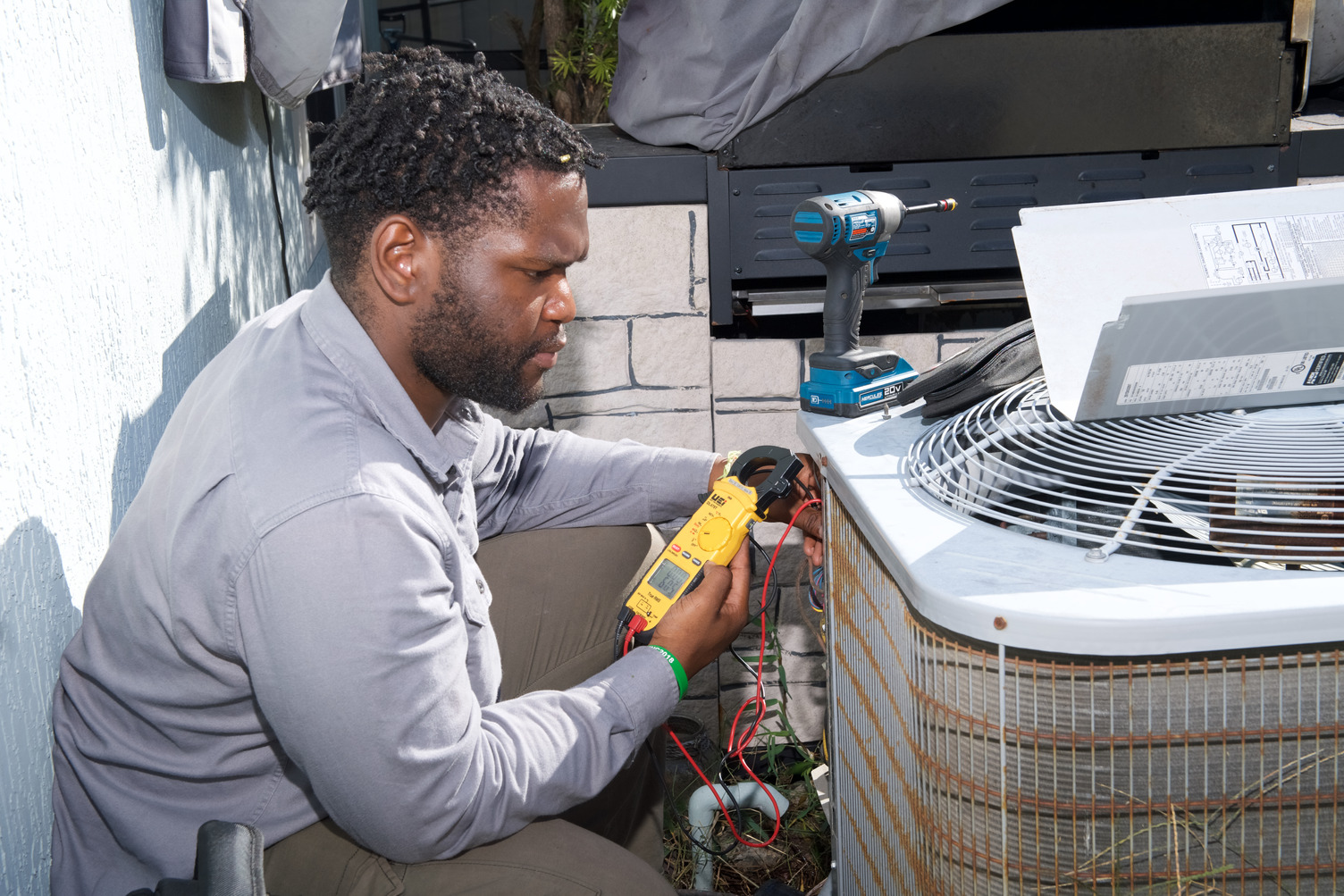
- Multimeter: Checks electrical circuits and components.
- Refrigerant Leak Detector: Finds leaks in AC systems.
- Thermometer: Measures air and surface temperatures.
- Pipe Wrenches: Tightens or loosens plumbing connections.
- Vacuum Pump: Removes air and moisture from refrigerant lines.
- Screwdrivers and Nut Drivers: Essential for assembling and disassembling parts.
- Wire Strippers and Crimpers: Prepares wires for connections.
- Fin Comb: Straightens bent cooling fins on coils.
- Flashlight: Helps see in dark or tight spaces.
Safety Gear And Practices
Safety is crucial in HVAC work. Technicians face risks like electric shock, sharp parts, and harmful chemicals. Using proper safety gear reduces these dangers.
- Safety Glasses: Protect eyes from debris and chemicals.
- Gloves: Shield hands from cuts and burns.
- Respirators or Masks: Prevent inhaling dust and fumes.
- Ear Protection: Guards against loud noises in some environments.
- Steel-Toed Boots: Protect feet from heavy falling objects.
- Proper Clothing: Wear long sleeves and pants to avoid skin contact.
Always follow safety rules. Turn off power before starting work. Use tools correctly to avoid accidents. Stay alert and keep the workspace clean.
Job Search Strategies
Becoming an HVAC technician requires hands-on experience and certification. Attend trade schools for practical skills and knowledge. Networking with professionals can open job opportunities.
Searching for a job as an HVAC technician can be both exciting and challenging. With the right strategies, you can stand out in a competitive field. Here’s how you can enhance your job search and land the position you’re aiming for.Building A Strong Resume
Crafting a compelling resume is your first step. Highlight your technical skills and certifications prominently. Use bullet points to list your experiences and achievements in previous roles. Tailor your resume to each job application. Mention specific systems or technologies you’ve worked with, such as split systems or heat pumps. Quantify your accomplishments. Instead of saying “improved efficiency,” state “increased system efficiency by 20%.”Networking Tips
Networking can significantly boost your job search. Attend industry events and HVAC trade shows to meet potential employers and peers. Join online communities and forums related to HVAC. Engage in discussions and share your expertise to establish yourself as a knowledgeable professional. Don’t underestimate the power of LinkedIn. Connect with industry leaders and join relevant groups to stay updated on job openings.Interview Preparation
Preparation is crucial for a successful interview. Research the company and understand their services and client base. Practice common interview questions related to HVAC systems. Be ready to discuss troubleshooting methods and safety protocols. Present real-life examples from your experience. Describe how you solved a specific problem or improved a system’s performance. Remember, the job search process is as much about finding the right fit for you as it is about impressing employers. What unique strengths do you bring to the table?Career Advancement
Career advancement in the HVAC field offers many opportunities for growth. Building skills and gaining experience can lead to higher pay and more responsibilities. Expanding knowledge opens doors to specialized roles and leadership positions. Planning your career path carefully helps you reach your goals faster.
Specializations In Hvac
Specializing in a specific HVAC area can increase your value. You might focus on:
- Refrigeration systems
- Heating systems
- Air conditioning
- Energy management
- Commercial HVAC systems
Each specialization requires different skills and training. Specialties allow you to work on unique projects and earn more.
Continuing Education
Continuing education helps you stay up to date with technology. Attending workshops and courses improves your knowledge. Certification programs boost your credibility and job prospects. Many employers prefer technicians with current licenses and training. Learning new skills can lead to promotions and salary increases.
Starting Your Own Business
Running your own HVAC business is a major step. It gives you control over your work and income. You need skills in marketing, finance, and customer service. Building a strong client base takes time and effort. Owning a business allows you to hire others and expand your services.
Challenges In Hvac Career
Choosing a career as an HVAC technician means preparing yourself for real challenges on the job. These challenges test your problem-solving skills, patience, and physical endurance every day. Understanding what you might face helps you stay ready and succeed in this demanding field.
Common Worksite Issues
Working in HVAC means dealing with unpredictable environments. You may find yourself in cramped attics, dusty basements, or noisy industrial settings. Each location presents unique obstacles like poor lighting or limited space that complicate repairs.
Sometimes, equipment may be outdated or poorly maintained, making diagnosis tricky. You need to adapt quickly, relying on your knowledge and experience to troubleshoot effectively. Have you ever faced a job where the tools you needed were missing or broken? That’s a daily reality for many HVAC techs.
Managing Physical Demands
This career requires strength and stamina. Carrying heavy equipment, climbing ladders, and bending into tight spots can wear you down. Over time, this physical strain can lead to fatigue or injury if you aren’t careful.
To protect your body, prioritize proper lifting techniques and take breaks when needed. Stretching before and after work helps maintain flexibility and reduce soreness. How do you make sure your body can keep up with the job’s demands?
Credit: bryansfuel.on.ca
Credit: www.rsi.edu
Frequently Asked Questions
What Education Is Required To Become An Hvac Technician?
Most HVAC technicians need a high school diploma or GED. Completing a technical training program or apprenticeship improves job prospects. Certification from organizations like NATE can enhance credibility and skills. Continuous learning is important to keep up with new technologies in HVAC systems.
How Long Does Hvac Technician Training Take?
Training programs usually last from six months to two years. Apprenticeships can take three to five years to complete. The duration depends on the level of education and certification desired. Hands-on experience is essential for mastering HVAC skills during training.
What Skills Are Essential For Hvac Technicians?
Key skills include mechanical aptitude, problem-solving, and attention to detail. Good communication helps in explaining issues to clients. Physical stamina is necessary for handling equipment and working in various environments. Staying updated on safety standards is crucial for the job.
How Much Do Hvac Technicians Typically Earn?
The average salary varies by location and experience but usually ranges from $40,000 to $70,000 annually. Entry-level technicians earn less, while experienced or certified ones can earn more. Overtime and specialized skills can increase overall income in this field.
Conclusion
Becoming an HVAC technician takes time and effort. Start with basic training and get hands-on experience. Stay curious and keep learning new skills. Safety always comes first on the job. Good communication helps you work well with customers. This career offers steady work and good pay.
Step by step, you can build a strong future. Keep your tools ready and your knowledge fresh. The path may have challenges, but it is worth it. Ready to take the next step?



