
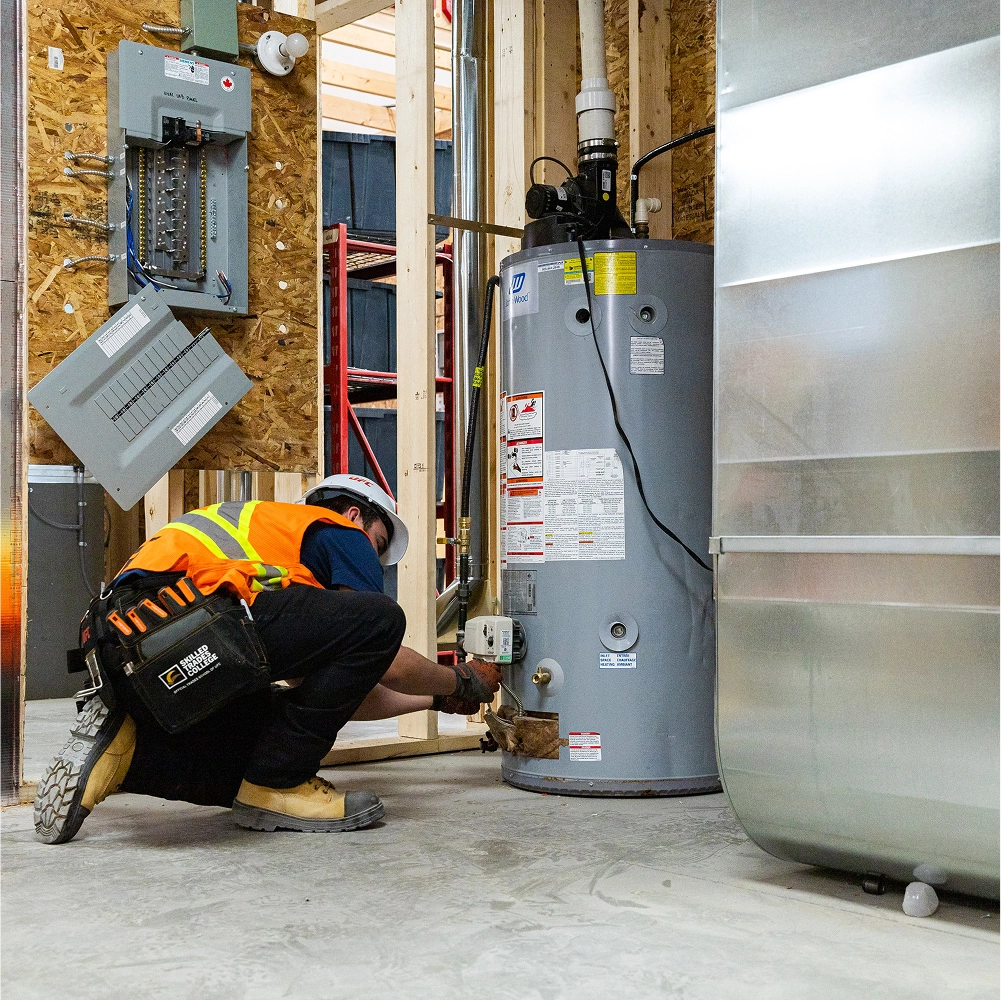
Are you interested in a career that keeps homes and businesses comfortable all year round? Becoming an air conditioning technician could be the perfect fit for you.
Imagine having the skills to fix, install, and maintain cooling systems that people rely on every day. You’ll discover clear, simple steps to start your journey toward this rewarding profession. Keep reading to learn how you can turn your interest into a steady, well-paying career.

Credit: acecollegecanada.com
Career Path Overview
Choosing a career as an air conditioning technician means stepping into a field that blends hands-on skills with technical knowledge. Understanding the career path can help you decide if this job fits your interests and goals. Here’s a clear look at what this role involves, where you might work, and what the future holds.
Role And Responsibilities
As an air conditioning technician, your main job is to install, maintain, and repair cooling systems. You’ll work with different types of units, from small residential air conditioners to large commercial systems.
Your daily tasks include diagnosing system problems, replacing faulty parts, and performing routine checks to keep systems running efficiently. You also need to read technical manuals and use specialized tools. Communicating clearly with customers about repairs and maintenance is essential too.
Work Environment
You won’t be stuck in an office all day. Expect to spend much of your time on-site, which can be indoors or outdoors depending on the job. You may work in homes, office buildings, factories, or even outdoors on rooftops.
The work can sometimes be physically demanding, requiring you to lift heavy equipment or work in tight spaces. However, many technicians enjoy the variety and the opportunity to solve real-world problems every day. Are you comfortable with active, hands-on work and sometimes unpredictable conditions?
Job Outlook And Demand
The demand for skilled air conditioning technicians is steady and expected to grow. As technology advances and more buildings require energy-efficient cooling systems, your expertise will become even more valuable.
Many regions face a shortage of qualified technicians, which means good job security and competitive pay. If you keep your skills updated, you could find opportunities in specialized areas like green technologies or HVAC automation. How will you keep yourself ahead in this changing field?
Essential Skills And Qualifications
Becoming an air conditioning technician requires a mix of specific skills and qualifications. These are crucial to perform the job safely and effectively. Understanding these essentials helps prepare for the demands of the role.
Technical Skills
Technical skills form the foundation for any air conditioning technician. These include:
- Knowledge of HVAC systems and components
- Ability to read technical manuals and blueprints
- Proficiency in electrical wiring and circuitry
- Skill in diagnosing and repairing mechanical issues
- Experience with refrigerants and their handling
- Use of specialized tools and testing equipment
These skills ensure accurate installation, maintenance, and troubleshooting.
Soft Skills
Soft skills improve communication and work quality. Important soft skills include:
- Good listening to understand customer needs
- Clear communication with clients and team members
- Problem-solving to find quick solutions
- Attention to detail for safety and precision
- Time management to complete jobs on schedule
- Physical stamina for demanding tasks
These traits help maintain professionalism and customer satisfaction.
Educational Requirements
Education provides the knowledge base for this career. Typical requirements include:
- High school diploma or equivalent
- Completion of HVAC training programs
- Certification in refrigerant handling (EPA Section 608)
- Apprenticeship or on-the-job training
- Optional associate degree in HVAC technology
Formal education boosts understanding of system design and safety standards.
Training And Certification
Training and certification lay the foundation for a successful career as an air conditioning technician. The right education equips you with hands-on skills and technical knowledge essential for handling HVAC systems safely and efficiently. Let’s examine the main pathways to get trained and certified in this field.
Apprenticeship Programs
Apprenticeships combine paid on-the-job training with classroom instruction. You work alongside experienced technicians while learning practical skills in real-world situations.
Many apprenticeships last 3 to 5 years, giving you time to master installation, maintenance, and repair techniques. You also earn while you learn, which helps you avoid student debt.
Have you considered how working directly in the field could accelerate your learning? Apprenticeships often lead to strong industry connections and job offers after completion.
Trade School Options
Trade schools offer structured courses focused on HVAC technology. These programs cover electrical systems, refrigeration, and safety regulations in a classroom setting.
Most trade schools offer certificates or diplomas within 6 months to 2 years. This path suits those who prefer focused study before entering the workforce.
Look for schools with modern equipment and experienced instructors to ensure you get relevant, up-to-date training. Some schools also provide job placement assistance after graduation.
Certification Bodies And Exams
Getting certified proves your skills and increases your credibility with employers and clients. Key certifications include EPA Section 608, NATE (North American Technician Excellence), and HVAC Excellence.
The EPA Section 608 certification is mandatory for handling refrigerants. You must pass a test covering safety and environmental regulations.
NATE certification is highly regarded and tests your knowledge through written and practical exams. It shows you meet industry standards and can handle complex HVAC systems.
Which certification fits your career goals? Consider starting with EPA 608, then advancing to specialty certifications as you gain experience.
Gaining Hands-on Experience
Getting hands-on experience is essential to becoming a skilled air conditioning technician. This practical exposure helps you understand the real-world challenges and nuances of the job. It also builds your confidence and sharpens your problem-solving skills in ways that theory alone cannot.
Internships And Entry-level Jobs
Internships offer a direct path to working alongside experienced professionals. You get to observe daily tasks, learn safety protocols, and handle basic repairs under supervision. Entry-level jobs, even those focused on general maintenance or assisting roles, expose you to different types of systems and troubleshooting techniques.
Ask yourself: are you ready to start at the bottom and learn every detail? The hands-on experience gained here sets the foundation for your technical expertise.
On-the-job Training
Many companies provide on-the-job training where you learn specific skills while earning a paycheck. This training often includes working with diagnostic tools, installing units, and performing routine maintenance. It’s a great way to apply classroom knowledge directly to real equipment and customer scenarios.
Think about the last time you fixed something yourself—didn’t that hands-on approach teach you faster than just reading about it? The same applies here, where trial and error under guidance improves your abilities.
Building A Portfolio
Keeping a portfolio of your work helps document your progress and skills. Include photos of installations, repair logs, and any certifications earned during your training. This portfolio can impress future employers by showing your practical experience and attention to detail.
Consider how your portfolio can answer questions before they’re even asked. What projects best showcase your strengths? Your portfolio becomes your personal proof of expertise.
Licensing And Legal Requirements
Becoming an air conditioning technician requires obtaining proper licenses and meeting legal standards. Technicians must complete certified training and pass exams to work safely and legally. Following these rules ensures compliance and protects both workers and customers.
Becoming an air conditioning technician requires meeting certain legal standards. Licensing and legal requirements ensure technicians perform safely and professionally. Understanding these requirements is crucial for a successful career in HVAC.State And Local Regulations
Each state has its own licensing rules. Some require exams, others don’t. Check local laws to know what’s needed. Meeting these ensures legal compliance and credibility. Local municipalities might have extra rules. Always stay updated with state and local changes.Epa Certification
The Environmental Protection Agency (EPA) has specific requirements. Technicians must handle refrigerants safely. This certification is essential. It prevents environmental harm and ensures safe practices. The test covers different types of equipment. Study thoroughly to pass.Continuing Education
Learning never stops in this field. Continuing education keeps you updated. New technologies and methods emerge regularly. Courses and workshops are available. They enhance skills and knowledge. Staying informed increases job opportunities and career growth.Tools And Equipment Familiarity
Becoming an air conditioning technician means getting hands-on with a variety of tools and equipment. Your familiarity with these tools not only boosts your confidence but also improves your efficiency and safety on the job. Understanding what each tool does and how to use it properly can set you apart in this technical field.
Common Tools Used
Every air conditioning technician relies on a core set of tools daily. These include:
- Manifold Gauge Set:Measures pressure in refrigerant lines and helps diagnose system issues.
- Refrigerant Recovery Machine:Safely removes refrigerants from AC systems for repair or disposal.
- Vacuum Pump:Evacuates air and moisture from the system before recharging with refrigerant.
- Multimeter:Checks electrical components like voltage, current, and resistance.
- Pipe Cutters and Flaring Tools:Used to prepare copper tubing for connections.
Have you ever tried fixing a system without the right gauge or meter? It quickly becomes frustrating and inefficient. Getting comfortable with these tools early can save you time and headaches on the job.
Safety Equipment
Working with HVAC systems exposes you to electrical hazards, refrigerants, and sharp components. Safety gear is not optional—it’s essential. Your basic safety kit should include:
- Protective gloves to prevent cuts and chemical burns.
- Safety goggles to shield your eyes from debris and refrigerants.
- Respirators or masks when handling refrigerants or working in confined spaces.
- Insulated tools to reduce the risk of electric shock.
Ignoring safety equipment can lead to injuries that sideline your career. Do you prioritize safety gear before starting any repair? It’s a habit that will protect you in the long run.
Technology In Hvac
Modern air conditioning systems include smart technology and digital controls. Familiarizing yourself with these advancements is crucial. You might encounter:
- Wi-Fi-enabled thermostats that allow remote system control.
- Digital multimeters with advanced diagnostic features.
- Mobile apps that assist in system monitoring and troubleshooting.
- Software for system design and load calculations.
Learning how to use these digital tools can make your work more precise and efficient. Are you ready to update your skills to match the tech evolving around you? Staying current keeps you competitive and in demand.
Career Advancement Opportunities
Career advancement in the air conditioning field offers more than just increased paychecks. It opens doors to diverse paths that can match your interests and skills. Knowing these paths helps you plan your next move and stay motivated.
Specializations
Focusing on a specific area of air conditioning can make you stand out. You might choose to become an expert in HVAC system design, refrigeration, or energy-efficient technologies. Specializing often means additional certifications or training, but it also leads to higher demand for your skills.
For instance, mastering eco-friendly systems can position you as a go-to technician as more businesses aim to reduce their carbon footprint. What niche excites you enough to become an expert?
Supervisory Roles
Taking on a leadership role is a common step for experienced technicians. Supervisory roles involve managing teams, scheduling jobs, and ensuring quality control on projects. These positions require good communication and organizational skills, not just technical know-how.
Imagine guiding a team through a complex installation or troubleshooting mission. This experience grows your responsibility and influence within a company. Have you thought about developing soft skills that prepare you for management?
Starting Your Own Business
Becoming an entrepreneur in air conditioning lets you control your schedule and income. Running your own business means handling customer relations, marketing, and finances alongside technical work. It’s a challenging path but rewarding for those who want independence.
Many technicians start small, offering local repair services, then expand as their reputation grows. If you enjoy problem-solving and building client trust, starting your own business could be your next big step. What would your business focus on if you launched tomorrow?
Salary And Benefits
Air conditioning technicians earn a steady salary with chances for overtime pay. Benefits often include health insurance, paid time off, and retirement plans. These perks improve job satisfaction and financial security.
Becoming an air conditioning technician offers a rewarding career path. The role is both in demand and offers a competitive salary. Understanding the financial benefits can be motivating. Here, we explore the salary and additional perks.Average Pay
Air conditioning technicians earn a decent living. The average salary ranges between $40,000 to $60,000 annually. This varies depending on experience and location. Entry-level positions might start lower. But with experience, pay rises steadily.Factors Affecting Salary
Several elements influence an air conditioning technician’s salary:- Experience:More experience often equals higher pay.
- Location:Urban areas usually offer higher salaries.
- Certification:Specialized certifications can boost earnings.
- Employer Type:Large companies might pay more than small businesses.
Additional Perks
Being an air conditioning technician includes benefits beyond salary.- Health Insurance:Many employers offer comprehensive health plans.
- Retirement Plans:Some companies provide 401(k) matching.
- Paid Time Off:Vacation days and sick leave are common.
- Training Opportunities:Employers may offer ongoing training sessions.
Tips For Success
Success as an air conditioning technician doesn’t just come from mastering the technical skills. It requires smart strategies that help you grow your career, stay relevant, and maintain a healthy balance in life. Focusing on key areas like networking, staying updated, and managing your work-life balance will make your journey smoother and more rewarding.
Networking Strategies
Building a strong network can open doors you didn’t expect. Attend local trade shows, join HVAC forums online, and connect with experienced technicians in your area. These relationships can lead to job opportunities, mentorship, and insider tips that textbooks don’t teach.
Think about reaching out to manufacturers or suppliers too. They often have training sessions or events where you can meet industry professionals. Have you ever considered how a simple conversation at a trade event could lead to your next big break?
Staying Updated With Industry Trends
The HVAC industry changes fast with new technologies and regulations. Subscribe to industry newsletters, follow leading HVAC blogs, and consider online courses to keep your skills sharp. This will help you offer the best solutions to your clients and stay ahead of the competition.
For example, learning about eco-friendly refrigerants or smart thermostat installations can set you apart. Are you regularly checking what’s new in your field, or are you relying only on what you learned during training?
Work-life Balance
Long hours and emergency calls can wear you down quickly. Setting clear boundaries between work and personal time protects your energy and keeps you motivated. Use scheduling apps or tools to manage your appointments efficiently.
Remember, taking time off to recharge improves your focus and quality of work. How often do you give yourself a break from the physical and mental demands of the job? Balancing work and life is not just a luxury—it’s part of your success formula.

Credit: nats.ca
Credit: tidewatertechtrades.edu
Frequently Asked Questions
What Qualifications Do I Need To Become An Ac Technician?
You need a high school diploma or GED. Completing a technical training program in HVAC is essential. Certification like EPA Section 608 is required for handling refrigerants safely.
How Long Does It Take To Become An Ac Technician?
Training programs usually last 6 months to 2 years. Apprenticeships can extend learning but provide hands-on experience. Certification preparation is included in most courses.
What Skills Are Essential For An Ac Technician?
Strong mechanical skills and electrical knowledge are vital. Problem-solving and attention to detail help in diagnostics. Good communication aids in customer service and teamwork.
Is Certification Necessary For Air Conditioning Technicians?
Yes, certification ensures legal compliance and safety. EPA certification is mandatory for refrigerant handling. Additional certifications boost job prospects and credibility.
Conclusion
Becoming an air conditioning technician takes time and effort. Learn the basics first, then get proper training. Practice your skills regularly to improve. Stay updated with new tools and technology. Safety matters, so follow all guidelines. Good communication helps with customers and teams.
This career offers steady work and growth. Start small, keep learning, and stay focused. Your hard work will pay off in time.



