
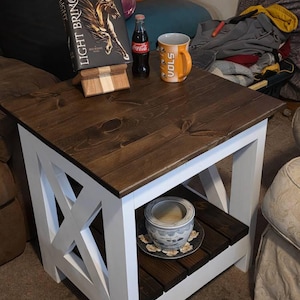
Are you ready to add a warm, cozy touch to your living space? Building a farmhouse coffee and end table can do just that.
Imagine having furniture that’s not only stylish but also made by your own hands. It’s easier than you think, and you don’t need to be an expert. In this guide, you’ll discover simple steps and tips to create beautiful tables that fit your home perfectly.
Keep reading, and soon you’ll have unique pieces that bring charm and comfort to your room.
Choosing Materials
Choosing the right materials is the first key to building a farmhouse coffee and end table. Good materials make your table strong and long-lasting. They also give the table a warm, natural look that fits the farmhouse style. Spend time selecting wood and supplies that match your vision and budget.
Selecting The Right Wood
Wood choice affects the table’s appearance and durability. Pine is a popular option. It is soft, easy to work with, and has a light color. Oak and maple are harder woods. They offer great strength but cost more. Reclaimed wood adds character and a rustic feel. Choose wood with minimal knots and cracks for smooth work and better finish.
Gathering Tools And Supplies
Gathering the right tools ensures a smoother building process. Basic tools include:
- Measuring tape
- Power drill
- Saw (circular or miter)
- Screwdriver
- Sandpaper or power sander
- Wood glue
- Clamps
Also, pick the right screws and finishes. Finishes protect wood and highlight its grain. Choose natural stains or paint for a classic farmhouse look.

Credit: www.youtube.com
Planning Your Design
Planning your design is the foundation of building a farmhouse coffee and end table that fits perfectly in your space and matches your style. Without a clear plan, you risk wasting materials or ending up with a piece that doesn’t serve your needs. Taking time to carefully measure and sketch your ideas will save you frustration and help bring your vision to life with confidence.
Measuring Dimensions
Start by measuring the space where you want your table to sit. Consider the height, width, and depth carefully to ensure the table complements your existing furniture without overcrowding the room.
Think about how you will use the table. Will it hold books, drinks, or decorative items? Knowing this will guide the size and shape you choose.
- Measure the height of your couch or chair to match the table’s height for easy reach.
- Leave enough clearance around the table for comfortable movement.
- Write down all your measurements clearly and double-check them before buying materials.
Sketching The Layout
Sketching your design helps you visualize the final product and spot potential issues. You don’t need fancy tools—a simple pencil and paper will do.
Draw the table from different angles and label the dimensions. This makes it easier to communicate your ideas if you ask for help or buy pre-cut wood.
Try different styles on paper, like adding shelves or drawers, and see what feels right. This step encourages creativity and practical thinking at the same time.
- Include details like leg style, tabletop thickness, and any decorative elements.
- Mark where screws or joints will go to plan your assembly.
- Use a ruler or grid paper to keep your lines straight and proportions accurate.
Cutting The Wood
Cutting wood precisely ensures all pieces fit together smoothly for the farmhouse coffee and end table. Measure twice, cut once to avoid mistakes and waste. Use a sharp saw for clean, straight edges.
Cutting the wood is a crucial step in building your farmhouse coffee and end table. Precision and safety are key during this process. Proper preparation ensures the final product fits together seamlessly. Let’s explore how to approach this task effectively.Marking Cut Lines
Begin with accurate measurements. Use a measuring tape to determine the wood dimensions. Mark each cut line clearly with a pencil. This helps in maintaining precision during cutting. Straight lines are vital for a perfect fit. Use a carpenter’s square for guidance. Double-check all measurements to avoid mistakes.Using Saws Safely
Safety is crucial when using saws. Equip yourself with safety goggles and gloves. Use a saw that suits your wood type. For straight cuts, a circular saw is ideal. Ensure the wood is firmly clamped before cutting. This prevents movement and ensures accuracy. Always cut slowly and steadily. Following these steps ensures both safety and precision.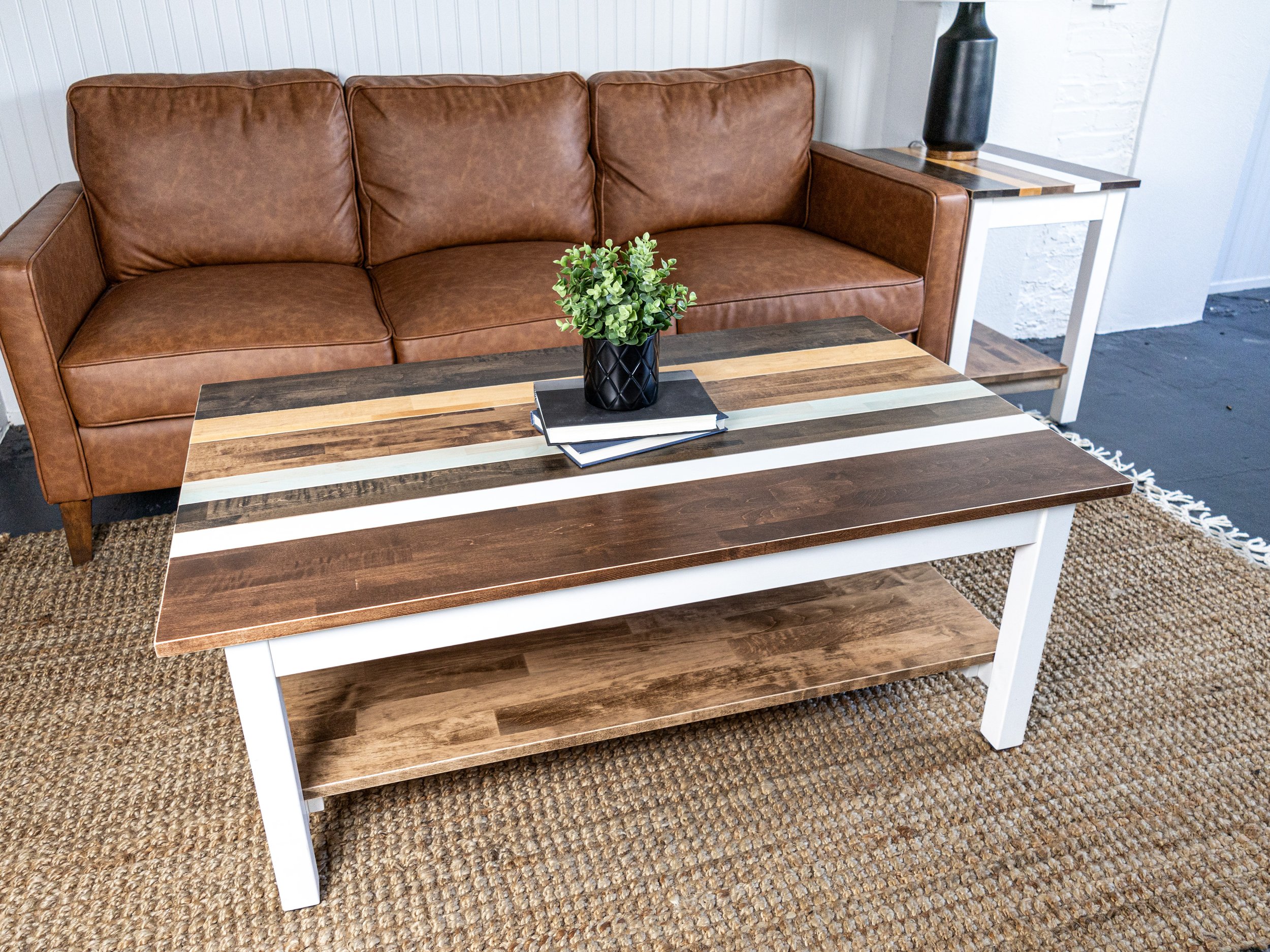
Credit: www.theappelshop.com
Assembling The Frame
Assembling the frame is a crucial part of building your farmhouse coffee and end table. This step creates the basic structure that supports the entire piece. Accuracy and care during assembly ensure the table is sturdy and looks great.
Begin by organizing all the cut pieces. Check the wood for any imperfections before joining. A well-prepared frame makes the rest of the build easier and faster.
Joining Pieces Together
Start by fitting the frame pieces side by side. Use wood glue on the edges for a strong bond. Align each piece carefully to keep corners square.
- Place the legs on a flat surface.
- Attach the side rails to the legs.
- Use clamps to hold pieces in place.
Check the frame for level and adjust as needed. Proper alignment prevents wobbling later.
Securing With Screws And Nails
After dry-fitting and gluing, secure the frame with screws and nails. This adds strength and holds everything firmly.
- Pre-drill holes to avoid splitting the wood.
- Use screws for main joints.
- Finish with nails to tighten smaller gaps.
Drive screws in straight and countersink them slightly. This lets you cover holes later for a clean look.
Building The Tabletop
Building the tabletop is a key part of creating your farmhouse coffee and end table. It sets the style and strength of your piece. A solid, well-crafted tabletop brings charm and durability to the furniture. The process involves arranging wooden planks and securing them to the frame. Each step shapes the look and function of your table.
Arranging Planks
Start by selecting planks with similar thickness and grain. Lay them side by side on a flat surface. Check for gaps and uneven edges. Use clamps to hold the planks tightly together. This prevents movement while working. Arrange the planks to balance the wood grain pattern. This adds visual appeal and farmhouse character.
Attaching To Frame
Place the arranged planks on the table frame carefully. Use wood glue along the frame edges for extra strength. Attach the planks using screws or nails from underneath. This keeps the top surface smooth and clean. Check for alignment and adjust before securing fully. Let the glue dry completely before moving the table.
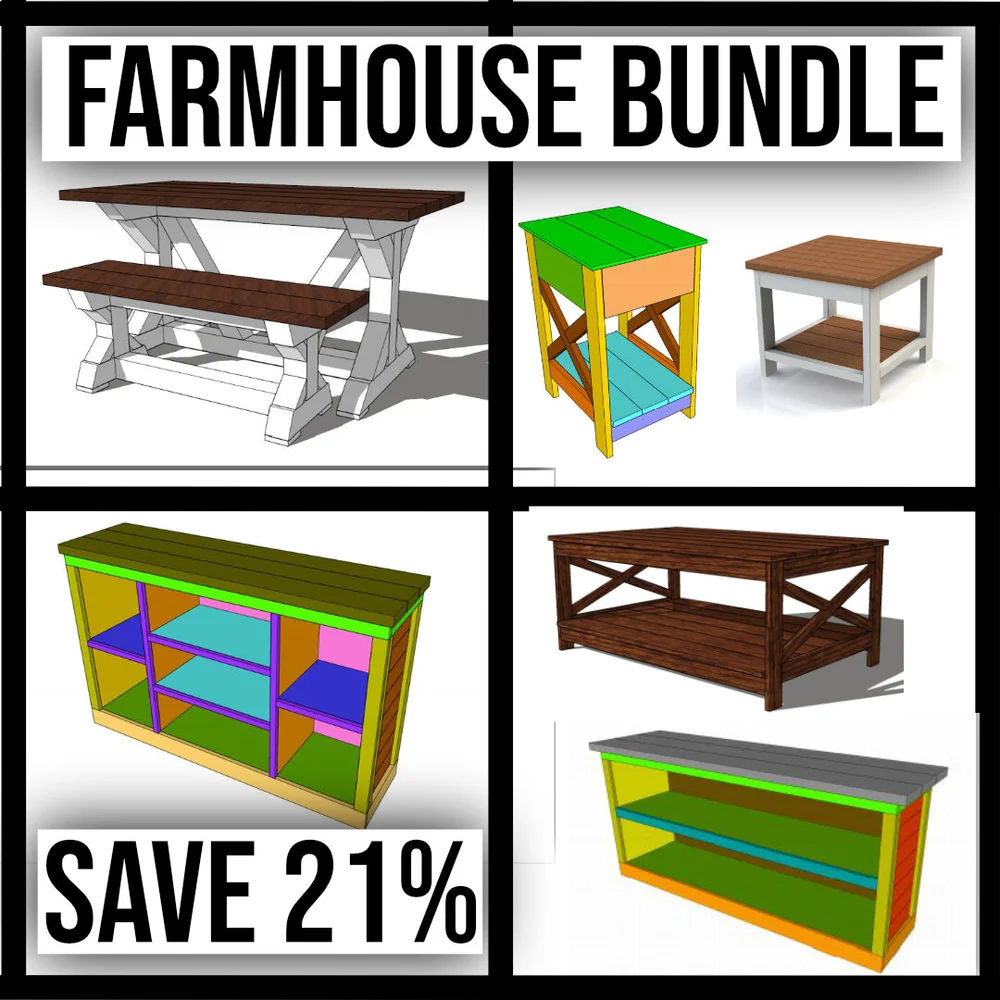
Credit: www.731woodworks.com
Adding Finishing Touches
Adding finishing touches to your farmhouse coffee and end table is where your project truly comes to life. This phase enhances both the look and feel of your furniture, making it inviting and ready for use. Paying close attention here will ensure your piece stands out and lasts longer.
Sanding Smooth Surfaces
Sanding is essential to create a flawless surface that feels soft to the touch. Use medium-grit sandpaper first to remove rough patches and then switch to fine-grit for a smooth finish.
Take your time and sand along the wood grain to avoid scratches. If you notice any uneven areas, don’t rush—go back and even them out. Have you tried running your hand over the surface after sanding? That simple check can tell you if you’re ready for the next step.
Applying Stain Or Paint
Choosing between stain and paint depends on the look you want. Stain highlights the natural grain and adds warmth, while paint can bring bold color and a clean finish.
Apply your stain or paint in thin, even coats using a brush or cloth. Let each coat dry completely before adding another—patience here pays off. Remember, testing your color choice on a scrap piece of wood can save you from surprises later.
Installing Hardware
Installing hardware on your farmhouse coffee and end table adds both function and charm. The right hardware makes drawers and doors easy to use. It also boosts the rustic look of your furniture. Pay close attention to placement and secure fittings. This ensures long-lasting performance and style.
Attaching Handles Or Knobs
Choose handles or knobs that match your farmhouse style. Measure the drawer or door carefully before drilling holes. Mark the spots clearly with a pencil. Use a drill bit that fits the screws perfectly to avoid wood splitting.
Insert the screws through the inside of the drawer or door. Align the handle or knob over the holes and tighten the screws firmly. Check that the hardware sits flush and does not wobble. Repeat the process for each handle or knob.
Adding Protective Feet
Protective feet prevent scratches and damage to floors. They also help stabilize the table on uneven surfaces. Select feet made of rubber, felt, or silicone for best protection.
Clean the bottom of each leg before attaching feet. Peel off adhesive backing or use small screws if required. Press the feet firmly against the wood. Test the table’s balance and adjust feet if necessary.
Maintaining Your Table
Maintaining your farmhouse coffee and end table ensures it stays beautiful and functional for years. A little care goes a long way in preserving the wood’s natural charm and preventing damage. How you clean and handle small repairs can make a big difference in your table’s lifespan.
Cleaning Tips
Keep your table looking fresh by dusting it regularly with a soft, dry cloth. Avoid using harsh chemicals or abrasive cleaners that can strip the finish or damage the wood. Instead, try a gentle mix of mild soap and water applied with a damp cloth, then dry immediately to prevent moisture damage.
Have you ever noticed how water rings appear after a simple spill? Quickly blot any spills to stop stains from setting in. For tougher spots, use a wood cleaner designed specifically for your table’s finish to restore its shine.
Repairing Minor Damages
Small scratches and dents happen, especially with everyday use. Don’t let them ruin your table’s look. Use a wood touch-up marker or wax filler sticks that match your table’s color to disguise these blemishes.
If you encounter loose joints or wobbly legs, tighten screws or use wood glue to reinforce the connections. Taking care of these minor issues early prevents bigger problems later. What’s one small repair you’ve done that made a big difference in your furniture’s durability?
Frequently Asked Questions
What Materials Are Needed For Farmhouse Coffee And End Tables?
You need wood planks, screws, sandpaper, wood stain, sealant, and tools like saw and drill. Choose durable wood like pine or oak for a sturdy finish.
How Long Does It Take To Build These Tables?
Building a farmhouse coffee and end table usually takes 1 to 2 days. Time varies based on skill level and drying time for stain and sealant.
Can Beginners Build Farmhouse Coffee And End Tables?
Yes, beginners can build these tables with clear instructions. Basic woodworking skills and patience are essential. Start with simple designs to gain confidence.
What Wood Finish Suits Farmhouse Style Tables Best?
Matte or satin wood stains in natural or warm tones suit farmhouse style. These finishes highlight wood grain and create a rustic, cozy look.
Conclusion
Building a farmhouse coffee and end table is a fun project. It adds charm and function to any room. With basic tools and some patience, you can create a beautiful piece. Choose wood that fits your style and space. Take your time with each step for the best results.
Enjoy the pride of making furniture yourself. This project brings warmth and character to your home. Try it and see how rewarding it feels. Simple, useful, and stylish—just like farmhouse living.



