
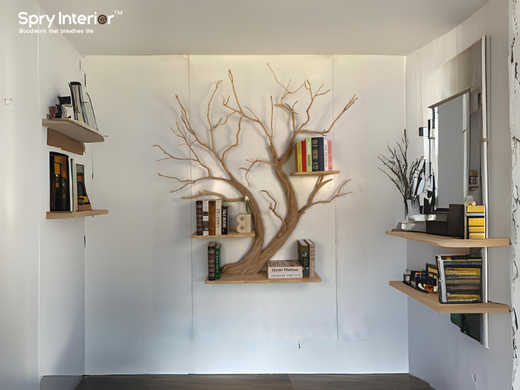
Are you ready to transform your space with a stunning wall of shelves? Imagine having a stylish, organized display that not only saves space but also highlights your favorite books, plants, and decor.
Building your own wall of shelves might sound tricky, but with the right steps, you can create a beautiful and functional feature that fits perfectly in your home. This guide will walk you through everything you need to know, making the process simple and enjoyable.
Keep reading, and soon you’ll have a wall that truly stands out.

Credit: tailorwoodhaven.com
Planning Your Wall Shelves
Planning your wall shelves carefully sets the stage for a successful project. It helps you avoid costly mistakes and ensures the shelves fit perfectly in your space. Taking time to think through the details will save you frustration later and give your room a polished look.
Choosing The Right Wall
Not every wall is ideal for shelves. You need to check the wall’s material and structure before starting.
- Stud walls:These offer strong support and are the best choice for heavy shelves.
- Drywall or plaster:You’ll need anchors or toggles to hold the weight safely.
- Brick or concrete walls:These require special drill bits and anchors.
Ask yourself: How much weight do you plan to put on the shelves? This will guide your wall choice and mounting hardware.
Measuring Space And Dimensions
Measure the available wall space accurately before buying materials. Don’t guess—use a tape measure for exact numbers.
Think about:
- The height and width of the wall area you want to cover.
- How tall or deep each shelf should be to fit your items.
- Leaving enough clearance above and below shelves for easy access.
Visualize the final layout. Sometimes marking the wall with painter’s tape helps you see if the size feels right.
Selecting Shelf Materials
The material you pick affects both the look and durability of your shelves. Wood is popular because it’s strong and easy to work with.
- Solid wood:Offers natural beauty and strength but can be expensive.
- Plywood:More affordable and stable but might need edge banding for a finished look.
- Metal or glass:Good for modern styles but require special tools and skills.
Consider your room’s style and how much weight the shelves must hold. What materials match your décor and skill level?

Credit: www.smorhome.com
Gathering Tools And Supplies
Before you start building your wall of shelves, gathering the right tools and supplies is crucial. Having everything ready helps you avoid interruptions and keeps the project smooth. It also ensures your shelves are sturdy and safe.
Essential Tools List
Start by collecting basic woodworking tools that you will use throughout the project. A reliable drill is a must for making holes and driving screws quickly. You will also need a level to make sure your shelves are perfectly horizontal, avoiding awkward slants.
Other key tools include a tape measure to get accurate dimensions, a stud finder to locate the wall studs, and a saw to cut your boards to size. Don’t forget screwdrivers or a power driver to fasten the hardware. Having these tools on hand saves time and frustration.
Recommended Hardware
Choosing the right hardware affects the strength and durability of your shelves. Heavy-duty brackets or floating shelf supports are popular options. Make sure the brackets you pick match the weight your shelves will hold.
Use screws designed for wall mounting, preferably ones that are long enough to anchor into the studs behind the drywall. Anchors are useful if you can’t screw directly into studs, but they usually hold less weight. Would you rather have extra support or a cleaner look? That decision will guide your hardware choices.
Safety Equipment
Safety should never take a backseat during your build. Eye protection is essential when drilling or cutting to prevent debris from causing injury. Gloves protect your hands from splinters and sharp edges on wood or hardware.
Consider ear protection if you’re working with loud power tools. A dust mask also helps, especially if you’re sanding or cutting materials that create fine dust. How much do you value comfort and safety while working? Preparing safety gear upfront makes the job less stressful and more enjoyable.
Preparing The Wall
Clear the wall surface and remove any nails or screws. Check for uneven spots and fill holes with putty. Use a level to mark where shelves will go for accurate placement.
Preparing the wall is a crucial step in building a wall of shelves. A well-prepared wall ensures that your shelves are sturdy and aligned. Follow these steps to get your wall ready for shelving.Clearing And Cleaning The Area
Start by moving furniture away from the wall. This gives you space to work and prevents damage. Remove any decorations or fixtures like pictures and hooks. Vacuum or sweep the floor to keep the area clean. Dust and wipe down the wall with a damp cloth. This helps remove any grime or dirt.Locating Wall Studs
Find the wall studs using a stud finder. These provide strong support for your shelves. Mark each stud with a pencil. Studs are usually 16 to 24 inches apart. Double-check the marks to ensure accuracy. This step ensures your shelves can hold weight without sagging.Marking Shelf Positions
Decide the height and spacing of your shelves. Use a measuring tape for accurate measurements. Mark the positions with a pencil. Ensure the marks are level using a spirit level. This prevents crooked shelves. Once marked, step back and review the layout. Make adjustments if necessary before proceeding.Cutting And Assembling Shelves
Cutting and assembling shelves is a key step in building a sturdy wall of shelves. Accurate measurements and smooth finishes ensure the shelves fit well and look great. Proper assembly of brackets and supports keeps the shelves strong and safe.
Measuring And Cutting Wood
Start by measuring the length and width of each shelf carefully. Use a tape measure and mark the wood with a pencil. Double-check all measurements to avoid mistakes.
Cut the wood using a saw suitable for the material. A circular saw or handsaw works well for most types of wood. Keep the cuts straight and smooth for a neat finish.
Sanding And Finishing
Sand the edges and surfaces of each shelf to remove splinters and rough spots. Use medium-grit sandpaper first, then finish with fine-grit for smoothness.
Apply a finish such as paint, stain, or sealant to protect the wood. Allow the finish to dry completely before assembling the shelves. This step improves durability and appearance.
Assembling Brackets And Supports
Choose brackets that match the size and weight capacity of your shelves. Mark the wall where each bracket will go, using a level to keep them even.
Attach brackets securely to the wall with screws and anchors. Place the shelves on the brackets and check for stability. Adjust the brackets or supports as needed for a firm fit.
Installing The Shelves
Installing the shelves is a key part of building a wall of shelves. This step ensures the shelves hold weight safely and look neat. Careful placement and secure fixing help the shelves last long and support your items well.
Mounting Brackets Securely
Start by marking the spots for the brackets on the wall. Use a stud finder to locate wall studs for strong support. Drill pilot holes before inserting screws to avoid splitting the wall. Use screws that match the bracket size and wall type. Tighten the screws firmly, but do not over-tighten. Check that each bracket sits flush against the wall without gaps.
Attaching Shelves To Brackets
Place the shelves on the mounted brackets carefully. Align the shelf edges with the brackets for a clean look. Use screws or nails to fix the shelves to the brackets securely. Make sure the fasteners go deep enough to hold the shelf tight. Avoid placing screws too close to the shelf edge to prevent splitting. Double-check that the shelves do not wobble or shift.
Leveling And Adjustments
Use a spirit level to check each shelf horizontally. Adjust the brackets or shelf position if the level shows a tilt. Small shims can help balance uneven surfaces behind brackets. Tighten all screws again after leveling to lock the shelves in place. Step back and visually inspect the whole wall of shelves. Make sure every shelf lines up evenly and looks balanced.
Styling And Organizing
Styling and organizing your wall of shelves brings both beauty and function to your space. Thoughtful choices in storage and placement turn shelves into a focal point. A neat, well-arranged wall feels inviting and helps keep clutter away.
Choosing Storage Bins And Baskets
Select bins and baskets that fit your shelf size well. Use materials like wicker, fabric, or clear plastic for variety. Matching colors create a clean look, while mixed textures add interest. Label containers for quick access and better organization. Use open baskets for items you use often.
Arranging Items Creatively
Mix books, decor, and storage to avoid a boring line-up. Stack books both vertically and horizontally for balance. Add small plants or artwork for color and life. Group similar items together to create visual harmony. Leave some empty space to let the shelves breathe.
Maintaining Your Wall Shelves
Dust shelves regularly to keep them fresh and clean. Rearrange items seasonally to refresh the look. Check bins and baskets for wear and replace if needed. Keep only what you need to avoid clutter buildup. A tidy shelf wall improves the whole room’s feel.
Troubleshooting Common Issues
Building a wall of shelves can bring many challenges. Some common issues arise during installation. Knowing how to fix these problems saves time and effort. Troubleshooting helps keep shelves sturdy and safe. Below are tips on solving frequent shelf-building problems.
Dealing With Uneven Walls
Uneven walls cause shelves to tilt or gaps to form. Use a level to check the wall’s flatness. Shim behind the shelf brackets with thin wood pieces. Sand or plane the shelf edges to match the wall shape. Adjust each bracket’s height to balance the shelf. This ensures shelves sit flush and look neat.
Fixing Wobbly Shelves
Wobbly shelves feel unsafe and weak. Tighten all screws and wall anchors first. Add extra brackets for better support if needed. Use stronger anchors for drywall, like toggle bolts. Cross braces at the back increase shelf stability. Check that shelves are not too long for their supports.
Preventing Overloading
Overloading shelves causes sagging or collapse. Check weight limits for your shelf materials and brackets. Spread heavy items evenly across the shelves. Use thicker wood or metal brackets for heavy loads. Store lighter items on higher shelves to reduce stress. Regularly inspect shelves for signs of strain or damage.

Credit: www.youtube.com
Frequently Asked Questions
How Do I Start Building A Wall Of Shelves?
Begin by measuring your wall space accurately. Choose shelf materials and design. Mark stud locations for secure mounting.
What Tools Are Needed For Building Wall Shelves?
Essential tools include a drill, level, stud finder, screws, brackets, and a measuring tape. Safety gear is recommended.
How To Ensure Wall Shelves Are Securely Mounted?
Locate wall studs to anchor shelves firmly. Use appropriate screws and brackets. Double-check with a level for alignment.
What Materials Work Best For Wall Shelves?
Solid wood, plywood, and MDF are popular. Choose based on budget, weight support, and style preferences.
Conclusion
Building a wall of shelves adds both style and storage space. Follow each step carefully for best results. Use the right tools and materials for safety. Take your time to measure and level every shelf. Enjoy organizing your books, plants, or decorations neatly.
This project fits many rooms and needs easily. A wall of shelves makes your space look tidy. Try this simple project to improve your home today.



